Department of Neurosurgery & Brain and Nerve Research Laboratory, The First Affiliated Hospital of Soochow University, Suzhou, Jiangsu Province, China.
Department of Neurology, First affiliate Hospital, Harbin Medical University, Harbin, Heilongjiang Province, China.
PLoS One. 2019 Jan 9;14(1):e0210516. doi: 10.1371/journal.pone.0210516. eCollection 2019.
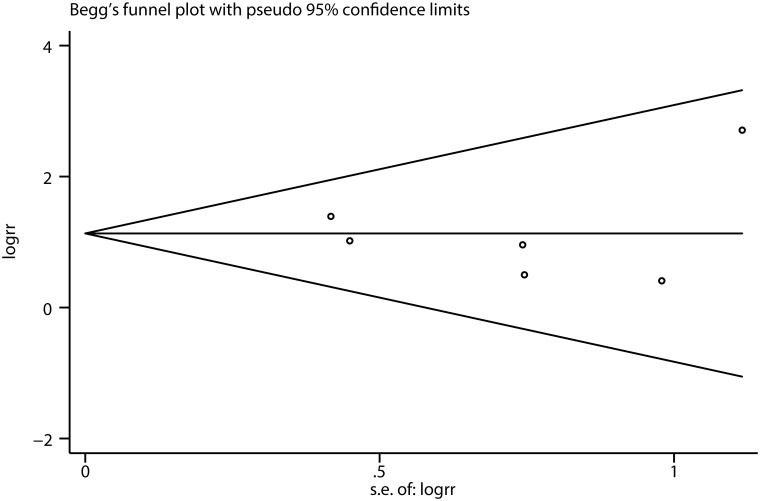
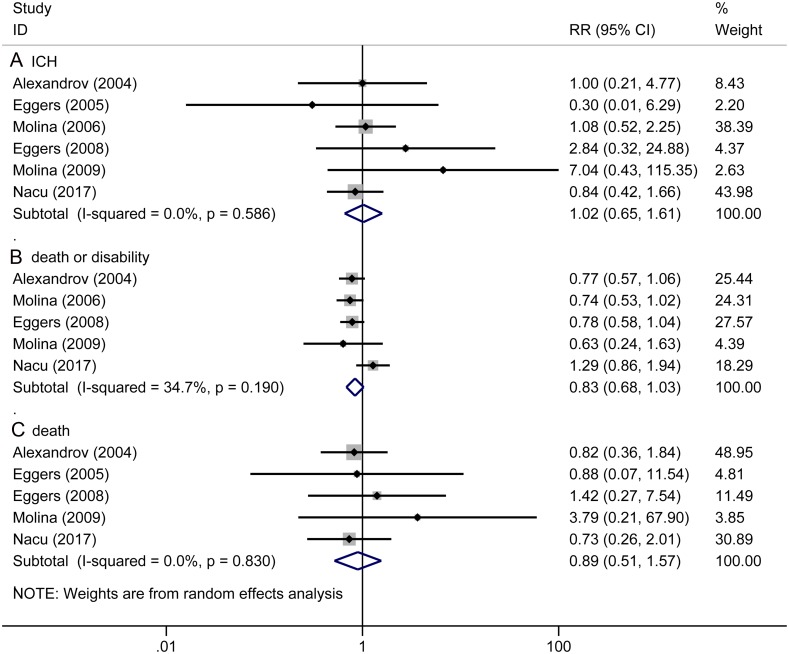
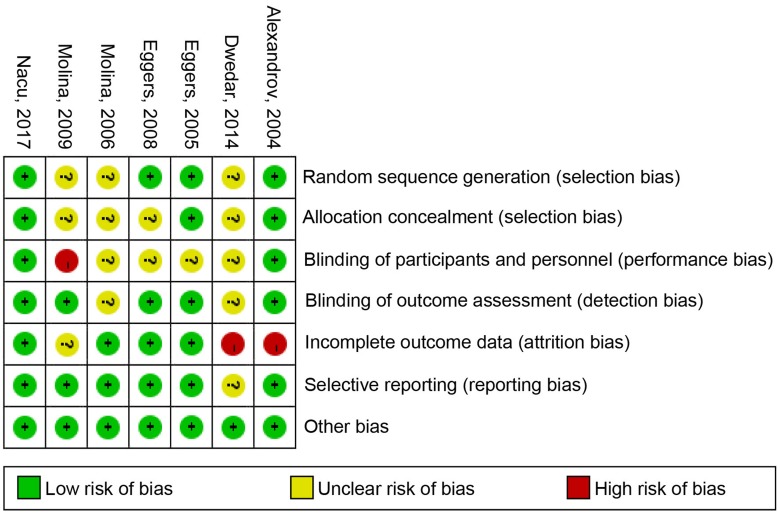
Recent studies have shown that inconsistent results of safety and efficacy between sonothombolysis vs. non-sonothombolysis in acute ischemic stroke (AIS). We implemented a meta-analysis to explore the value of sonothrombolysis in AIS treatment. The MEDLINE, EMBASE, and Cochrane Library databases were searched for randomized controlled trials (RCTs) which had evaluated sonothrombolysis or ultrasound thrombolysis in AIS. One hundred five studies were retrieved and analyzed, among them, 7 RCTs were included in the current meta-analysis. In comparison with the non-sonothombolysis, sonothrombolysis significantly improved complete recanalization (RR 2.16, 95% CI 1.51 to 3.08, P < 0.001), complete or partial recanalization (RR 1.90, 95% CI 1.26 to 2.88, P = 0.002), there is also a tendency to improvement of ≥ 4 points in NIHSS score (RR 1.43, 95% CI 0.99 to 2.07, P = 0.057). However, sonothrombolysis and non-sonothrombolysis had insignificant differences in neurological recovery and adverse events. In subgroup analysis, we found that "With t-PA", "NIHSS > 15", "Treatment time ≤ 150min", and "Age ≤ 65 years" are potential favorable factors for efficacy outcomes of sonothombolysis. Sonothrombolysis can significantly increase the rate of recanalization in patients with AIS compared with non-sonothrombolysis, but there is no significant effect on improving neurological functional recovery and avoiding complications.
近期研究表明,急性缺血性脑卒中(AIS)患者中,声溶栓与非声溶栓的安全性和疗效结果不一致。我们进行了一项荟萃分析,以探讨声溶栓在 AIS 治疗中的价值。检索 MEDLINE、EMBASE 和 Cochrane Library 数据库,评估声溶栓或超声溶栓治疗 AIS 的随机对照试验(RCT)。共检索到 105 项研究,其中 7 项 RCT 纳入本荟萃分析。与非声溶栓相比,声溶栓可显著提高完全再通率(RR 2.16,95%CI 1.51 至 3.08,P < 0.001)、完全或部分再通率(RR 1.90,95%CI 1.26 至 2.88,P = 0.002),NIHSS 评分改善≥4 分也有改善趋势(RR 1.43,95%CI 0.99 至 2.07,P = 0.057)。然而,声溶栓与非声溶栓在神经功能恢复和不良事件方面无显著差异。亚组分析发现,“联合 t-PA”“NIHSS > 15”“治疗时间≤150min”和“年龄≤65 岁”是声溶栓疗效的潜在有利因素。与非声溶栓相比,声溶栓可显著提高 AIS 患者的再通率,但对改善神经功能恢复和避免并发症无显著作用。