Case Comprehensive Cancer Center, Case Western Reserve University, Cleveland, OH 44106, USA.
Small Molecules Drug Development Core Facility, Office of Research Administration, Case Western Reserve University, Cleveland, OH 44106, USA.
Stem Cell Reports. 2019 Jan 8;12(1):122-134. doi: 10.1016/j.stemcr.2018.12.002.
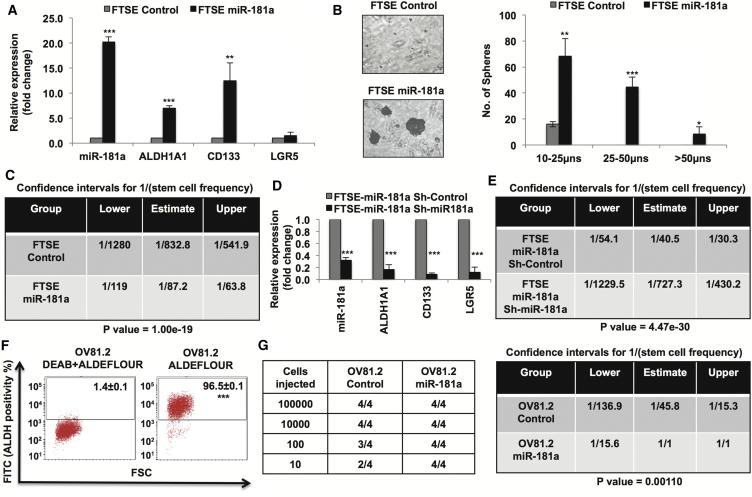
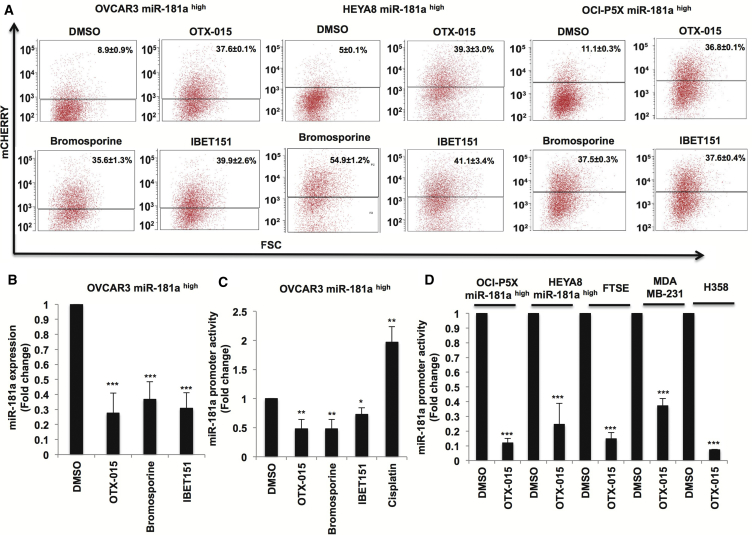
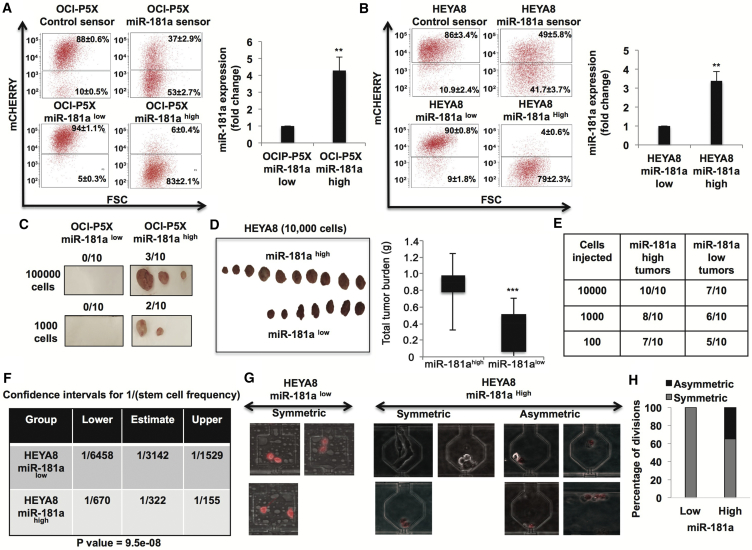
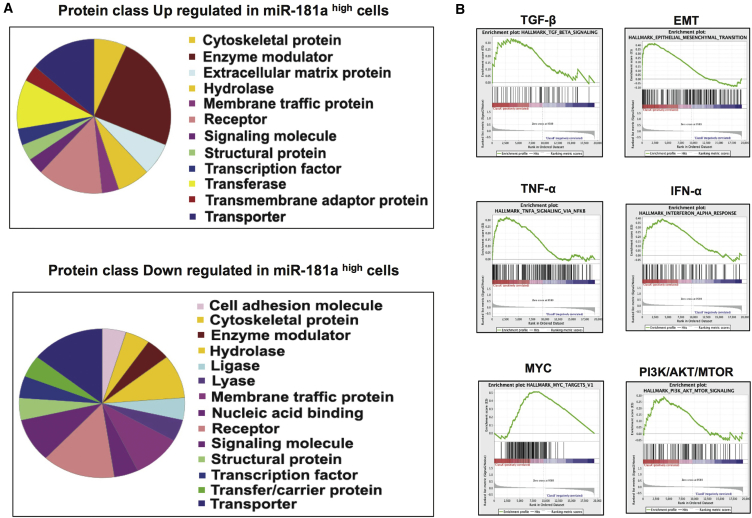
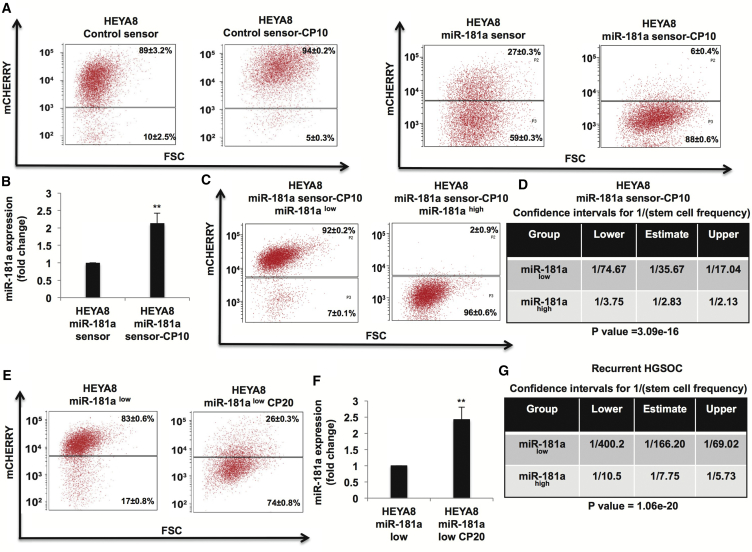
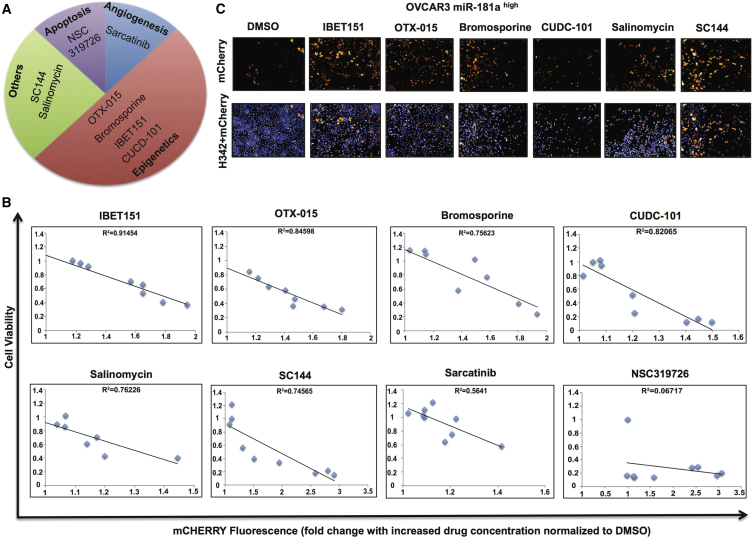
Tumor-initiating cells (TICs) contribute to drug resistance and tumor recurrence in cancers, thus experimental approaches to dissect the complexity of TICs are required to design successful TIC therapeutic strategies. Here, we show that miRNA-3' UTR sensor vectors can be used as a pathway-based method to identify, enrich, and analyze TICs from primary solid tumor patient samples. We have found that an miR-181a subpopulation of cells sorted from primary ovarian tumor cells exhibited TIC properties in vivo, were enriched in response to continuous cisplatin treatment, and showed activation of numerous major stem cell regulatory pathways. This miRNA-sensor-based platform enabled high-throughput drug screening leading to identification of BET inhibitors as transcriptional inhibitors of miR-181a. Taken together, we provide a valuable miRNA-sensor-based approach to broaden the understanding of complex TIC regulatory mechanisms in cancers and to identify miRNA-targeting drugs.
肿瘤起始细胞 (TICs) 导致癌症中的药物耐药性和肿瘤复发,因此需要采用实验方法来剖析 TIC 的复杂性,从而设计出成功的 TIC 治疗策略。在这里,我们展示了 miRNA-3'UTR 传感器载体可用作一种基于通路的方法,用于从原发性实体瘤患者样本中鉴定、富集和分析 TICs。我们发现,从原发性卵巢癌细胞中分选出来的 miR-181a 亚群细胞在体内表现出 TIC 特性,对持续顺铂处理有富集作用,并显示出许多主要的干细胞调控通路的激活。这种基于 miRNA 传感器的平台可实现高通量药物筛选,从而鉴定出 BET 抑制剂作为 miR-181a 的转录抑制剂。总之,我们提供了一种有价值的基于 miRNA 传感器的方法,以拓宽对癌症中复杂 TIC 调控机制的理解,并鉴定 miRNA 靶向药物。