College of Life and Environmental Sciences, Minzu University of China, Beijing 100081, China.
Beijing Key Laboratory of Gene Resource and Molecular Development, Beijing 100875, China.
Int J Mol Sci. 2019 Jan 9;20(2):243. doi: 10.3390/ijms20020243.
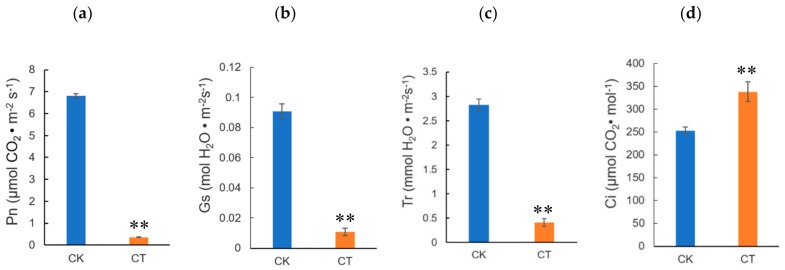
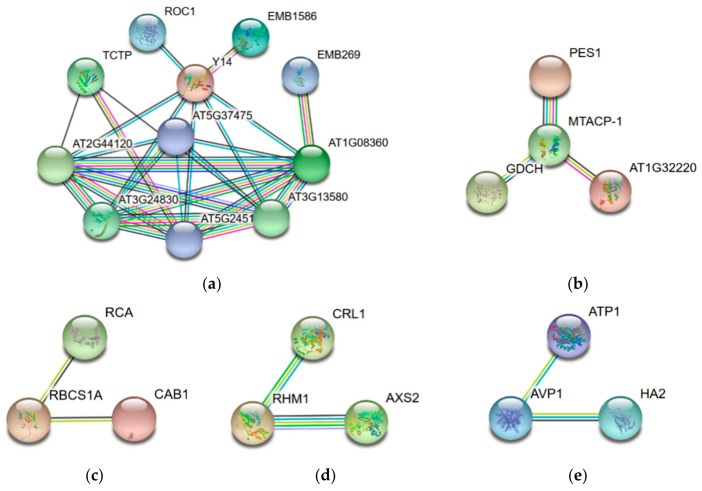
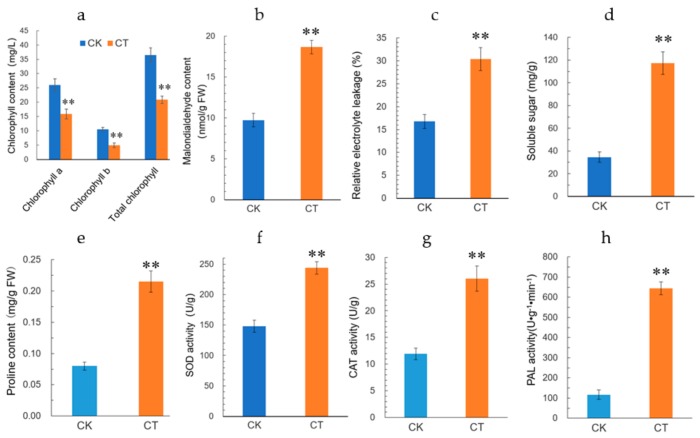
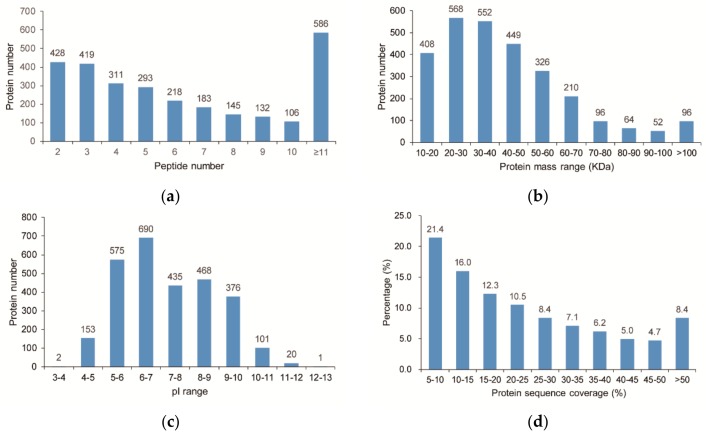
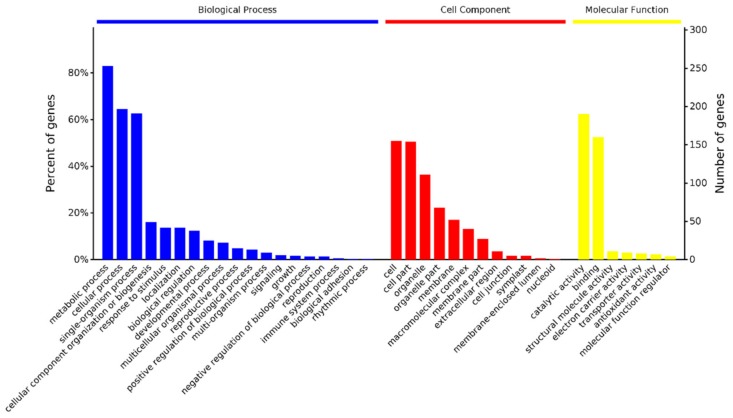
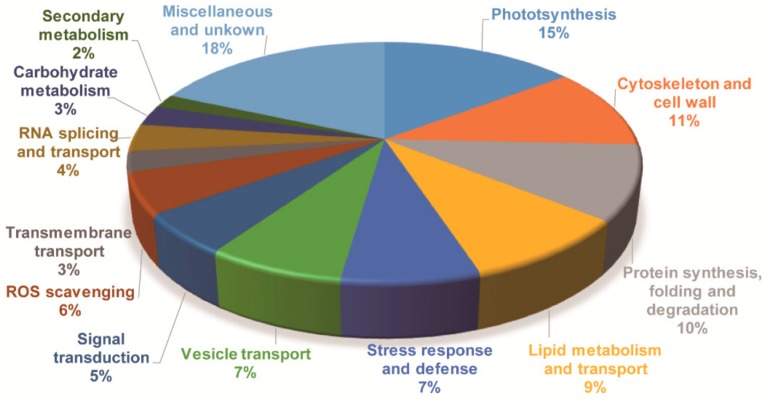
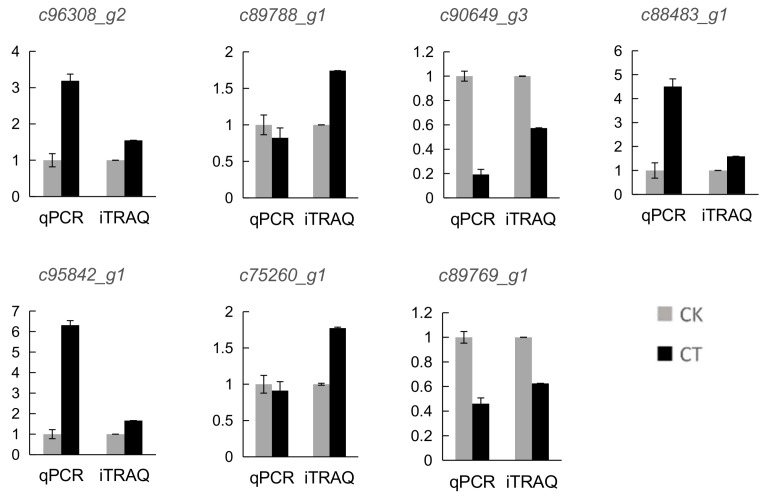
Jojoba () is a semi-arid, oil-producing industrial crop that have been widely cultivated in tropical arid region. Low temperature is one of the major environmental stress that impair jojoba's growth, development and yield and limit introduction of jojoba in the vast temperate arid areas. To get insight into the molecular mechanisms of the cold stress response of jojoba, a combined physiological and quantitative proteomic analysis was conducted. Under cold stress, the photosynthesis was repressed, the level of malondialdehyde (MDA), relative electrolyte leakage (REL), soluble sugars, superoxide dismutase (SOD) and phenylalanine ammonia-lyase (PAL) were increased in jojoba leaves. Of the 2821 proteins whose abundance were determined, a total of 109 differentially accumulated proteins (DAPs) were found and quantitative real time PCR (qRT-PCR) analysis of the coding genes for 7 randomly selected DAPs were performed for validation. The identified DAPs were involved in various physiological processes. Functional classification analysis revealed that photosynthesis, adjustment of cytoskeleton and cell wall, lipid metabolism and transport, reactive oxygen species (ROS) scavenging and carbohydrate metabolism were closely associated with the cold stress response. Some cold-induced proteins, such as cold-regulated 47 (COR47), staurosporin and temperature sensitive 3-like a (STT3a), phytyl ester synthase 1 (PES1) and copper/zinc superoxide dismutase 1, might play important roles in cold acclimation in jojoba seedlings. Our work provided important data to understand the plant response to the cold stress in tropical woody crops.
马霍巴()是一种半干旱、产油的工业作物,已广泛种植在热带干旱地区。低温是影响马霍巴生长、发育和产量的主要环境胁迫之一,限制了马霍巴在广大温带干旱地区的引种。为深入了解马霍巴冷胁迫响应的分子机制,进行了生理与定量蛋白质组学联合分析。在冷胁迫下,马霍巴叶片的光合作用受到抑制,丙二醛(MDA)水平、相对电解质渗漏(REL)、可溶性糖、超氧化物歧化酶(SOD)和苯丙氨酸解氨酶(PAL)升高。在测定的 2821 种蛋白质中,共发现 109 种差异积累蛋白(DAPs),并对 7 个随机选择的 DAPs 的编码基因进行了定量实时 PCR(qRT-PCR)分析进行验证。鉴定的 DAPs 参与了各种生理过程。功能分类分析表明,光合作用、细胞骨架和细胞壁的调节、脂代谢和转运、活性氧(ROS)清除和碳水化合物代谢与冷胁迫反应密切相关。一些冷诱导蛋白,如冷调节蛋白 47(COR47)、星孢菌素和温度敏感 3 样 a(STT3a)、植基酯合酶 1(PES1)和铜/锌超氧化物歧化酶 1,可能在马霍巴幼苗的冷驯化中发挥重要作用。我们的工作为了解热带木本作物对冷胁迫的植物响应提供了重要数据。