Department of Physiology and Pharmacology, Biomedicum C5, Karolinska Institutet, Stockholm, Sweden.
Åstrand Laboratory of Work Physiology, The Swedish School of Sport and Health Sciences, Stockholm, Sweden.
J Gen Physiol. 2019 Apr 1;151(4):567-577. doi: 10.1085/jgp.201812152. Epub 2019 Jan 11.
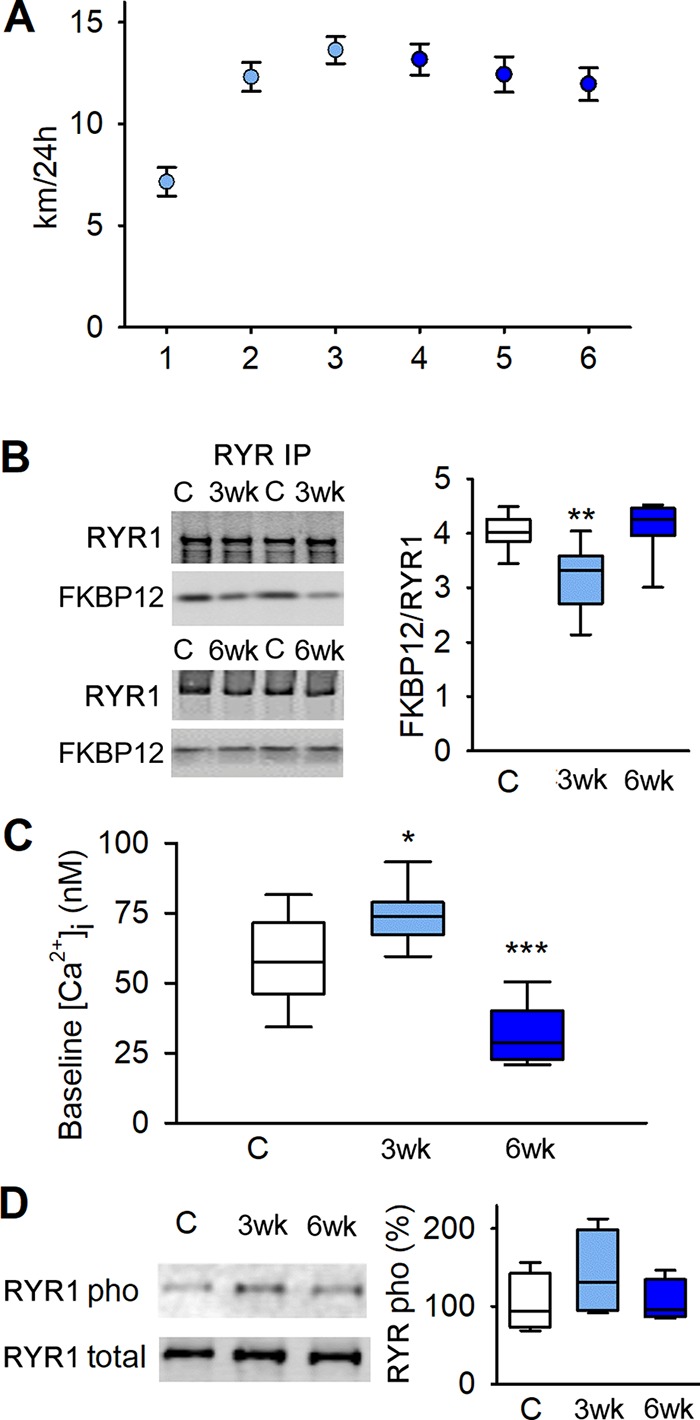
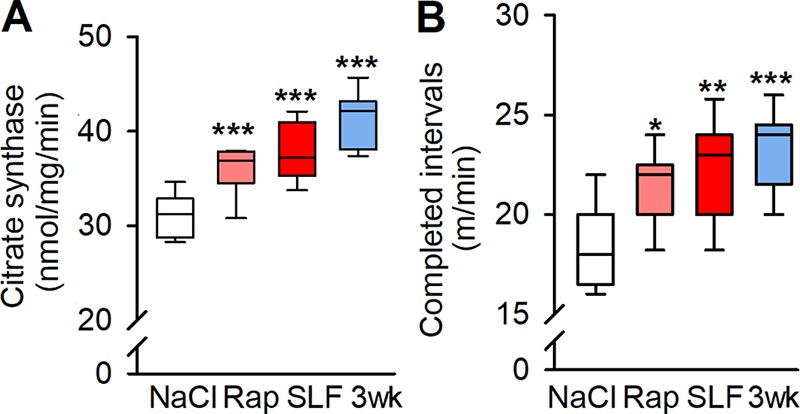
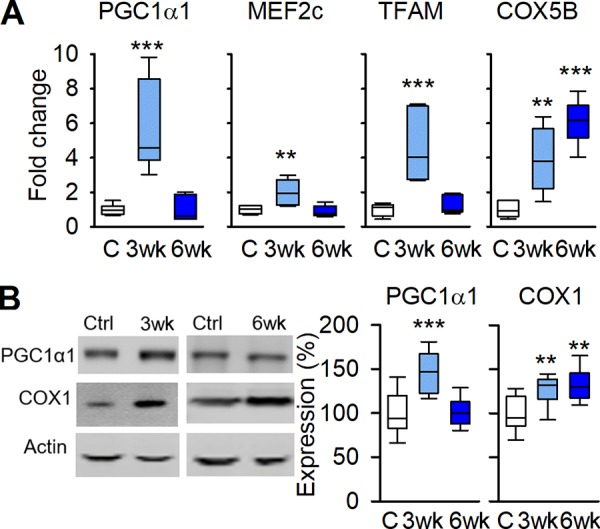
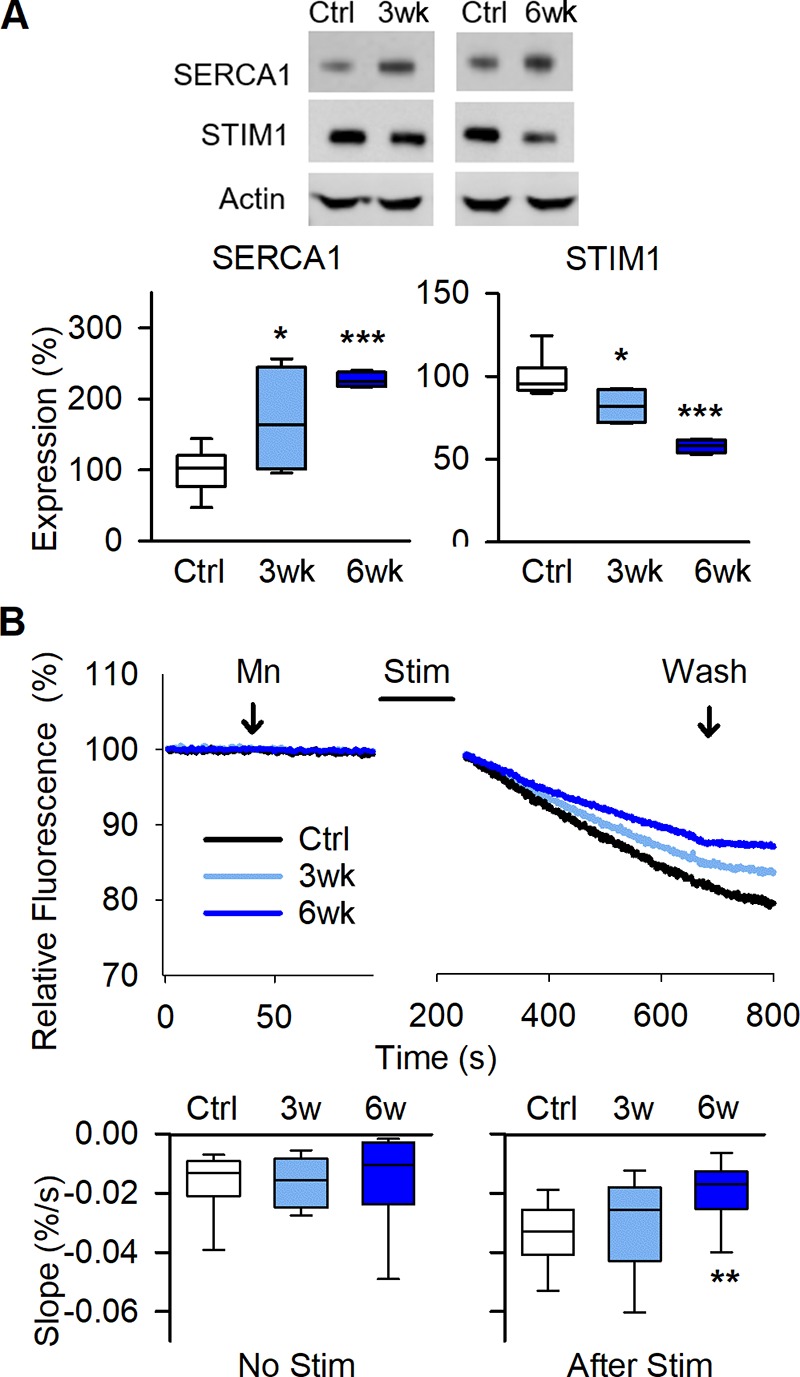
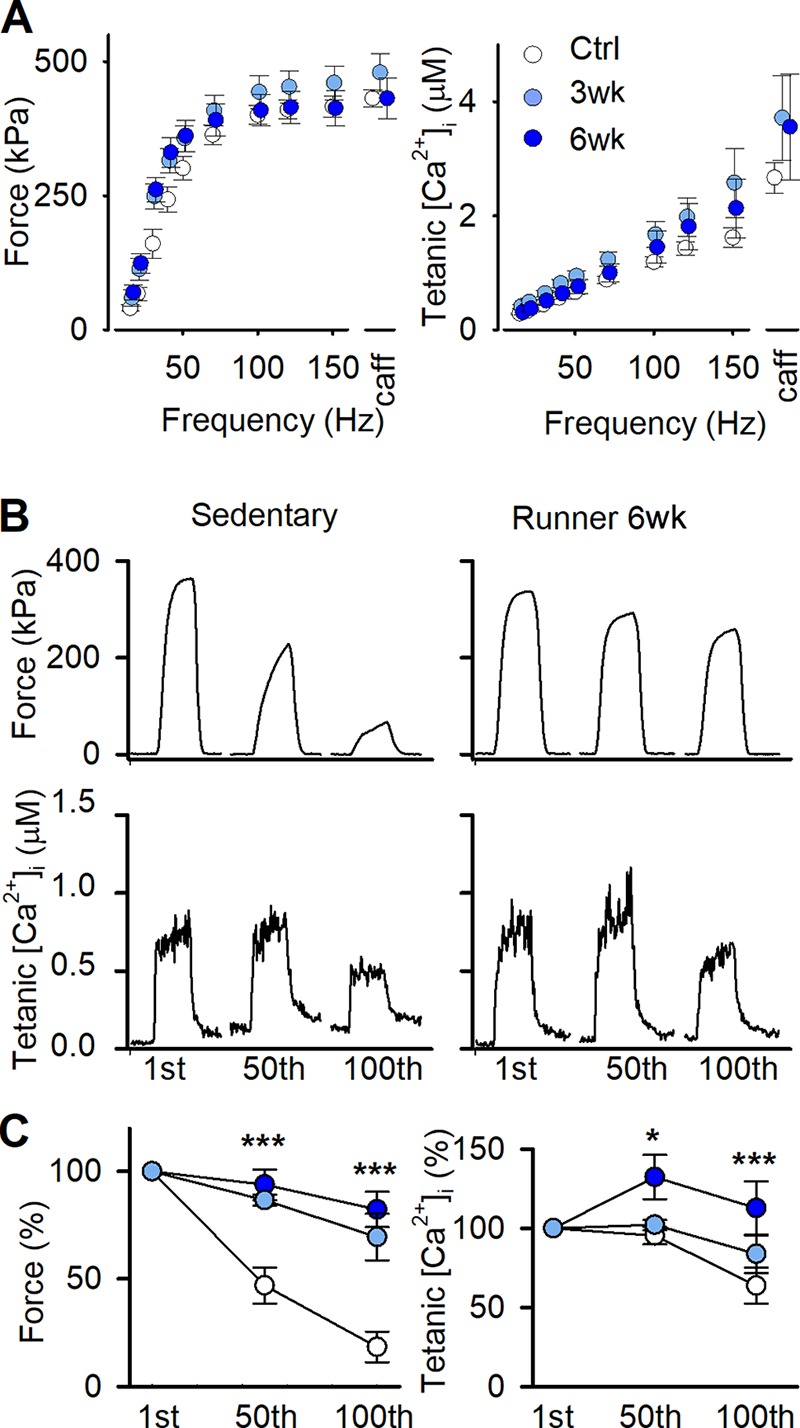
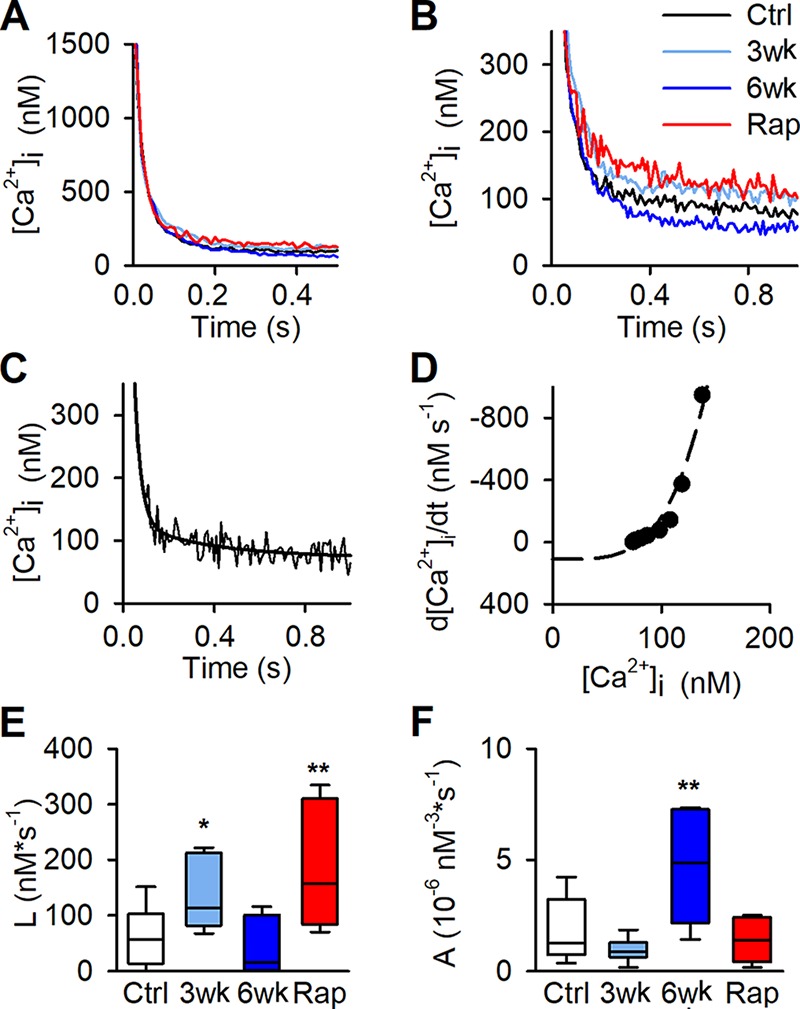
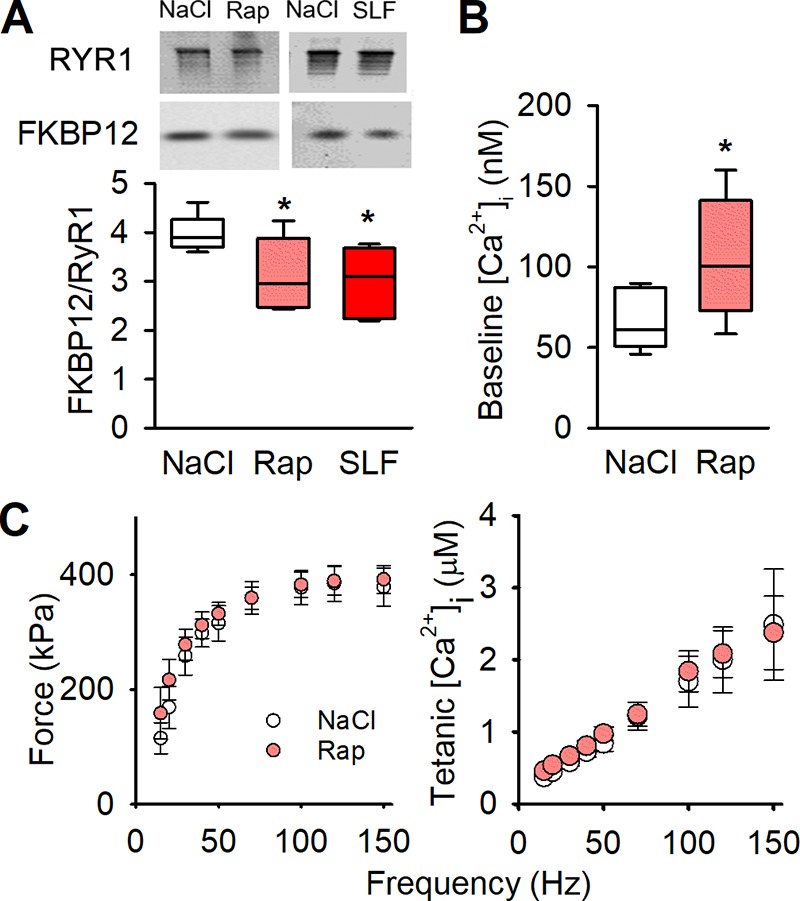
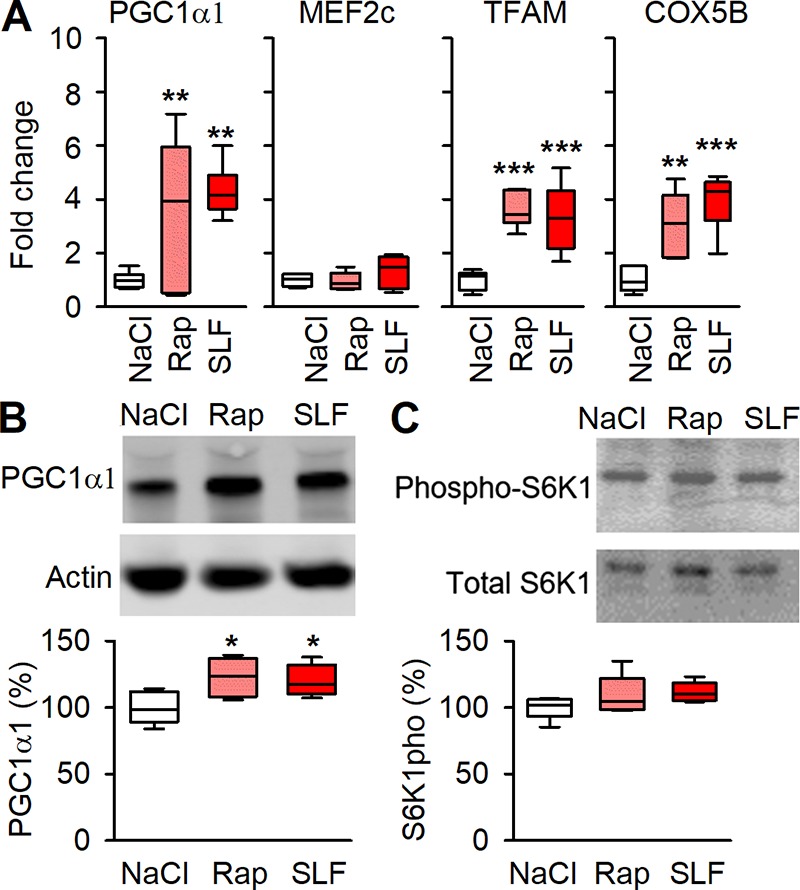
Effective practices to improve skeletal muscle fatigue resistance are crucial for athletes as well as patients with dysfunctional muscles. To this end, it is important to identify the cellular signaling pathway that triggers mitochondrial biogenesis and thereby increases oxidative capacity and fatigue resistance in skeletal muscle fibers. Here, we test the hypothesis that the stress induced in skeletal muscle fibers by endurance exercise causes a reduction in the association of FK506-binding protein 12 (FKBP12) with ryanodine receptor 1 (RYR1). This will result in a mild Ca leak from the sarcoplasmic reticulum (SR), which could trigger mitochondrial biogenesis and improved fatigue resistance. After giving mice access to an in-cage running wheel for three weeks, we observed decreased FKBP12 association to RYR1, increased baseline [Ca], and signaling associated with greater mitochondrial biogenesis in muscle, including PGC1α1. After six weeks of voluntary running, FKBP12 association is normalized, baseline [Ca] returned to values below that of nonrunning controls, and signaling for increased mitochondrial biogenesis was no longer present. The adaptations toward improved endurance exercise performance that were observed with training could be mimicked by pharmacological agents that destabilize RYR1 and thereby induce a modest Ca leak. We conclude that a mild RYR1 SR Ca leak is a key trigger for the signaling pathway that increases muscle fatigue resistance.
提高骨骼肌抗疲劳能力的有效方法对运动员和肌肉功能障碍患者都至关重要。为此,确定触发线粒体生物发生的细胞信号通路非常重要,从而增加骨骼肌纤维的氧化能力和抗疲劳能力。在这里,我们检验了一个假设,即耐力运动引起的骨骼肌纤维应激导致 FK506 结合蛋白 12(FKBP12)与肌浆网钙释放通道 1(RYR1)的结合减少。这将导致从肌浆网(SR)轻微的 Ca 泄漏,从而可能触发线粒体生物发生和提高抗疲劳能力。在让小鼠使用笼内跑步轮三周后,我们观察到 FKBP12 与 RYR1 的结合减少,基础 [Ca]增加,以及与肌肉中线粒体生物发生增加相关的信号,包括 PGC1α1。经过六周的自愿跑步,FKBP12 的结合恢复正常,基础 [Ca] 恢复到非跑步对照的水平以下,并且不再存在增加线粒体生物发生的信号。通过药物使 RYR1 不稳定从而诱导适度的 Ca 泄漏,可模拟出训练中观察到的对改善耐力运动表现的适应。我们得出结论,轻微的 RYR1-SR Ca 泄漏是增加肌肉抗疲劳能力的信号通路的关键触发因素。