School of Public Health, University of the Western Cape, Cape Town, South Africa.
Department of Public Health, Institute of Tropical Medicine, Antwerp, Belgium.
PLoS One. 2019 Jan 16;14(1):e0210565. doi: 10.1371/journal.pone.0210565. eCollection 2019.
Although empirical evidence suggests that the adherence club model is more effective in retaining people living with HIV in antiretroviral treatment care and sustaining medication adherence compared to standard clinic care, it is poorly understood exactly how and why this works. In this paper, we examined and made explicit how, why and for whom the adherence club model works at a public health facility in South Africa.
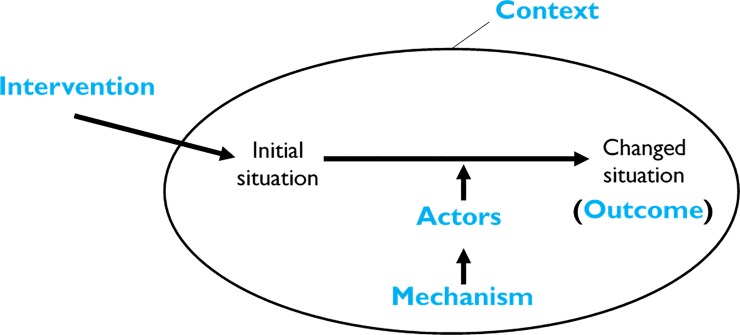
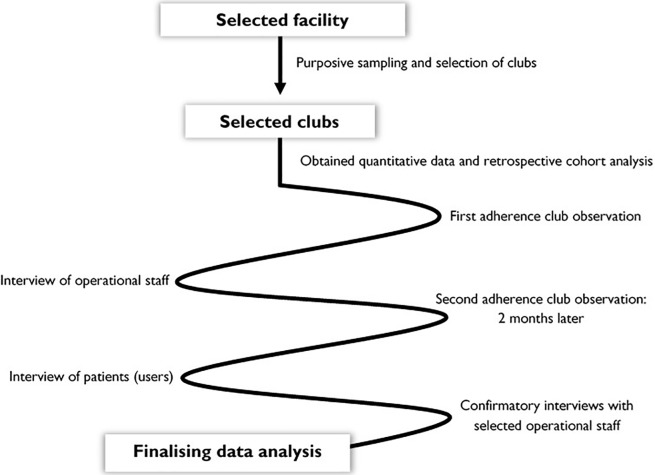
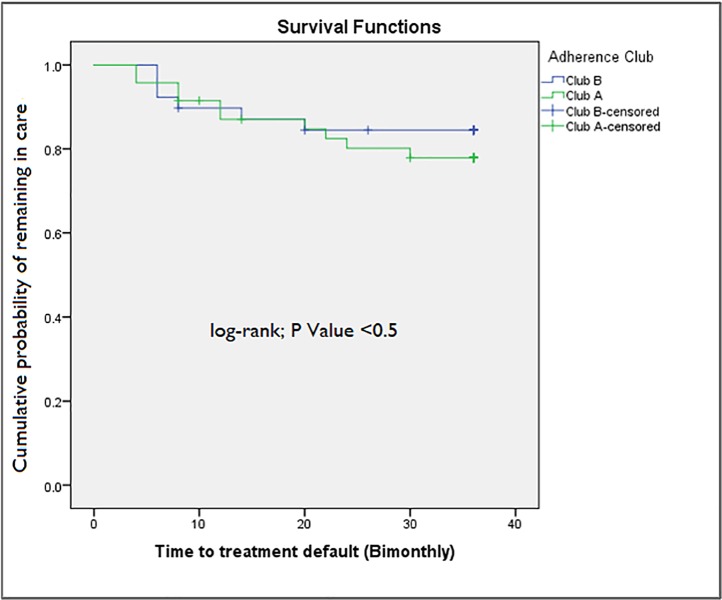
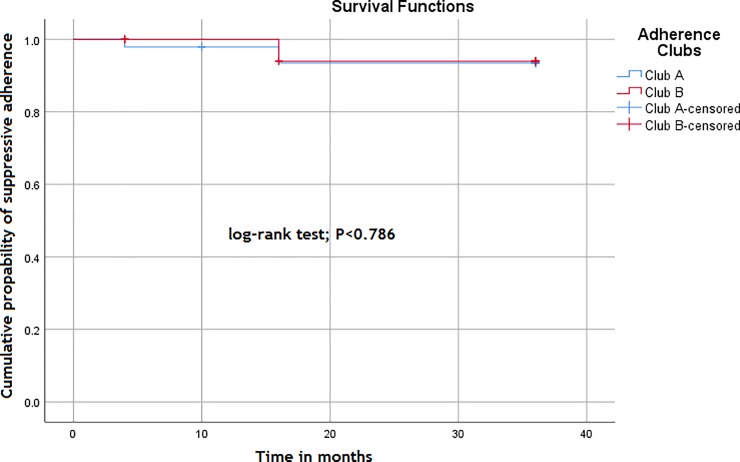
We applied an explanatory theory-building case study approach to examine the validity of an initial programme theory developed a priori. We collected data using a retrospective cohort quantitative design to describe the suppressive adherence and retention in care behaviours of patients on ART using Kaplan-Meier methods. In conjunction, we employed an explanatory qualitative study design using non-participant observations and realist interviews to gain insights into the important mechanisms activated by the adherence club intervention and the relevant contextual conditions that trigger the different mechanisms to cause the observed behaviours. We applied the retroduction logic to configure the intervention-context-actor-mechanism-outcome map to formulate generative theories.
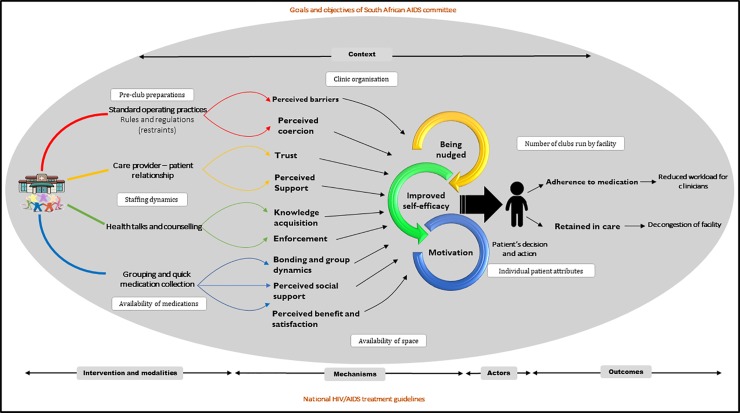
A modified programme theory involving targeted care for clinically stable adult patients (18 years+) receiving antiretroviral therapy was obtained. Targeted care involved receiving quick, uninterrupted supply of antiretroviral medication (with reduced clinic visit frequencies), health talks and counselling, immediate access to a clinician when required and guided by club rules and regulations within the context of adequate resources, and convenient (size and position) space and proper preparation by the club team. When grouped for targeted care, patients feel nudged, their self-efficacy is improved and they become motivated to adhere to their medication and remain in continuous care.
This finding has implications for understanding how, why and under what health system conditions the adherence club intervention works to improve its rollout in other contexts.
尽管经验证据表明,与标准诊所护理相比,坚持俱乐部模式在将艾滋病毒感染者保留在抗逆转录病毒治疗护理中并维持药物依从性方面更为有效,但确切了解其工作原理和原因的程度还很低。在本文中,我们检查并明确了南非一家公共卫生机构中坚持俱乐部模式的工作方式、原因和对象。
我们应用解释性理论构建案例研究方法来检验预先制定的初始方案理论的有效性。我们使用回顾性队列定量设计收集数据,使用 Kaplan-Meier 方法描述接受抗逆转录病毒治疗的患者的抑制性依从性和护理保留行为。同时,我们采用非参与式观察和现实主义访谈的解释性定性研究设计,深入了解坚持俱乐部干预激活的重要机制以及触发不同机制导致观察到的行为的相关背景条件。我们应用回溯逻辑来配置干预-背景-参与者-机制-结果图,以制定生成理论。
获得了涉及接受抗逆转录病毒治疗的临床稳定成年患者(18 岁及以上)的针对性护理的改良方案理论。针对性护理涉及快速、不间断地供应抗逆转录病毒药物(减少诊所就诊频率)、健康讲座和咨询、在需要时立即获得临床医生的帮助,并在充足资源的背景下遵循俱乐部规则和规定,以及方便(大小和位置)的空间和俱乐部团队的充分准备。当分组进行针对性护理时,患者会感到被推动,自我效能感得到提高,并受到激励坚持服药并保持持续护理。
这一发现对于理解坚持俱乐部干预如何、为何以及在何种卫生系统条件下发挥作用,从而改善其在其他环境中的推广具有重要意义。