Swenson Steve, Silva-Hirschberg Catalina, Wang Weijun, Singh Anupam, Hofman Florence M, Chen Kristen L, Schönthal Axel H, Chen Thomas C
Department of Neurosurgery, Keck School of Medicine, University of Southern California, Los Angeles, CA, USA.
Department of Molecular Microbiology & Immunology, Keck School of Medicine, University of Southern California, Los Angeles, CA, USA.
Oncotarget. 2018 Dec 11;9(97):37026-37041. doi: 10.18632/oncotarget.26443.
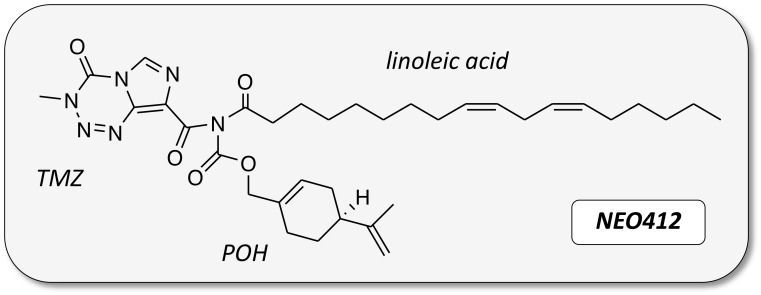
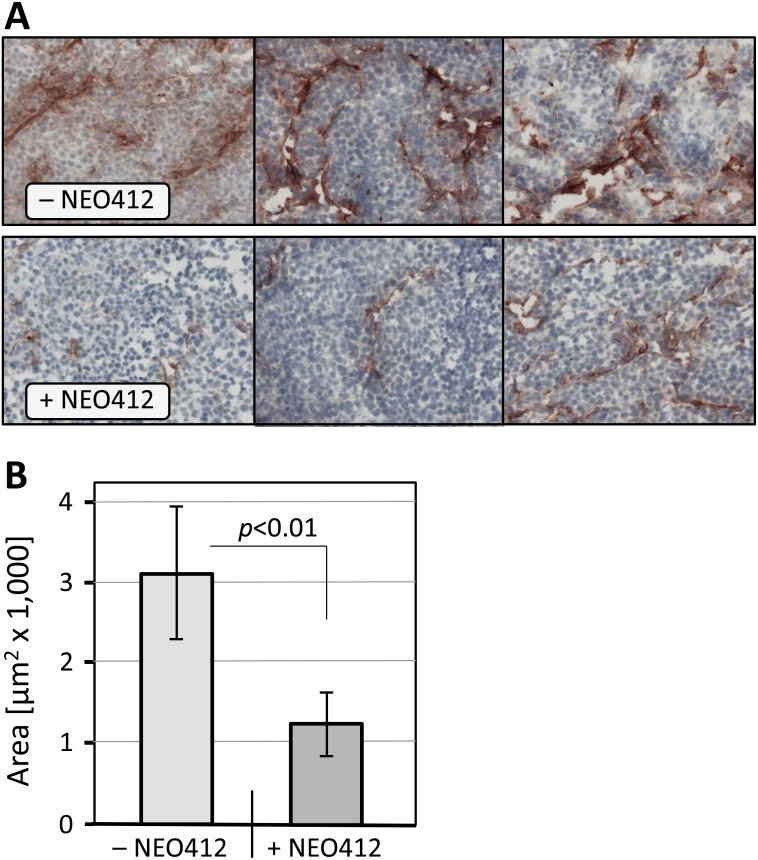
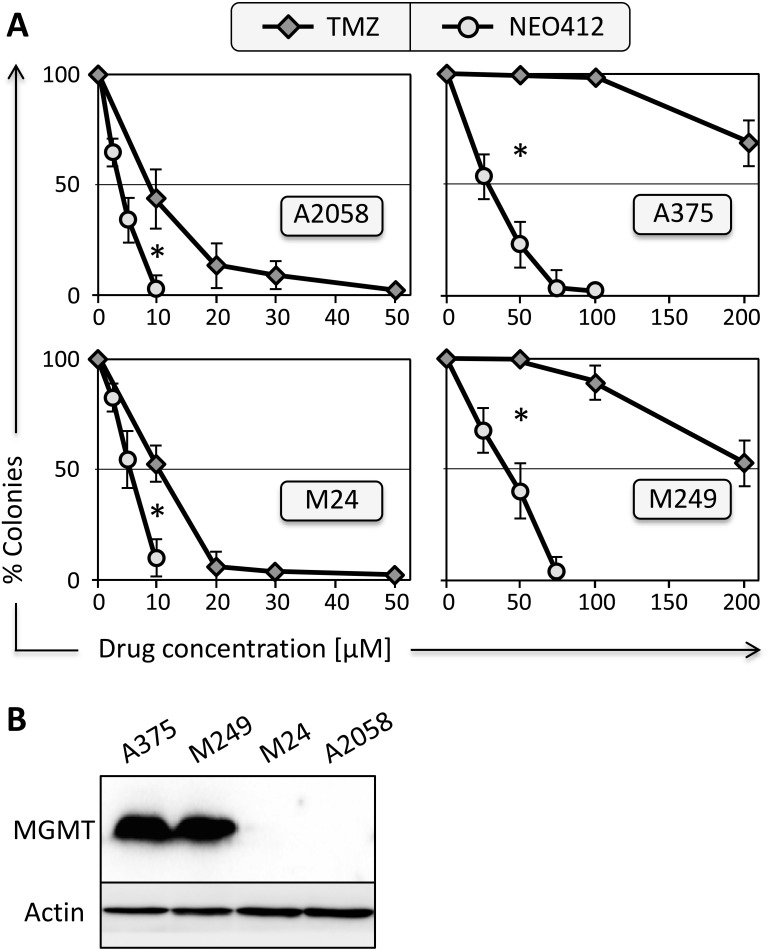
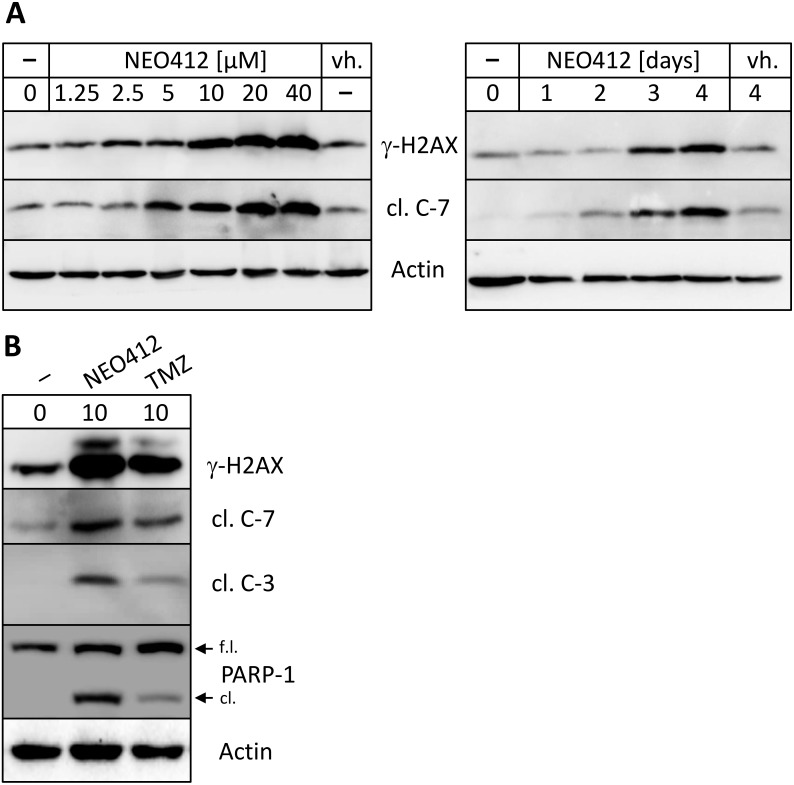
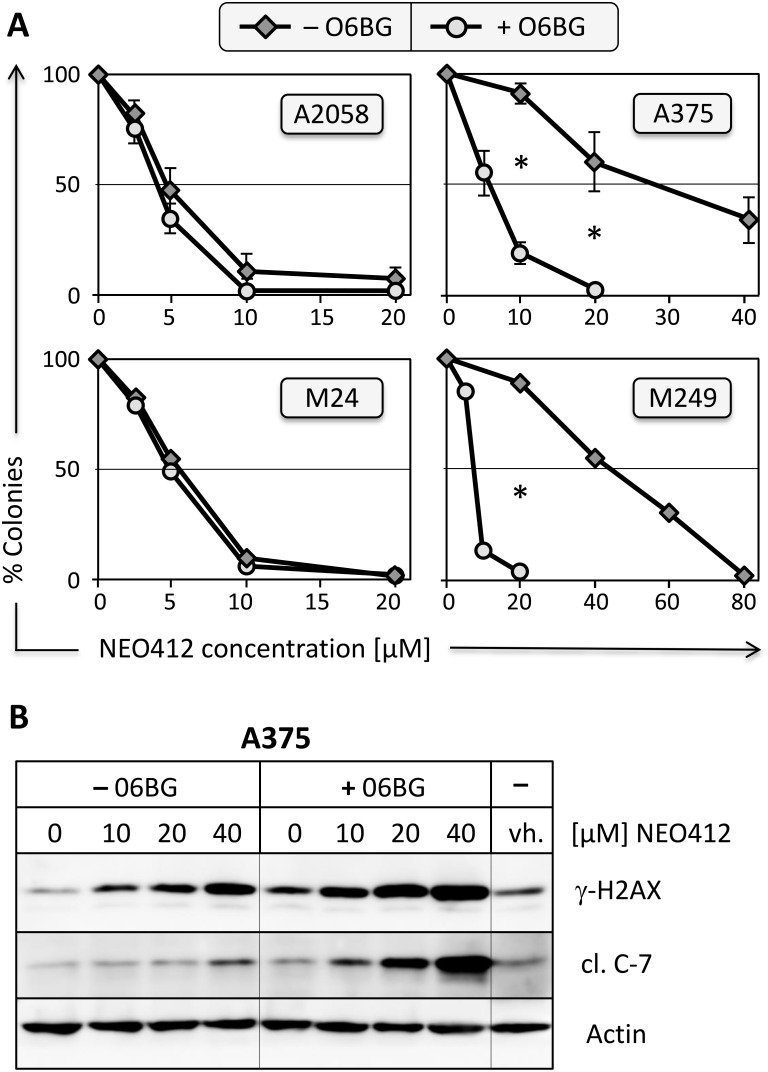
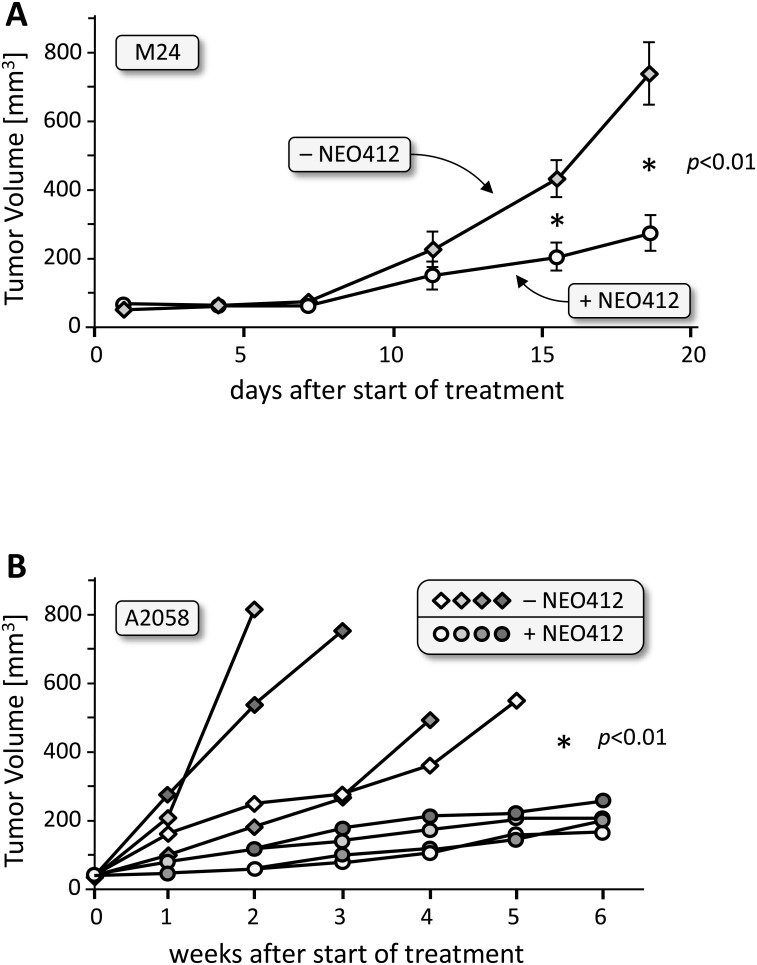
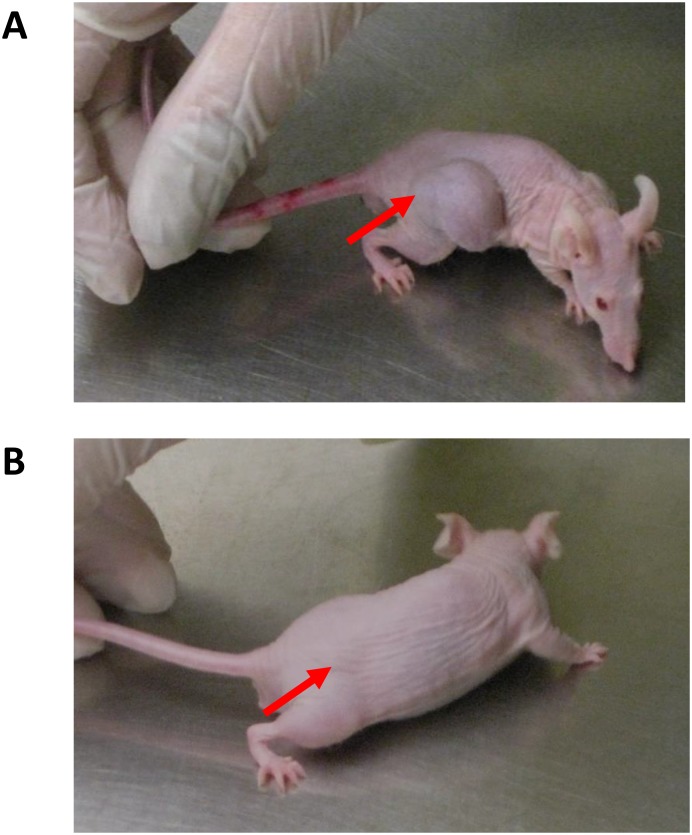
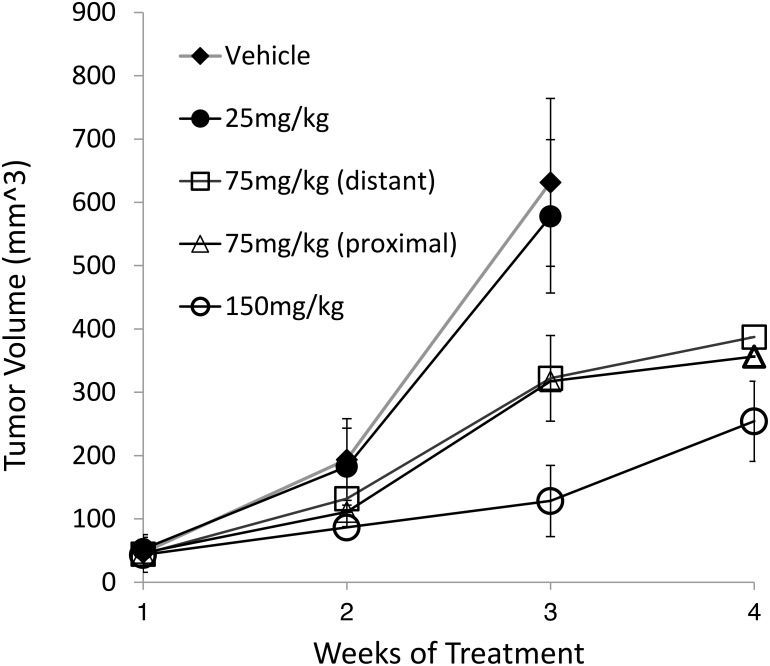
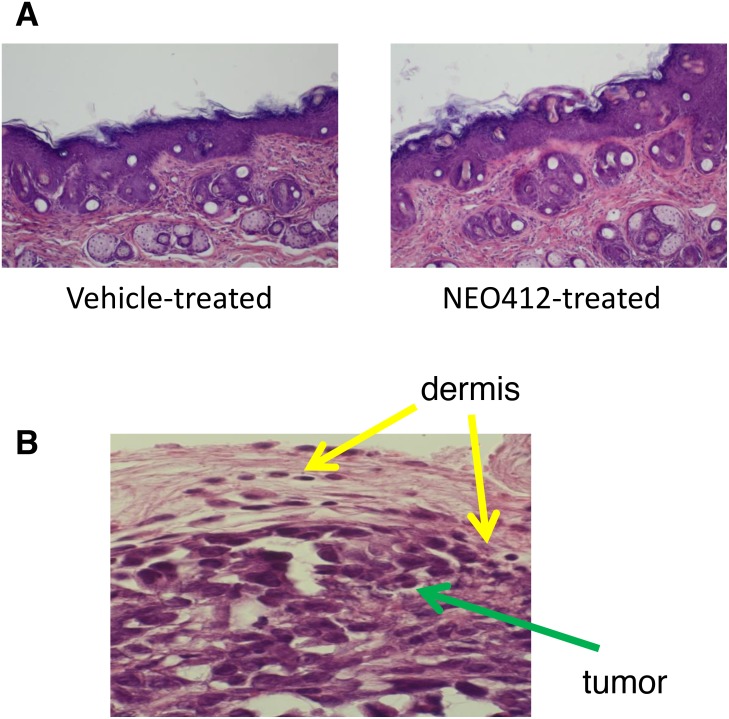
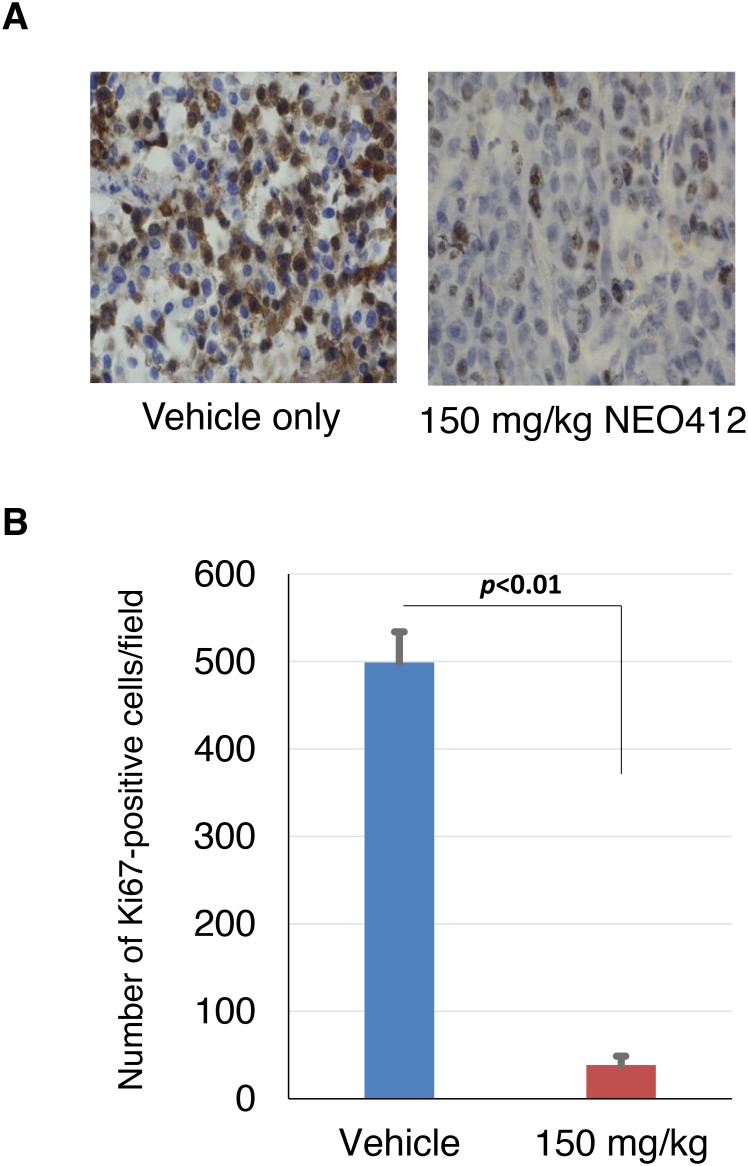
Despite new treatments introduced over the past several years, metastatic melanoma remains difficult to cure. Although melanoma (MIS) has better prognosis, it relies heavily on thorough surgical excision, where ill-defined margins can pose a challenge to successful removal, potentially leading to invasive melanoma. As well, MIS in the head and neck area can create serious aesthetic concerns with regard to the surgical defect and substantial scar formation. Toward improved treatment of localized melanoma, including the targeting of unrecognized invasive components, we have been studying a novel agent, NEO412, designed for transdermal application. NEO412 is a tripartite agent that was created by covalent conjugation of three bioactive agents: temozolomide (TMZ, an alkylating agent), perillyl alcohol (POH, a naturally occurring monoterpene with anticancer properties), and linoleic acid (LA, an omega-6 essential fatty acid). We investigated the anti-melanoma potency of NEO412 and in mouse models . The results showed that NEO412 effectively killed melanoma cells, including TMZ-resistant and BRAF mutant ones, through DNA alkylation and subsequent apoptosis. , NEO412 inhibited tumor growth when applied topically to the skin of tumor-bearing animals, and this effect involved a combination of increased tumor cell death with decreased blood vessel development. At the same time, drug-treated mice continued to thrive, and there was no apparent damage to normal skin in response to daily drug applications. Combined, our results present NEO412 as a potentially promising new treatment for cutaneous melanoma, in particular MIS, deserving of further study.
尽管在过去几年中引入了新的治疗方法,但转移性黑色素瘤仍然难以治愈。虽然黑色素瘤(MIS)预后较好,但它严重依赖于彻底的手术切除,而边界不清晰可能对成功切除构成挑战,有可能导致侵袭性黑色素瘤。此外,头颈部区域的MIS会在手术缺损和大量瘢痕形成方面引发严重的美学问题。为了改进局部黑色素瘤的治疗,包括针对未被识别的侵袭性成分,我们一直在研究一种设计用于经皮应用的新型药物NEO412。NEO412是一种三方药物,由三种生物活性剂共价结合而成:替莫唑胺(TMZ,一种烷化剂)、紫苏醇(POH,一种具有抗癌特性的天然单萜)和亚油酸(LA,一种ω-6必需脂肪酸)。我们在小鼠模型中研究了NEO412的抗黑色素瘤效力。结果表明,NEO412通过DNA烷基化和随后的凋亡有效地杀死了黑色素瘤细胞,包括对TMZ耐药和BRAF突变的细胞。此外,当将NEO412局部应用于荷瘤动物的皮肤时,它抑制了肿瘤生长,这种作用涉及肿瘤细胞死亡增加和血管生成减少的联合作用。同时,药物治疗的小鼠继续茁壮成长,并且每日用药后对正常皮肤没有明显损伤。综合来看,我们的结果表明NEO412作为一种潜在有前景的皮肤黑色素瘤新疗法,尤其是MIS,值得进一步研究。