Dept. of Pharmacology and Toxicology, College of Medicine, University of Arkansas for Medical Sciences, Little Rock, AR, USA; Interdisciplinary Biomedical Sciences Graduate Program, College of Medicine, University of Arkansas for Medical Sciences, Little Rock, AR, USA.
Dept. of Environmental and Occupational Health, Fay W. Boozman College of Public Health, University of Arkansas for Medical Sciences, Little Rock, AR, USA.
Food Chem Toxicol. 2019 Mar;125:279-288. doi: 10.1016/j.fct.2019.01.014. Epub 2019 Jan 14.
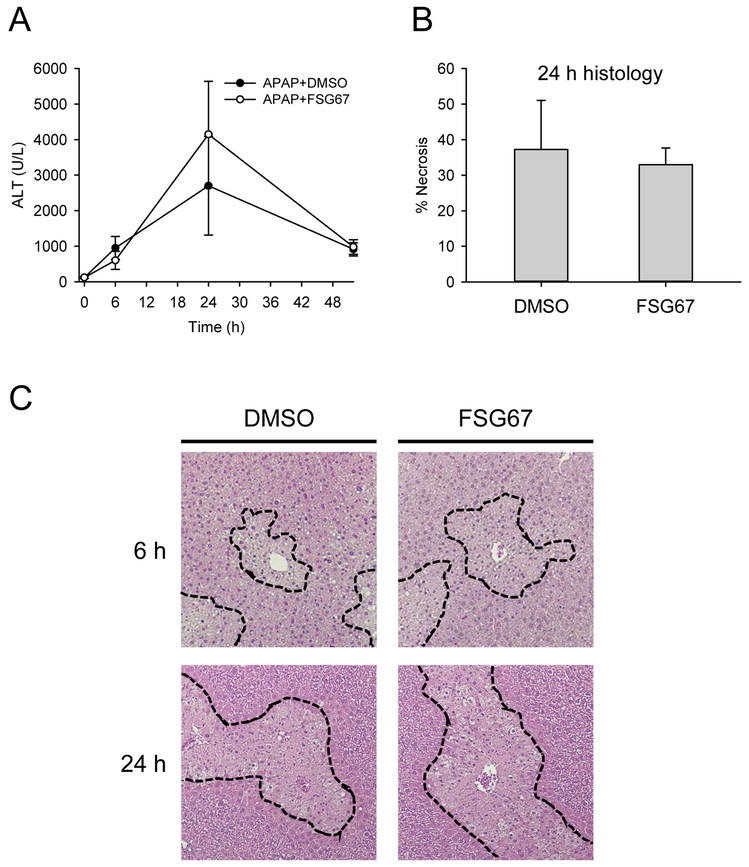
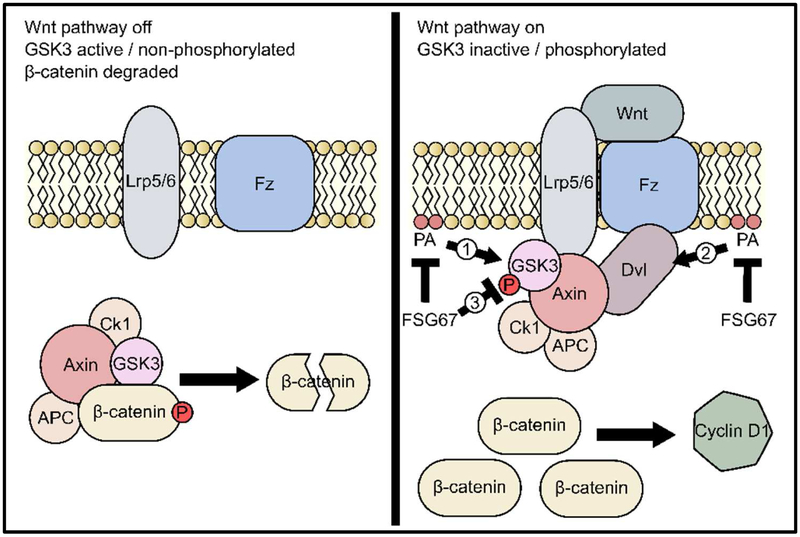
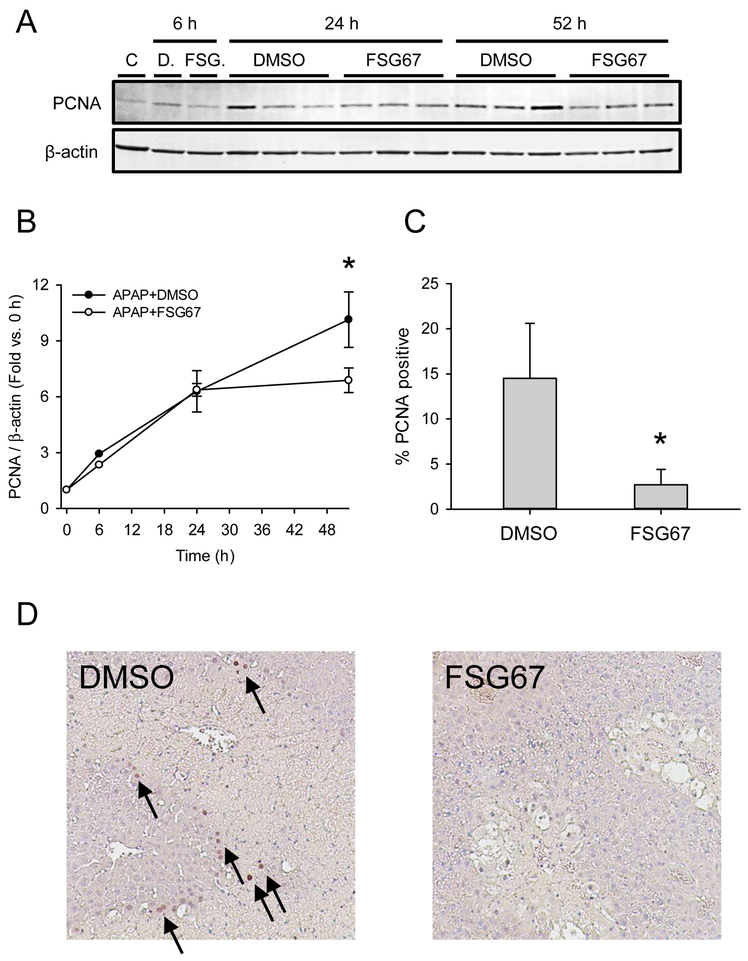
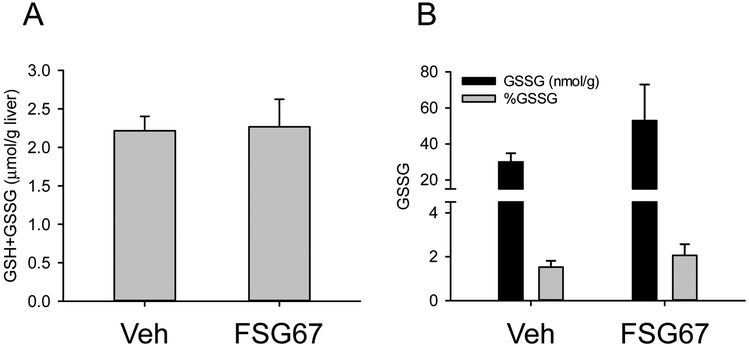
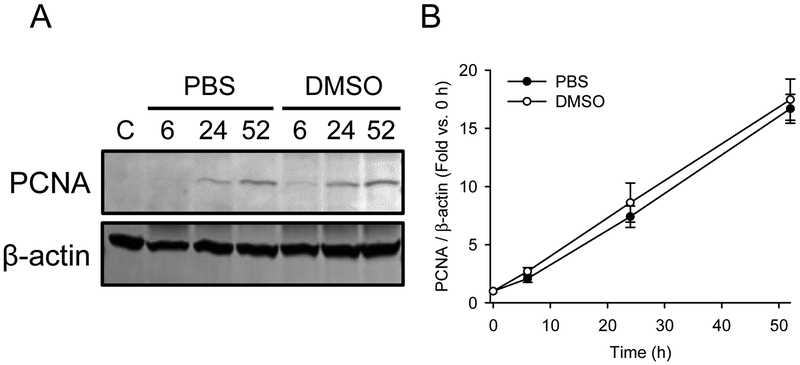
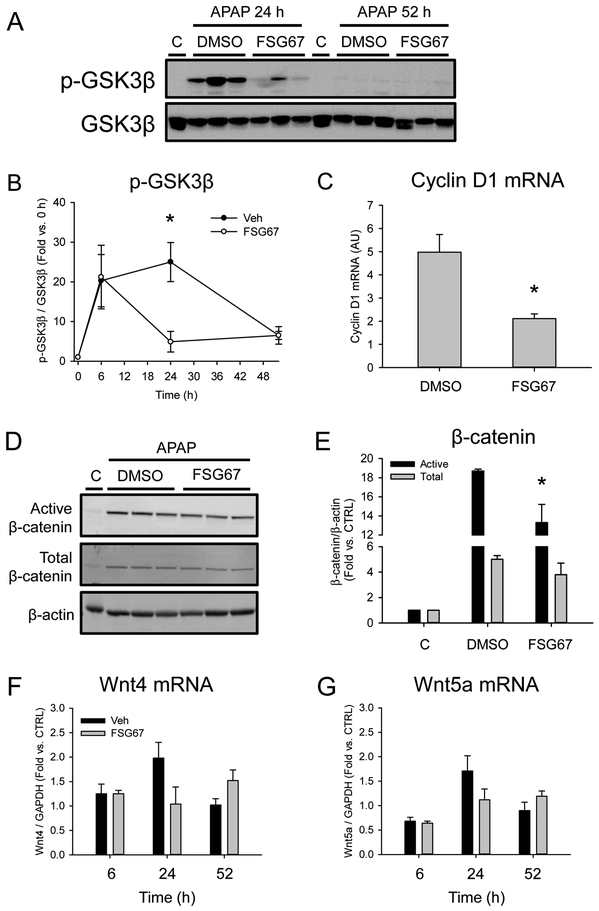
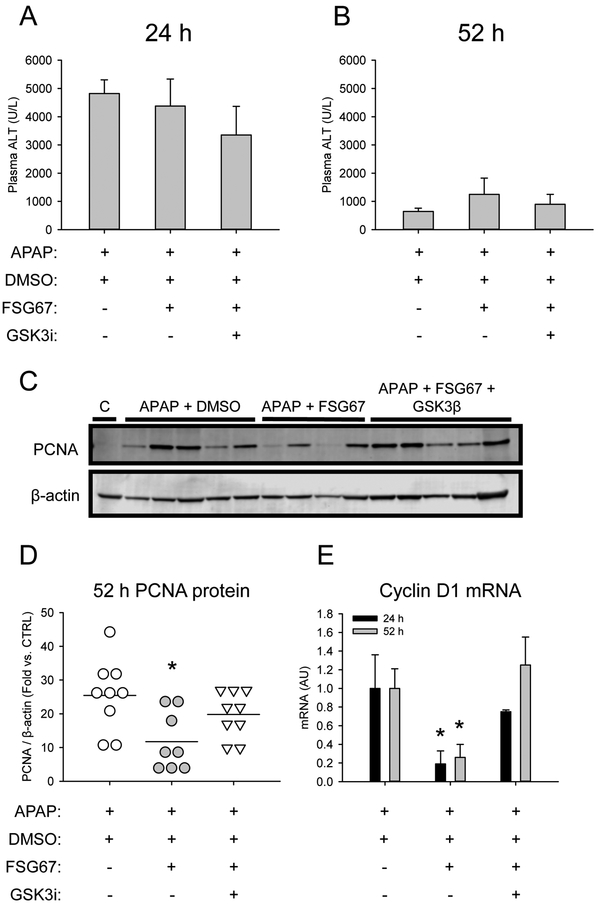
Repair mechanisms after acetaminophen (APAP) hepatotoxicity are poorly understood. We recently discovered that phosphatidic acid (PA) increases in mice and humans after APAP overdose, and is critical for liver regeneration. Here, we hypothesized that PA inhibits glycogen synthase kinase-3β (GSK3β), a component of canonical Wnt/β-catenin signaling, after APAP overdose. To test that, we treated mice with 300 mg/kg APAP at 0 h followed by vehicle or 20 mg/kg of the glycerol 3-phosphate acyltransferase inhibitor FSG67 at 3, 24 and 48 h. Some mice also received the GSK3 inhibitor L803-mts. Blood and liver were collected at multiple time points. Consistent with our earlier results, FSG67 did not affect toxicity (ALT, histology), APAP bioactivation (total glutathione), or oxidative stress (oxidized glutathione), but did reduce expression of proliferating cell nuclear antigen (PCNA) at 52 h. We then measured GSK3β phosphorylation and found it was dramatically decreased by FSG67 at 24 h, before PCNA dropped. Expression of cyclin D1, downstream of Wnt/β-catenin, was also reduced. To determine if the effect of FSG67 on GSK3β is important, we treated mice with FSG67 and L803-mts after APAP. Importantly, L803-mts rescued hepatocyte proliferation and survival. Our data indicate PA and lysoPA may support recovery after APAP overdose by inhibiting GSK3β.
在乙酰氨基酚(APAP)肝毒性后,修复机制了解甚少。我们最近发现,在 APAP 过量后,磷脂酸(PA)在小鼠和人类中增加,并且对肝再生至关重要。在这里,我们假设 PA 抑制糖原合酶激酶-3β(GSK3β),即经典 Wnt/β-catenin 信号的一个组成部分,在 APAP 过量后。为了验证这一点,我们用 300mg/kg 的 APAP 在 0 小时处理小鼠,然后在 3、24 和 48 小时用载体或 20mg/kg 的甘油 3-磷酸酰基转移酶抑制剂 FSG67 处理。一些小鼠还接受了 GSK3 抑制剂 L803-mts。在多个时间点采集血液和肝脏。与我们早期的结果一致,FSG67 不影响毒性(ALT,组织学),APAP 生物活化(总谷胱甘肽)或氧化应激(氧化谷胱甘肽),但确实减少了增殖细胞核抗原(PCNA)的表达在 52 小时。然后我们测量了 GSK3β 的磷酸化,发现 FSG67 在 24 小时时显著降低,而 PCNA 下降之前。Wnt/β-catenin 的下游 cyclin D1 的表达也减少了。为了确定 FSG67 对 GSK3β 的作用是否重要,我们在用 APAP 处理小鼠后用 FSG67 和 L803-mts 处理。重要的是,L803-mts 挽救了肝细胞的增殖和存活。我们的数据表明,PA 和溶血磷脂酸可能通过抑制 GSK3β 来支持 APAP 过量后的恢复。