University of Rochester Medical Center, Rochester, NY, USA.
Emma Children's Hospital/Academic Medical Center, Amsterdam, the Netherlands; Princess Máxima Center for Pediatric Oncology, Utrecht, the Netherlands.
Clin Oncol (R Coll Radiol). 2019 Mar;31(3):199-207. doi: 10.1016/j.clon.2019.01.002. Epub 2019 Jan 19.
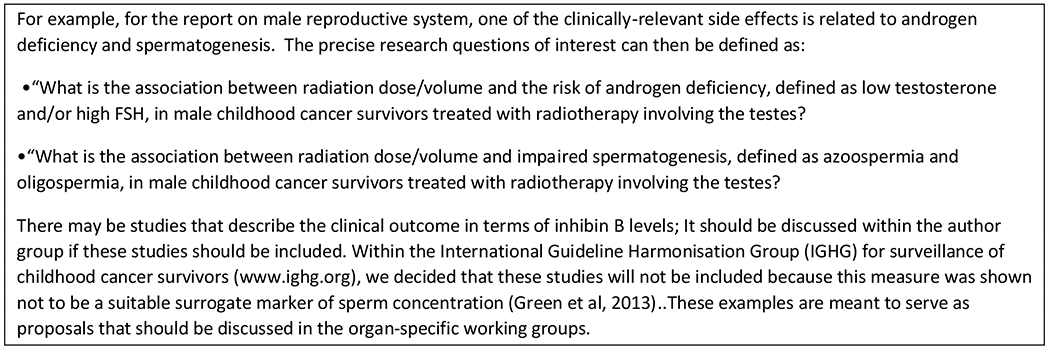
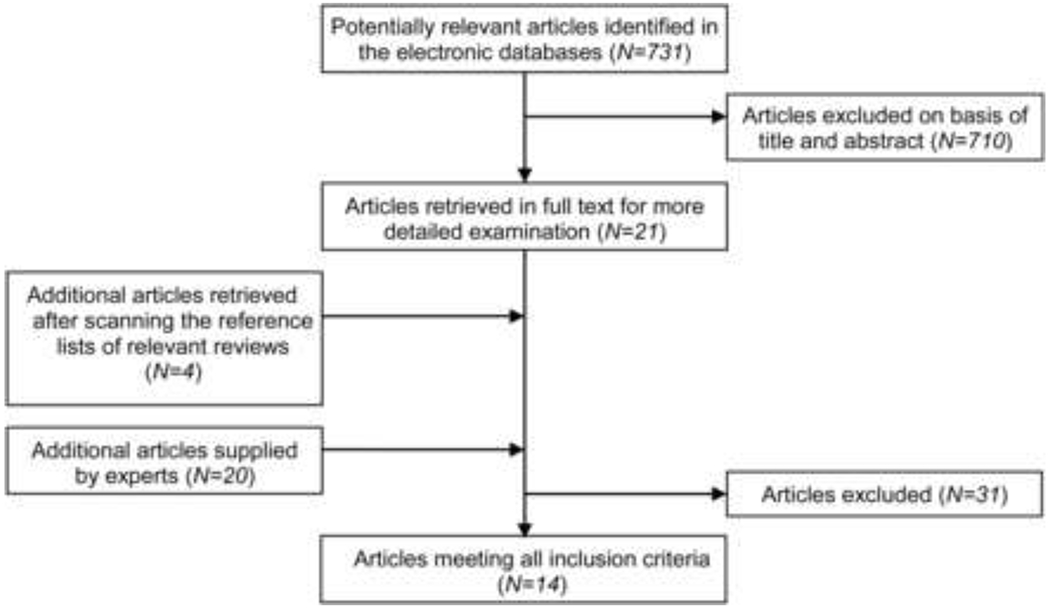
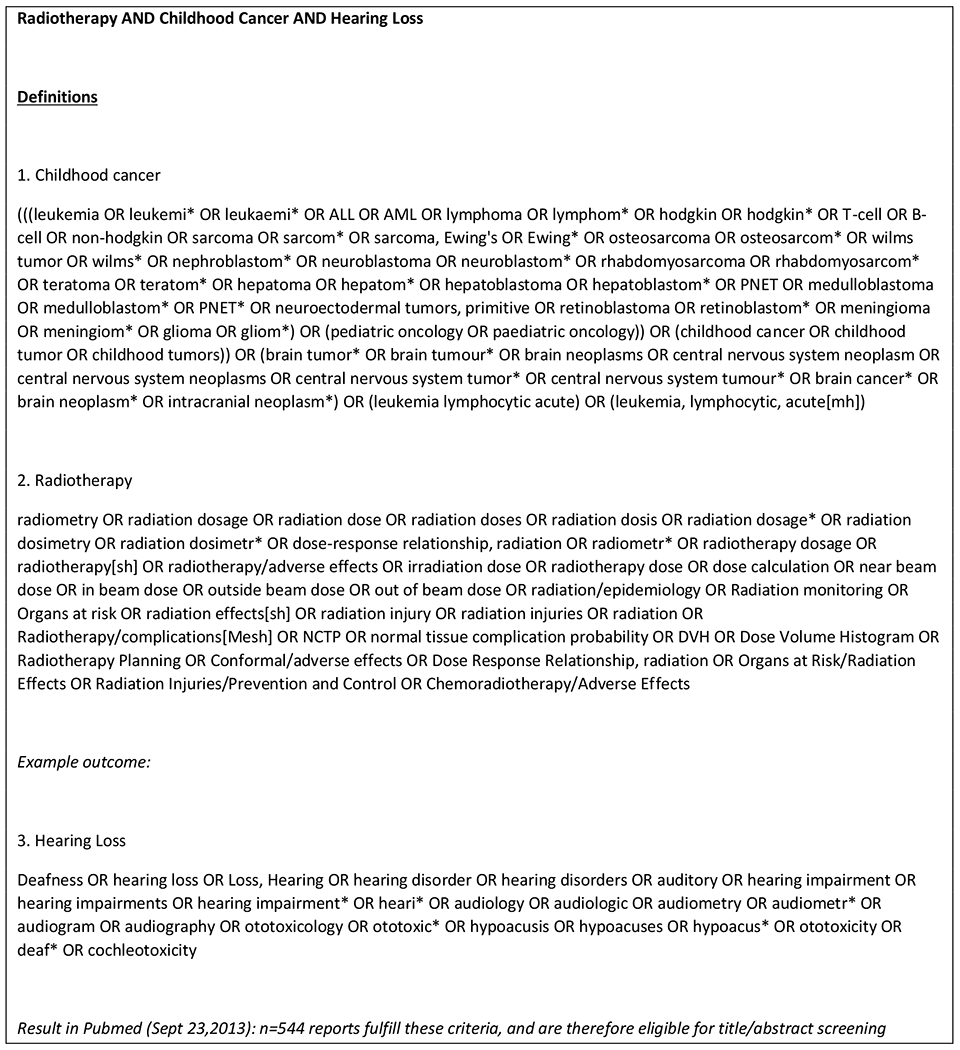
With advances in multimodality therapy, childhood cancer cure rates approach 80%. However, both radiotherapy and chemotherapy can cause debilitating or even fatal late adverse events that are critical to understand, mitigate or prevent. QUANTEC (Quantitative Analysis of Normal Tissue Effects in the Clinic) identified radiation dose constraints for normal tissues in adults and pointed out the uncertainties in those constraints. The range of adverse events seen in children is different from that in adults, in part due to the vulnerability/characteristics of radiation damage to developing tissues, and in part due to the typical body sites affected by childhood cancer that lead to collateral irradiation of somewhat different normal tissues and organs compared with adults. Many childhood cancer survivors have a long life expectancy and may develop treatment-induced secondary cancers and severe organ/tissue injury 10, 20 or more years after treatment. Collaborative long-term observational studies and clinical research programmes for survivors of paediatric and adolescent cancer provide adverse event data for follow-up periods exceeding 40 years. Data analysis is challenging due to the interaction between therapeutic and developmental variables, the lack of radiation dose-volume data and the fact that most childhood malignancies are managed with combined modality therapy. PENTEC (Pediatric Normal Tissue Effects in the Clinic) is a volunteer research collaboration of more than 150 physicians, medical physicists, mathematical modellers and epidemiologists organised into 18 organ-specific working groups conducting a critical review and synthesis of quantitative data from existing studies aiming to: (1) establish quantitative, evidence-based dose/volume/risk guidelines to inform radiation treatment planning and, in turn, improve outcomes after radiation therapy for childhood cancers; (2) explore the most relevant risk factors for toxicity, including developmental status; (3) describe specific physics and dosimetric issues relevant to paediatric radiotherapy; and (4) propose dose-volume outcome reporting standards for publications on childhood cancer therapy outcomes. The impact of other critical modifiers of normal tissue radiation damage, including chemotherapy, surgery, stem cell transplantation and underlying genetic predispositions are also considered. The aims of the PENTEC reports are to provide clinicians with an analysis of the best available data to make informed decisions regarding radiation therapy normal organ dose constraints for planning childhood cancer treatment, and to define future research priorities.
随着多模态治疗的进步,儿童癌症的治愈率接近 80%。然而,放射治疗和化学疗法都可能导致使人虚弱甚至致命的晚期不良事件,这些事件至关重要,需要加以理解、减轻或预防。QUANTEC(临床正常组织效应的定量分析)确定了成人正常组织的放射剂量限制,并指出了这些限制中的不确定性。儿童中观察到的不良事件范围与成人不同,部分原因是发育中组织的放射损伤的脆弱性/特征,部分原因是儿童癌症通常影响的身体部位导致与成人相比,对略有不同的正常组织和器官进行旁散射线照射。许多儿童癌症幸存者预期寿命较长,并且可能在治疗后 10、20 年或更长时间患上治疗引起的继发性癌症和严重的器官/组织损伤。儿科和青少年癌症幸存者的合作长期观察性研究和临床研究计划为随访期超过 40 年的不良事件数据提供了数据。由于治疗和发育变量之间的相互作用、缺乏放射剂量-体积数据以及大多数儿童恶性肿瘤采用联合模式治疗,数据分析具有挑战性。PENTEC(儿科临床正常组织效应)是一个由 150 多名医生、医学物理学家、数学建模师和流行病学家组成的志愿者研究合作组织,分为 18 个器官特异性工作组,对来自现有研究的定量数据进行批判性审查和综合,旨在:(1) 建立定量的、基于证据的剂量/体积/风险指南,为放射治疗计划提供信息,并由此改善儿童癌症放射治疗后的结果;(2) 探索毒性的最相关危险因素,包括发育状况;(3) 描述与儿科放射治疗相关的具体物理和剂量学问题;(4) 提出儿童癌症治疗结果出版物的剂量-体积结果报告标准。其他正常组织放射损伤的关键修饰物的影响,包括化疗、手术、干细胞移植和潜在的遗传易感性也在考虑之中。PENTEC 报告的目的是为临床医生提供对最佳可用数据的分析,以便就儿童癌症治疗计划的放射治疗正常器官剂量限制做出明智的决策,并确定未来的研究重点。