Plant Genomics Lab, Center of Excellence in Molecular Biology, University of the Punjab, 87-West Canal Bank Road Thokar Niaz Baig, Lahore, 53700, Pakistan.
Department of Molecular Biology and Genetics, Aarhus University, Forsøgsvej 1, Slagelse, Denmark.
Sci Rep. 2019 Jan 23;9(1):396. doi: 10.1038/s41598-018-35891-6.
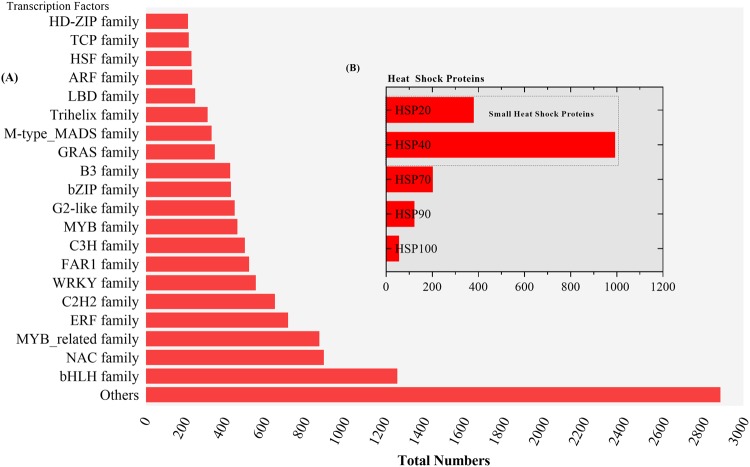
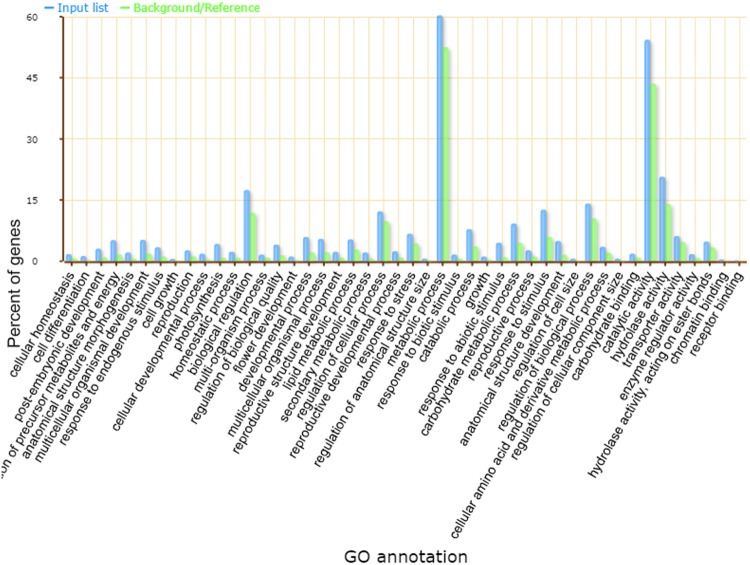
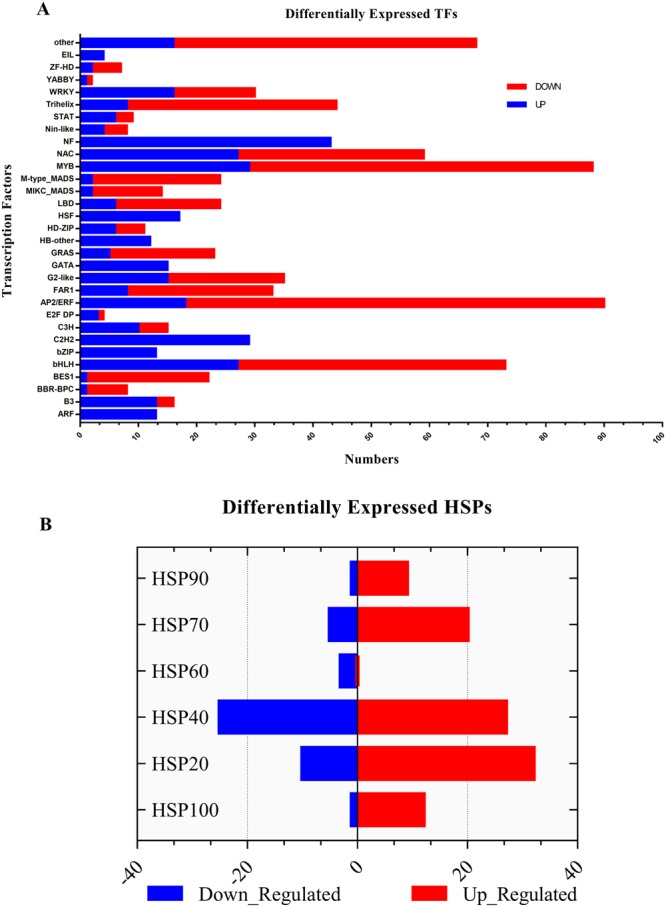
Agave, monocotyledonous succulent plants, is endemic to arid regions of North America, exhibiting exceptional tolerance to their xeric environments. They employ various strategies to overcome environmental constraints, such as crassulacean acid metabolism, wax depositions, and protective leaf morphology. Genomic resources of Agave species have received little attention irrespective of their cultural, economic and ecological importance, which so far prevented the understanding of the molecular bases underlying their adaptations to the arid environment. In this study, we aimed to elucidate molecular mechanism(s) using transcriptome sequencing of A. sisalana. A de novo approach was applied to assemble paired-end reads. The expression study unveiled 3,095 differentially expressed unigenes between well-irrigated and drought-stressed leaf samples. Gene ontology and KEGG analysis specified a significant number of abiotic stress responsive genes and pathways involved in processes like hormonal responses, antioxidant activity, response to stress stimuli, wax biosynthesis, and ROS metabolism. We also identified transcripts belonging to several families harboring important drought-responsive genes. Our study provides the first insight into the genomic structure of A. sisalana underlying adaptations to drought stress, thus providing diverse genetic resources for drought tolerance breeding research.
龙舌兰,单子叶肉质植物,是北美干旱地区的特有植物,对其干旱环境表现出非凡的耐受性。它们采用各种策略来克服环境限制,如景天酸代谢、蜡质沉积和保护性叶片形态。尽管龙舌兰物种具有文化、经济和生态重要性,但它们的基因组资源却很少受到关注,这使得人们无法了解其适应干旱环境的分子基础。在这项研究中,我们旨在使用 A. sisalana 的转录组测序来阐明分子机制。我们应用从头组装方法来组装成对的末端读取。表达研究揭示了在充分灌溉和干旱胁迫叶片样本之间有 3095 个差异表达的基因。GO 和 KEGG 分析指定了大量非生物胁迫响应基因和途径,这些基因和途径参与了激素反应、抗氧化活性、应激刺激反应、蜡质生物合成和 ROS 代谢等过程。我们还鉴定了属于几个家族的转录本,这些家族包含了重要的耐旱响应基因。我们的研究首次揭示了 A. sisalana 对干旱胁迫适应的基因组结构,从而为耐旱性育种研究提供了多样化的遗传资源。