1 Departments of Medical Laboratory Science and Biotechnology and Urology, Sex Hormone Research Center, China Medical University and Hospital, Taichung.
2 Department of Urology, Taichung Tzu Chi Hospital, Buddhist Tzu Chi Medical Foundation, Taichung.
Cell Transplant. 2019 Mar;28(3):296-305. doi: 10.1177/0963689718822773. Epub 2019 Jan 24.
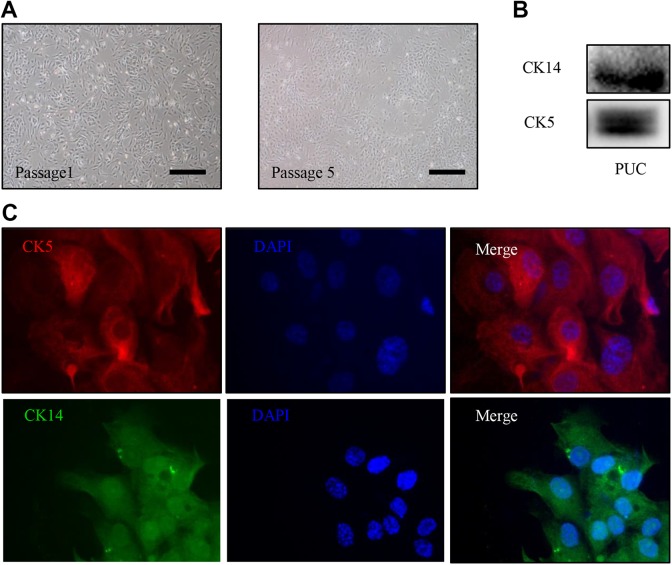
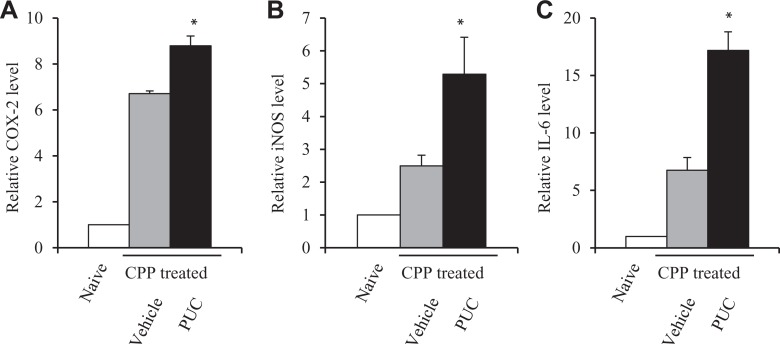
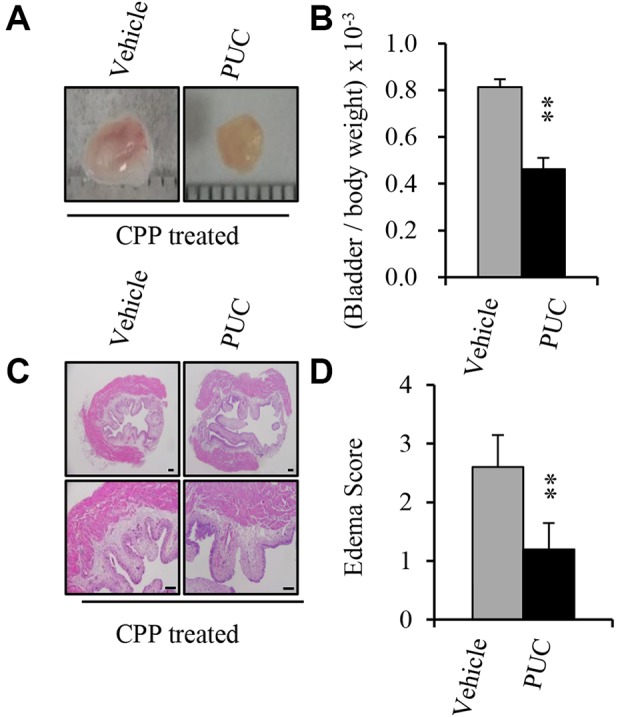
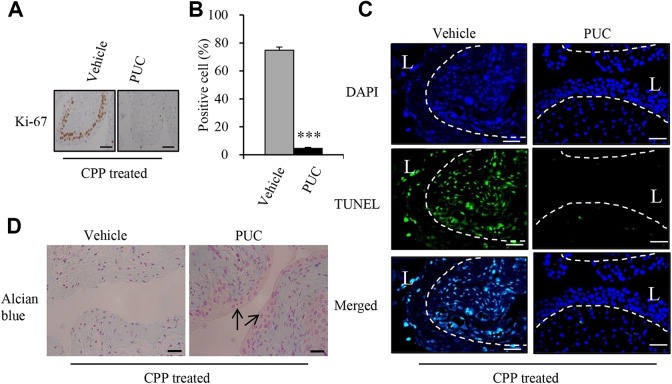
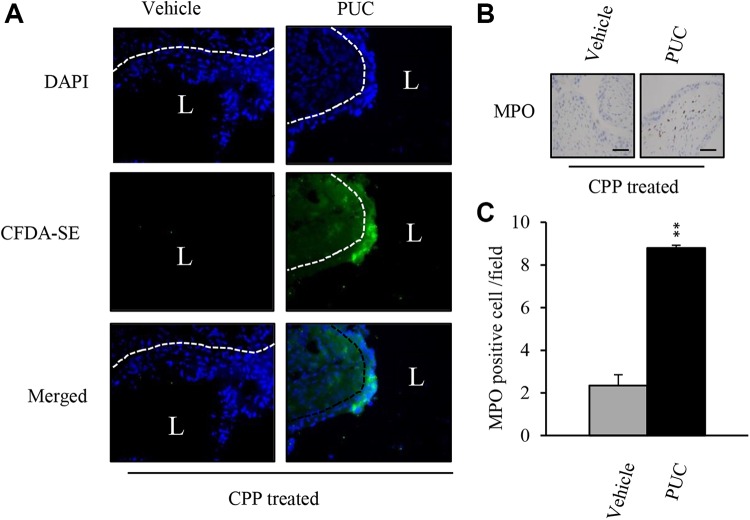
The urothelium of the bladder, renal pelvis, ureter and urethra is maintained through the regulated proliferation and differentiation of urothelial stem and progenitor cells. These cells provide a rich source of a novel urothelial cell therapy approach that could be used to protect, regenerate, repair and restore a damaged urothelium. Urothelial injury caused by physical, chemical and microbial stress is the pathological basis of cystitis (bladder inflammation). The loss of urothelial integrity triggers a series of inflammatory events, resulting in pain and hematuria such as hemorrhage cystitis and interstitial cystitis. Here we investigate a novel cell therapy strategy to treat cystitis by protecting the urothelium from detrimental stresses through intravesically instilling porcine urothelial cells (PUCs) into the bladder. Using a chemical-induced urothelial injury mouse model of cyclophosphamide (CPP)-induced hemorrhagic cystitis, we determined how the intravesical instillation of PUCs could protect the urothelium from toxic attack from CPP metabolites. We show that intravesical PUC instillation protected the bladder from toxic chemical attack in mice receiving CPP with reduced inflammation and edema. Compared with the vehicle control mice, the proliferative response to chemical injury and apoptotic cells within the bladder tissues were reduced by intravesical PUC treatment. Furthermore, the urothelium integrity was maintained in the intravesical PUC-treated group. After xenogeneic PUCs were introduced and adhered to the mouse urothelium, immunological rejection responses were observed with increased neutrophil infiltration in the lamina propria and higher immune-related gene expression. Our findings provide an innovative and promising intravesical PUC cell therapy for cystitis with urothelial injury by protecting the urothelium from noxious agents.
膀胱、肾盂、输尿管和尿道的尿路上皮通过调节尿路上皮干细胞和祖细胞的增殖和分化来维持。这些细胞为一种新的尿路上皮细胞治疗方法提供了丰富的来源,该方法可用于保护、再生、修复和恢复受损的尿路上皮。物理、化学和微生物应激引起的尿路上皮损伤是膀胱炎(膀胱炎症)的病理基础。尿路上皮完整性的丧失引发一系列炎症事件,导致疼痛和血尿,如出血性膀胱炎和间质性膀胱炎。在这里,我们通过向膀胱内注入猪尿路上皮细胞(PUC)来研究一种新的细胞治疗策略,以保护尿路上皮免受有害应激,从而治疗膀胱炎。我们使用化学诱导的尿路上皮损伤模型,即环磷酰胺(CPP)诱导的出血性膀胱炎,确定了向膀胱内注入 PUC 如何保护尿路上皮免受 CPP 代谢物的毒性攻击。我们发现,向膀胱内注入 PUC 可保护膀胱免受 CPP 毒性化学攻击,减少炎症和水肿。与载体对照组相比,膀胱组织中化学损伤的增殖反应和凋亡细胞减少。此外,膀胱内 PUC 治疗组维持了尿路上皮的完整性。当异种 PUC 被引入并粘附在小鼠尿路上皮上时,观察到免疫排斥反应,固有层中中性粒细胞浸润增加,免疫相关基因表达升高。我们的研究结果为尿路上皮损伤的膀胱炎提供了一种创新且有前景的经膀胱 PUC 细胞治疗方法,通过保护尿路上皮免受有害制剂的侵害。