Center for Environmental Biology and Ecosystem Studies, National Institute for Environmental Studies, Onogawa, Tsukuba, Ibaraki, Japan.
Department of Biological Sciences, Graduate School of Science, University of Tokyo, Hongo, Bunkyo-ku, Tokyo, Japan.
PLoS One. 2019 Jan 24;14(1):e0210986. doi: 10.1371/journal.pone.0210986. eCollection 2019.
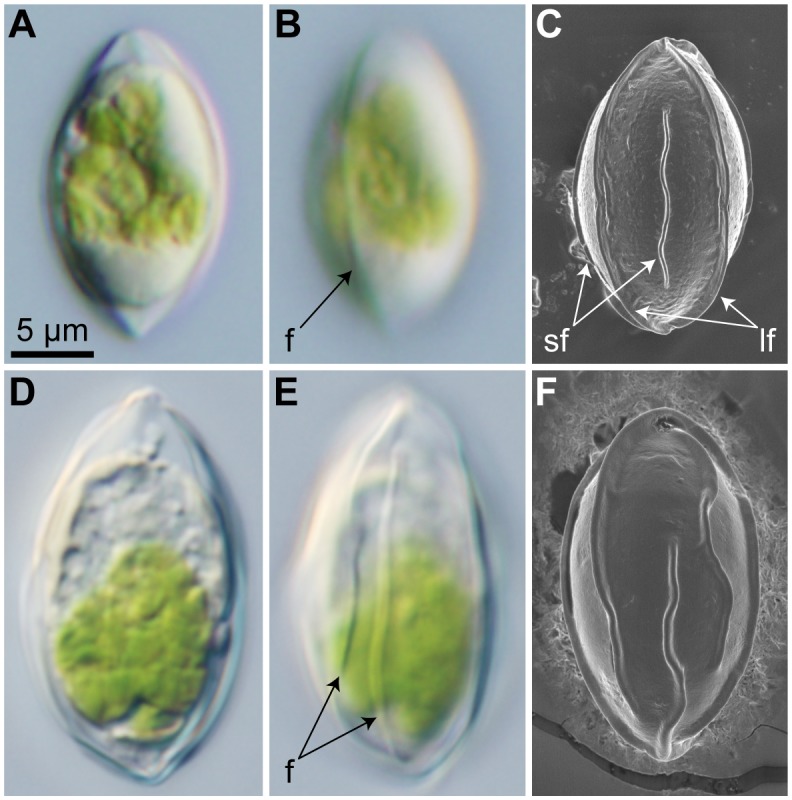
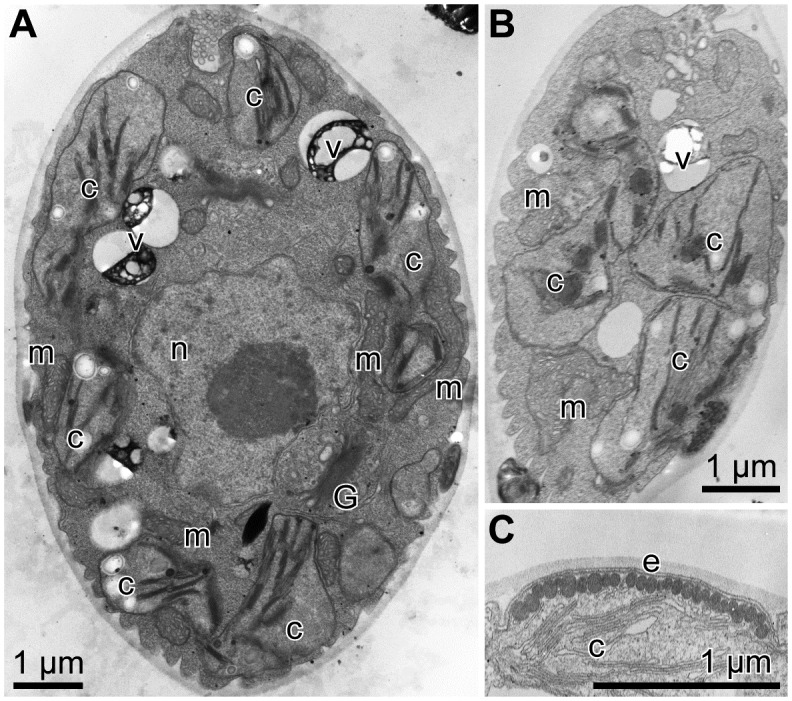
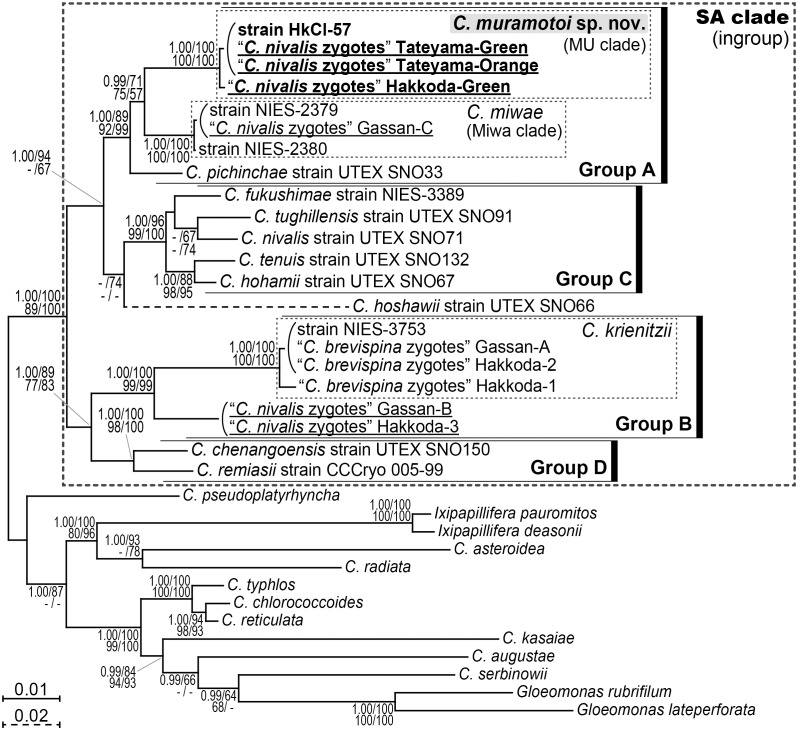
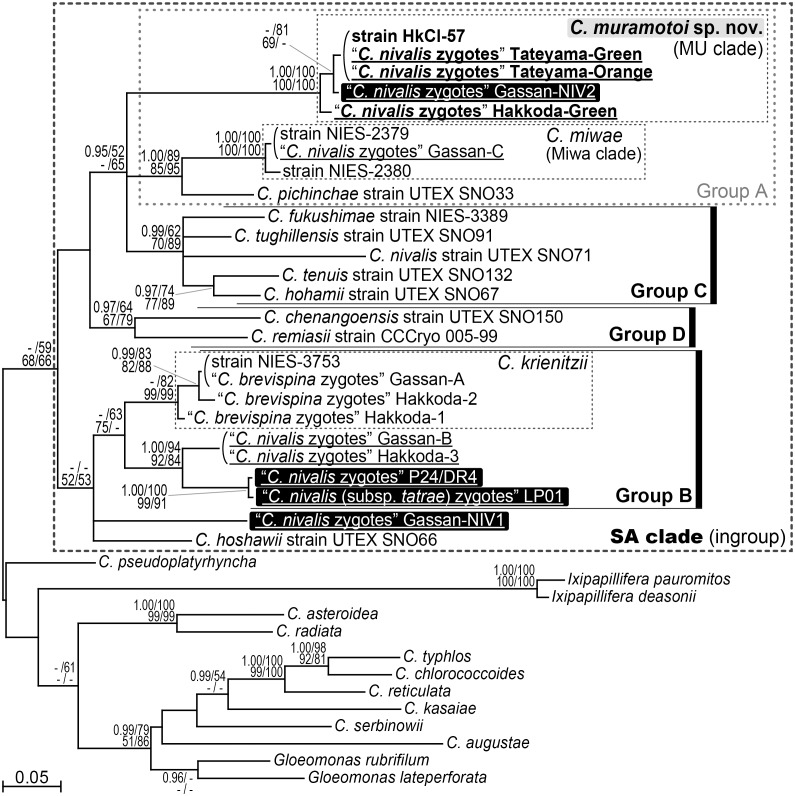
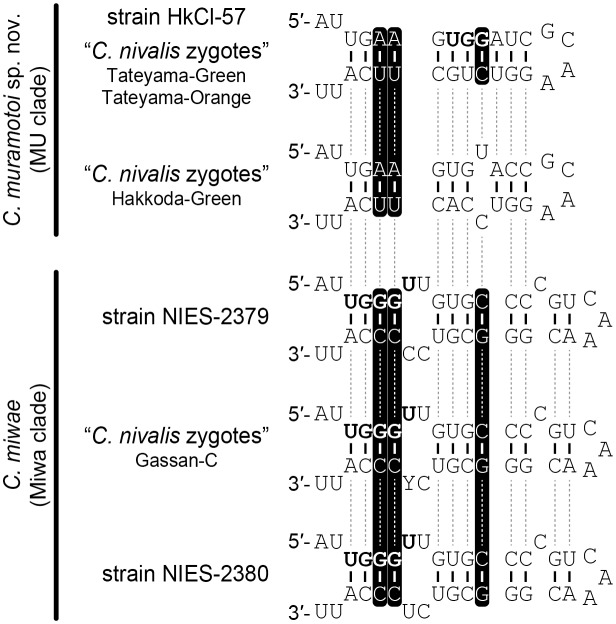
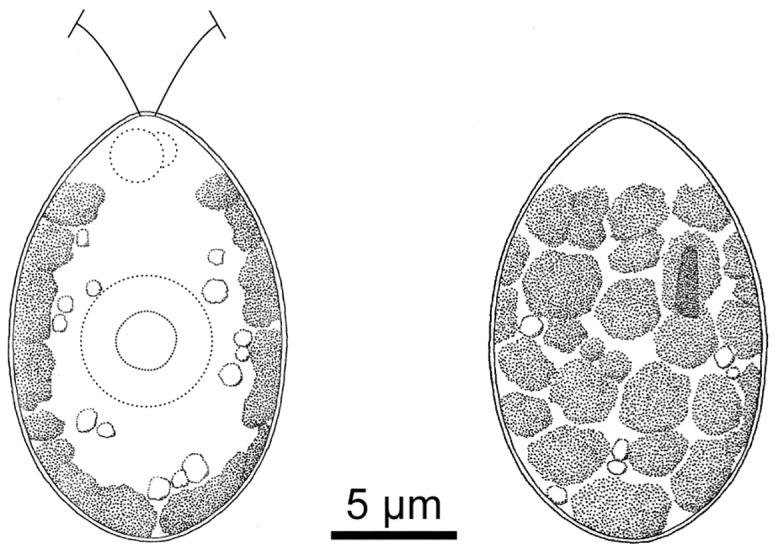
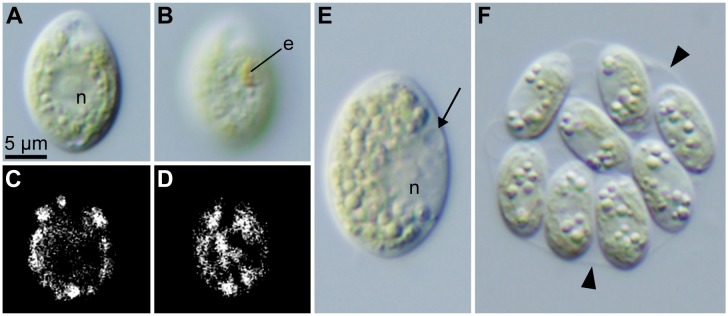
Recent molecular data has strongly suggested that field-collected cysts of snow algae that are morphologically identifiable as the zygotes of Chloromonas nivalis are composed of multiple species. Motile vegetative cells, however, have not been directly obtained from these cysts because of the difficulties involved in inducing their germination. Recently, our comparative molecular analyses, using both field-collected and cultured materials, demonstrated that one Japanese lineage of "C. nivalis zygotes" belongs to C. miwae. Herein, we examined another Japanese lineage of field-collected "C. nivalis zygotes" and a new strain originating from Japan. Our molecular data demonstrated that these two different life cycle stages are conspecific, and that they represent a new species that we herein describe as C. muramotoi sp. nov., based on the vegetative and asexual morphological characteristics of the strain. Multigene phylogenetic analyses showed that this new species was sister to C. miwae. Scanning electron microscopy demonstrated that the cysts of C. muramotoi are different from those of C. miwae, based on the arrangement of the flanges developing on the cell wall.
最近的分子数据强烈表明,形态上可识别为雪衣藻合子的野外采集的雪藻包囊由多个物种组成。然而,由于难以诱导其萌发,尚未从这些包囊中直接获得游动营养细胞。最近,我们使用野外采集和培养的材料进行的比较分子分析表明,一种日本“雪衣藻合子”谱系属于 C. miwae。在此,我们研究了另一种日本野外采集的“雪衣藻合子”谱系和一种源自日本的新菌株。我们的分子数据表明,这两个不同的生活史阶段是同种的,它们代表了一个新物种,我们根据该菌株的营养和无性形态特征将其描述为 C. muramotoi sp. nov.。多基因系统发育分析表明,这个新物种与 C. miwae 是姐妹群。扫描电子显微镜显示,C. muramotoi 的包囊与 C. miwae 的包囊不同,这是基于细胞壁上发育的凸缘的排列方式。