Zillioux Jacqueline M, Krupski Tracey L
Department of Urology, University of Virginia, Charlottesville, VA, USA,
Robot Surg. 2017 Jul 14;4:69-76. doi: 10.2147/RSRR.S115239. eCollection 2017.
Positioning injuries are a known surgical complication and can result in significant patient morbidity. Studies have shown a small but significant number of neurovascular injuries associated with minimally invasive surgery, due to both patient and case-specific factors. We sought to review the available literature in regards to pathophysiological and practical recommendations.
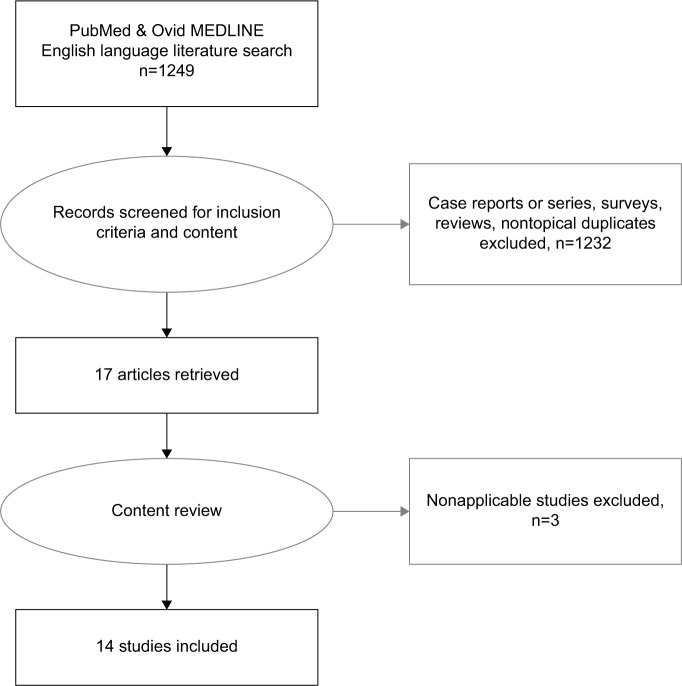
A literature search was conducted and categorized by level of evidence, with emphasis on prospective studies. The result comprised 14 studies, which were summarized and analyzed with respect to our study objectives.
While incidence of positioning injury has been identified in up to one-third of prospective populations, its true prevalence after surgery is likely 2%-5%. The mechanism is thought to be intraneural disruption from stretching or pressure, which results in decreased perfusion. On a larger scale, this vascular compromise can lead to ischemia and rhabdomyolysis. Prevention hinges on addressing patient modifiable factors such as body mass index, judicious positioning with appropriate devices, and intraoperative team awareness consisting of recurrent extremity checks and time management.
The risk for positioning injuries is underappreciated. Surgeons who perform minimally invasive surgery should discuss the potential for these complications with their patients, and operative teams should take steps to minimize risk factors.
体位性损伤是一种已知的手术并发症,可导致患者出现严重的发病情况。研究表明,由于患者个体因素和具体病例因素,微创手术会导致少量但数量可观的神经血管损伤。我们试图回顾有关病理生理学和实用建议的现有文献。
进行文献检索并按证据级别分类,重点关注前瞻性研究。结果包括14项研究,并根据我们的研究目标进行了总结和分析。
虽然在多达三分之一的前瞻性研究人群中已发现体位性损伤的发生率,但其术后的实际患病率可能为2%-5%。其机制被认为是神经内拉伸或受压导致的神经中断,从而导致灌注减少。从更大范围来看,这种血管损伤可导致缺血和横纹肌溶解。预防措施取决于解决患者可改变的因素,如体重指数、使用适当设备进行合理体位摆放,以及术中团队的意识,包括反复检查肢体和时间管理。
体位性损伤的风险未得到充分重视。进行微创手术的外科医生应与患者讨论这些并发症的可能性,手术团队应采取措施将风险因素降至最低。