Department of Oral Biology, The Maurice and Gabriela Goldschleger School of Dental Medicine, Sackler Faculty of Medicine, Tel Aviv University, Tel Aviv, Israel.
Department of Occupational Therapy, The Stanley Steyer School of Health Professions, Sackler Faculty of Medicine, Tel Aviv University, Tel Aviv, Israel.
PLoS One. 2019 Feb 1;14(2):e0211639. doi: 10.1371/journal.pone.0211639. eCollection 2019.
Traditionally, the acquisition of manual skills in most dental schools worldwide is based on exercises on plastic teeth placed in a "phantom head simulator". No manual trainings are done at home. Studies revealed that preliminary training of one motoric task leads to significant improvement in performance of the required motoric task that has similar components. Performing tasks indirectly via a dental mirror are complicated for the young dental students. We hypothesized that instructed training of basic skills required in dentistry at home on a tool simulating the phantom laboratory will improve the capabilities of the students and will be reflected by their clinical grades.
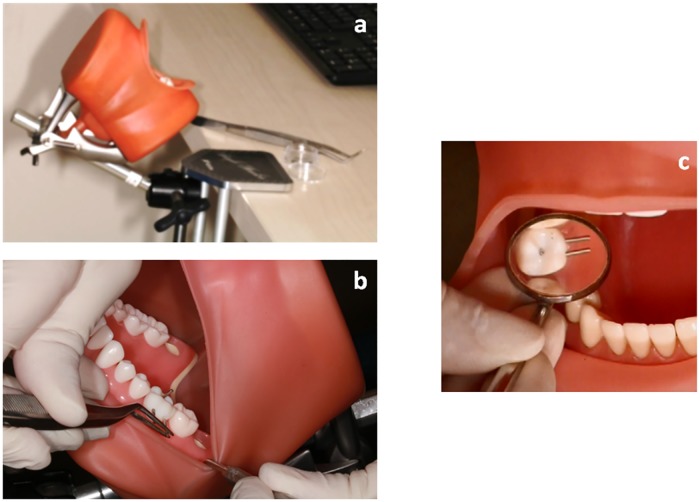
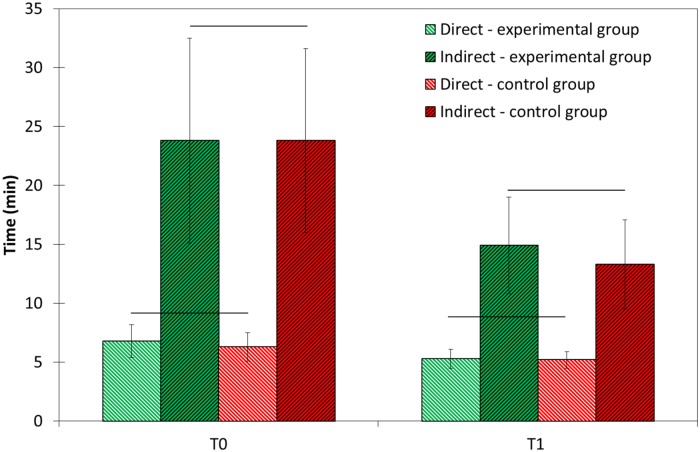
We developed a portable tool PhantHome which is composed of jaws, gingival tissue, rubber cover and a compatible stand. Specific teeth produced by a 3D printer with drills in different directions were placed in both jaws. Students were requested to insert pins by using tweezers and dental mirror according to instructions initiating with easy tasks and continue to ones that are more complicated. 106 first clinical year dental students participated in the study; 65 trained only in the traditional phantom lab (control). 41 trained at home by the PhantHome tool two weeks before and 2 months during the initial stage of phantom lab. The students grades routinely provided in the phantom laboratory at different stages were compared.
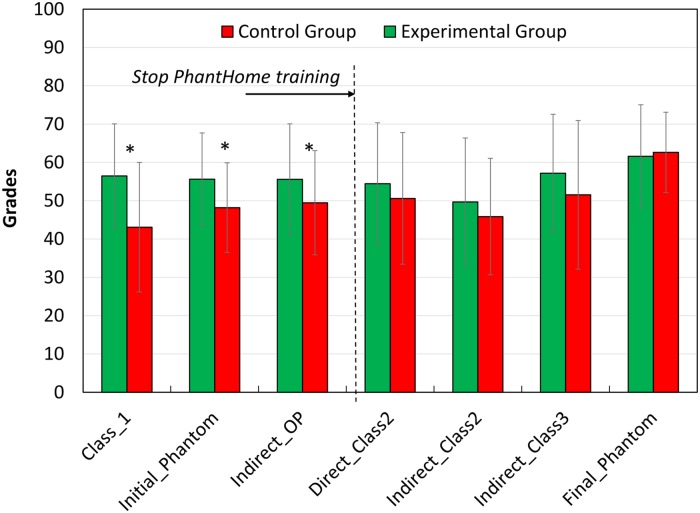
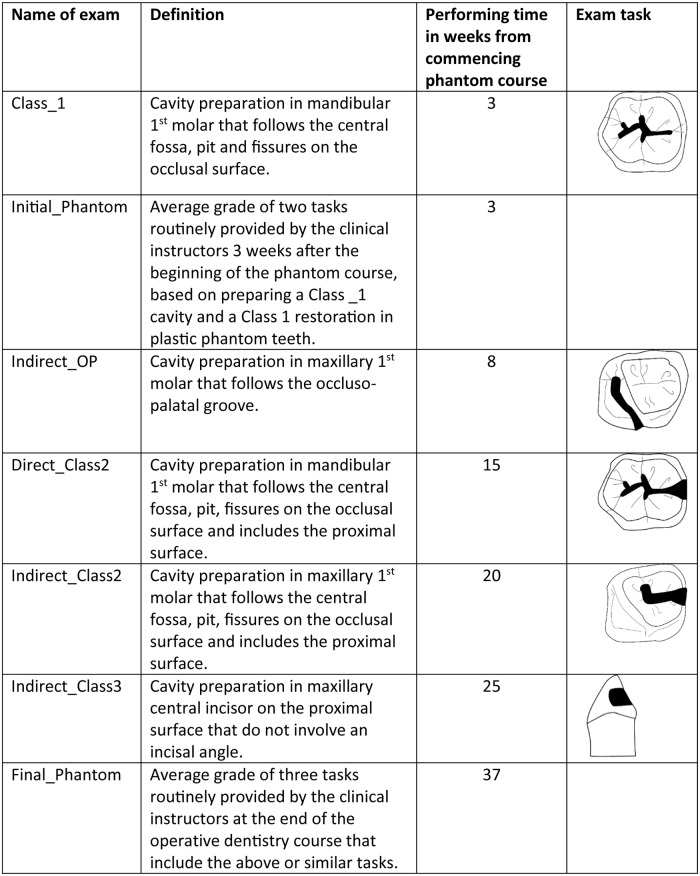
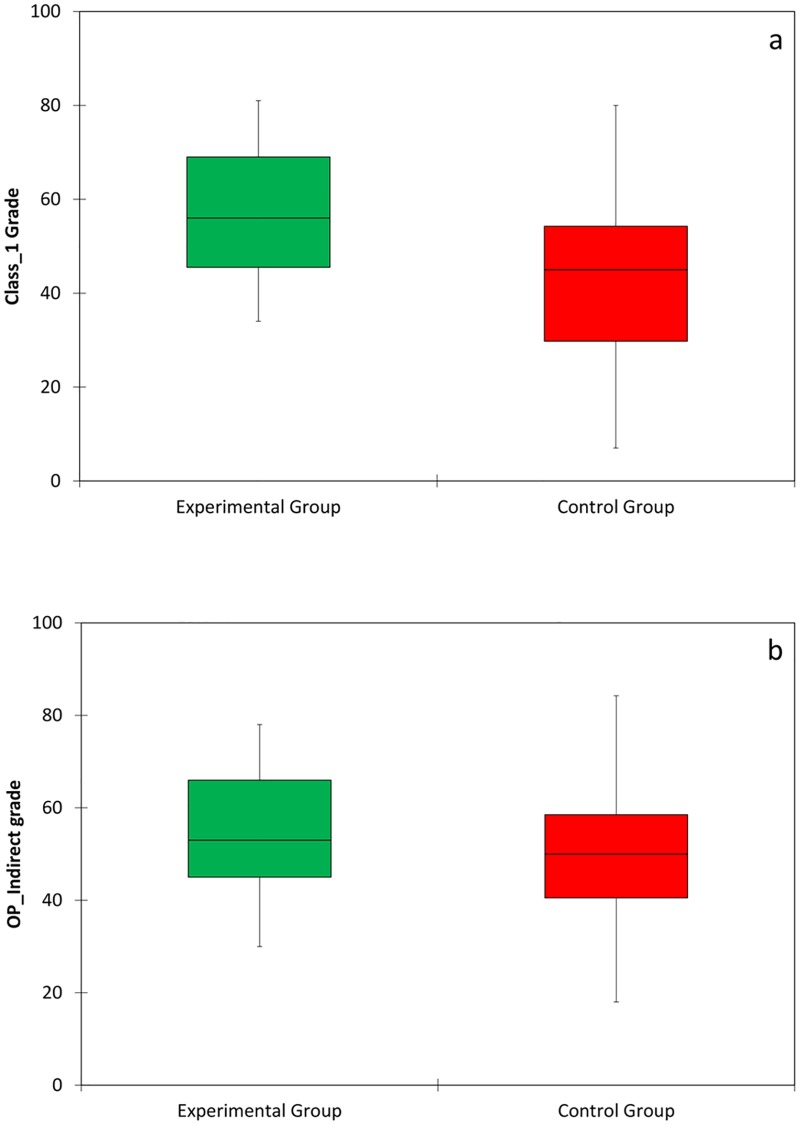
Students who trained with the portable tool performed better than the control group in the first direct and second indirect preparations (p<0.05). These exams were taken when the PhantHome was available to the students. Then, the tool was returned and the phantom course continued regularly. We believe that this is why no differences between the grades of the groups were observed further on.
Training by the PhantHome improves motor skills and consequently the clinical performances.
传统上,全球大多数牙科学院的手工技能获取都是基于在“仿头模拟器”上进行塑料牙齿练习。学生在家中不进行任何手动训练。研究表明,初步训练一项运动任务会显著提高具有相似成分的所需运动任务的表现。对于年轻的牙科学生来说,通过牙科镜间接执行任务很复杂。我们假设,在家中使用模拟实验室的工具对牙科所需的基本技能进行指导训练,将提高学生的能力,并反映在他们的临床成绩上。
我们开发了一种名为 PhantHome 的便携式工具,它由颌骨、牙龈组织、橡胶盖和一个兼容的支架组成。通过不同方向的钻头制作的特定牙齿被放置在两个颌骨中。学生们被要求根据指示用镊子和牙科镜插入别针,从简单的任务开始,然后继续更复杂的任务。106 名第一临床年牙科学生参加了这项研究;65 名学生仅在传统的仿头实验室(对照组)接受培训。41 名学生在仿头实验室初始阶段的前两周和两个月在家中使用 PhantHome 工具进行培训。比较了不同阶段在传统仿头实验室提供的学生成绩。
使用便携式工具进行培训的学生在第一次直接和第二次间接准备方面的表现优于对照组(p<0.05)。这些考试是在学生可以使用 PhantHome 时进行的。然后,将工具收回,并按常规继续进行仿头课程。我们认为这就是为什么进一步观察到两组之间的成绩没有差异的原因。
通过 PhantHome 进行训练可以提高运动技能,从而提高临床表现。