Siljander Sanna, Keinänen Pasi, Ivanova Anastasia, Lehmonen Jani, Tuukkanen Sampo, Kanerva Mikko, Björkqvist Tomas
Faculty of Engineering and Natural Sciences, Tampere University, P.O. Box 589, 33101 Tampere, Finland.
Department of Design, Aalto University, P.O. Box 31000, 00076 Aalto, Finland.
Materials (Basel). 2019 Jan 31;12(3):430. doi: 10.3390/ma12030430.
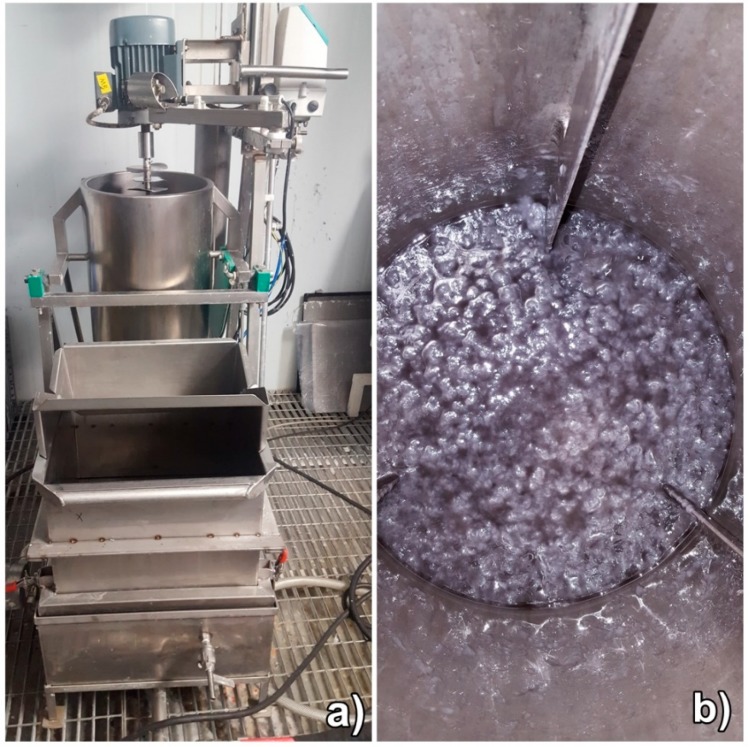
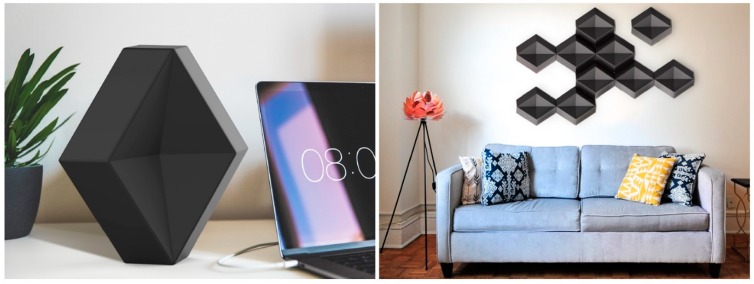
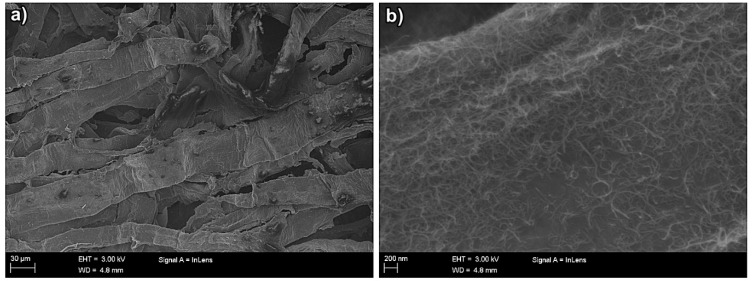
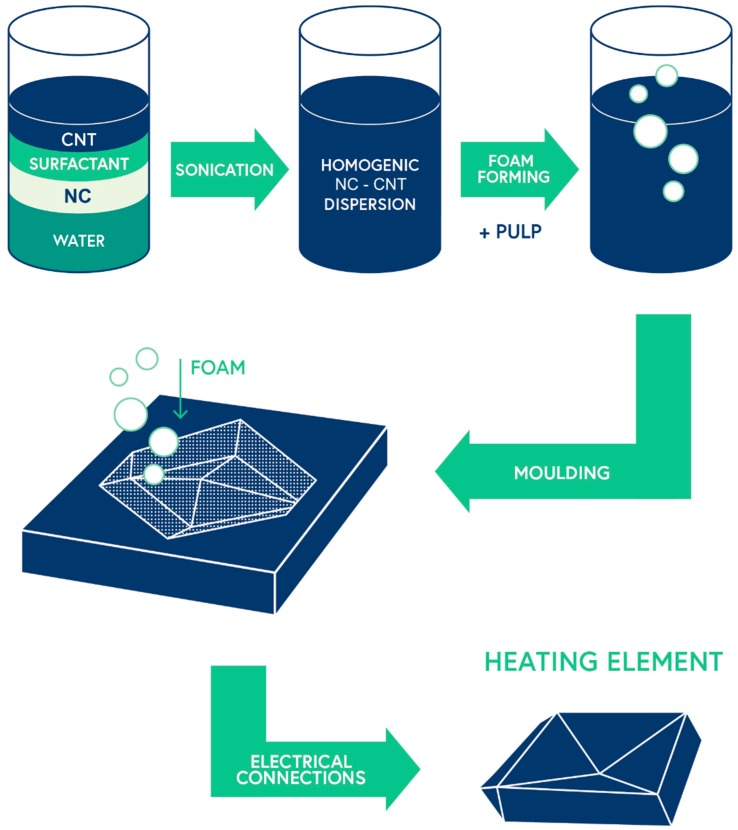
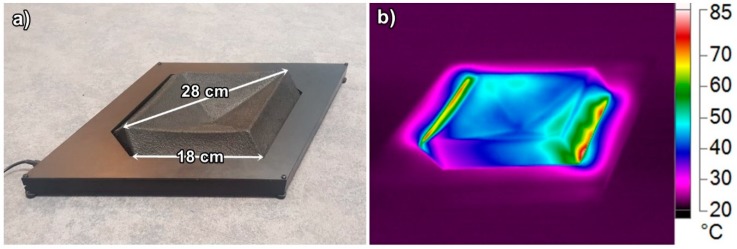
In this article, we introduce for the first time, a method to manufacture cellulose based electrically conductive non-woven three-dimensional (3D) structures using the foam forming technology. The manufacturing is carried out using a minimum amount of processing steps, materials, and hazardous chemicals. The optimized solution applies a single surfactant type and a single predefined portion for the two main processing steps: (1) the dispersing of nanocellulose (NC) and carbon nanotubes (CNT) and (2) the foam forming process. The final material system has a concentration of the used surfactant that is not only sufficient to form a stable and homogeneous nanoparticle dispersion, but it also results in stable foam in foam forming. In this way, the advantages of the foam forming process can be maximized for this application. The cellulose based composite material has a highly even distribution of CNTs over the NC network, resulting a conductivity level of 7.7 S/m, which increased to the value 8.0 S/m after surfactant removal by acetone washing. Also, the applicability and a design product case 'Salmiakki' were studied where the advantages of the material system were validated for a heating element application.
在本文中,我们首次介绍了一种利用泡沫成型技术制造基于纤维素的导电非织造三维(3D)结构的方法。该制造过程采用最少的加工步骤、材料和有害化学物质。优化后的解决方案在两个主要加工步骤中应用单一类型的表面活性剂和单一预定义用量:(1)纳米纤维素(NC)和碳纳米管(CNT)的分散,以及(2)泡沫成型过程。最终的材料体系中所用表面活性剂的浓度不仅足以形成稳定且均匀的纳米颗粒分散体,而且在泡沫成型过程中还能产生稳定的泡沫。通过这种方式,泡沫成型工艺的优势在该应用中得以最大化。基于纤维素的复合材料中,碳纳米管在纳米纤维素网络上分布高度均匀,电导率达到7.7 S/m,经丙酮洗涤去除表面活性剂后,电导率提高到8.0 S/m。此外,还研究了该材料体系的适用性以及一个名为“Salmiakki”的设计产品案例,其中材料体系在加热元件应用中的优势得到了验证。