Department of Molecular Biology and Microbiology, Tufts University School of Medicine, Boston, Massachusetts, United States of America.
Graduate Program in Molecular Microbiology, Sackler School of Graduate Biomedical Sciences, Tufts University, Boston, Massachusetts, United States of America.
PLoS Pathog. 2019 Feb 4;15(2):e1007591. doi: 10.1371/journal.ppat.1007591. eCollection 2019 Feb.
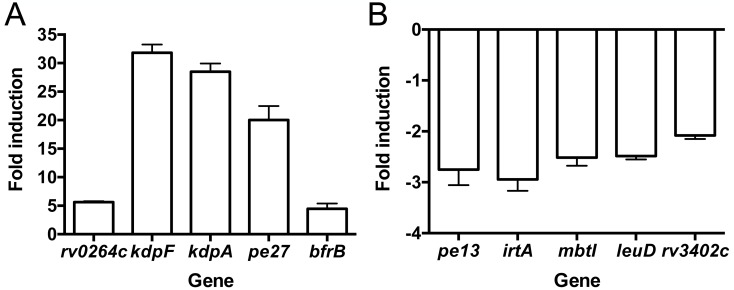
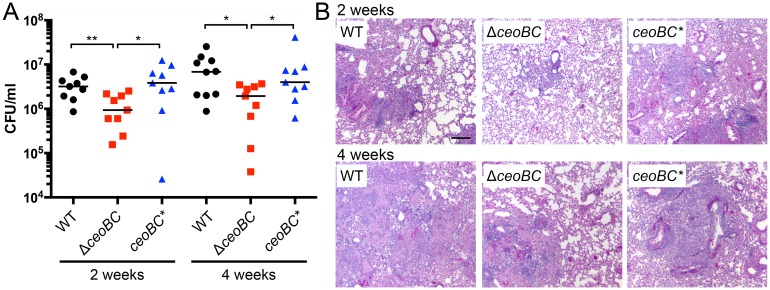
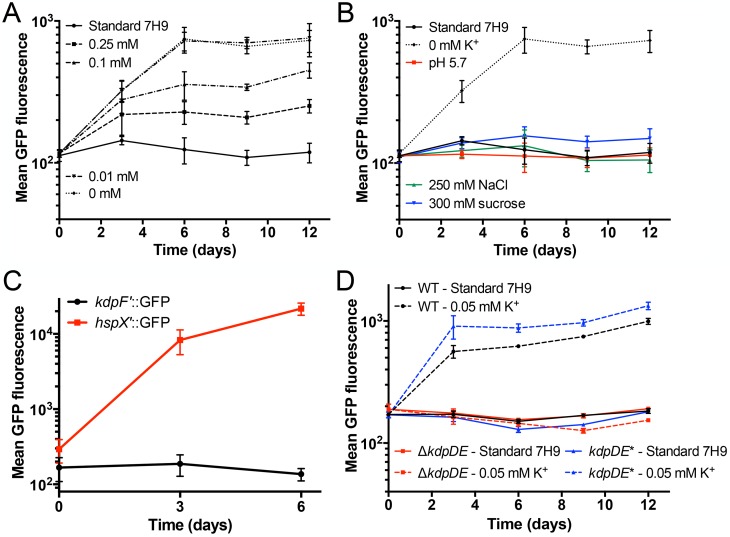
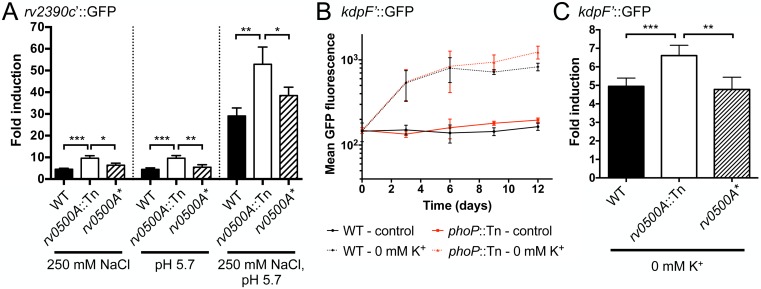
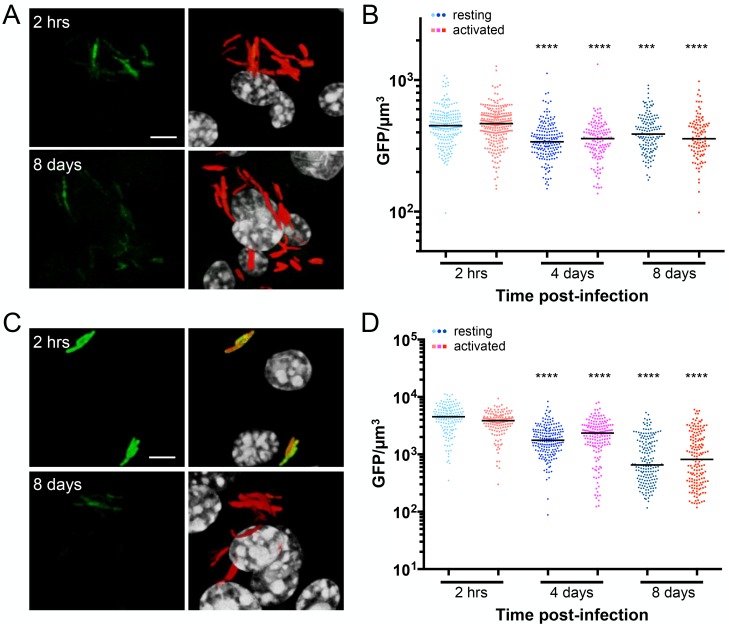
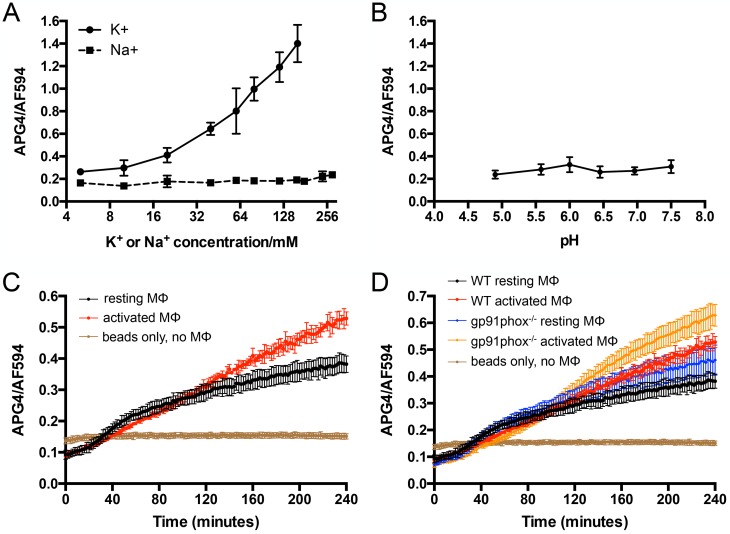
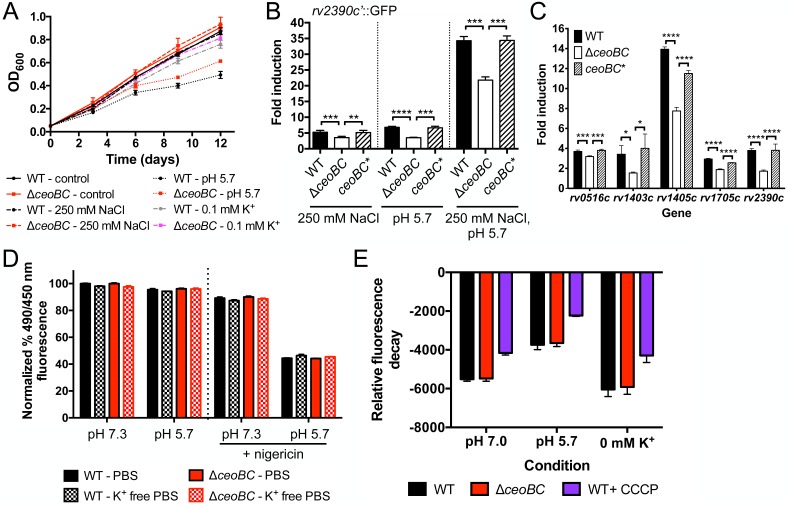
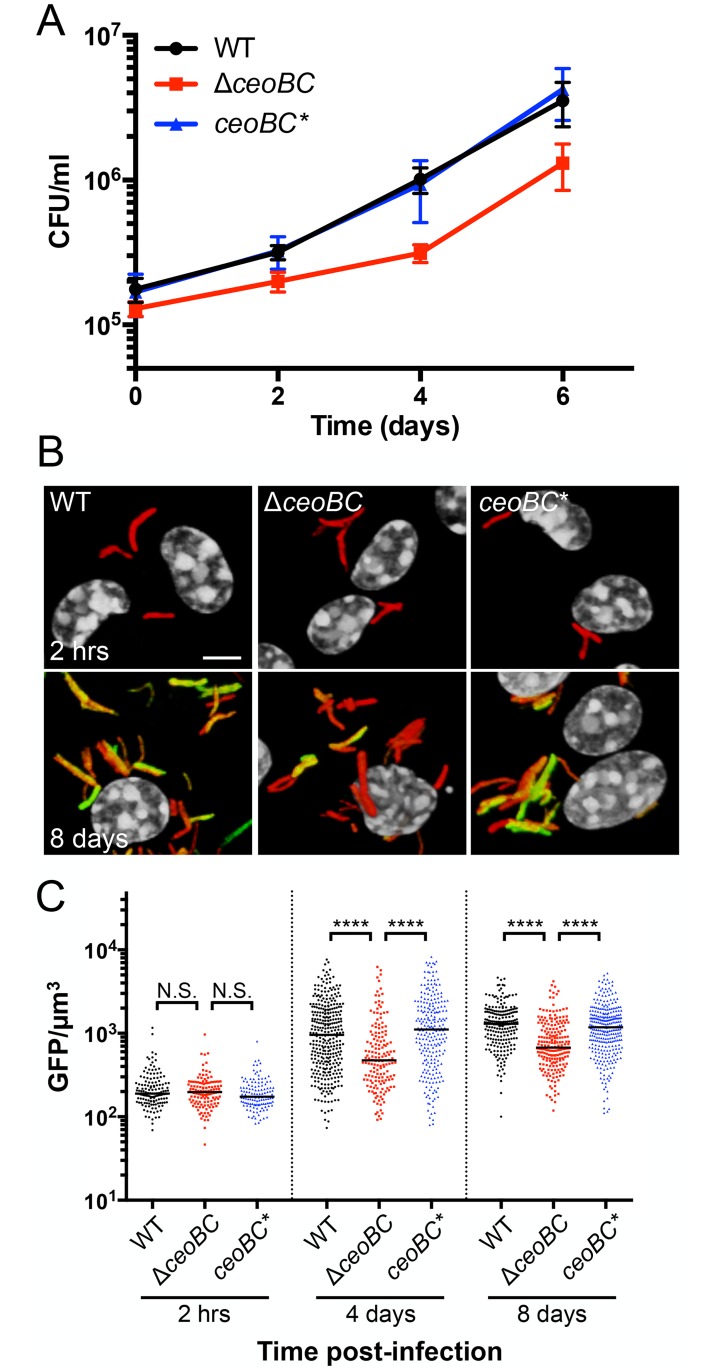
Successful host colonization by bacteria requires sensing and response to the local ionic milieu, and coordination of responses with the maintenance of ionic homeostasis in the face of changing conditions. We previously discovered that Mycobacterium tuberculosis (Mtb) responds synergistically to chloride (Cl-) and pH, as cues to the immune status of its host. This raised the intriguing concept of abundant ions as important environmental signals, and we have now uncovered potassium (K+) as an ion that can significantly impact colonization by Mtb. The bacterium has a unique transcriptional response to changes in environmental K+ levels, with both distinct and shared regulatory mechanisms controlling Mtb response to the ionic signals of K+, Cl-, and pH. We demonstrate that intraphagosomal K+ levels increase during macrophage phagosome maturation, and find using a novel fluorescent K+-responsive reporter Mtb strain that K+ is not limiting during macrophage infection. Disruption of Mtb K+ homeostasis by deletion of the Trk K+ uptake system results in dampening of the bacterial response to pH and Cl-, and attenuation in host colonization, both in primary murine bone marrow-derived macrophages and in vivo in a murine model of Mtb infection. Our study reveals how bacterial ionic homeostasis can impact environmental ionic responses, and highlights the important role that abundant ions can play during host colonization by Mtb.
细菌要成功定植宿主,就必须感知和响应局部离子环境,并在面对不断变化的条件时,协调响应以维持离子内环境稳态。我们之前发现,结核分枝杆菌(Mycobacterium tuberculosis,Mtb)会协同响应氯离子(Cl-)和 pH 值,将其作为宿主免疫状态的线索。这就提出了一个有趣的概念,即大量离子是重要的环境信号,而我们现在发现钾(K+)离子是一个可以显著影响 Mtb 定植的离子。细菌对环境 K+水平的变化有独特的转录响应,控制 Mtb 对 K+、Cl-和 pH 离子信号响应的调控机制既有区别又有联系。我们证明,在巨噬细胞吞噬体成熟过程中,吞噬体内的 K+水平会增加,并且使用一种新型的荧光 K+响应报告菌株发现,在巨噬细胞感染期间,K+并不受限制。Trk K+摄取系统缺失导致 Mtb 的 K+稳态失调,会使细菌对 pH 和 Cl-的响应减弱,从而在原发性鼠骨髓来源的巨噬细胞中和 Mtb 感染的小鼠模型中,宿主定植能力减弱。我们的研究揭示了细菌离子内环境稳态如何影响环境离子响应,并强调了大量离子在 Mtb 宿主定植过程中可以发挥的重要作用。