Ragusa Andrea, Centonze Carla, Grasso Maria E, Latronico Maria F, Mastrangelo Pier F, Sparascio Federica, Maffia Michele
Department of Engineering for Innovation, University of Salento, via Monteroni, 73100 Lecce, Italy.
CNR Nanotec, Institute of Nanotechnology, via Monteroni, 73100 Lecce, Italy.
Foods. 2019 Feb 1;8(2):45. doi: 10.3390/foods8020045.
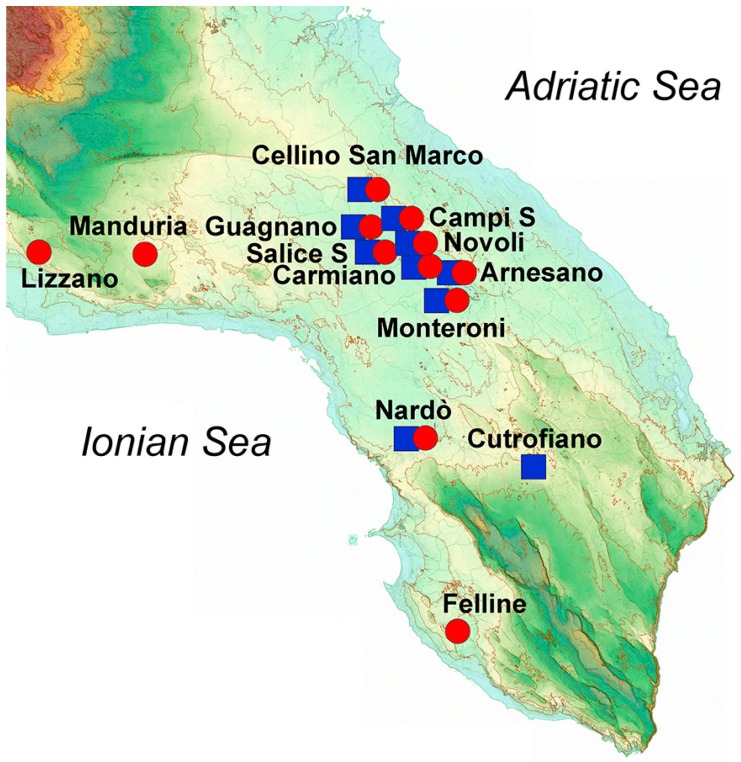
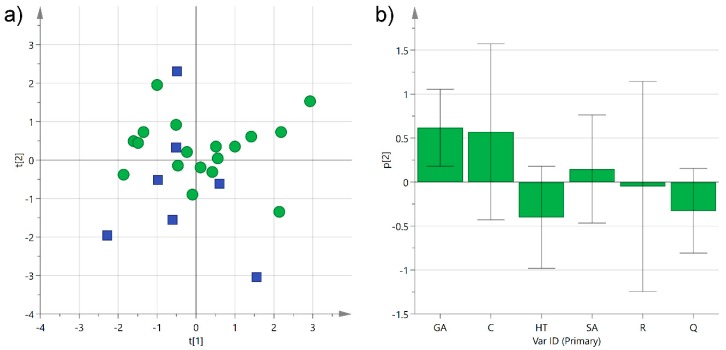
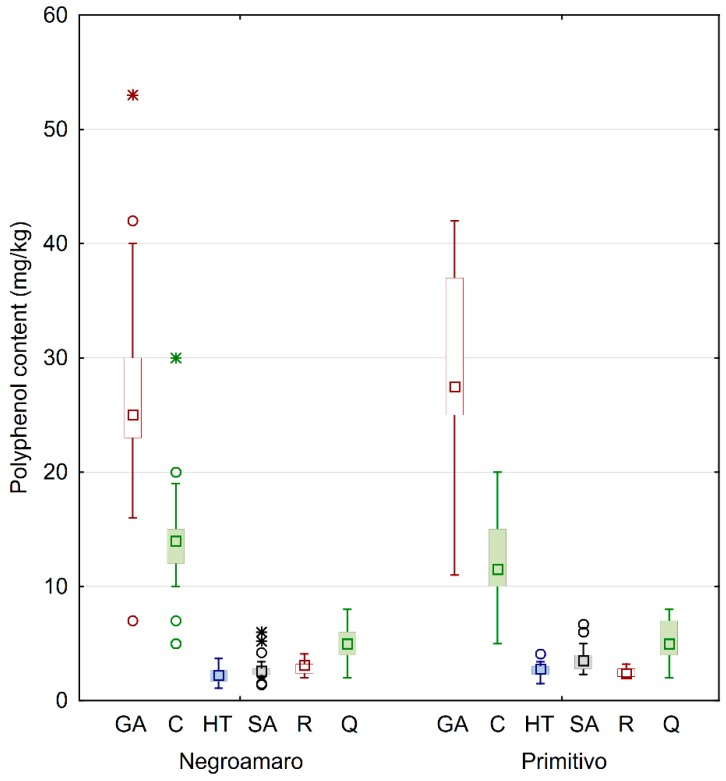
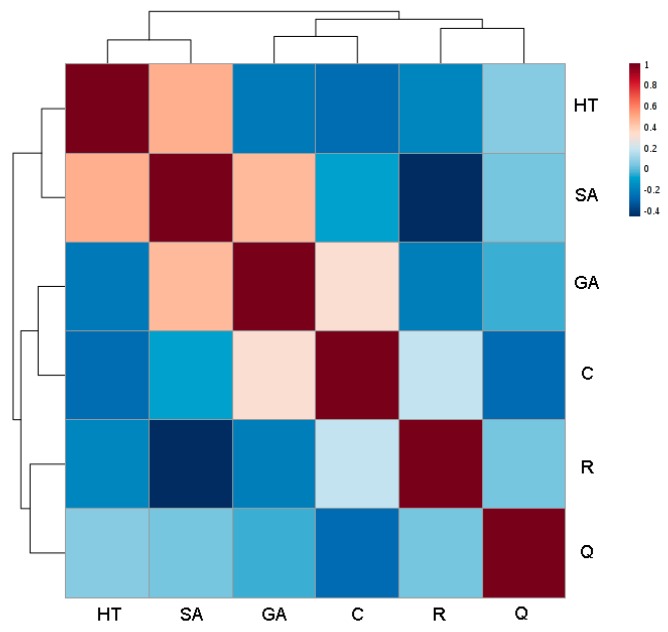
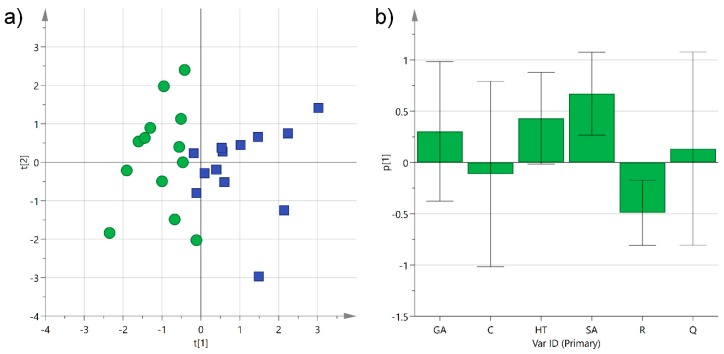
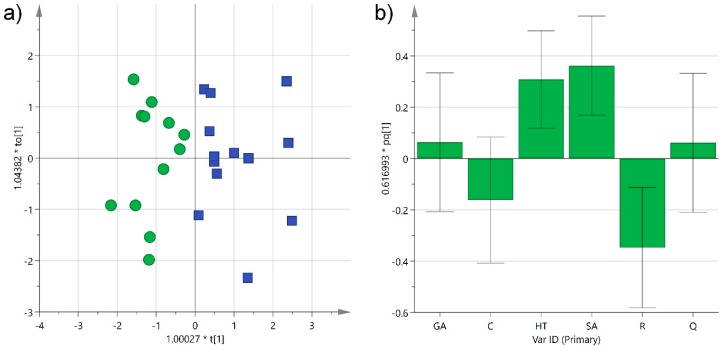
Wine is probably the oldest and still most consumed alcoholic beverage in the world. Nevertheless, it contains several biomolecules with beneficial health effects. Phenols are among them and, in this article, we identified and quantified by HPLC catechin, gallic acid, hydroxytyrosol, quercetin, -resveratrol, and syringic acid in Primitivo and Negroamaro red wines from Salento, in Southeast Italy. The concentrations of the analyzed antioxidant molecules were quite high in all varieties. Gallic acid and catechin were the most abundant, but significant concentrations of quercetin, hydroxytyrosol, syringic acid, and -resveratrol were also found. Multivariate statistical analysis was also employed to discriminate between Negroamaro and Primitivo wines, suggesting the variables influencing their separation.
葡萄酒可能是世界上最古老且至今仍消费最多的酒精饮料。然而,它含有几种对健康有益的生物分子。酚类物质便是其中之一,在本文中,我们通过高效液相色谱法(HPLC)对意大利东南部萨伦托地区的普里米蒂沃(Primitivo)和黑阿玛罗(Negroamaro)红葡萄酒中的儿茶素、没食子酸、羟基酪醇、槲皮素、白藜芦醇和丁香酸进行了鉴定和定量分析。所有品种中分析的抗氧化分子浓度都相当高。没食子酸和儿茶素含量最为丰富,但也发现了显著浓度的槲皮素、羟基酪醇、丁香酸和白藜芦醇。还采用了多变量统计分析来区分黑阿玛罗葡萄酒和普里米蒂沃葡萄酒,揭示影响它们分离的变量。