Everson Bethan, Mackintosh Kelly A, McNarry Melitta A, Todd Charlotte, Stratton Gareth
MRC Epidemiology Unit, University of Cambridge. School of Clinical Medicine. Institute of Metabolic Science, Cambridge Biomedical Campus, Cambridge CB2 0QQ, UK.
Applied Sports Technology Exercise and Medicine (A-STEM) Research Centre, College of Engineering, Swansea University; Bay Campus, Fabian Way, Swansea, SA1 8EN, UK.
Children (Basel). 2019 Feb 1;6(2):20. doi: 10.3390/children6020020.
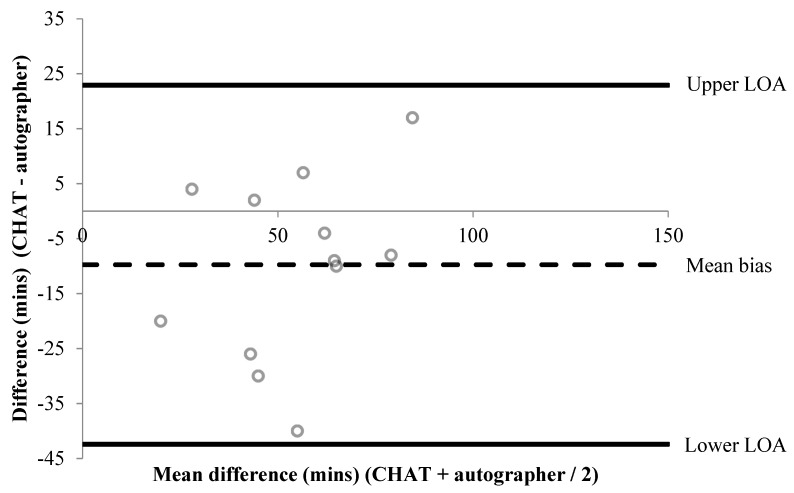
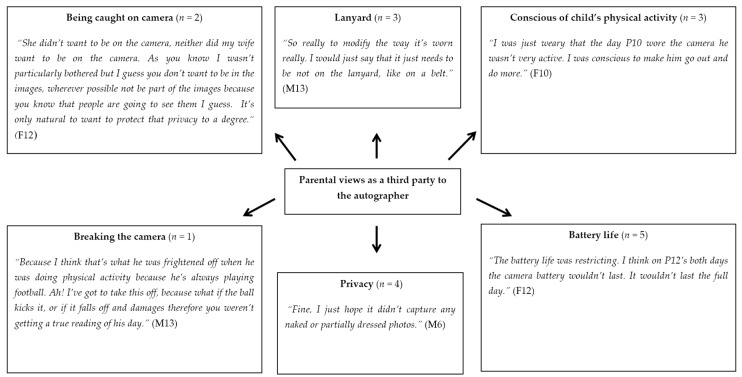
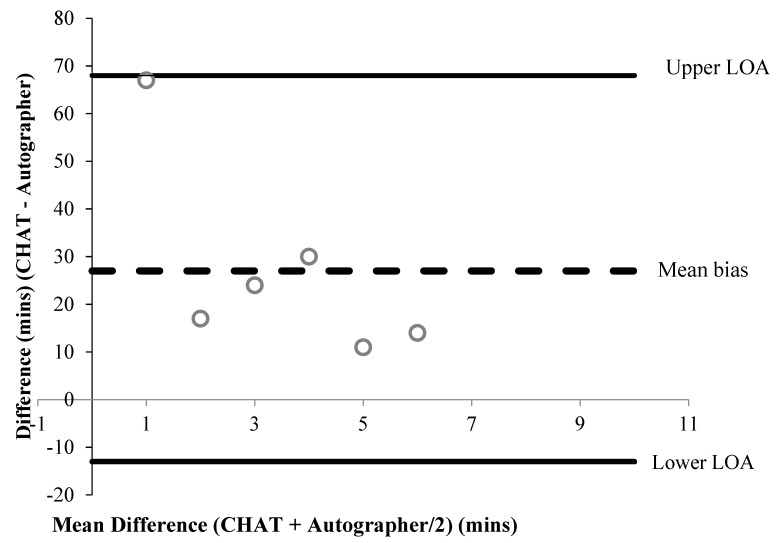
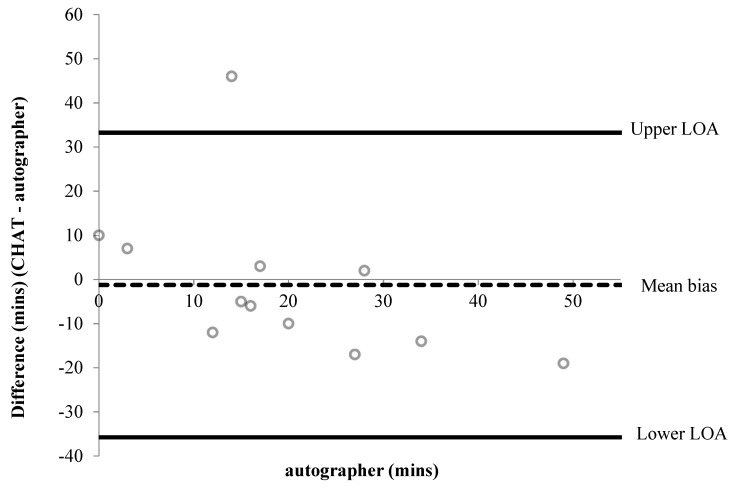
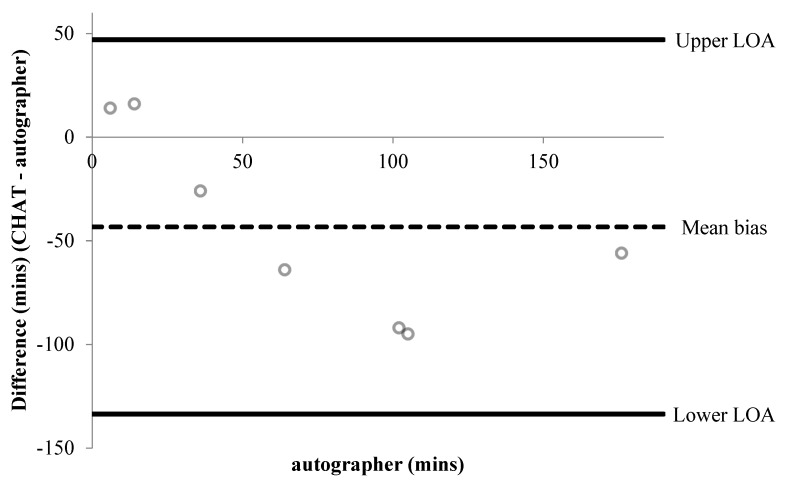
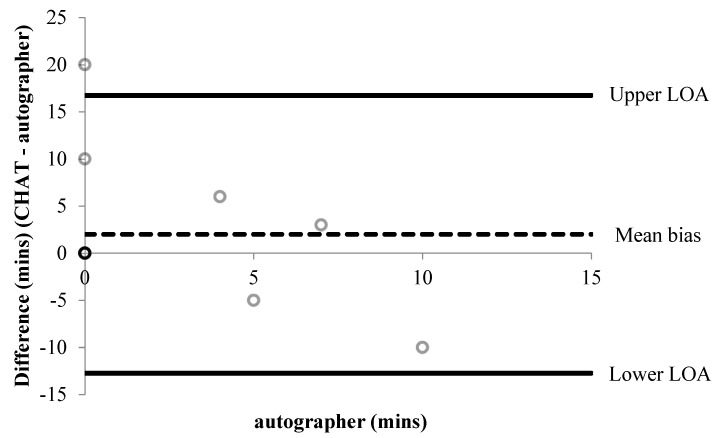
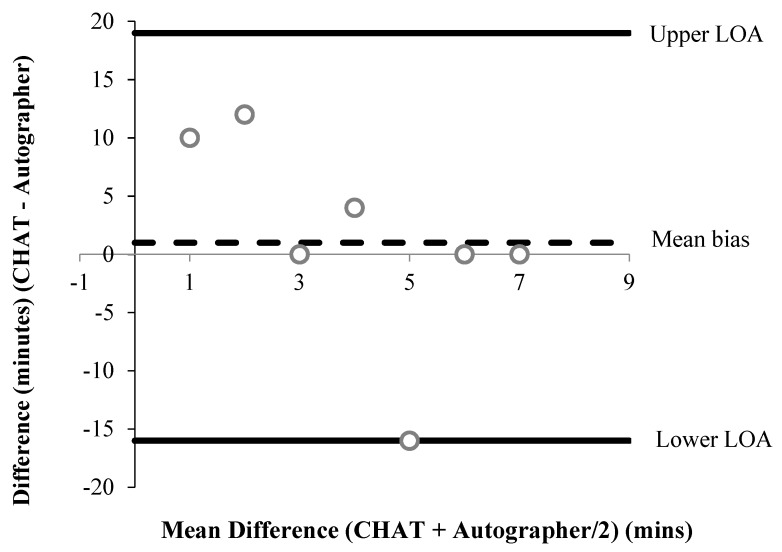
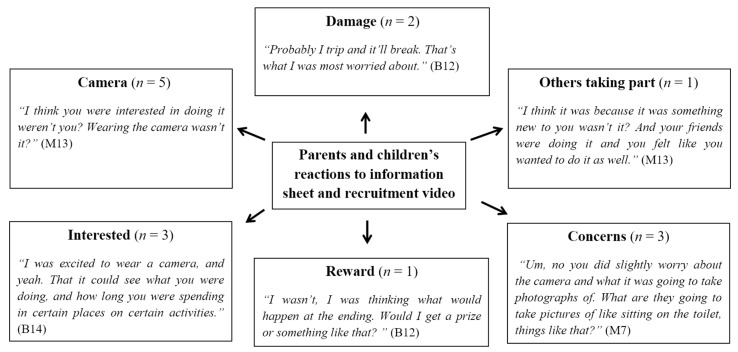
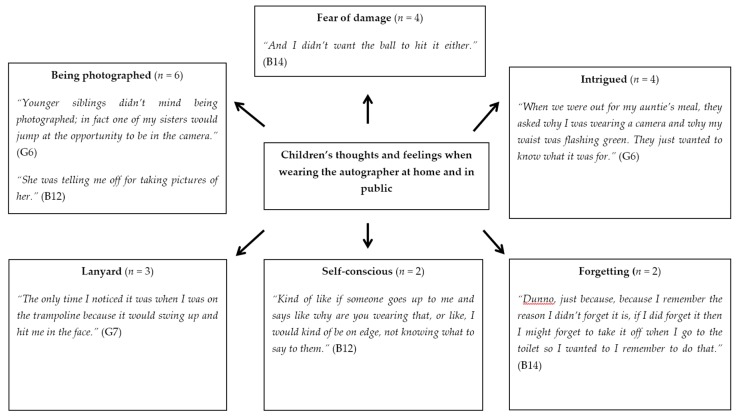
Wearable cameras combined with accelerometers have been used to estimate the accuracy of children's self-report of physical activity, health-related behaviours, and the contexts in which they occur. There were two aims to this study; the first was to validate questions regarding self-reported health and lifestyle behaviours in 9⁻11-year-old children using the child's health and activity tool (CHAT), an accelerometer and a wearable camera. Second, the study sought to evaluate ethical challenges associated with taking regular photographs using a wearable camera through interviews with children and their families. Fourteen children wore an autographer and hip-worn triaxial accelerometer for the waking hours of one school and one weekend day. For both of these days, children self-reported their behaviours chronologically and sequentially using the CHAT. Data were examined using limits of agreement and percentage agreement to verify if reference methods aligned with self-reported behaviours. Six parent⁻child dyads participated in interviews. Seven, five, and nine items demonstrated good, acceptable, and poor validity, respectively. This demonstrates that the accuracy of children's recall varies according to the behaviour or item being measured. This is the first study to trial the use of wearable cameras in assessing the concurrent validity of children's physical activity and behaviour recall, as almost all other studies have used parent proxy reports alongside accelerometers. Wearable cameras carry some ethical and technical challenges, which were examined in this study. Parents and children reported that the autographer was burdensome and in a few cases invaded privacy. This study demonstrates the importance of adhering to an ethical framework.
可穿戴摄像头与加速度计相结合,已被用于评估儿童对身体活动、健康相关行为及其发生情境的自我报告的准确性。本研究有两个目的:第一个目的是使用儿童健康与活动工具(CHAT)、加速度计和可穿戴摄像头,验证9至11岁儿童自我报告的健康和生活方式行为相关问题。第二个目的是通过与儿童及其家庭进行访谈,评估使用可穿戴摄像头定期拍照所带来的伦理挑战。14名儿童在一个上学日和一个周末日的清醒时间佩戴自动记录仪和髋部佩戴的三轴加速度计。在这两天里,儿童使用CHAT按时间顺序依次自我报告他们的行为。使用一致性界限和百分比一致性来检查数据,以验证参考方法是否与自我报告的行为一致。6对亲子参与了访谈。分别有7项、5项和9项表现出良好、可接受和较差的效度。这表明儿童回忆的准确性因所测量的行为或项目而异。这是第一项试验使用可穿戴摄像头评估儿童身体活动和行为回忆的同时效度的研究,因为几乎所有其他研究都将家长代理报告与加速度计一起使用。可穿戴摄像头带来了一些伦理和技术挑战,本研究对此进行了探讨。家长和儿童报告称,自动记录仪很麻烦,在少数情况下还侵犯了隐私。本研究证明了遵循伦理框架的重要性。