Needham David, Kinoshita Koji, Utoft Anders
Institute for Molecular Medicine, University of Southern Denmark, 5230 Odense, Denmark.
Department of Mechanical Engineering and Material Science, Duke University, Durham, NC 27708, USA.
Micromachines (Basel). 2019 Feb 1;10(2):105. doi: 10.3390/mi10020105.
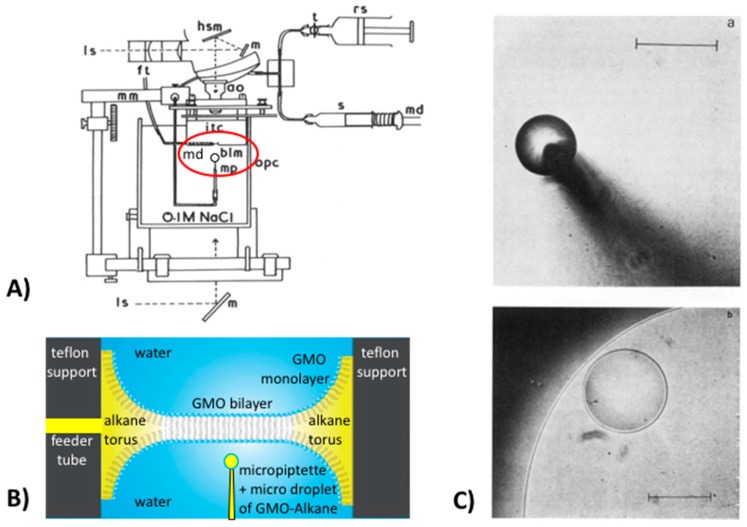
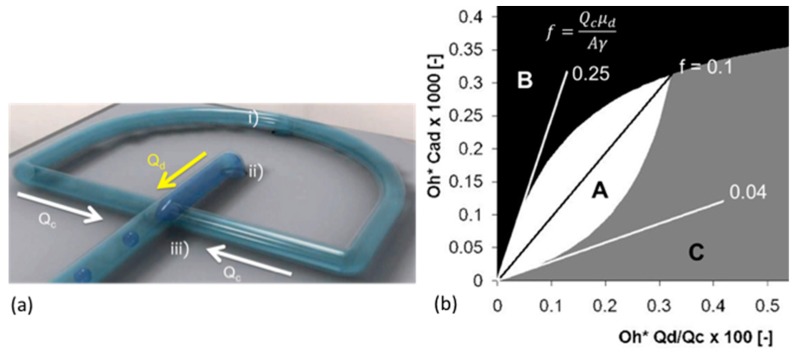
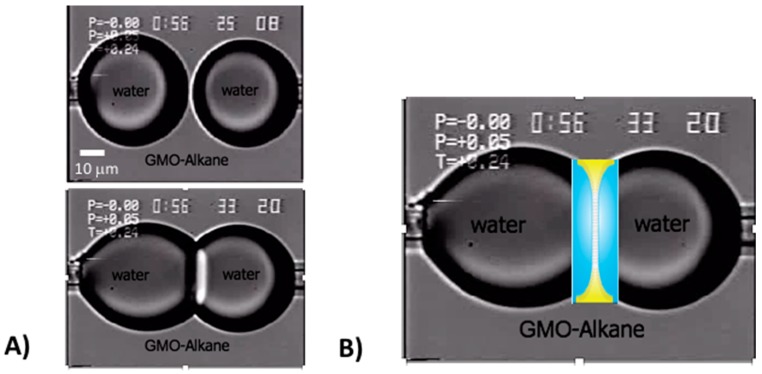
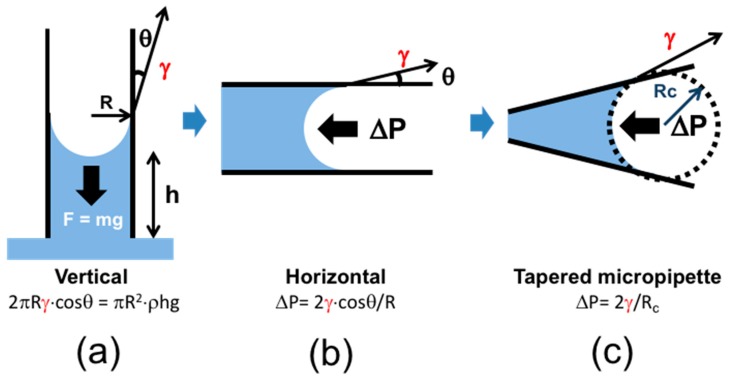
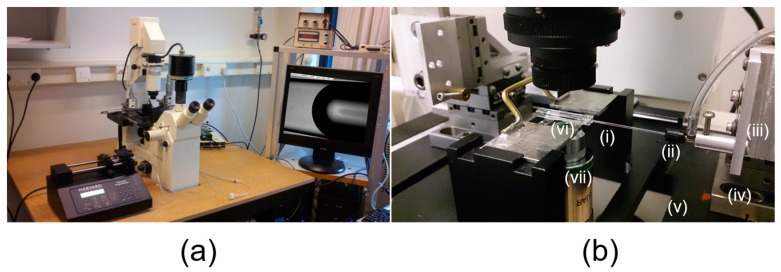
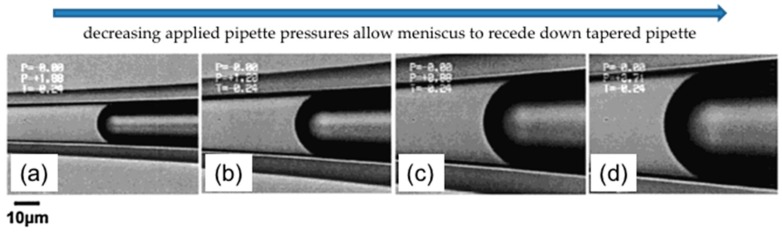
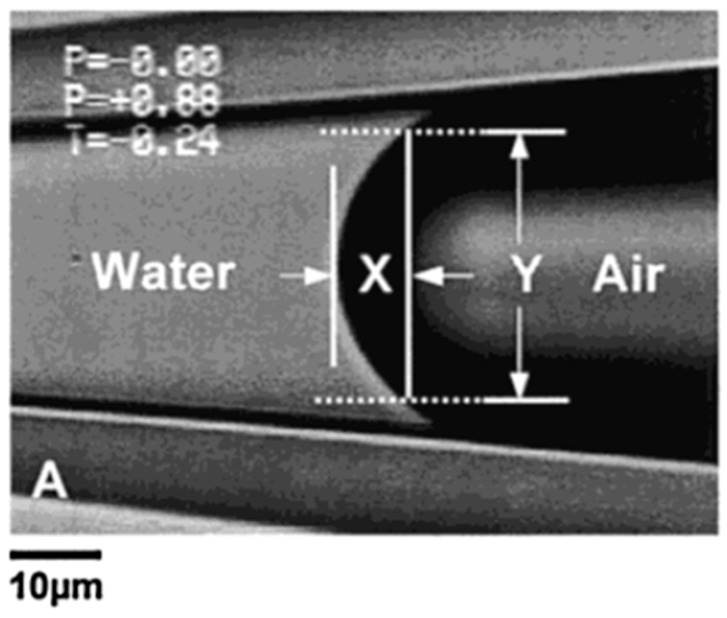
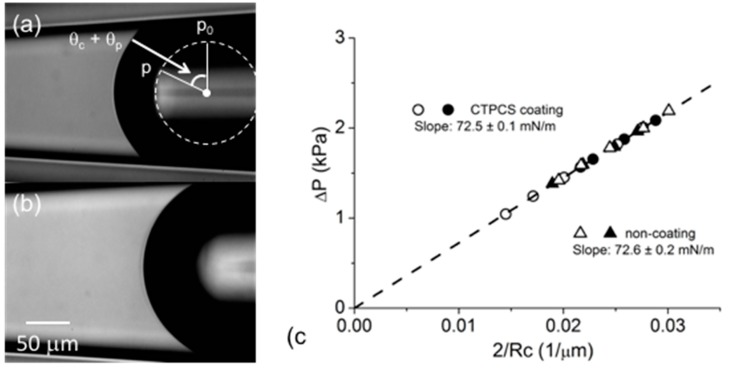
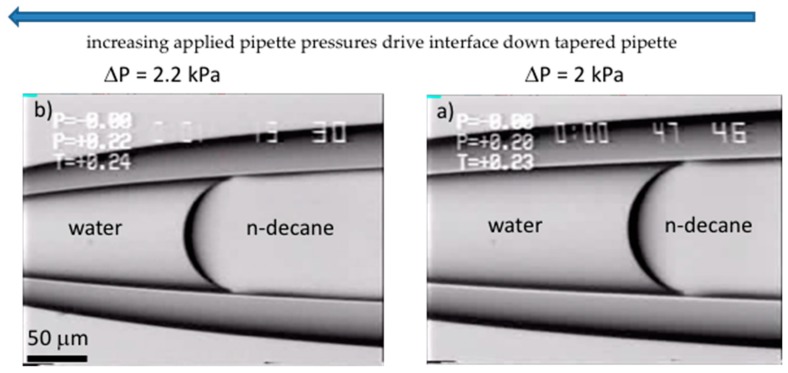
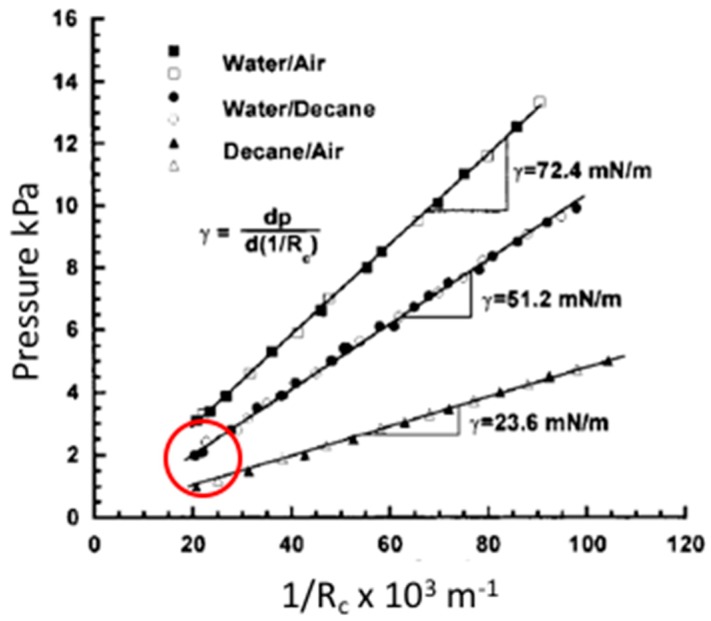
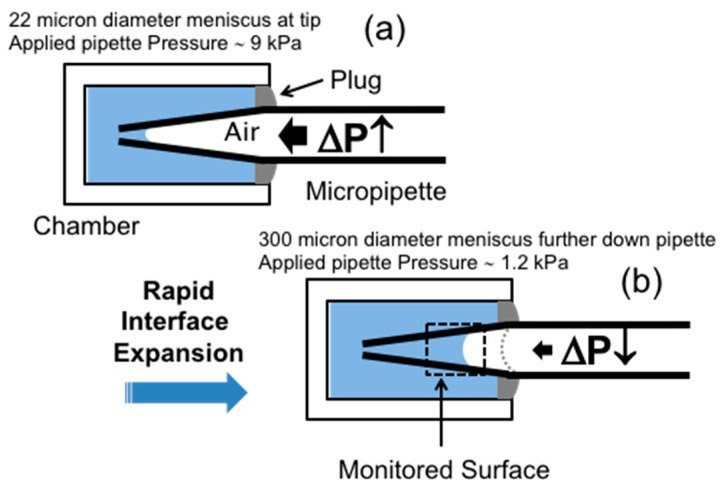
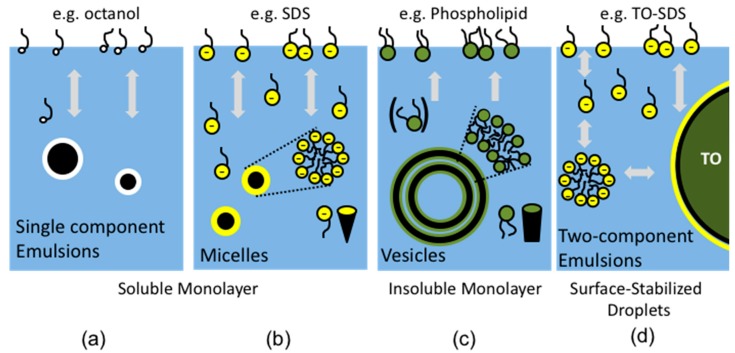
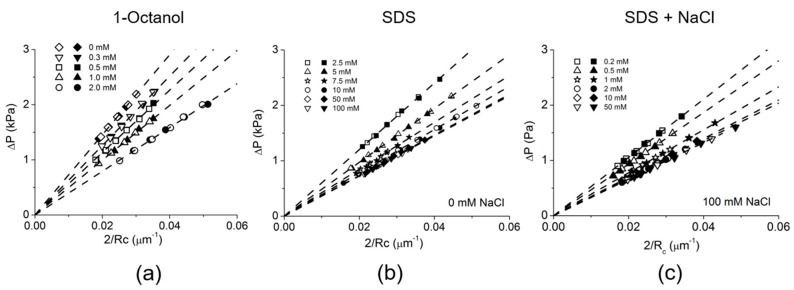
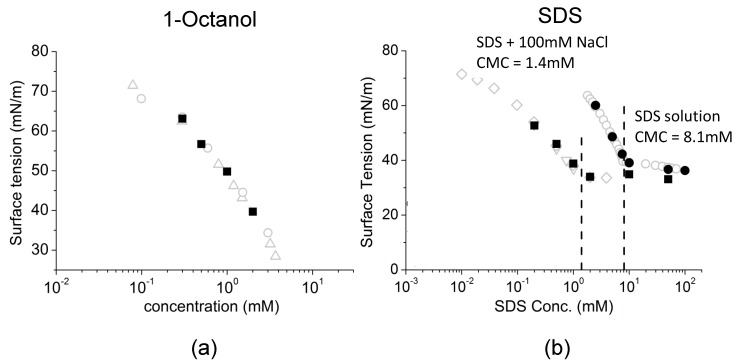
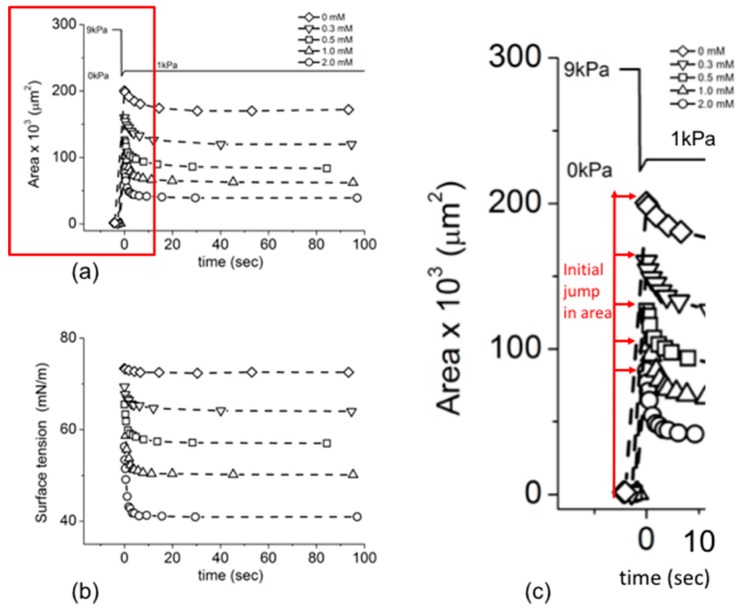
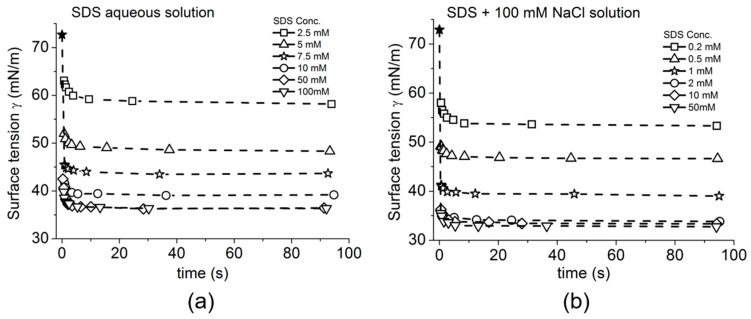
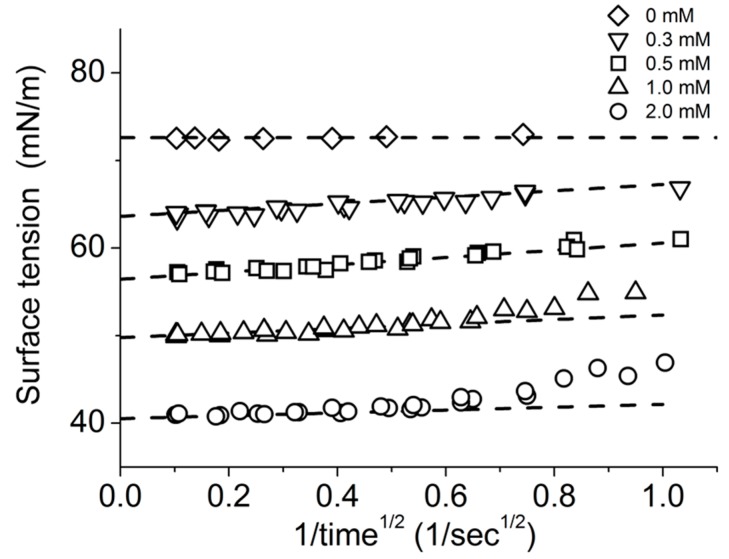
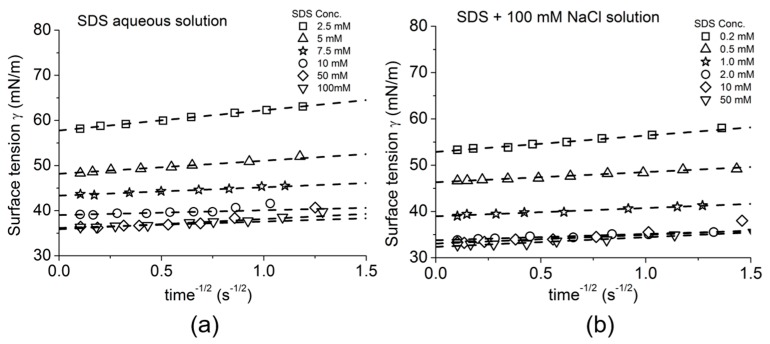
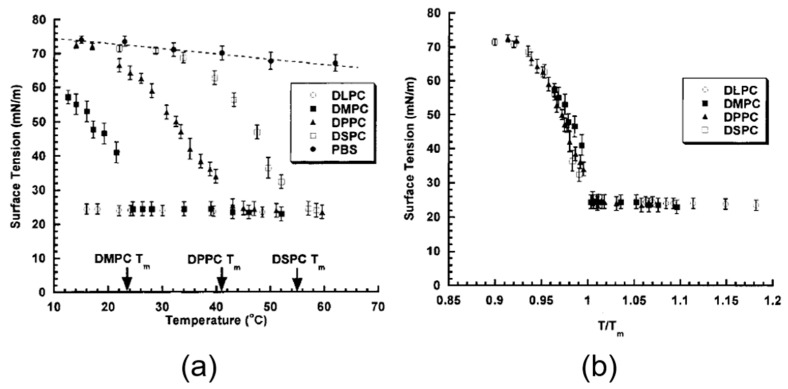
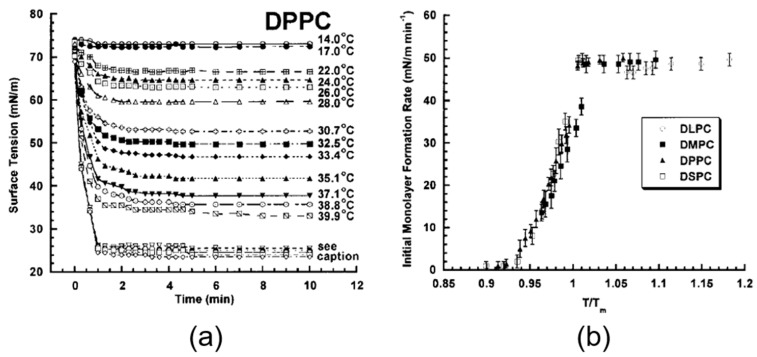
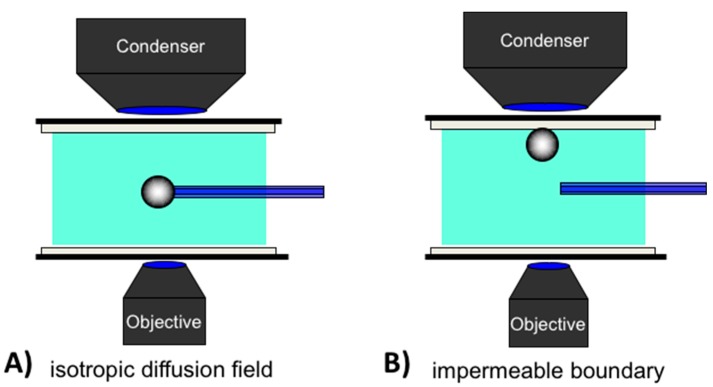
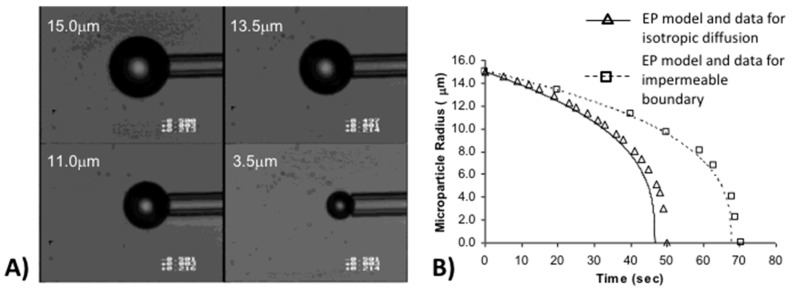
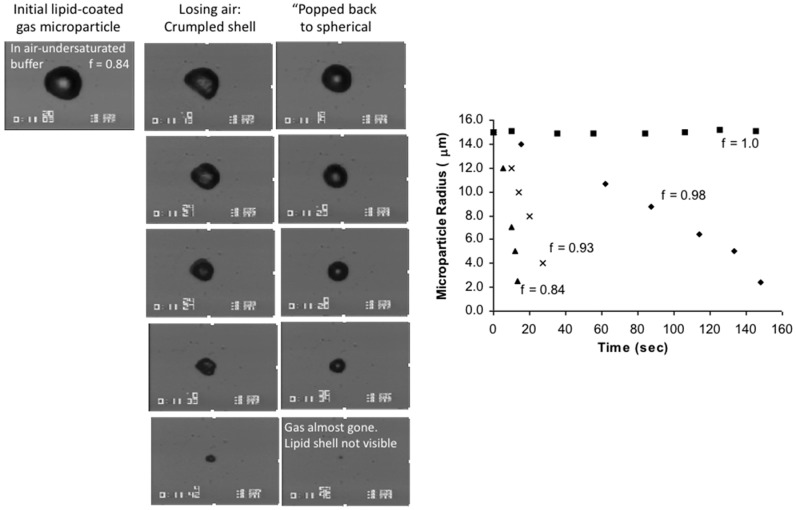
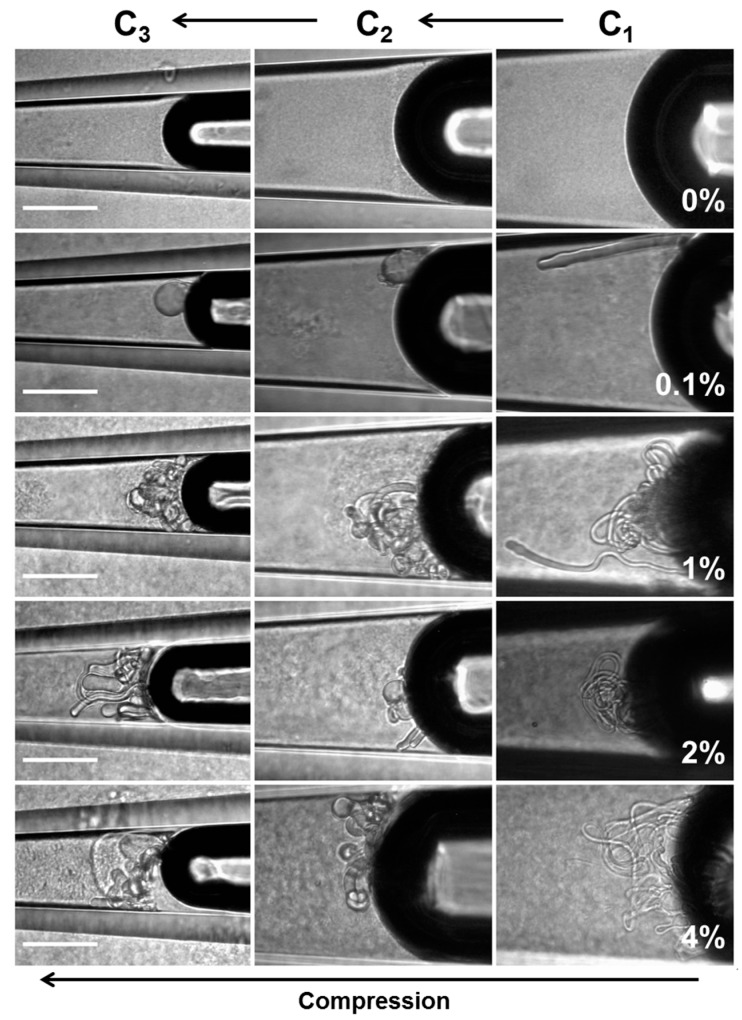
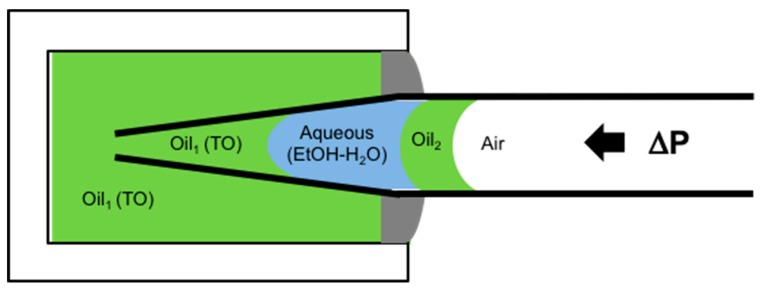
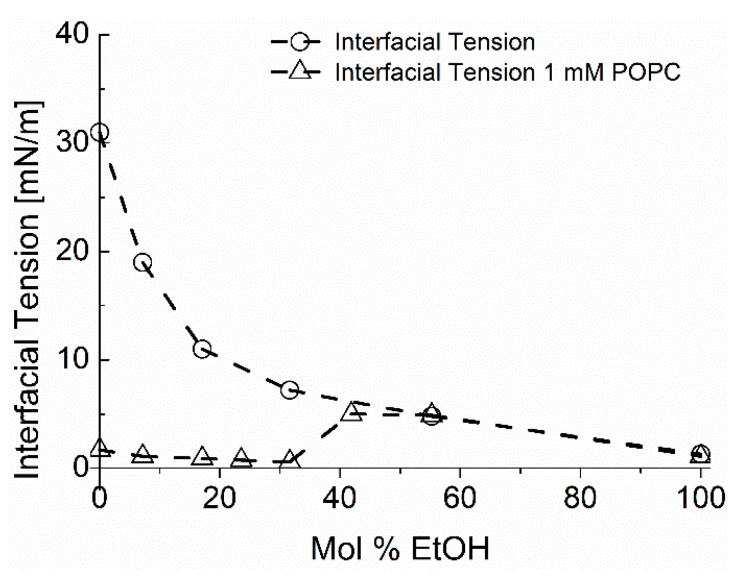
This review presents a series of measurements of the surface and interfacial tensions we have been able to make using the micropipette technique. These include: equilibrium tensions at the air-water surface and oil-water interface, as well as equilibrium and dynamic adsorption of water-soluble surfactants and water-insoluble and lipids. At its essence, the micropipette technique is one of capillary-action, glass-wetting, and applied pressure. A micropipette, as a parallel or tapered shaft, is mounted horizontally in a microchamber and viewed in an inverted microscope. When filled with air or oil, and inserted into an aqueous-filled chamber, the position of the surface or interface meniscus is controlled by applied micropipette pressure. The position and hence radius of curvature of the meniscus can be moved in a controlled fashion from dimensions associated with the capillary tip (~5⁻10 μm), to back down the micropipette that can taper out to 450 μm. All measurements are therefore actually made at the microscale. Following the Young⁻Laplace equation and geometry of the capillary, the surface or interfacial tension value is simply obtained from the radius of the meniscus in the tapered pipette and the applied pressure to keep it there. Motivated by Franklin's early experiments that demonstrated molecularity and monolayer formation, we also give a brief potted-historical perspective that includes fundamental surfactancy driven by margarine, the first use of a micropipette to circuitously measure bilayer membrane tensions and free energies of formation, and its basis for revolutionising the study and applications of membrane ion-channels in Droplet Interface Bilayers. Finally, we give five examples of where our measurements have had an impact on applications in micro-surfaces and microfluidics, including gas microbubbles for ultrasound contrast; interfacial tensions for micro-oil droplets in oil recovery; surface tensions and tensions-in-the surface for natural and synthetic lung surfactants; interfacial tension in nanoprecipitation; and micro-surface tensions in microfluidics.
本综述展示了我们利用微量移液器技术所进行的一系列表面张力和界面张力测量。这些测量包括:气-水表面和油-水界面的平衡张力,以及水溶性表面活性剂、水不溶性表面活性剂和脂质的平衡吸附与动态吸附。从本质上讲,微量移液器技术是一种基于毛细作用、玻璃浸润和外加压力的技术。微量移液器作为平行或锥形轴,水平安装在微腔室中,并通过倒置显微镜进行观察。当充满空气或油并插入充满水的腔室时,表面或界面弯月面的位置由施加在微量移液器上的压力控制。弯月面的位置以及由此产生的曲率半径可以通过控制从与毛细管尖端相关的尺寸(约5⁻10μm),到逐渐变细至450μm的微量移液器进行移动。因此,所有测量实际上都是在微观尺度上进行的。根据杨-拉普拉斯方程和毛细管的几何形状,表面或界面张力值可简单地从锥形移液器中弯月面的半径以及使其保持在该位置所需的外加压力得出。受富兰克林早期证明分子性和单分子层形成的实验启发,我们还给出了一个简短的历史概述,包括人造黄油驱动的基础表面活性、首次使用微量移液器间接测量双层膜张力和形成自由能,以及其在革新液滴界面双层中膜离子通道的研究及应用方面的基础。最后,我们给出了五个实例,说明我们的测量在微表面和微流体应用中的影响,包括用于超声造影的气体微泡;油回收中微油滴的界面张力;天然和合成肺表面活性剂的表面张力和表面内张力;纳米沉淀中的界面张力;以及微流体中的微表面张力。