Department of Intracellular Signaling and Transport, Institute of Cytology, Russian Academy of Sciences, Tikhoretsky pr. 4, St.Petersburg, 194064, Russia.
Sci Rep. 2019 Feb 4;9(1):1296. doi: 10.1038/s41598-018-37972-y.
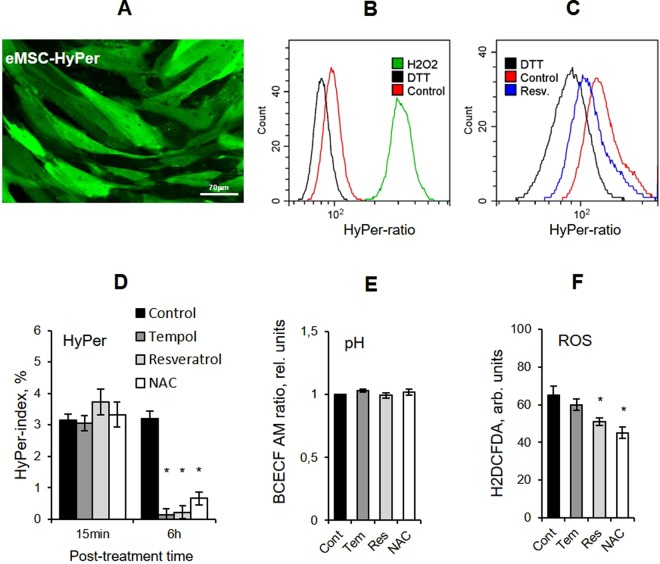
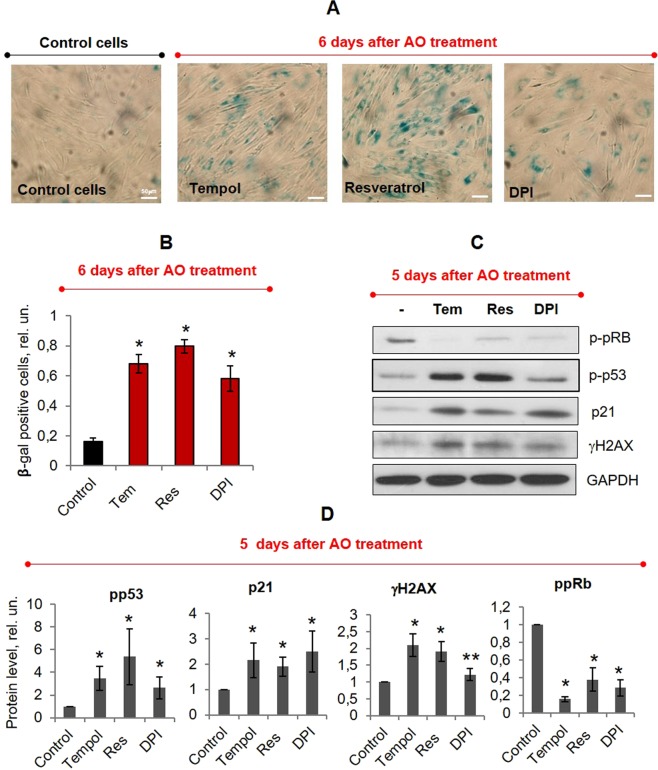
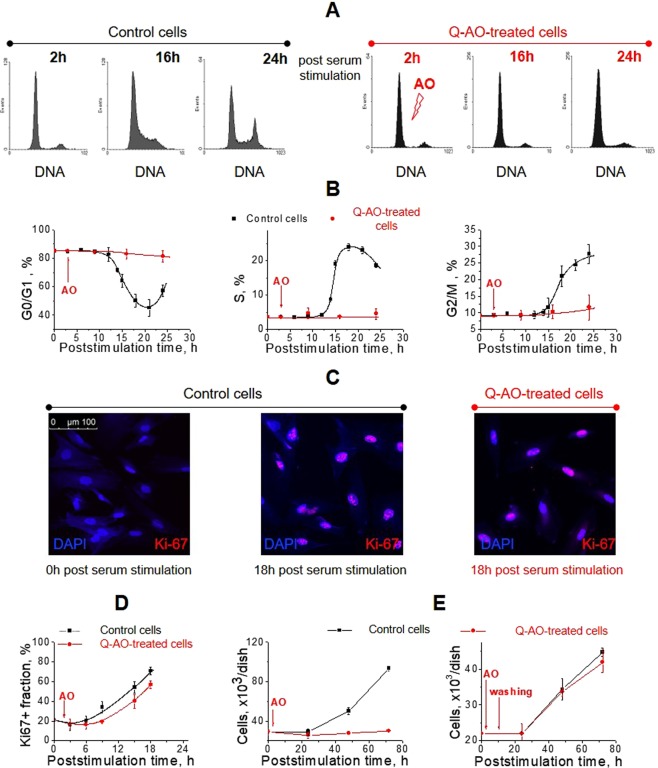
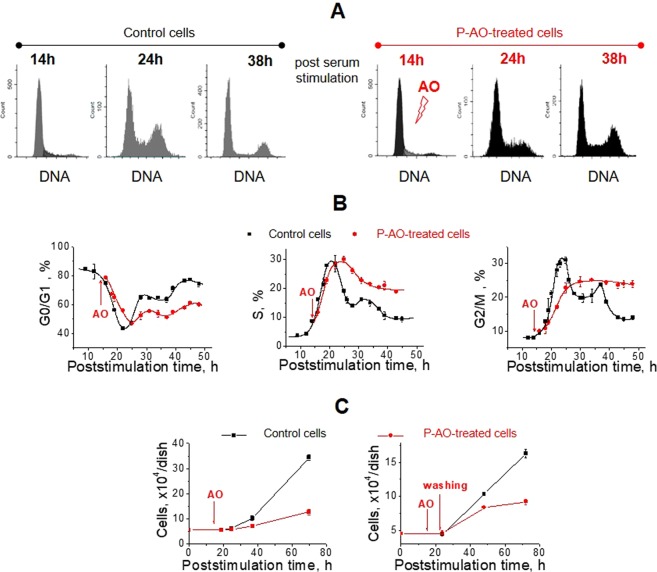
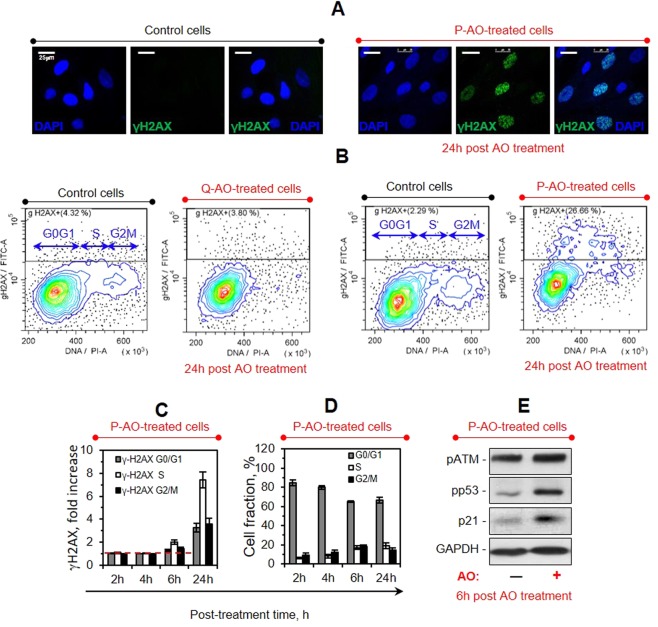
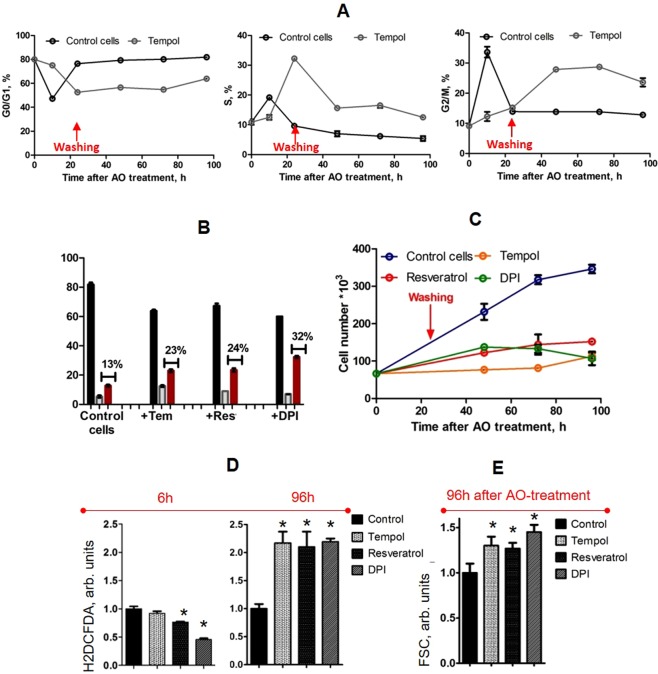
Stress-induced premature senescence program is known to be activated in cells by various genotoxic stressors, and oxidative stress is considered to be the main of those. To this end, many studies discover antioxidants as protective anti-aging agents. In the current study, we examined the effects of different antioxidants (Tempol, resveratrol, NAC, DPI) on the mesenchymal stem cells maintained in normal physiological conditions. We used high, but non-cytotoxic antioxidant doses which are widely used in laboratory practice to protect cells from oxidative damage. We show that these substances induce reversible block of cell proliferation and do not cause any genotoxic effects when applied to the quiescent cells. However, the same doses of the same substances, when applied to the proliferating cells, can induce irreversible cell cycle arrest, DNA strand breaks accumulation and DNA damage response activation. As a consequence, antioxidant-induced DNA damage results in the stress-induced premature senescence program activation. We conclude that high doses of antioxidants, when applied to the proliferating cells that maintain physiological levels of reactive oxygen species, can cause DNA damage and induce premature senescence which suggests to re-estimate believed unconditional anti-aging antioxidant properties.
应激诱导的早衰程序已知可被各种遗传毒性应激源激活,而氧化应激被认为是其中的主要因素。为此,许多研究发现抗氧化剂是保护性抗衰老剂。在本研究中,我们研究了不同抗氧化剂(Tempol、白藜芦醇、NAC、DPI)对维持在正常生理条件下的间充质干细胞的影响。我们使用了高剂量但非细胞毒性的抗氧化剂剂量,这些剂量广泛应用于实验室实践中以保护细胞免受氧化损伤。我们表明,这些物质会导致细胞增殖可逆性阻滞,并且在应用于静止细胞时不会引起任何遗传毒性作用。然而,当相同剂量的相同物质应用于增殖细胞时,会诱导不可逆转的细胞周期停滞、DNA 链断裂积累和 DNA 损伤反应激活。结果,抗氧化剂诱导的 DNA 损伤导致应激诱导的早衰程序激活。我们得出结论,高剂量的抗氧化剂,当应用于维持生理水平活性氧的增殖细胞时,会导致 DNA 损伤并诱导早衰,这表明需要重新评估被认为是无条件抗衰老的抗氧化剂特性。