Kumar J Dinesh, Aolymat Iman, Tiszlavicz Laszlo, Reisz Zita, Garalla Hanan M, Beynon Rob, Simpson Deborah, Dockray Graham J, Varro Andrea
Department of Cellular and Molecular Physiology, Institute of Translational Medicine, University of Liverpool, Liverpool, UK.
Department of Pathology, University of Szeged, Szeged, Hungary.
Oncotarget. 2019 Jan 4;10(2):98-112. doi: 10.18632/oncotarget.26414.
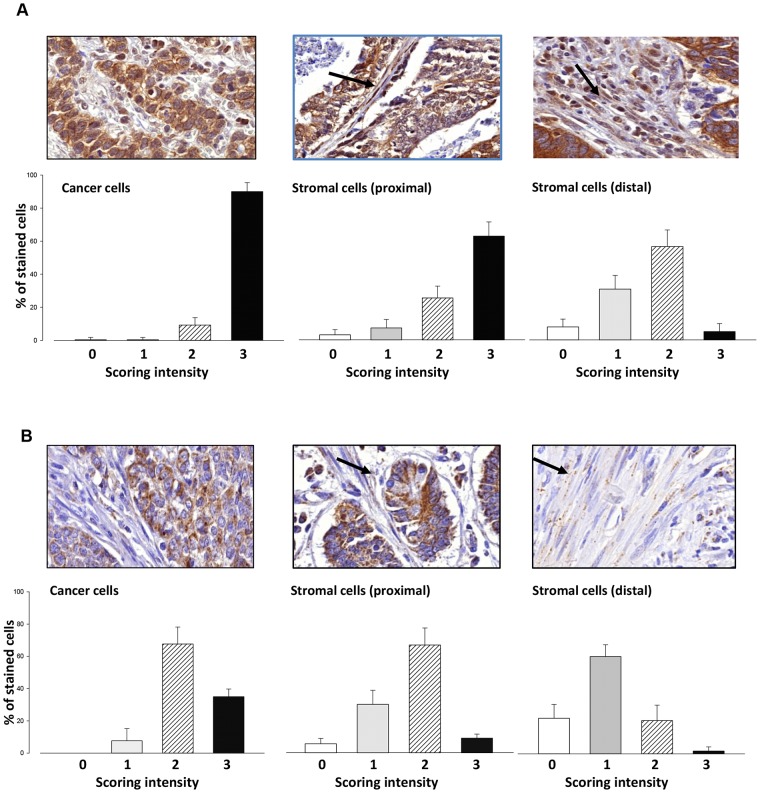
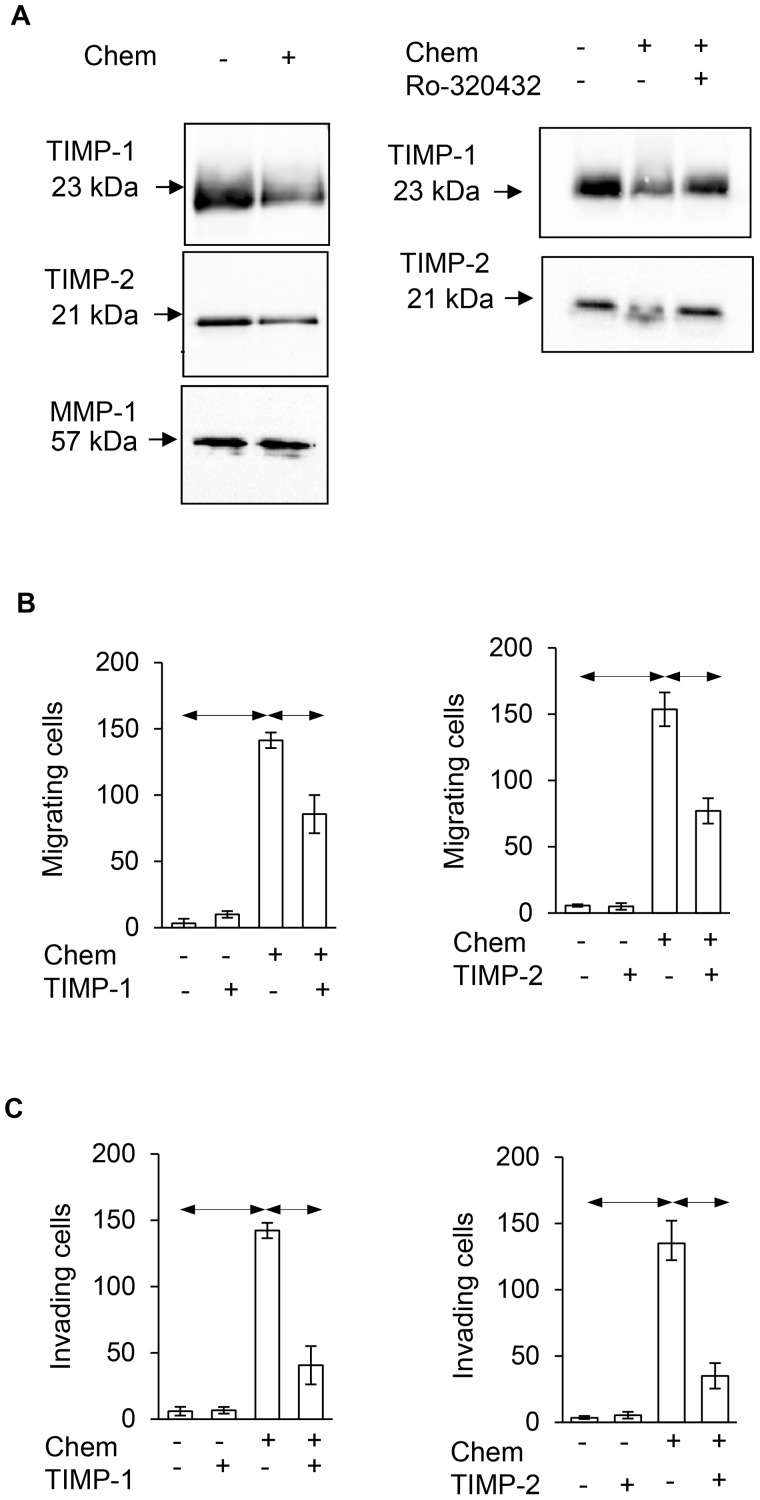
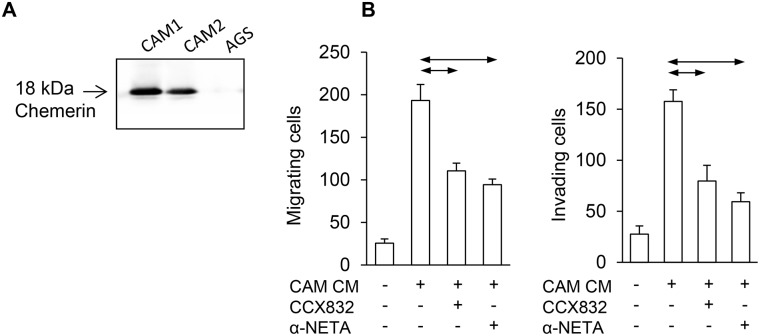
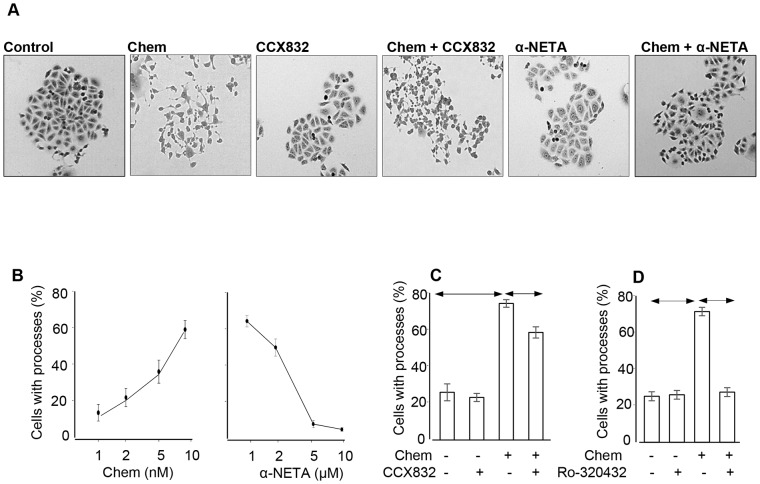
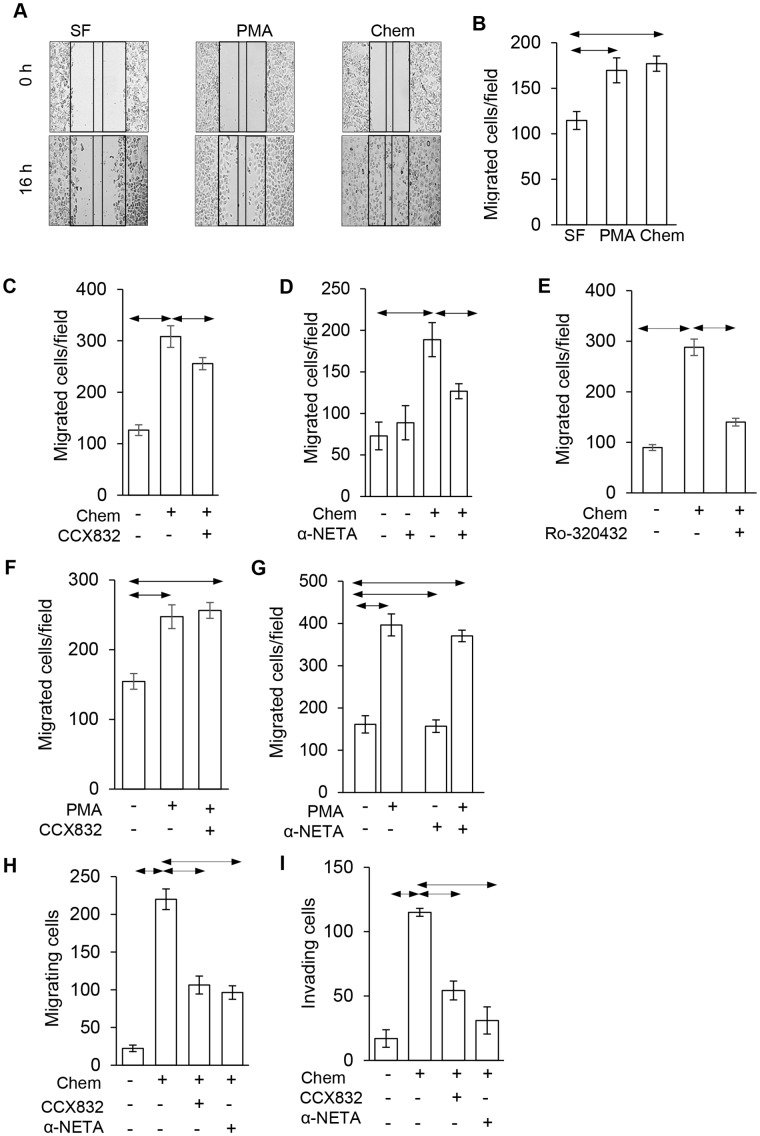
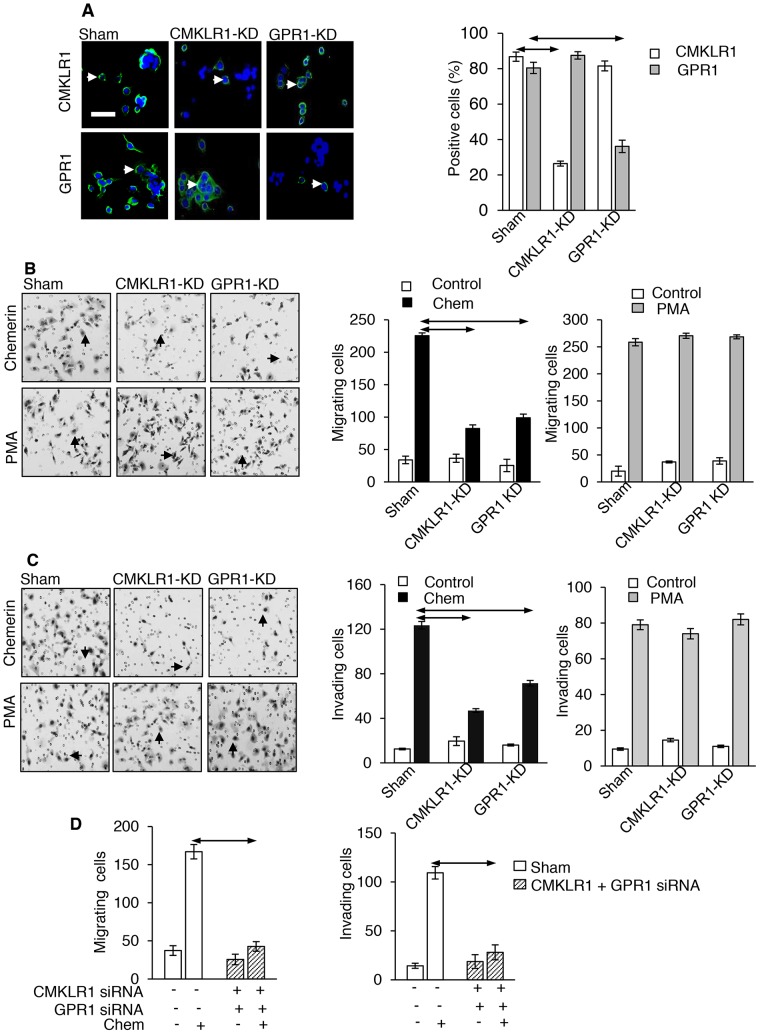
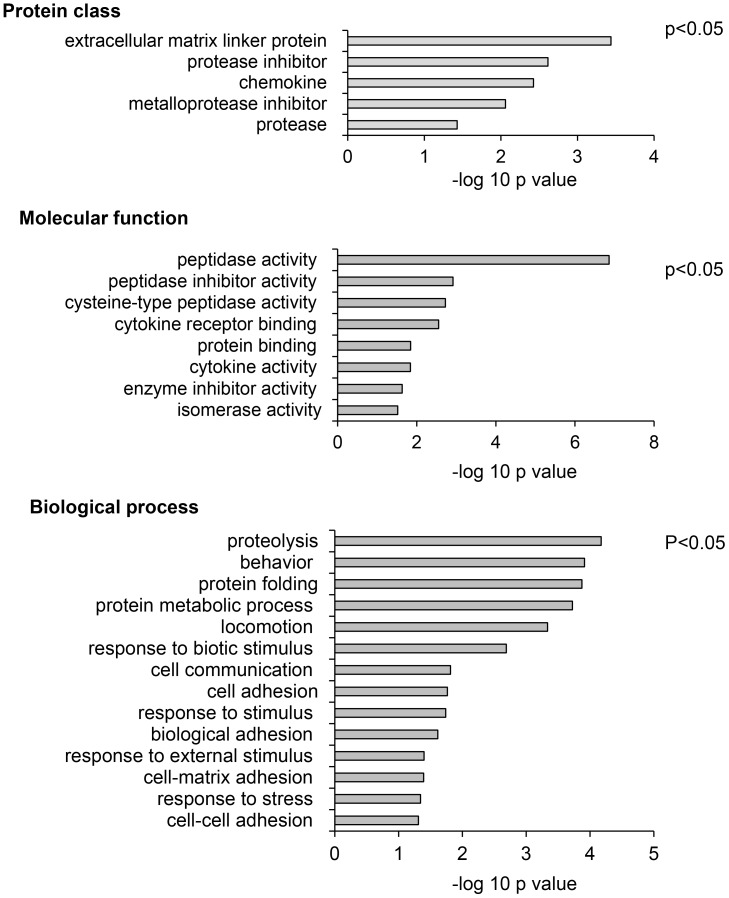
The chemokine-like peptide, chemerin, stimulates chemotaxis in several cell types. In this study we examined the expression of putative chemerin receptors in gastric cancer and the action of chemerin on cancer cell migration and invasion. Immunohistochemical studies of gastric tumors identified expression of two putative receptors, chemokine-like receptor-1 (CMKLR1) and G-protein coupled receptor 1(GPR1), in cancer cells; there was also some expression in stromal myofibroblasts although generally at a lower intensity. The expression of both receptors was detected in a gastric cancer cell line, AGS; chemerin itself was expressed in cultured gastric cancer myofibroblasts but not AGS cells. Chemerin stimulated (a) morphological transformation of AGS cells characterized by extension of processes and cell scattering, (b) migration in scratch wound assays and (c) both migration and invasion in Boyden chamber chemotaxis assays. These responses were inhibited by two putative receptor antagonists CCX832 and α-NETA. Inhibition of receptor expression by siRNA selectively reduced CMKLR1 or GPR1 and inhibited the action of chemerin indicating that both receptors contributed to the functional response. Using a proteomic approach employing stable isotope dynamic labeling of secretomes (SIDLS) to selectively label secreted proteins, we identified down regulation of tissue inhibitors of metalloproteinease (TIMP)1 and TIMP2 in media in response to chemerin. When cells were treated with chemerin and TIMP1 or TIMP2 the migration response to chemerin was reduced. The data suggest a role for chemerin in promoting the invasion of gastric cancer cells via CMKLR1 and GPR1at least partly by reducing TIMP1 and TIMP2 expression. Chemerin receptor antagonists have potential in inhibiting gastric cancer progression.
趋化因子样肽——瑞莫瑞林,可刺激多种细胞类型的趋化作用。在本研究中,我们检测了胃癌中假定的瑞莫瑞林受体的表达情况,以及瑞莫瑞林对癌细胞迁移和侵袭的作用。对胃肿瘤进行的免疫组织化学研究发现,癌细胞中存在两种假定受体,即趋化因子样受体-1(CMKLR1)和G蛋白偶联受体1(GPR1)的表达;基质肌成纤维细胞中也有一些表达,不过强度通常较低。在一种胃癌细胞系AGS中检测到了这两种受体的表达;瑞莫瑞林本身在培养的胃癌肌成纤维细胞中有表达,但在AGS细胞中未表达。瑞莫瑞林刺激了:(a)AGS细胞的形态转变,其特征为细胞突起延伸和细胞散射;(b)划痕损伤试验中的迁移;(c)Boyden小室趋化试验中的迁移和侵袭。这两种反应均被两种假定的受体拮抗剂CCX832和α-NETA抑制。通过小干扰RNA抑制受体表达可选择性降低CMKLR1或GPR1,并抑制瑞莫瑞林的作用,这表明两种受体均参与了功能反应。我们采用蛋白质组学方法,即利用分泌蛋白质的稳定同位素动态标记(SIDLS)来选择性标记分泌蛋白,发现培养基中金属蛋白酶组织抑制剂(TIMP)1和TIMP2的表达因瑞莫瑞林而下调。当用瑞莫瑞林和TIMP1或TIMP2处理细胞时,对瑞莫瑞林的迁移反应减弱。数据表明,瑞莫瑞林至少部分通过降低TIMP1和TIMP2的表达,经由CMKLR1和GPR1促进胃癌细胞的侵袭。瑞莫瑞林受体拮抗剂在抑制胃癌进展方面具有潜力。