Grande Rosalia, Dovizio Melania, Marcone Simone, Szklanna Paulina B, Bruno Annalisa, Ebhardt H Alexander, Cassidy Hilary, Ní Áinle Fionnuala, Caprodossi Anna, Lanuti Paola, Marchisio Marco, Mingrone Geltrude, Maguire Patricia B, Patrignani Paola
Department of Neurosciences, Imaging and Clinical Sciences, Università degli Studi "G. d'Annunzio", Chieti, Italy.
Center of Research on Aging and Translational Medicine (CeSI-MeT), Università degli Studi "G. d'Annunzio", Chieti, Italy.
Front Pharmacol. 2019 Jan 22;10:7. doi: 10.3389/fphar.2019.00007. eCollection 2019.
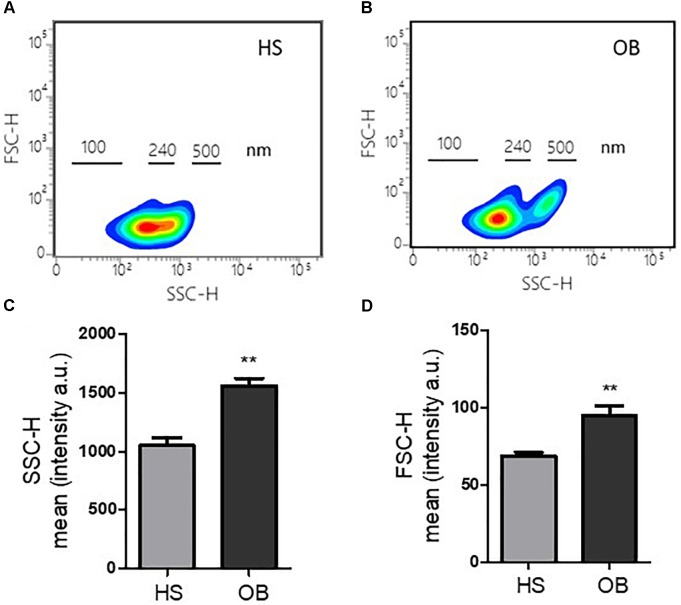
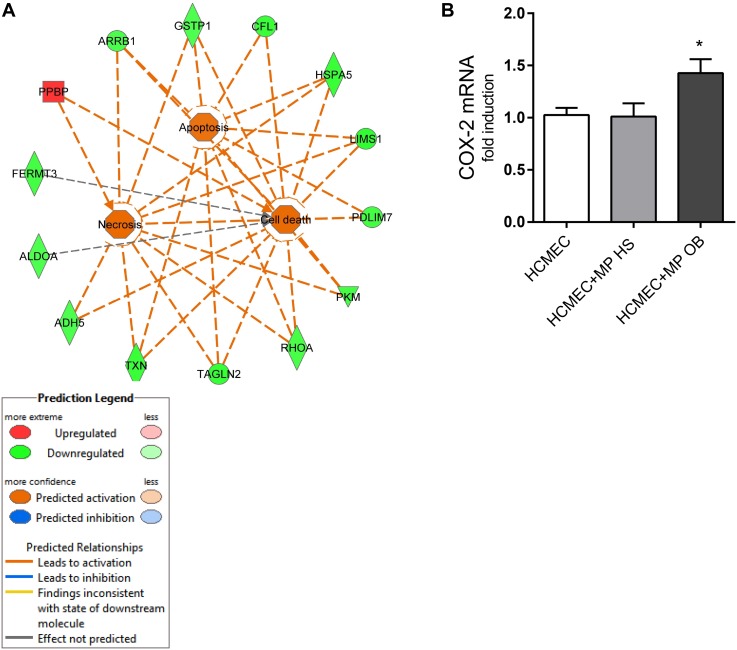
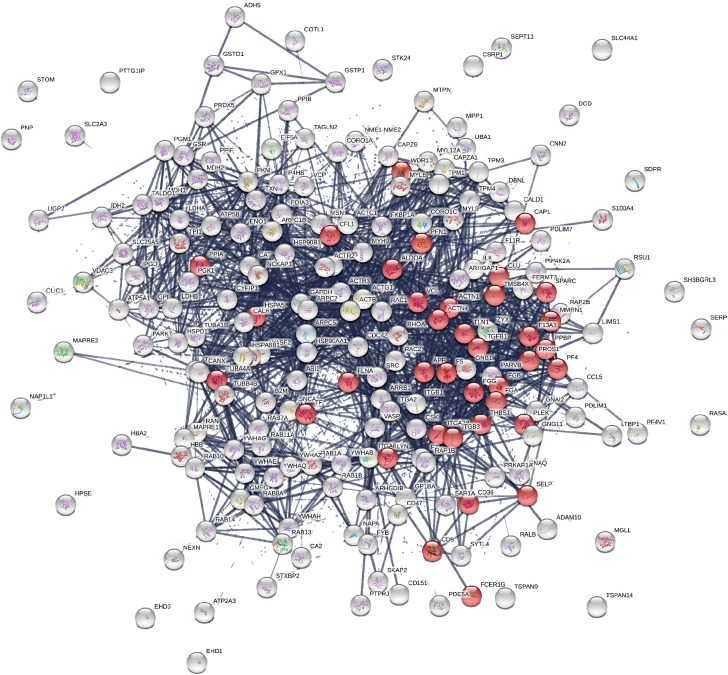
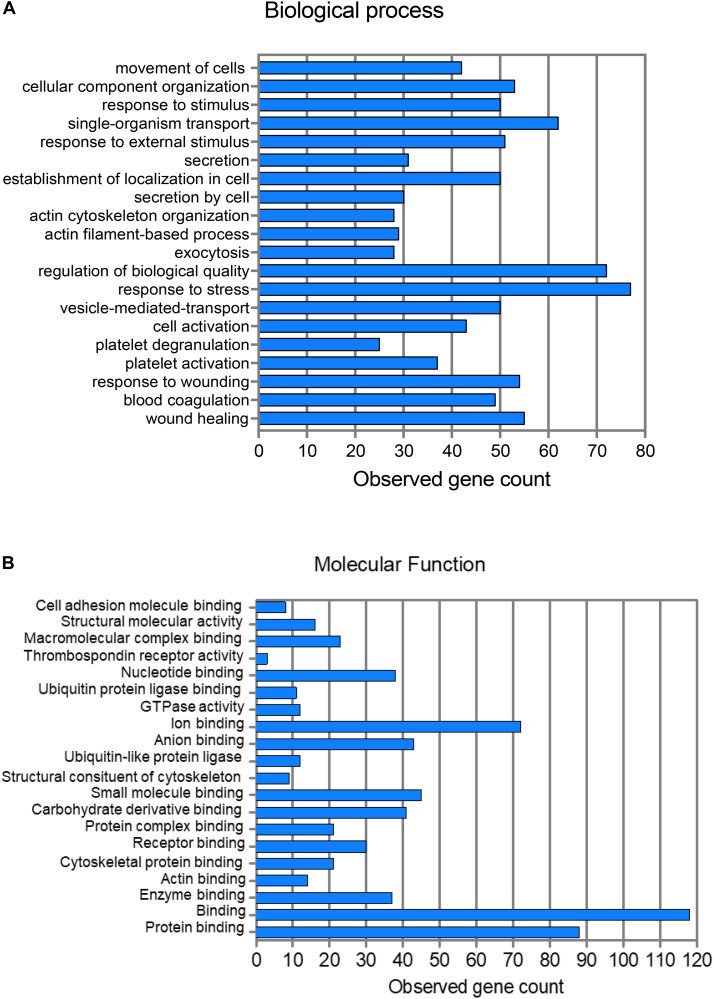
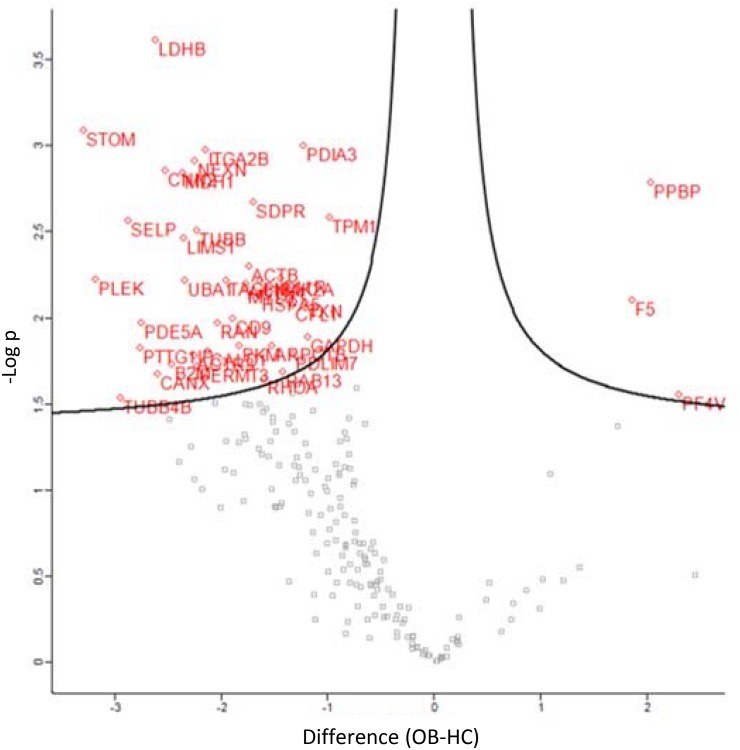
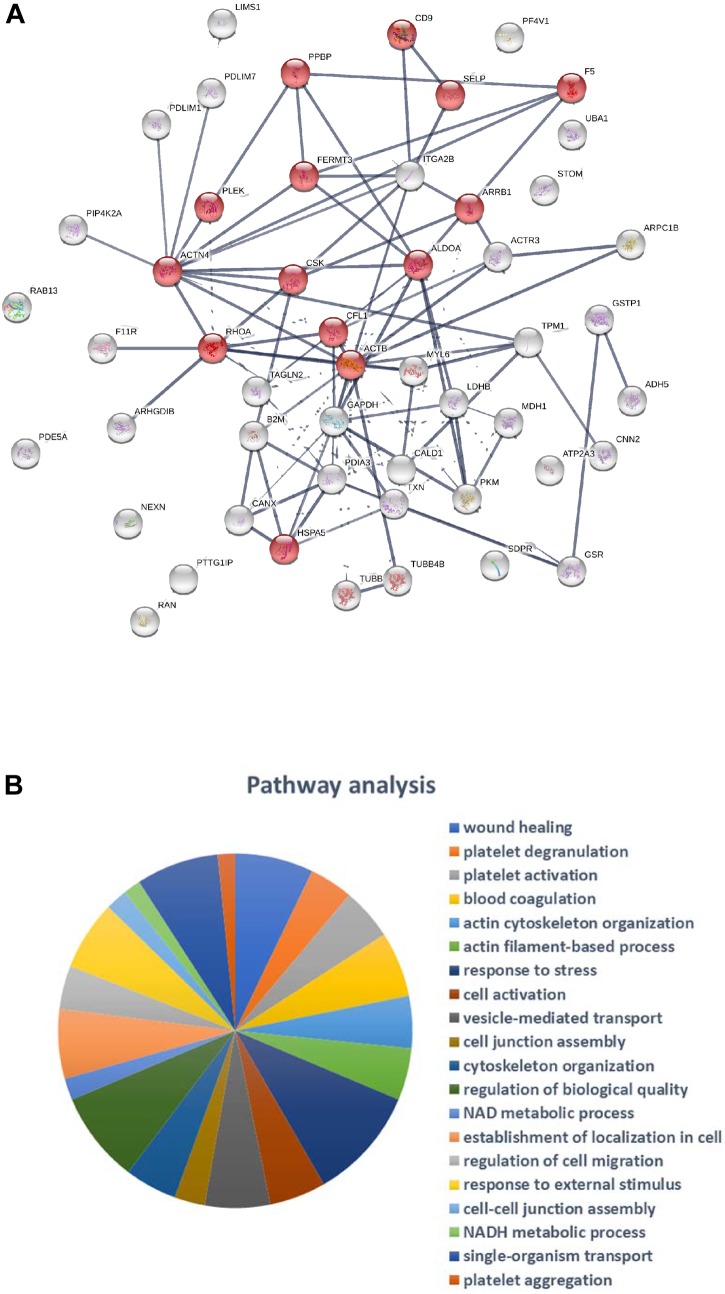
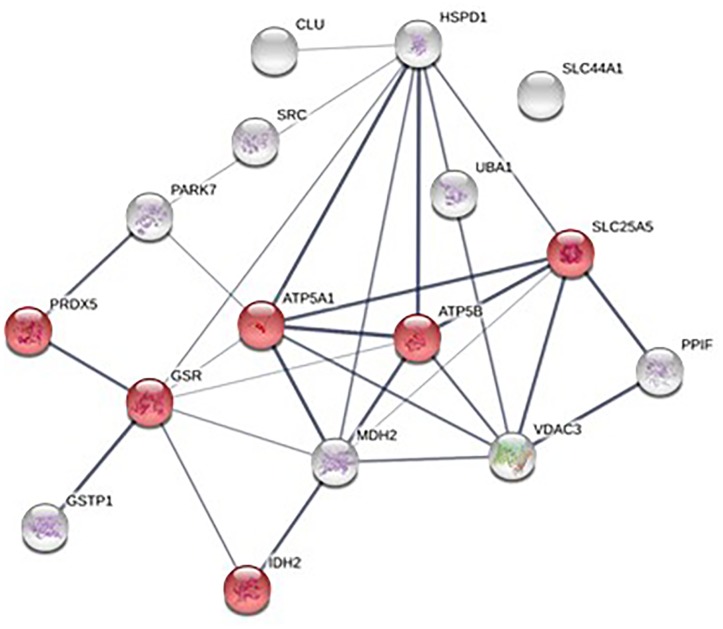
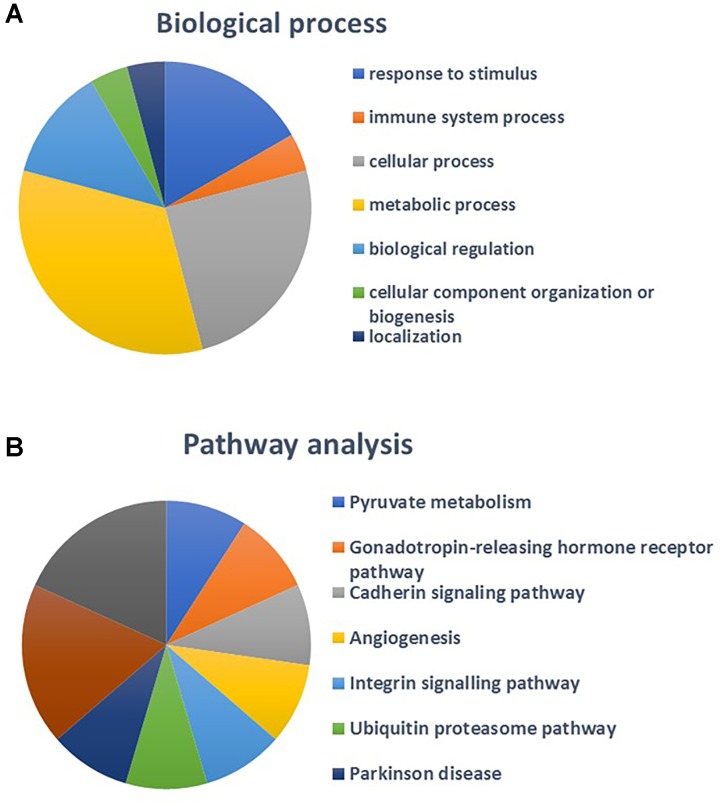
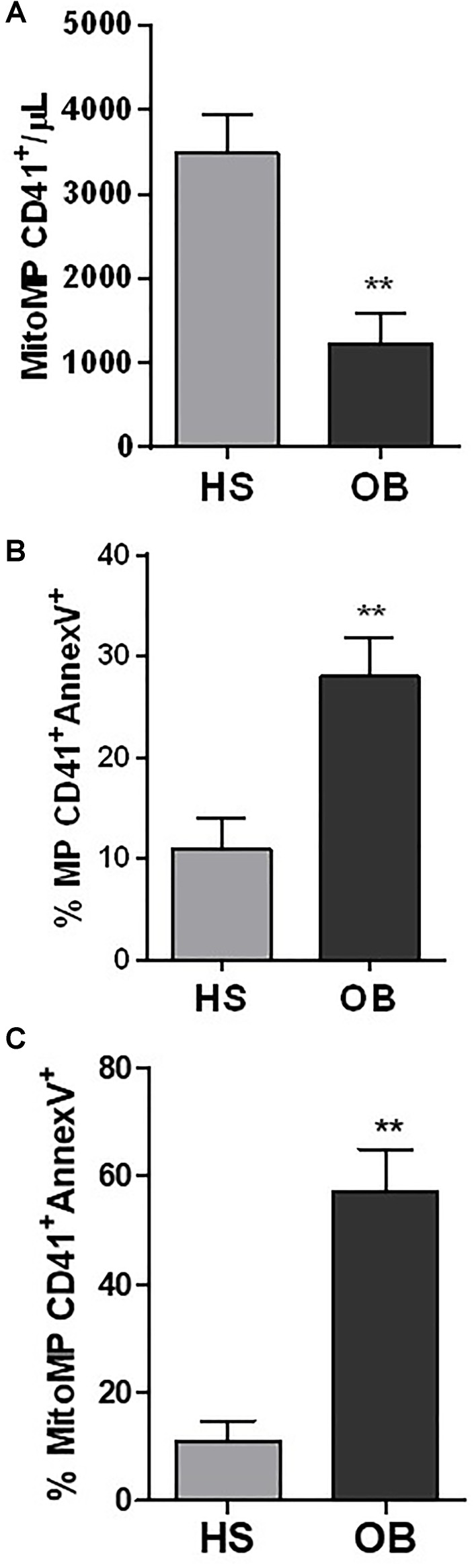
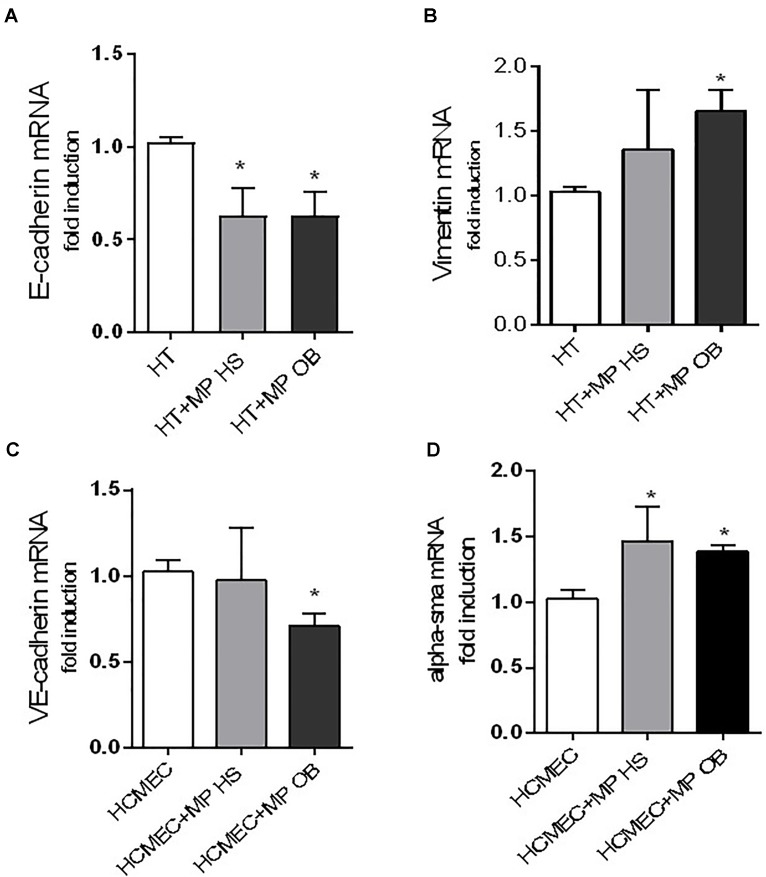
Obesity is a risk factor for atherothrombosis and various cancers. However, the mechanisms are not yet completely clarified. We aimed to verify whether the microparticles (MPs) released from thrombin-activated platelets differed in obese and non-obese women for number, size, and proteomics cargo and the capacity to modulate the expression of (i) genes related to the epithelial to mesenchymal transition (EMT) and the endothelial to mesenchymal transition (EndMT), and (ii) cyclooxygenase (COX)-2 involved in the production of angiogenic and inflammatory mediators. MPs were obtained from thrombin activated platelets of four obese and their matched non-obese women. MPs were analyzed by cytofluorimeter and protein content by liquid chromatography-mass spectrometry. MPs from obese women were not different in number but showed increased heterogeneity in size. In obese individuals, MPs containing mitochondria (mitoMPs) expressed lower CD41 levels and increased phosphatidylserine associated with enhanced Factor V representing a signature of a prothrombotic state. Proteomics analysis identified 44 proteins downregulated and three upregulated in MPs obtained from obese vs. non-obese women. A reduction in the proteins of the α-granular membrane and those involved in mitophagy and antioxidant defenses-granular membrane was detected in the MPs of obese individuals. MPs released from platelets of obese individuals were more prone to induce the expression of marker genes of EMT and EndMT when incubated with human colorectal cancer cells (HT29) and human cardiac microvascular endothelial cells (HCMEC), respectively. A protein, highly enhanced in obese MPs, was the pro-platelet basic protein with pro-inflammatory and tumorigenic actions. Exclusively MPs from obese women induced COX-2 in HCMEC. Platelet-derived MPs of obese women showed higher heterogeneity in size and contained different levels of proteins relevant to thrombosis and tumorigenesis. MPs from obese individuals presented enhanced capacity to cause changes in the expression of EMT and EndMT marker genes and to induce COX-2. These effects might contribute to the increased risk for the development of thrombosis and multiple malignancies in obesity. www.ClinicalTrials.gov, identifier NCT01581801.
肥胖是动脉粥样硬化血栓形成和多种癌症的危险因素。然而,其机制尚未完全阐明。我们旨在验证凝血酶激活的血小板释放的微粒(MPs)在肥胖和非肥胖女性中,在数量、大小、蛋白质组学成分以及调节(i)与上皮-间质转化(EMT)和内皮-间质转化(EndMT)相关基因的表达,以及(ii)参与血管生成和炎症介质产生的环氧化酶(COX)-2表达的能力方面是否存在差异。MPs取自4名肥胖女性及其匹配的非肥胖女性经凝血酶激活的血小板。通过细胞荧光仪分析MPs,通过液相色谱-质谱分析法分析蛋白质含量。肥胖女性的MPs数量无差异,但大小异质性增加。在肥胖个体中,含有线粒体的MPs(mitoMPs)表达较低水平的CD41,且磷脂酰丝氨酸增加,同时凝血因子V增强,这代表了一种促血栓形成状态的特征。蛋白质组学分析确定,与非肥胖女性相比,肥胖女性的MPs中有44种蛋白质下调,3种蛋白质上调。在肥胖个体的MPs中检测到α-颗粒膜蛋白以及参与线粒体自噬和抗氧化防御的颗粒膜蛋白减少。当分别与人类结肠癌细胞(HT29)和人类心脏微血管内皮细胞(HCMEC)孵育时,肥胖个体血小板释放的MPs更易于诱导EMT和EndMT的标志物基因表达。一种在肥胖MPs中高度增强的蛋白质是具有促炎和致瘤作用的前血小板碱性蛋白。仅肥胖女性的MPs可诱导HCMEC中的COX-2。肥胖女性血小板衍生的MPs在大小上表现出更高的异质性,并且含有与血栓形成和肿瘤发生相关的不同水平蛋白质。肥胖个体的MPs表现出更强的能力,可导致EMT和EndMT标志物基因表达的变化并诱导COX-2。这些作用可能导致肥胖人群发生血栓形成和多种恶性肿瘤的风险增加。www.ClinicalTrials.gov,标识符NCT01581801。