Moorthy Krishna, Patwa Nitin, Gupta Yash
S P Jain School of Global Management, Singapore.
Faculty of Business and Finance, Universiti Tunku Abdul Rahman, Kampar Campus, Perak, Malaysia.
Heliyon. 2019 Jan 26;5(1):e01166. doi: 10.1016/j.heliyon.2019.e01166. eCollection 2019 Jan.
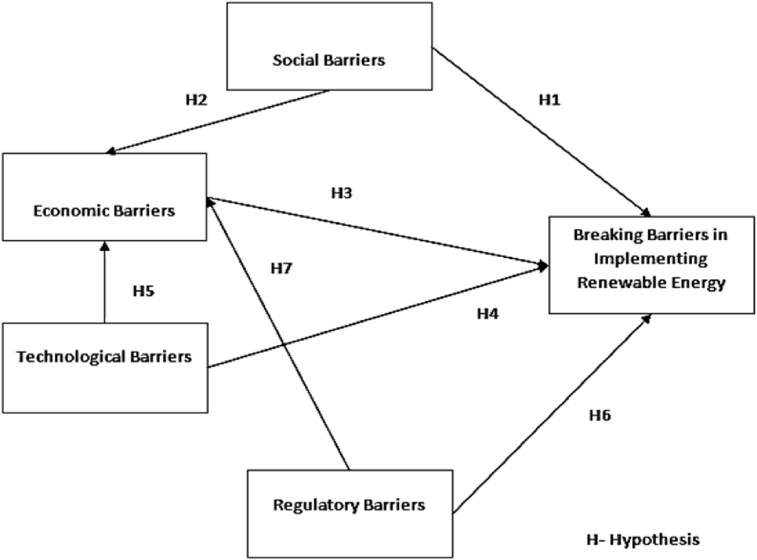
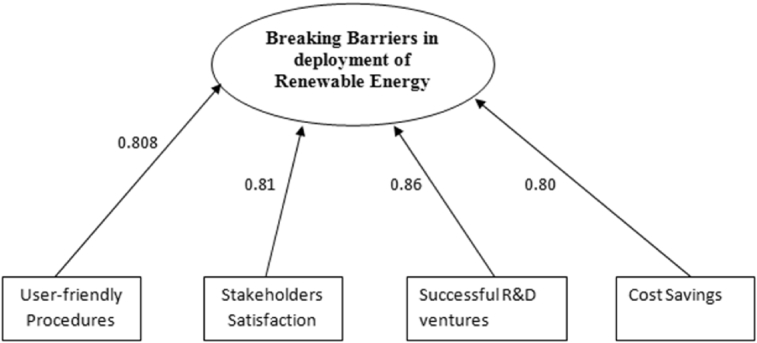
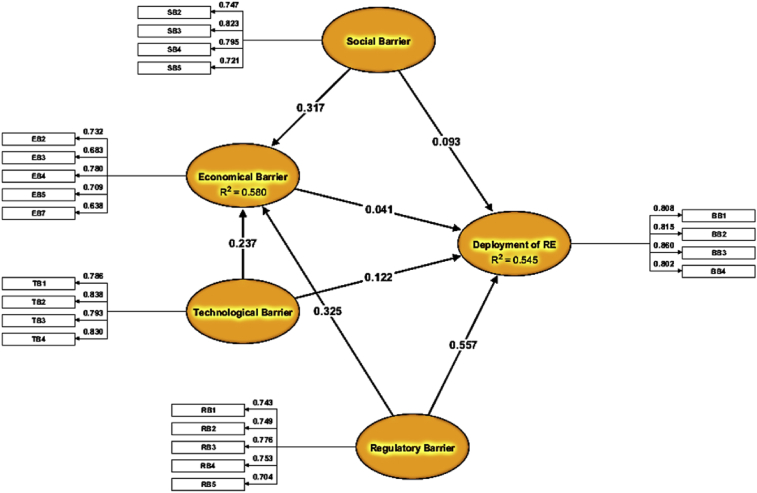
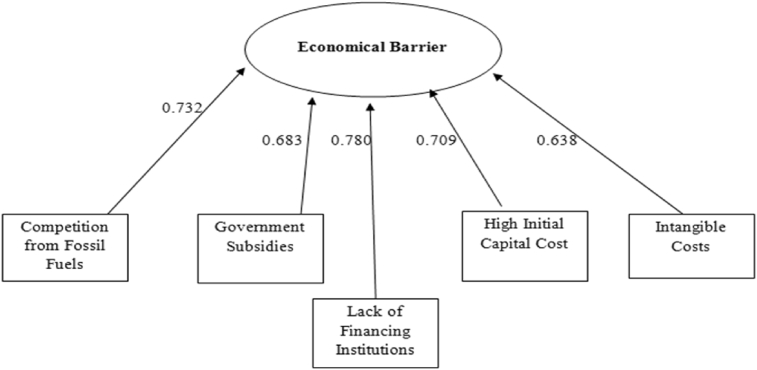
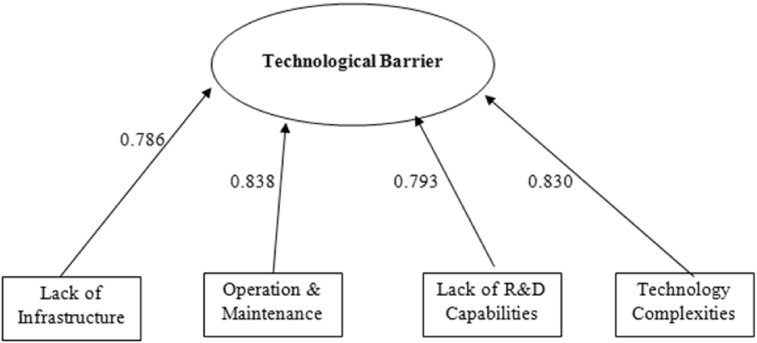
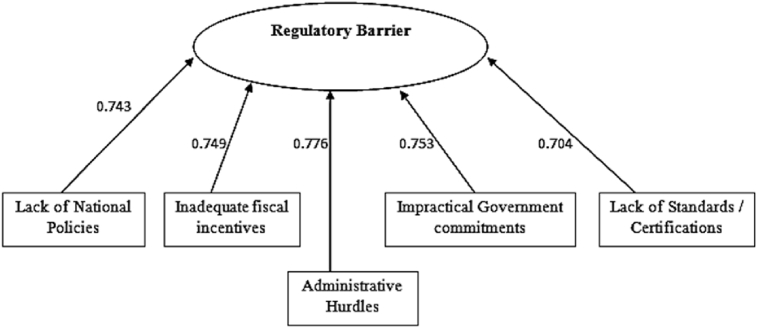
Several economic, institutional, technical and socio-cultural barriers hinder countries from moving from the high to the low emission pathway. The objective of this research is to find out the impacts of social, economic, technological and regulatory barriers in the deployment of renewable energy. Data were collected through an online questionnaire responded to by 223 professionals working in the energy sector all over the globe. This research shows that social, technological and regulatory barriers have a strong influence on the deployment of renewable energy, while economic barriers significantly influence it indirectly. By breaking research and development-related barriers, organizations will be able to invest greatly in developing advanced technologies that can optimize usage of renewable energy and make renewable energy appear more lucrative. With less polluting and lower tariff energy solutions being made available to local people, and higher profits for manufacturers, this will create an atmosphere where all stakeholders are satisfied.
若干经济、制度、技术和社会文化障碍阻碍各国从高排放路径转向低排放路径。本研究的目的是找出社会、经济、技术和监管障碍对可再生能源部署的影响。数据通过在线问卷收集,全球能源领域的223名专业人员对此进行了回应。本研究表明,社会、技术和监管障碍对可再生能源的部署有很大影响,而经济障碍则通过间接方式产生显著影响。通过打破与研发相关的障碍,各组织将能够大力投资开发先进技术,这些技术可以优化可再生能源的使用,并使可再生能源看起来更具吸引力。随着向当地居民提供污染更少、电价更低的能源解决方案,以及制造商获得更高利润,这将营造一种所有利益相关者都满意的氛围。