Zügner Roland, Tranberg Roy, Timperley John, Hodgins Diana, Mohaddes Maziar, Kärrholm Johan
Department of Orthopedics, Institute of Clinical Sciences, Sahlgrenska Academy,University of Gothenburg, Sahlgrenska University, 413 45, Göteborg, SE, Sweden.
Lundberg Laboratory for Orthopaedic Research, Sahlgrenska University Hospital, Gröna stråket 12, SE-41345, Göteborg, Sweden.
BMC Musculoskelet Disord. 2019 Feb 6;20(1):52. doi: 10.1186/s12891-019-2416-4.
Patient reported outcome measurement (PROMs) will not capture in detail the functional joint motion before and after total hip arthroplasty (THA). Therefore, methods more specifically aimed to analyse joint movements may be of interest. An analysis method that addresses these issues should be readily accessible and easy to use especially if applied to large groups of patients, who you want to study both before and after a surgical intervention such as THA. Our aim was to evaluate the accuracy of inertial measurement units (IMU) by comparison with an optical tracking system (OTS) to record pelvic tilt, hip and knee flexion in patients who had undergone THA.
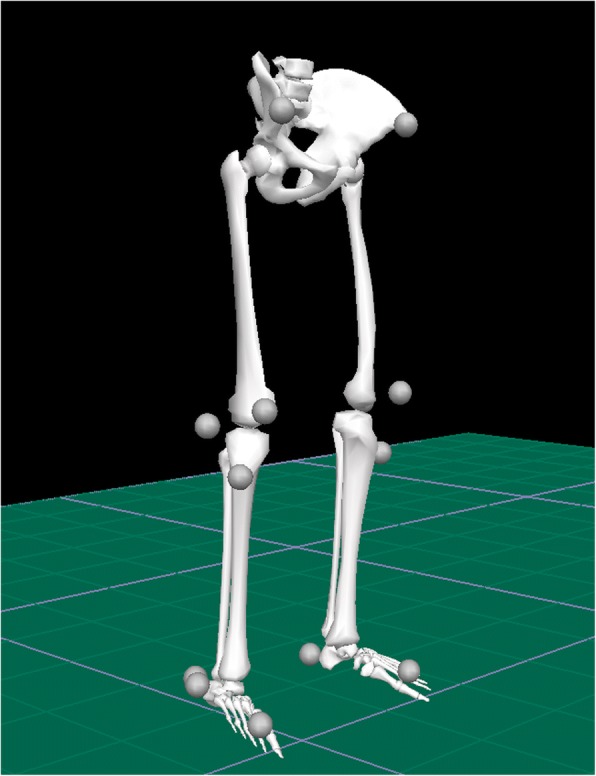
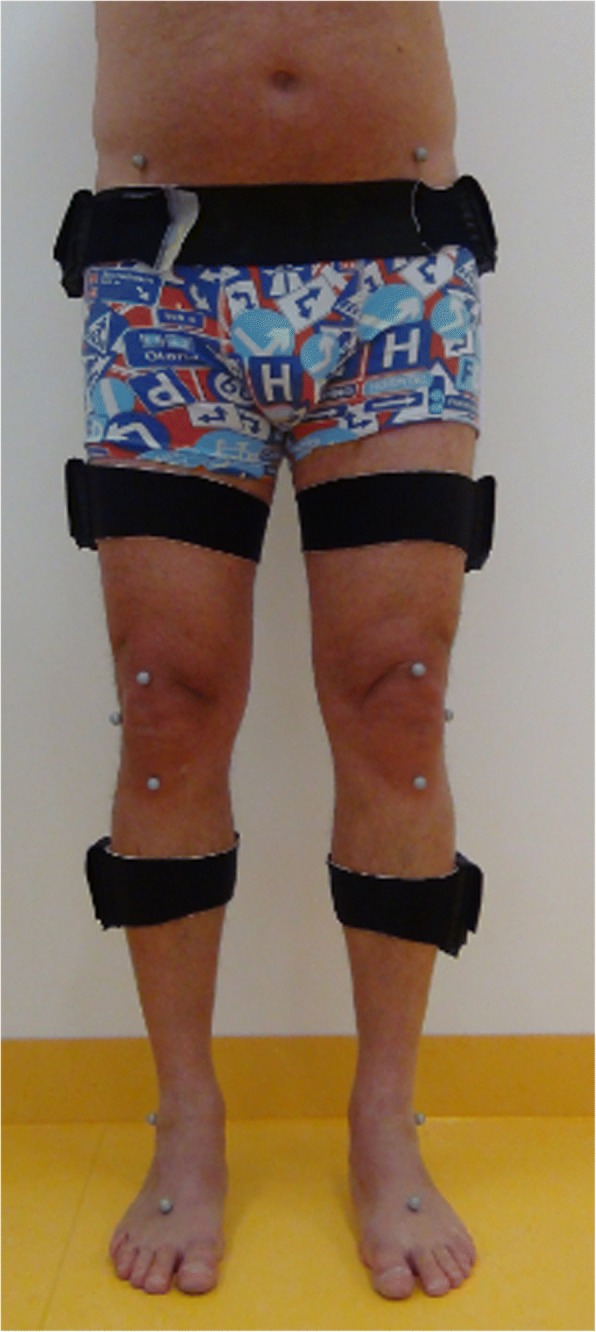
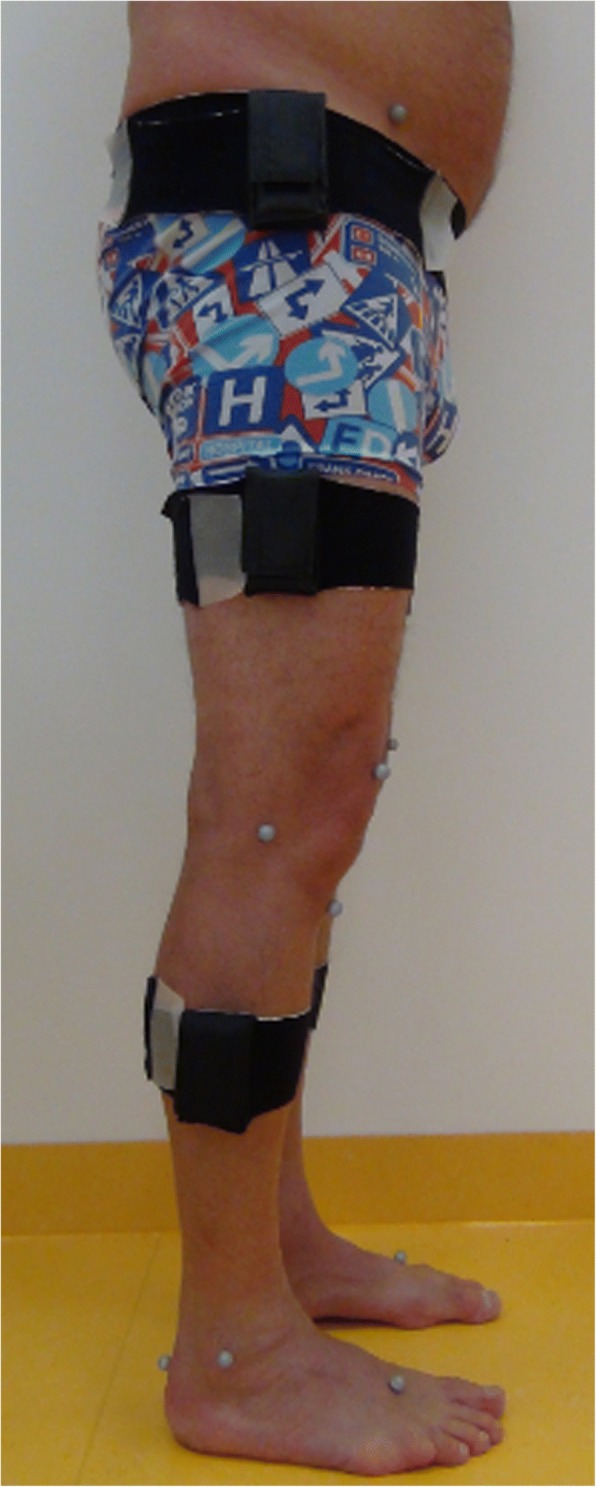
49 subjects, 25 males 24 females, mean age of 73 years (range 51-80) with THA participated. All patients were measured with a portable IMU system, with sensors attached lateral to the pelvis, the thigh and the lower leg. For validation, a 12-camera motion capture system was used to determine the positions of 15 skin markers (Oqus 4, Qualisys AB, Sweden). Comparison of sagittal pelvic rotations, and hip and knee flexion-extension motions measured with the two systems was performed. The mean values of the IMU's on the left and right sides were compared with OTS data.
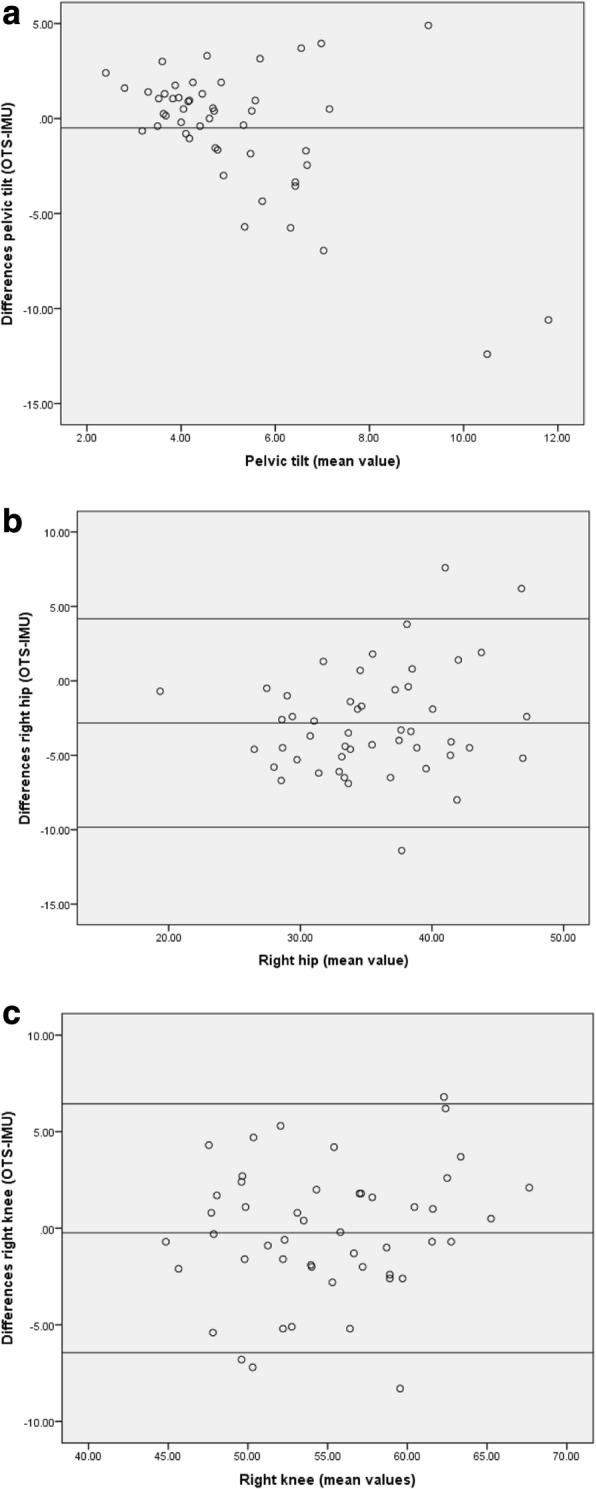
The comparison between the two gait analysis methods showed no significant difference for mean pelvic tilt range (4.9-5.4 degrees) or mean knee flexion range (54.4-55.1 degrees) on either side (p > 0.7). The IMU system did however record slightly less hip flexion on both sides (36.7-37.7 degrees for the OTS compared to 34.0-34.4 degrees for the IMU, p < 0.001).
We found that inertial measurement units can produce valid kinematic data of pelvis- and knee flexion-extension range. Slightly less hip flexion was however recorded with the inertial measurement units which may be due to the difference in the modelling of the pelvis, soft tissue artefacts, and malalignment between the two methods or misplacement of the inertial measurement units.
The study has ethical approval from the ethical committee "Regionala etikprövningsnämnden i Göteborg" (Dnr: 611-15, 2015-08-27) and all study participants have submitted written approval for participation in the study.
患者报告结局测量(PROMs)无法详细记录全髋关节置换术(THA)前后的关节功能运动。因此,更专门用于分析关节运动的方法可能会受到关注。一种能够解决这些问题的分析方法应该易于获取且易于使用,特别是当应用于大量患者时,这些患者需要在诸如THA等手术干预前后进行研究。我们的目的是通过与光学跟踪系统(OTS)比较,评估惯性测量单元(IMU)记录THA患者骨盆倾斜、髋关节和膝关节屈曲的准确性。
49例接受THA的受试者参与研究,其中男性25例,女性24例,平均年龄73岁(范围51 - 80岁)。所有患者均使用便携式IMU系统进行测量,传感器分别附着于骨盆外侧、大腿和小腿。为进行验证,使用12台摄像机的运动捕捉系统确定15个皮肤标记点的位置(Oqus 4,瑞典Qualisys AB公司)。对两种系统测量的矢状面骨盆旋转以及髋关节和膝关节屈伸运动进行比较。将IMU左右两侧的平均值与OTS数据进行比较。
两种步态分析方法的比较显示,两侧的平均骨盆倾斜范围(4.9 - 5.4度)或平均膝关节屈曲范围(54.4 - 55.1度)均无显著差异(p > 0.7)。然而,IMU系统记录的两侧髋关节屈曲角度略小(OTS为36.7 - 37.7度,IMU为34.0 - 34.4度,p < 0.001)。
我们发现惯性测量单元能够产生骨盆和膝关节屈伸范围的有效运动学数据。然而,惯性测量单元记录的髋关节屈曲角度略小,这可能是由于两种方法在骨盆建模、软组织伪影、两者之间的排列不齐或惯性测量单元放置不当等方面存在差异。
该研究已获得伦理委员会“哥德堡地区伦理审查委员会”(编号:611 - 15,2015 - 08 - 27)的伦理批准,所有研究参与者均已提交参与研究的书面批准书。