Yang Ying, Luo Mingjing, Zhou Haokui, Li Carmen, Luk Alison, Zhao GuoPing, Fung Kitty, Ip Margaret
Department of Microbiology, The Chinese University of Hong Kong, Shatin, Hong Kong.
Front Microbiol. 2019 Jan 23;10:10. doi: 10.3389/fmicb.2019.00010. eCollection 2019.
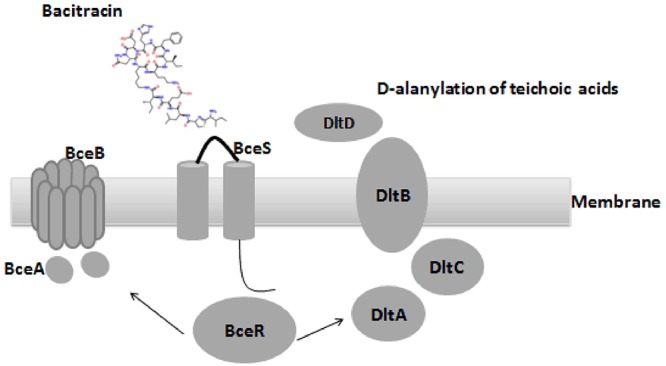
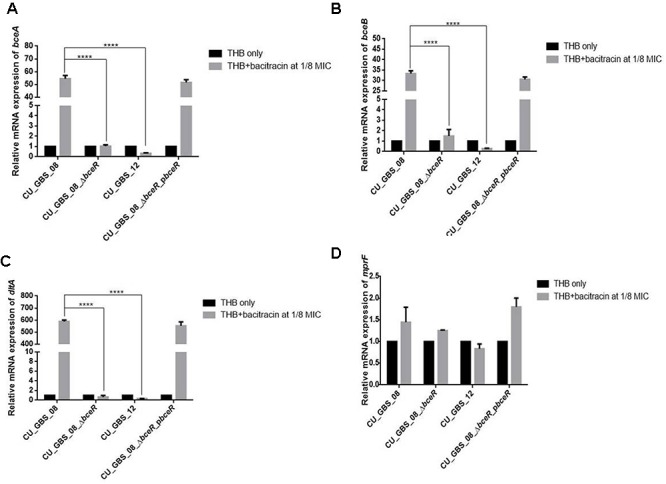
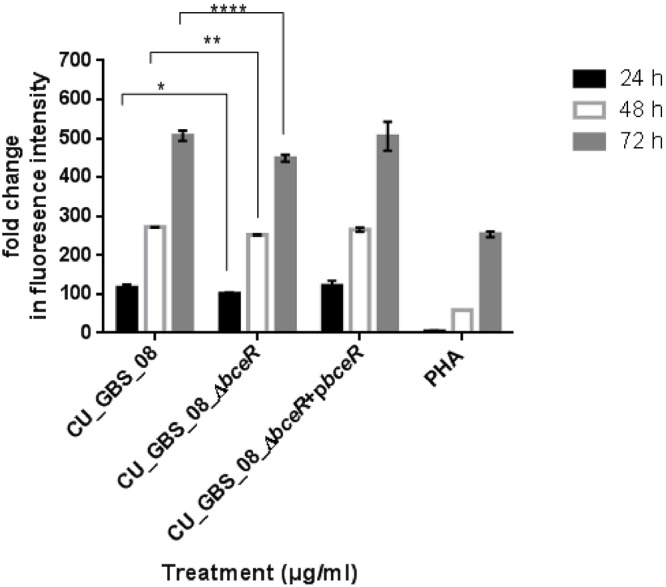
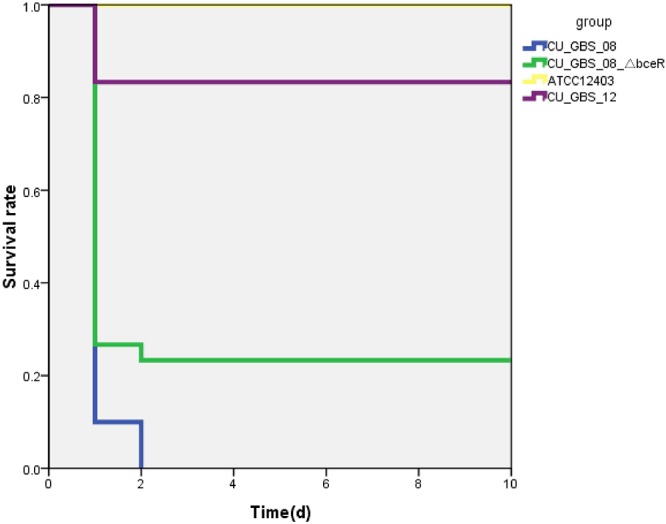
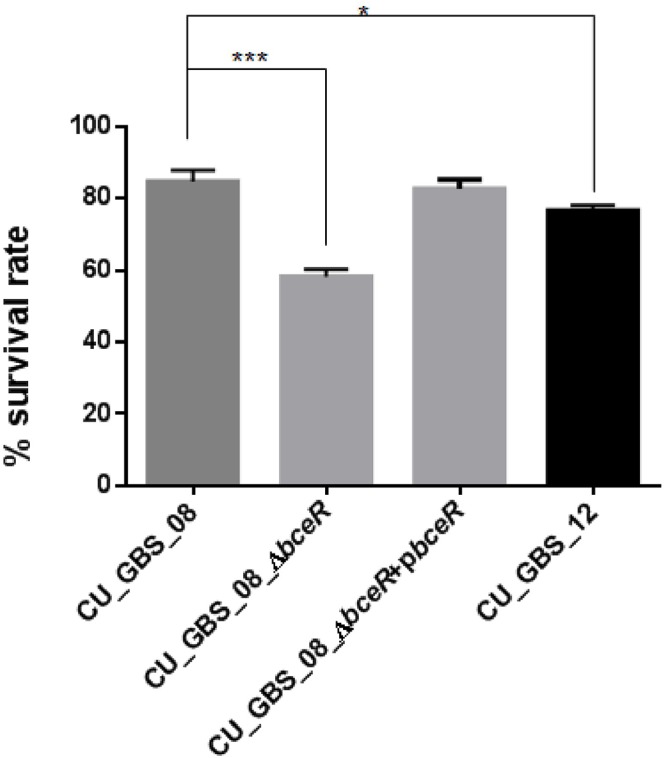
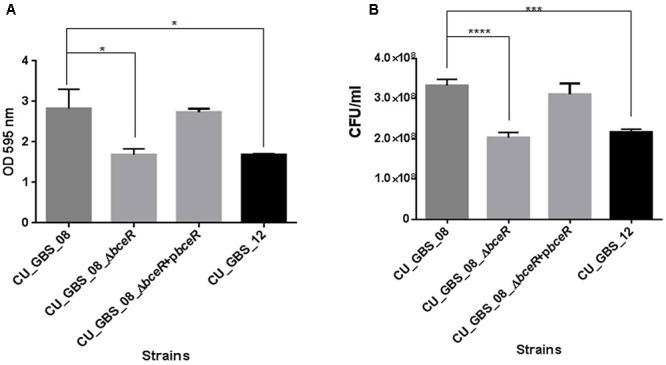
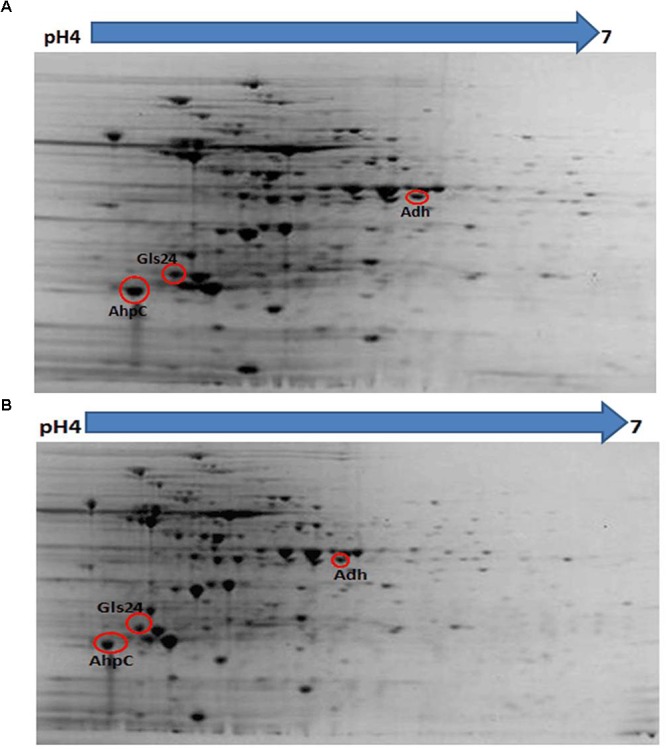
Group B Streptococcus (GBS; ) is a leading cause of sepsis in neonates and pregnant mothers worldwide. Whereas the hyper-virulent serogroup III clonal cluster 17 has been associated with neonatal disease and meningitis, serogroup III ST283 was recently implicated in invasive disease among non-pregnant adults in Asia. Here, through comparative genome analyses of invasive and non-invasive ST283 strains, we identified a truncated DNA-binding regulator of a two-component system in a non-invasive strain that was homologous to , encoding the response regulator, which was conserved among GBS strains. Using isogenic knockout and complementation mutants of the ST283 strain, we demonstrated that resistance to bacitracin and the human antimicrobial peptide cathelicidin LL-37 was reduced in the Δ strain with MICs changing from 64 and 256 μg/ml to 0.25 and 64 μg/ml, respectively. Further, the ATP-binding cassette transporter was upregulated by sub-inhibitory concentrations of bacitracin in the wild-type strain. Upregulation of in the wild-type strain was also observed and thought to explain the increased resistance to antimicrobial peptides. DltA, an enzyme involved in D-alanylation during the synthesis of wall teichoic acids, which mediates reduced antimicrobial susceptibility, was previously shown to be regulated by the -type regulator in In a murine infection model, we found that the Δ mutation significantly reduced the mortality rate compared to that with the wild-type strain ( < 0.01). Moreover, this mutant was more susceptible to oxidative stress compared to the wild-type strain ( < 0.001) and was associated with reduced biofilm formation ( < 0.0001). Based on 2-DGE and mass spectrometry, we showed that downregulation of alkyl hydroperoxide reductase (AhpC), a Gls24 family stress protein, and alcohol dehydrogenase (Adh) in the Δ strain might explain the attenuated virulence and compromised stress response. Together, we showed for the first time that the regulator in GBS plays an important role in bacitracin and antimicrobial peptide resistance, virulence, survival under oxidative stress, and biofilm formation.
B族链球菌(GBS;)是全球新生儿和孕妇败血症的主要病因。高毒力血清群III克隆簇17与新生儿疾病和脑膜炎有关,而血清群III ST283最近被认为与亚洲非孕妇成人的侵袭性疾病有关。在这里,通过对侵袭性和非侵袭性ST283菌株的比较基因组分析,我们在一株非侵袭性菌株中鉴定出一种双组分系统的截短DNA结合调节因子,该调节因子与编码应答调节因子的同源,在GBS菌株中保守。使用ST283菌株的同基因敲除和互补突变体,我们证明Δ菌株对杆菌肽和人抗菌肽cathelicidin LL-37的抗性降低,MIC分别从64和256μg/ml变为0.25和64μg/ml。此外,在野生型菌株中,杆菌肽的亚抑制浓度上调了ATP结合盒转运蛋白。在野生型菌株中也观察到的上调,并认为这可以解释对抗菌肽抗性的增加。DltA是一种参与壁磷壁酸合成过程中D-丙氨酰化的酶,它介导抗菌敏感性降低,先前已证明它受中的型调节因子调节。在小鼠感染模型中,我们发现与野生型菌株相比,Δ突变显著降低了死亡率(<0.01)。此外,与野生型菌株相比,该突变体对氧化应激更敏感(<0.001),并且与生物膜形成减少有关(<0.0001)。基于二维凝胶电泳和质谱分析,我们表明Δ菌株中烷基过氧化氢还原酶(AhpC)、Gls24家族应激蛋白和乙醇脱氢酶(Adh)的下调可能解释了毒力减弱和应激反应受损。总之,我们首次表明GBS中的调节因子在杆菌肽和抗菌肽抗性、毒力、氧化应激下的存活以及生物膜形成中起重要作用。