CNRS, Univ. Grenoble Alpes, Grenoble INP, GIPSA-lab, Grenoble, France.
PLoS One. 2019 Feb 7;14(2):e0211511. doi: 10.1371/journal.pone.0211511. eCollection 2019.
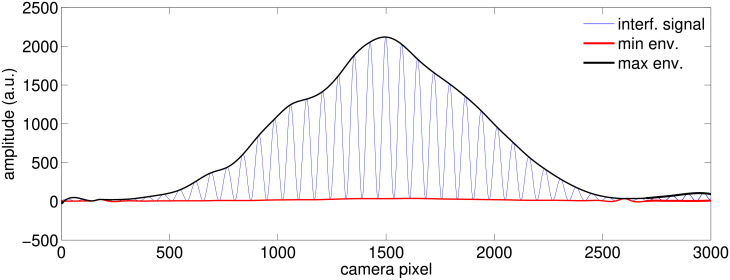
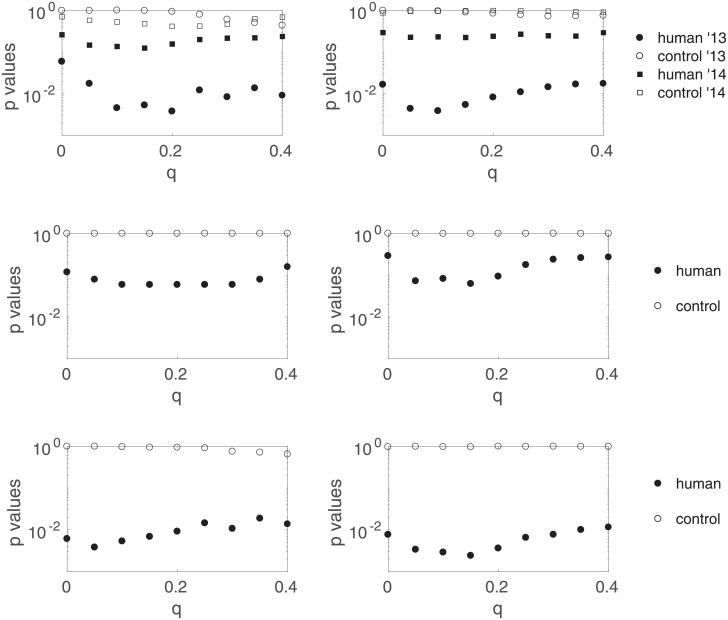
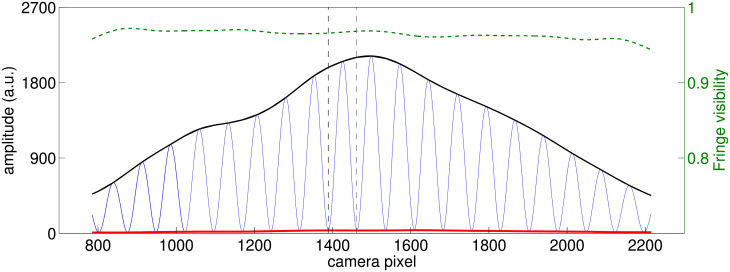
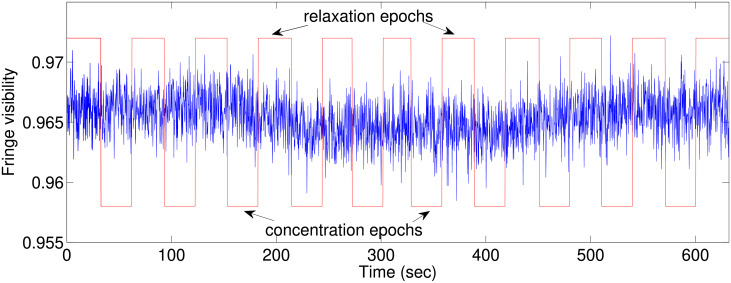
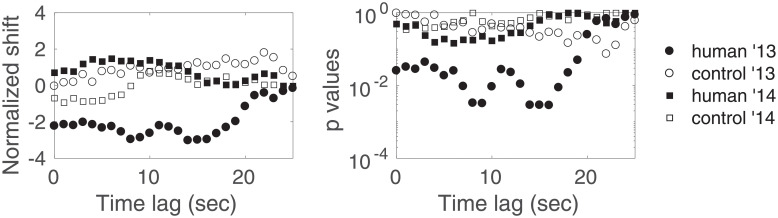
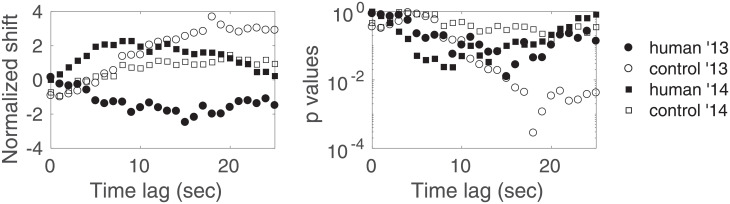
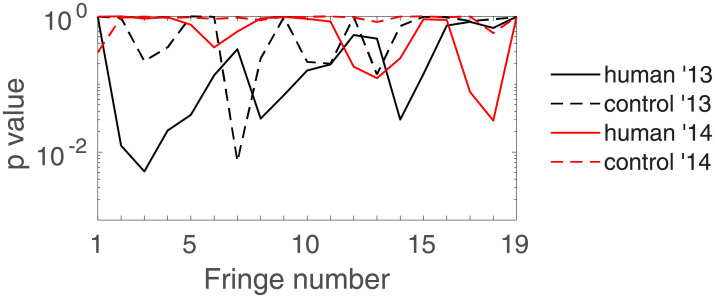
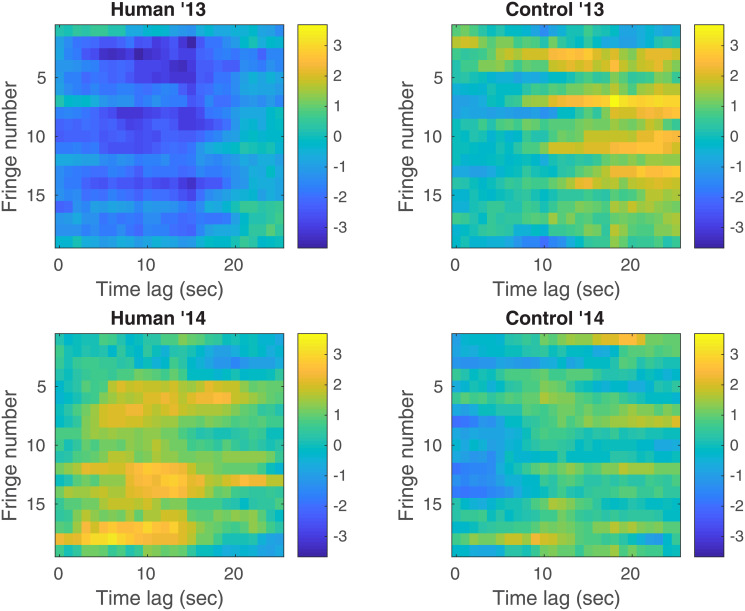
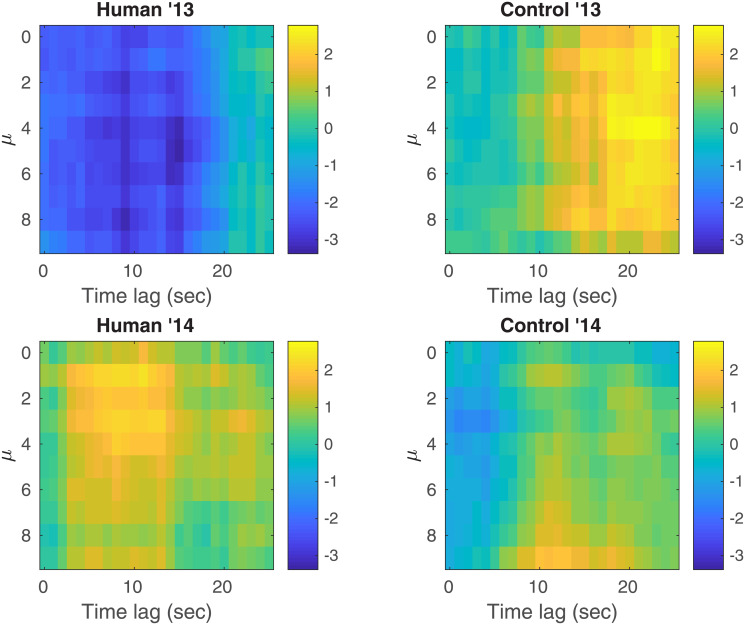
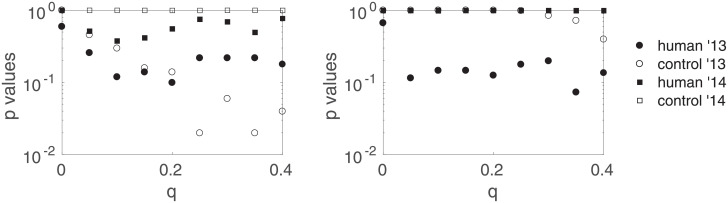
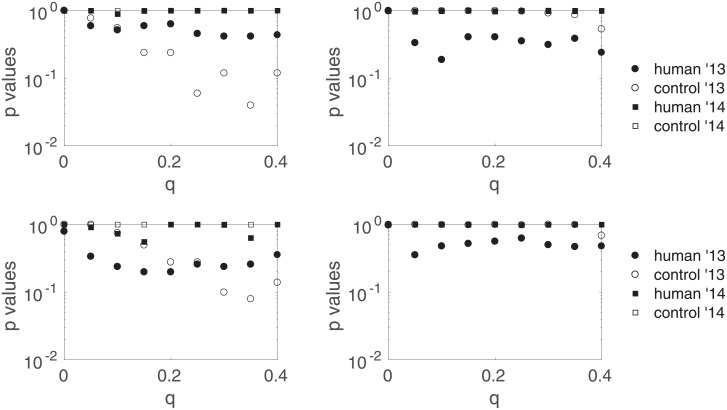
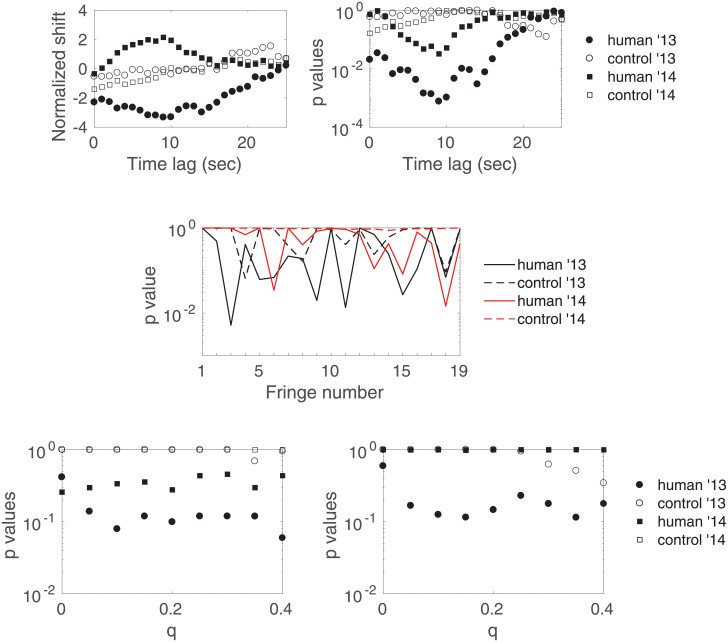
A two year long experimental dataset in which authors of Radin, et al., 2016 claim to find evidence of mind-matter interaction is independently re-analyzed. In this experiment, participants are asked to periodically shift their attention towards or away from a double-slit optical apparatus. Shifts in fringe visibility of the interference pattern are monitored and tested against the common sense null hypothesis that such shifts should not correlate with the participant's attention state. We propose a deeper analysis of the dataset, identifying all the necessary arbitrary pre-analysis choices one needs to make, and carefully assessing the results' robustness regarding these choices. Results are twofold. Firstly, even with a conservative correction for the multiple statistical tests the analysis calls for, we confirm the existence of significant although small anomalies in the direction predicted by the mind-matter interaction hypothesis. On the other hand, and unlike Radin, et al., 2016, we also report significant although even smaller anomalies in the control dataset. This leads us to conclude that this particular dataset does not provide strong evidence of mind-matter interaction, yet certainly contains inexplicable anomalies that should motivate replication attempts in highly controlled environments.
对 Radin 等人在 2016 年声称发现心物相互作用证据的两年期实验数据集进行独立重新分析。在这个实验中,要求参与者定期将注意力转移到或远离双缝光学仪器。监测干涉图案条纹可见度的变化,并根据常识零假设进行测试,即这种变化不应与参与者的注意状态相关。我们提出了对数据集的更深入分析,确定了进行分析所需的所有必要的任意预分析选择,并仔细评估了这些选择对结果的稳健性。结果有两个方面。首先,即使对分析要求的多项统计测试进行了保守修正,我们也确认了在心灵物质相互作用假设预测的方向上存在尽管很小但显著的异常。另一方面,与 Radin 等人 2016 年的研究不同,我们还报告了在对照组数据集中存在尽管更小但仍然显著的异常。这使我们得出结论,该特定数据集并未提供心物相互作用的有力证据,但确实包含了应该在高度受控环境中激发复制尝试的无法解释的异常。