Wayne State University School of Medicine, Department of Pharmacology, Detroit, MI, 48201, USA.
Wayne State University School of Medicine, Center for Molecular Medicine & Genetics, Detroit, MI, 48201, USA.
Sci Rep. 2019 Feb 7;9(1):1534. doi: 10.1038/s41598-018-38209-8.
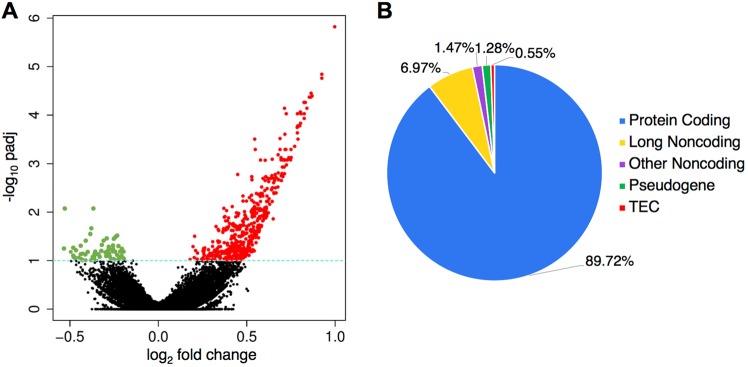
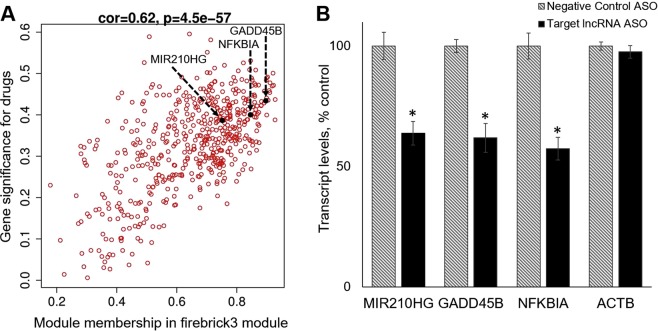
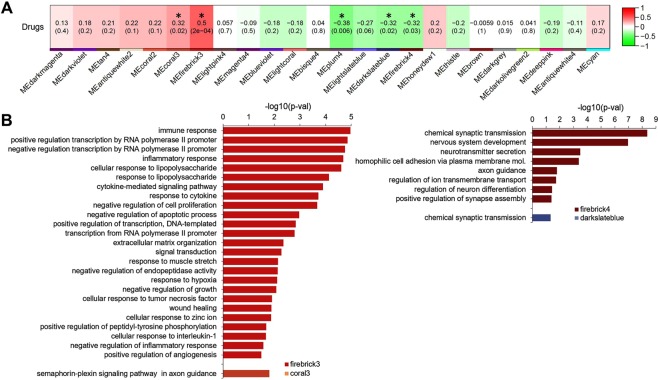
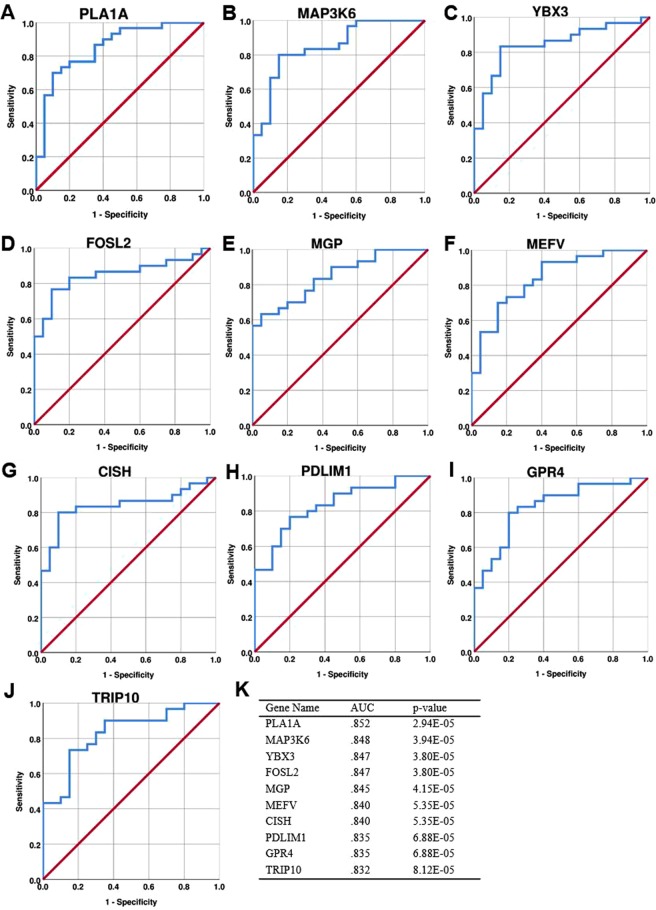
Opioid abuse is now the most common cause of accidental death in the US. Although opioids and most other drugs of abuse acutely increase signaling mediated by midbrain dopamine (DA)-synthesizing neurons, little is known about long-lasting changes in DA cells that may contribute to continued opioid abuse, craving, and relapse. A better understanding of the molecular and cellular bases of opioid abuse could lead to advancements in therapeutics. This study comprises, to our knowledge, the first unbiased examination of genome-wide changes in midbrain gene expression associated with human opioid abuse. Our analyses identified differentially expressed genes and distinct gene networks associated with opioid abuse, specific genes with predictive capability for subject assignment to the opioid abuse cohort, and genes most similarly affected in chronic opioid and cocaine abusers. We also identified differentially expressed long noncoding RNAs capable of regulating known drug-responsive protein-coding genes. Opioid-regulated genes identified in this study warrant further investigation as potential biomarkers and/or therapeutic targets for human substance abuse.
阿片类药物滥用现在是美国最常见的意外死亡原因。尽管阿片类药物和大多数其他滥用药物会急性增加中脑多巴胺(DA)合成神经元介导的信号,但对于可能导致持续阿片类药物滥用、渴望和复发的 DA 细胞的长期变化知之甚少。对阿片类药物滥用的分子和细胞基础有更好的了解,可能会推动治疗方法的进步。这项研究是我们所知的首次对与人类阿片类药物滥用相关的中脑基因表达的全基因组变化进行的无偏分析。我们的分析确定了与阿片类药物滥用相关的差异表达基因和不同的基因网络,具有预测能力的特定基因可将受试者分配到阿片类药物滥用组,以及在慢性阿片类药物和可卡因滥用者中受影响最相似的基因。我们还确定了差异表达的长非编码 RNA,它们能够调节已知的药物反应性蛋白编码基因。本研究中鉴定的阿片类药物调节基因值得进一步研究,作为人类物质滥用的潜在生物标志物和/或治疗靶点。