Akgül Seçkin, Patch Ann-Marie, D'Souza Rochelle C J, Mukhopadhyay Pamela, Nones Katia, Kempe Sarah, Kazakoff Stephen H, Jeffree Rosalind L, Stringer Brett W, Pearson John V, Waddell Nicola, Day Bryan W
Cell and Molecular Biology Department, QIMR Berghofer Medical Research Institute, Brisbane 4006, QLD, Australia.
School of Medicine, Griffith University, Gold Coast 4215, QLD, Australia.
Cancers (Basel). 2019 Feb 6;11(2):190. doi: 10.3390/cancers11020190.
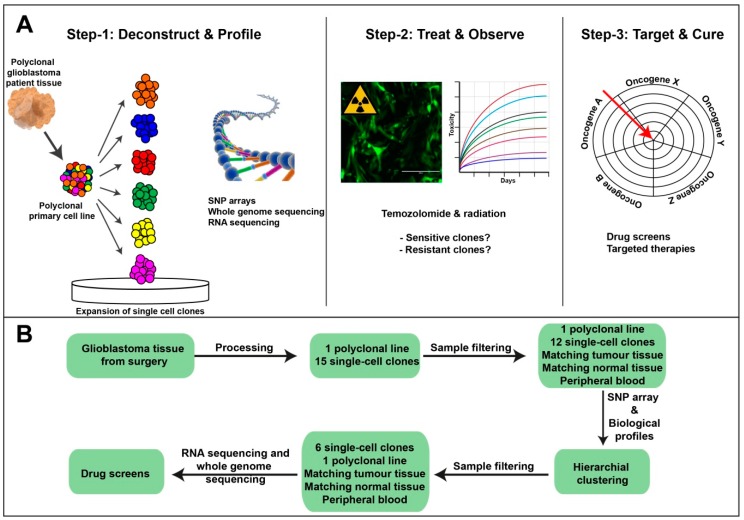
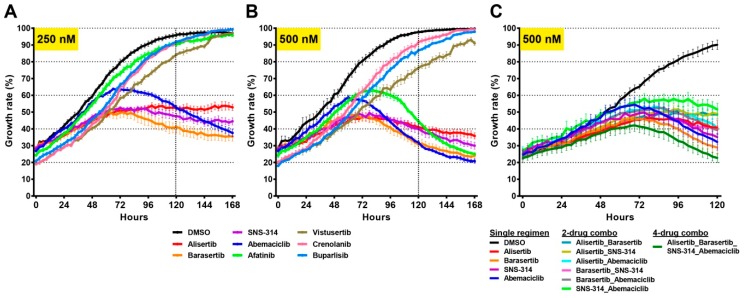
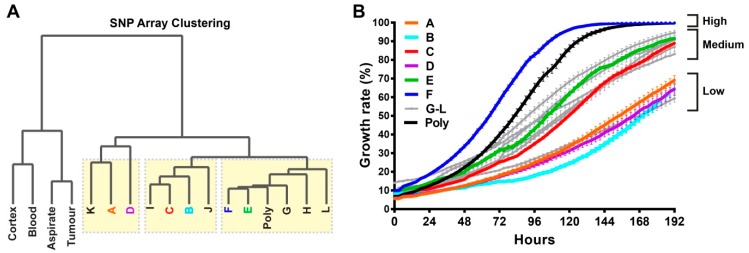
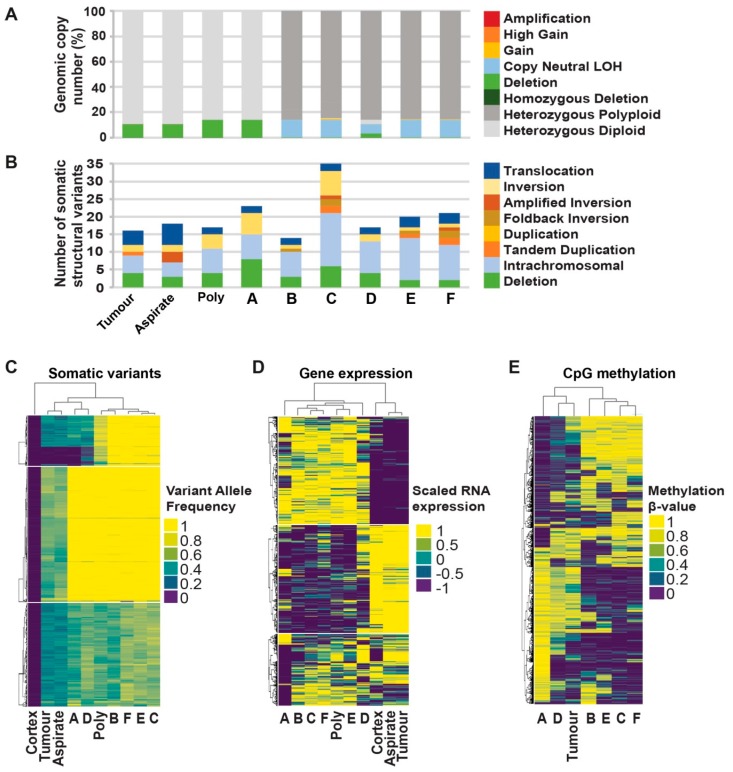
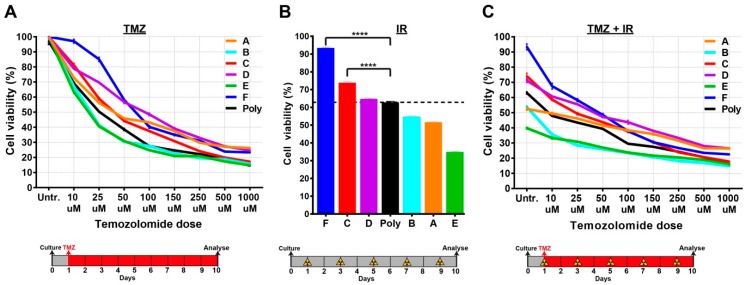
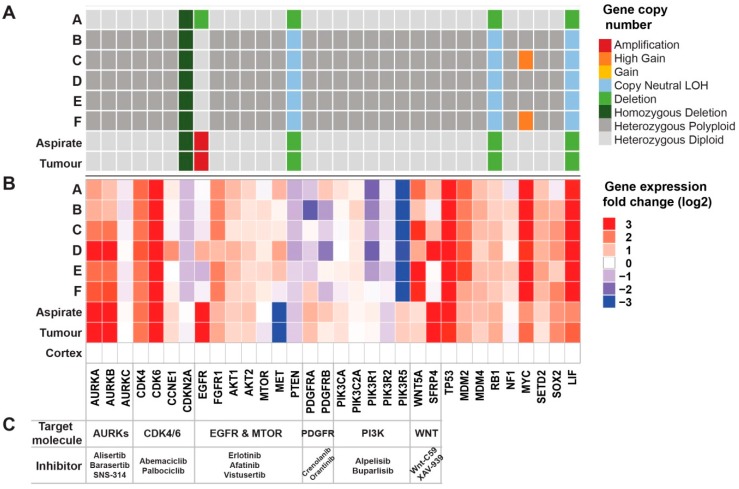
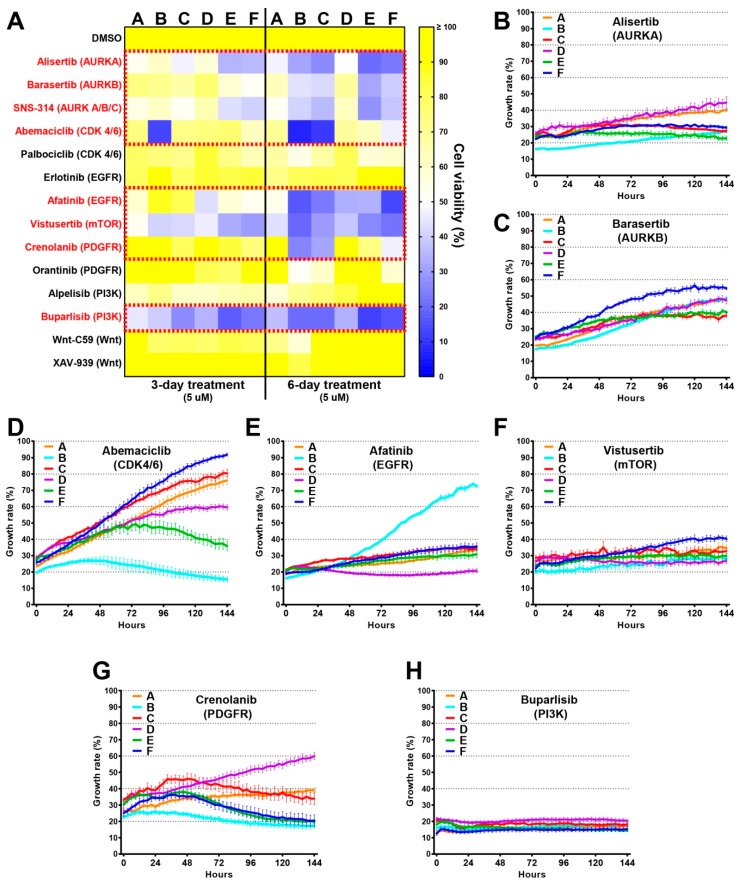
Glioblastomas are the most common and lethal neoplasms of the central nervous system. Neighbouring glioma cells maintain extreme degrees of genetic and phenotypic variation that form intratumoural heterogeneity. This genetic diversity allows the most adaptive tumour clones to develop treatment resistance, ultimately leading to disease recurrence. We aimed to model this phenomenon and test the effectiveness of several targeted therapeutic interventions to overcome therapy resistance. Heterogeneous tumour masses were first deconstructed into single tumour cells, which were expanded independently as single-cell clones. Single nucleotide polymorphism arrays, whole-genome and RNA sequencing, and CpG methylation analysis validated the unique molecular profile of each tumour clone, which displayed distinct pathologic features, including cell morphology, growth rate, and resistance to temozolomide and ionizing radiation. We also identified variable sensitivities to AURK, CDK, and EGFR inhibitors which were consistent with the heterogeneous molecular alterations that each clone harboured. These targeted therapies effectively eliminated the temozolomide- and/or irradiation-resistant clones and also parental polyclonal cells. Our findings indicate that polyclonal tumours create a dynamic environment that consists of diverse tumour elements and treatment responses. Designing targeted therapies based on a range of molecular profiles can be a more effective strategy to eradicate treatment resistance, recurrence, and metastasis.
胶质母细胞瘤是中枢神经系统最常见且致命的肿瘤。相邻的胶质瘤细胞保持着极高程度的遗传和表型变异,形成肿瘤内异质性。这种遗传多样性使最具适应性的肿瘤克隆产生治疗抗性,最终导致疾病复发。我们旨在模拟这一现象,并测试几种靶向治疗干预措施克服治疗抗性的有效性。首先将异质性肿瘤块解构为单个肿瘤细胞,这些细胞作为单细胞克隆独立扩增。单核苷酸多态性阵列、全基因组和RNA测序以及CpG甲基化分析验证了每个肿瘤克隆独特的分子特征,其表现出不同的病理特征,包括细胞形态、生长速率以及对替莫唑胺和电离辐射的抗性。我们还确定了对极光激酶(AURK)、细胞周期蛋白依赖性激酶(CDK)和表皮生长因子受体(EGFR)抑制剂的不同敏感性,这与每个克隆所具有的异质性分子改变一致。这些靶向治疗有效地消除了对替莫唑胺和/或辐射耐药的克隆以及亲代多克隆细胞。我们的研究结果表明,多克隆肿瘤创造了一个由多种肿瘤成分和治疗反应组成的动态环境。基于一系列分子特征设计靶向治疗可能是根除治疗抗性、复发和转移的更有效策略。