Kim Ella L, Sorokin Maxim, Kantelhardt Sven Rainer, Kalasauskas Darius, Sprang Bettina, Fauss Julian, Ringel Florian, Garazha Andrew, Albert Eugene, Gaifullin Nurshat, Hartmann Christian, Naumann Nicole, Bikar Sven-Ernö, Giese Alf, Buzdin Anton
Clinic for Neurosurgery, Laboratory of Experimental Neurooncology, Johannes Gutenberg University Medical Centre, Langenbeckstrasse 1, 55124 Mainz, Germany.
Institute of Personalized Medicine, I.M. Sechenov First Moscow State Medical University, 119991 Moscow, Russia.
Cancers (Basel). 2020 Feb 24;12(2):520. doi: 10.3390/cancers12020520.
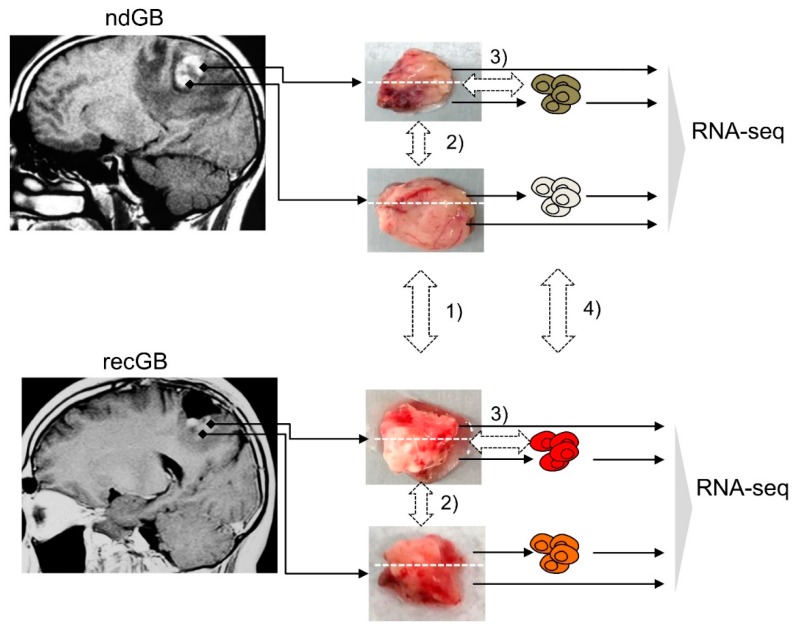
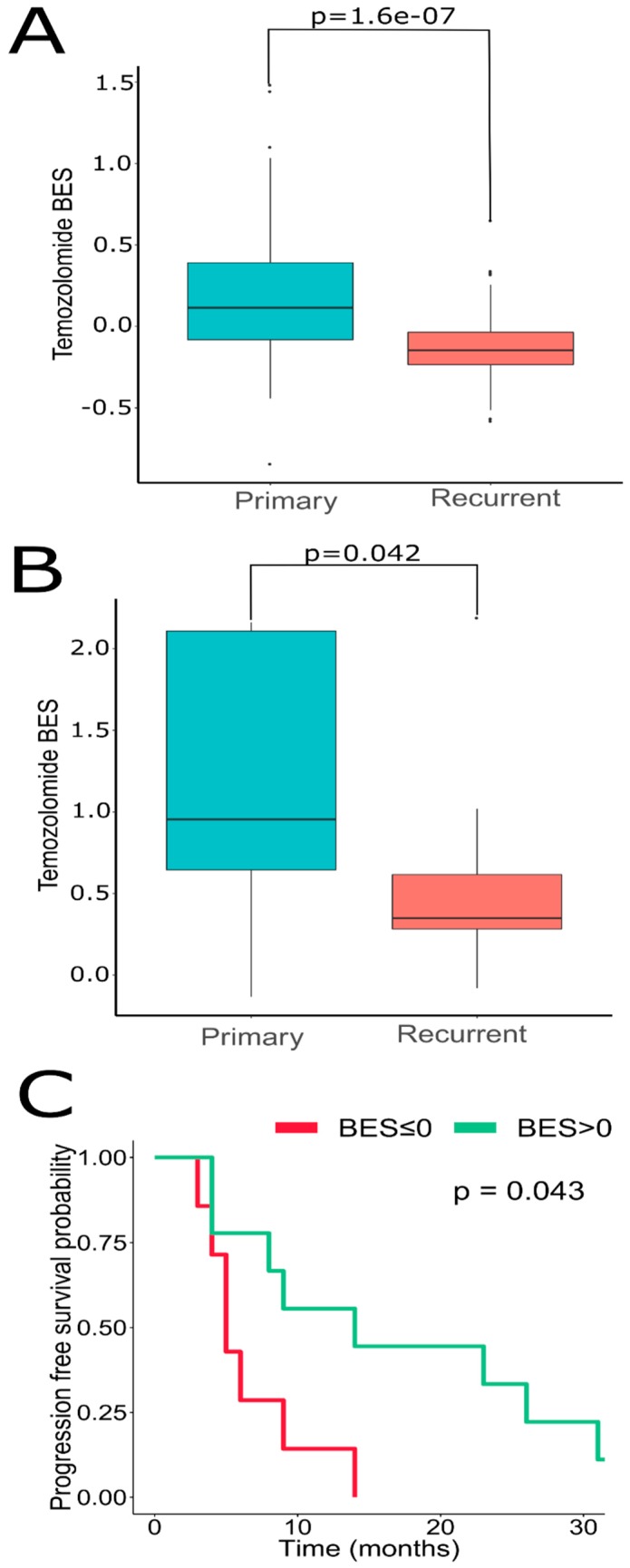
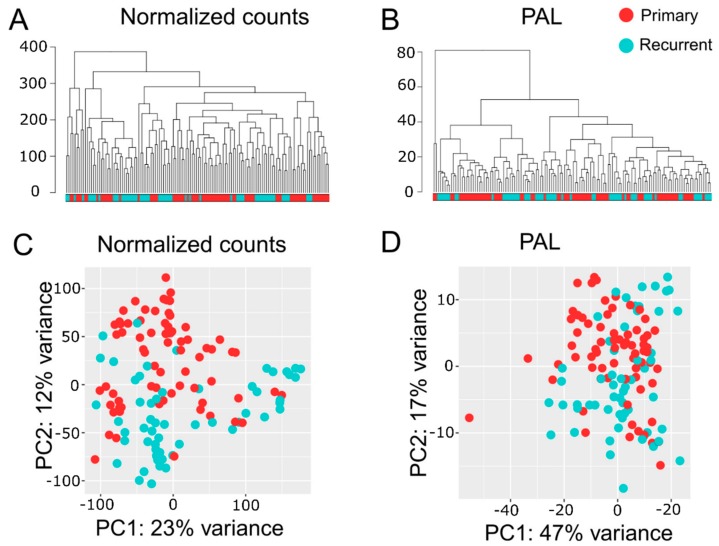
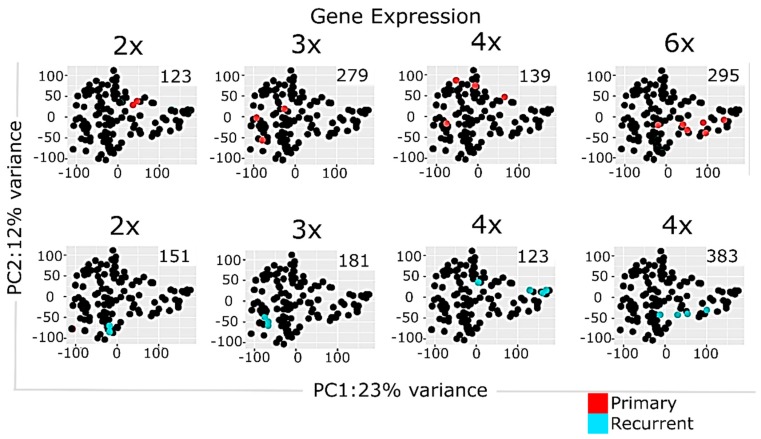
Inevitable recurrence after radiochemotherapy is the major problem in the treatment of glioblastoma, the most prevalent type of adult brain malignancy. Glioblastomas are notorious for a high degree of intratumor heterogeneity manifest through a diversity of cell types and molecular patterns. The current paradigm of understanding glioblastoma recurrence is that cytotoxic therapy fails to target effectively glioma stem cells. Recent advances indicate that therapy-driven molecular evolution is a fundamental trait associated with glioblastoma recurrence. There is a growing body of evidence indicating that intratumor heterogeneity, longitudinal changes in molecular biomarkers and specific impacts of glioma stem cells need to be taken into consideration in order to increase the accuracy of molecular diagnostics still relying on readouts obtained from a single tumor specimen. : This study integrates a multisampling strategy, longitudinal approach and complementary transcriptomic investigations in order to identify transcriptomic traits of recurrent glioblastoma in whole-tissue specimens of glioblastoma or glioblastoma stem cells. In this study, 128 tissue samples of 44 tumors including 23 first diagnosed, 19 recurrent and 2 secondary recurrent glioblastomas were analyzed along with 27 primary cultures of glioblastoma stem cells by RNA sequencing. A novel algorithm was used to quantify longitudinal changes in pathway activities and model efficacy of anti-cancer drugs based on gene expression data. : Our study reveals that intratumor heterogeneity of gene expression patterns is a fundamental characteristic of not only newly diagnosed but also recurrent glioblastomas. Evidence is provided that glioblastoma stem cells recapitulate intratumor heterogeneity, longitudinal transcriptomic changes and drug sensitivity patterns associated with the state of recurrence. : Our results provide a transcriptional rationale for the lack of significant therapeutic benefit from temozolomide in patients with recurrent glioblastoma. Our findings imply that the spectrum of potentially effective drugs is likely to differ between newly diagnosed and recurrent glioblastomas and underscore the merits of glioblastoma stem cells as prognostic models for identifying alternative drugs and predicting drug response in recurrent glioblastoma. With the majority of recurrent glioblastomas being inoperable, glioblastoma stem cell models provide the means of compensating for the limited availability of recurrent glioblastoma specimens.
放化疗后不可避免的复发是成人大脑恶性肿瘤中最常见的胶质母细胞瘤治疗的主要问题。胶质母细胞瘤因肿瘤内高度异质性而臭名昭著,这种异质性通过多种细胞类型和分子模式表现出来。目前对胶质母细胞瘤复发的理解范式是细胞毒性疗法无法有效靶向胶质瘤干细胞。最近的进展表明,治疗驱动的分子进化是与胶质母细胞瘤复发相关的一个基本特征。越来越多的证据表明,为了提高仍依赖于从单个肿瘤标本获得的读数的分子诊断的准确性,需要考虑肿瘤内异质性、分子生物标志物的纵向变化以及胶质瘤干细胞的特定影响。本研究整合了多采样策略、纵向方法和互补的转录组学研究,以确定胶质母细胞瘤或胶质母细胞瘤干细胞全组织标本中复发性胶质母细胞瘤的转录组特征。在本研究中,通过RNA测序分析了44个肿瘤的128个组织样本,包括23个初诊、19个复发和2个二次复发的胶质母细胞瘤,以及27个胶质母细胞瘤干细胞的原代培养物。使用一种新算法基于基因表达数据量化通路活性的纵向变化并模拟抗癌药物的疗效。我们的研究表明,基因表达模式的肿瘤内异质性不仅是新诊断的胶质母细胞瘤的基本特征,也是复发性胶质母细胞瘤的基本特征。有证据表明,胶质母细胞瘤干细胞概括了与复发状态相关的肿瘤内异质性、纵向转录组变化和药物敏感性模式。我们的结果为替莫唑胺对复发性胶质母细胞瘤患者缺乏显著治疗益处提供了转录学依据。我们的发现意味着新诊断和复发性胶质母细胞瘤之间潜在有效药物的谱可能不同,并强调了胶质母细胞瘤干细胞作为识别替代药物和预测复发性胶质母细胞瘤药物反应的预后模型的优点。由于大多数复发性胶质母细胞瘤无法手术切除,胶质母细胞瘤干细胞模型提供了弥补复发性胶质母细胞瘤标本有限可用性的方法。