CIIMAR/CIMAR-Interdisciplinary Centre of Marine and Environmental Research, University of Porto, 4450-208 Matosinhos, Portugal.
FCUP-Faculty of Sciences, Department of Biology, University of Porto, 4169-007 Porto, Portugal.
Genes (Basel). 2019 Feb 6;10(2):121. doi: 10.3390/genes10020121.
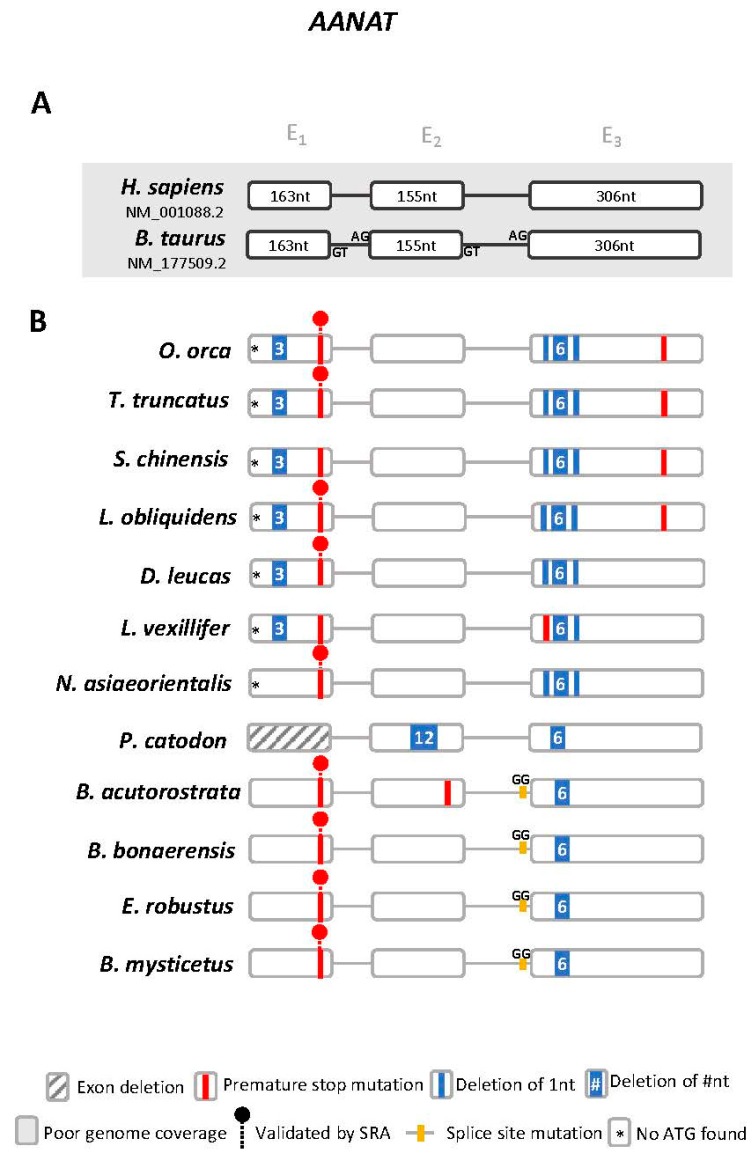
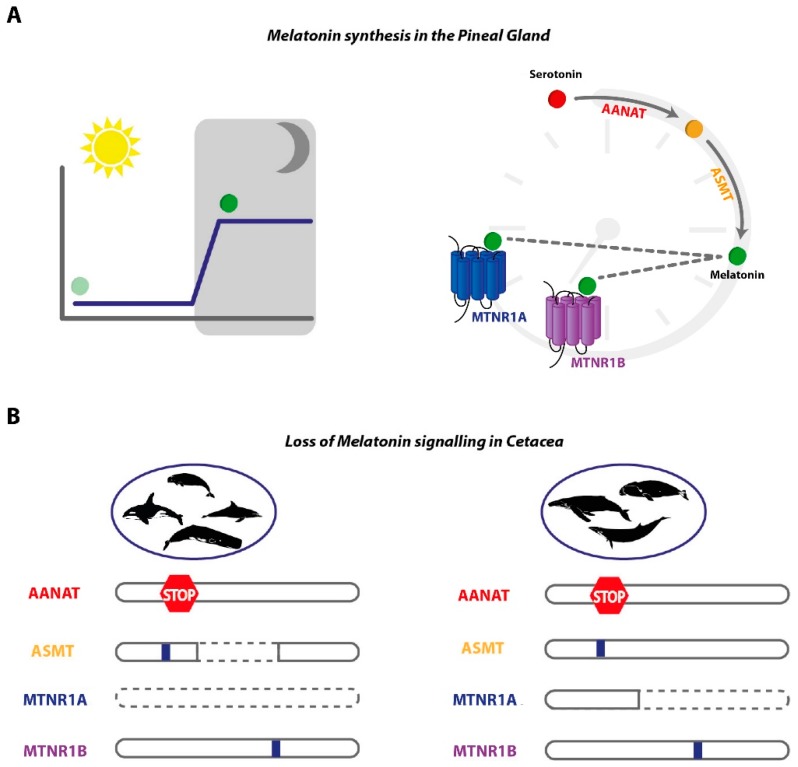
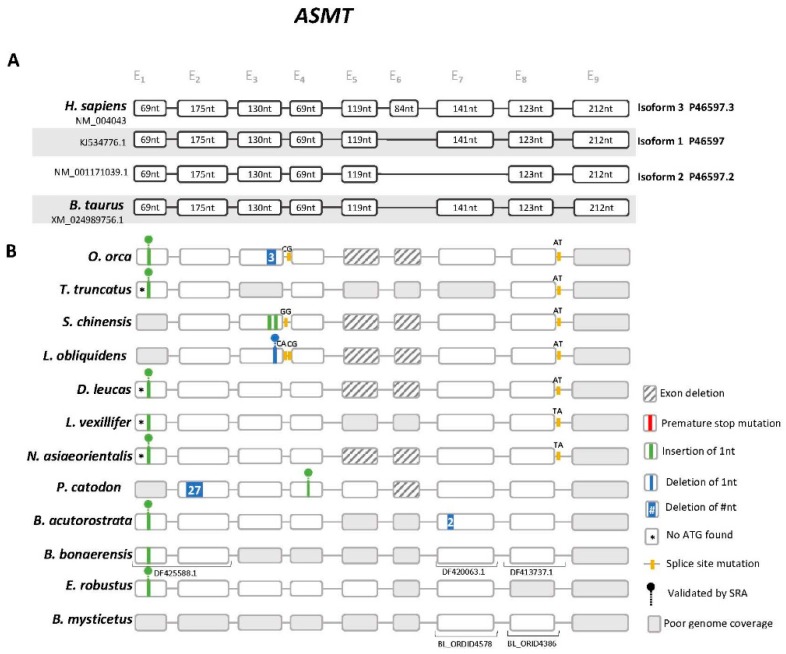
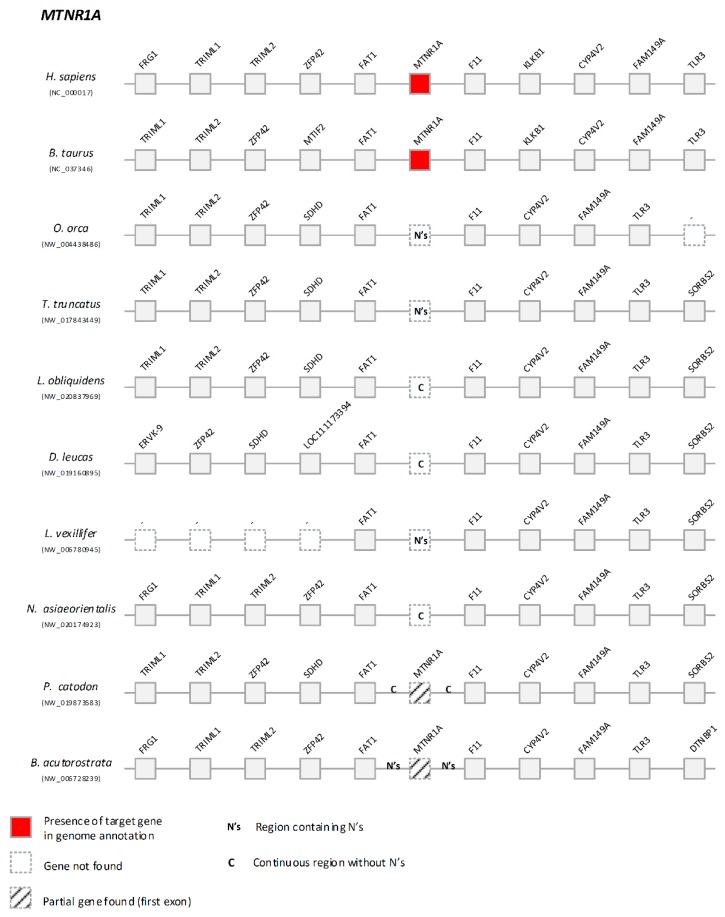
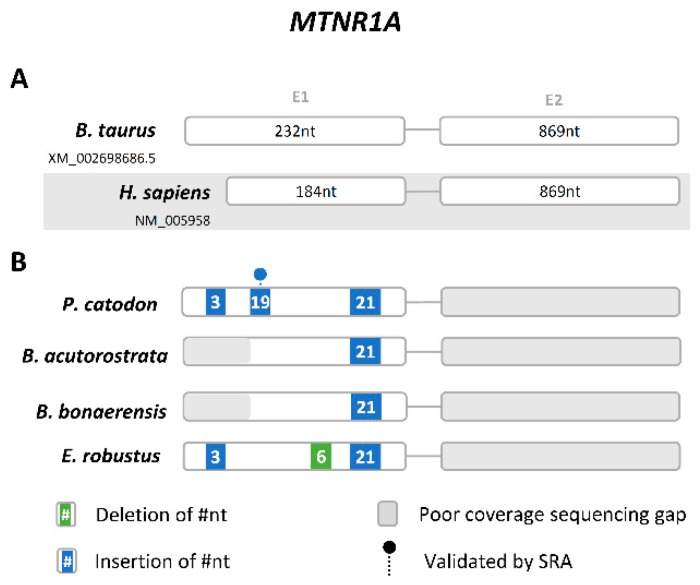
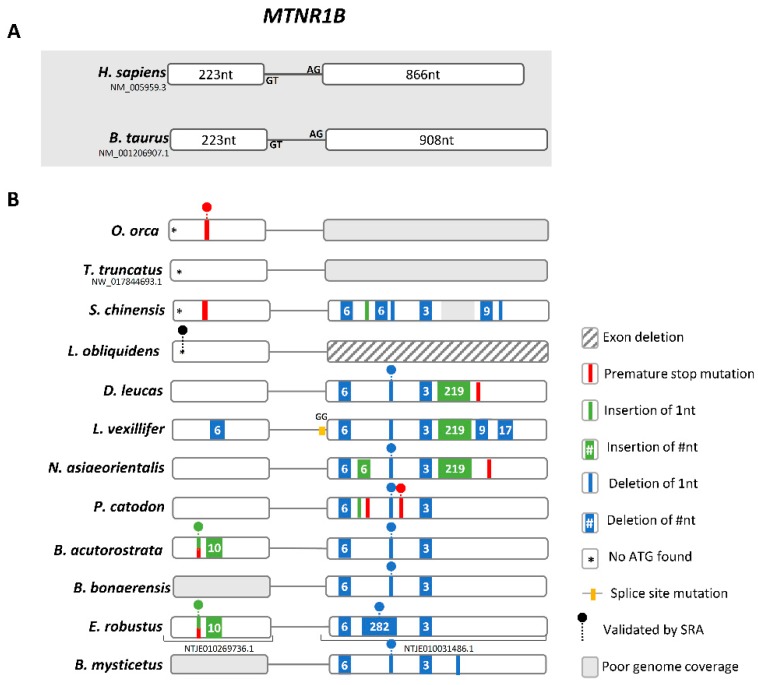
Melatonin, the hormone of darkness, is a peculiar molecule found in most living organisms. Emerging as a potent broad-spectrum antioxidant, melatonin was repurposed into extra roles such as the modulation of circadian and seasonal rhythmicity, affecting numerous aspects of physiology and behaviour, including sleep entrainment and locomotor activity. Interestingly, the pineal gland-the melatonin synthesising organ in vertebrates-was suggested to be absent or rudimentary in some mammalian lineages, including Cetacea. In Cetacea, pineal regression is paralleled by their unique bio-rhythmicity, as illustrated by the unihemispheric sleeping behaviour and long-term vigilance. Here, we examined the genes responsible for melatonin synthesis ( and ) and signalling ( and ) in 12 toothed and baleen whale genomes. Based on an ample genomic comparison, we deduce that melatonin-related gene modules are eroded in Cetacea.
褪黑素,黑暗的荷尔蒙,是一种在大多数生物中发现的特殊分子。作为一种有效的广谱抗氧化剂,褪黑素被重新用于调节昼夜节律和季节性节律等额外作用,影响生理和行为的许多方面,包括睡眠诱导和运动活动。有趣的是,松果腺——脊椎动物合成褪黑素的器官——在一些哺乳动物谱系中被认为是缺失或基本不存在的,包括鲸目动物。在鲸目动物中,松果腺的退化与它们独特的生物节律性相平行,这一点从单侧睡眠行为和长期警觉性中可以看出。在这里,我们在 12 种齿鲸和须鲸的基因组中研究了负责褪黑素合成(和)和信号转导(和)的基因。基于大量的基因组比较,我们推断出与褪黑素相关的基因模块在鲸目中被侵蚀。