Neural Systems Laboratory, Department of Health Sciences, Boston University, 635 Commonwealth Ave., Room 431, Boston, MA, 02215, USA.
Human Systems Neuroscience Laboratory, Department of Health Sciences, Boston University, Boston, MA, USA.
Brain Struct Funct. 2019 Apr;224(3):985-1008. doi: 10.1007/s00429-019-01841-9. Epub 2019 Feb 9.
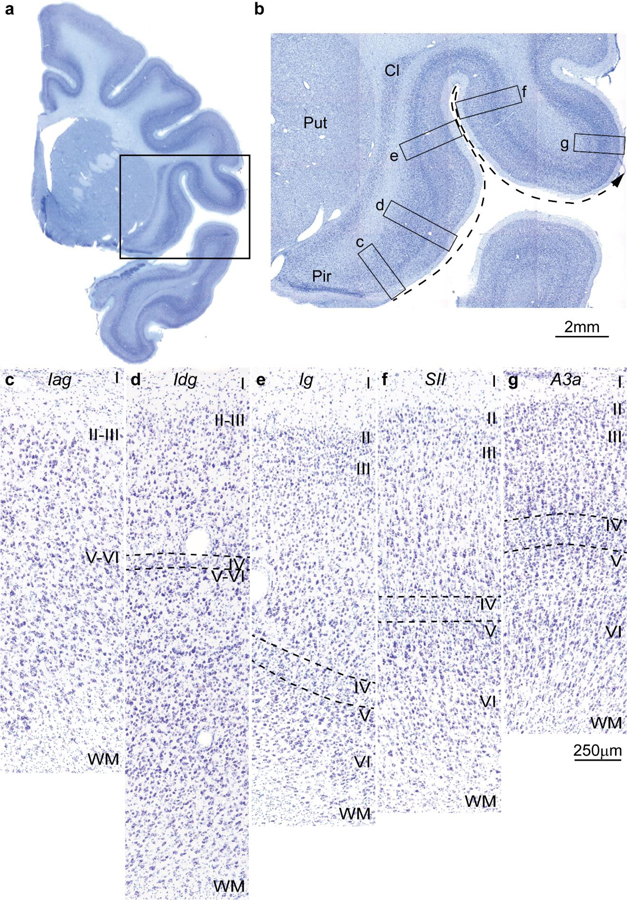
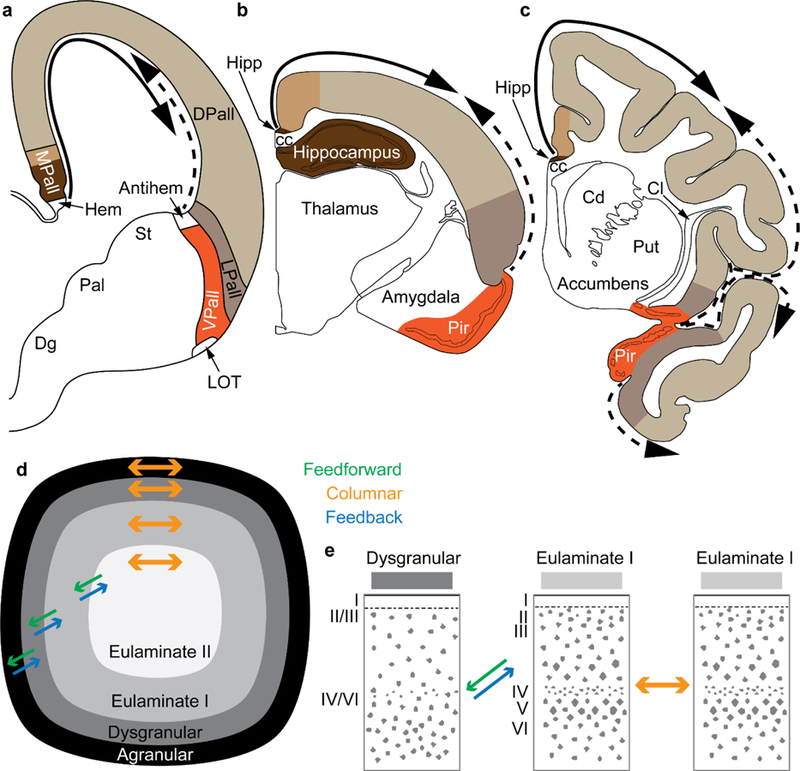
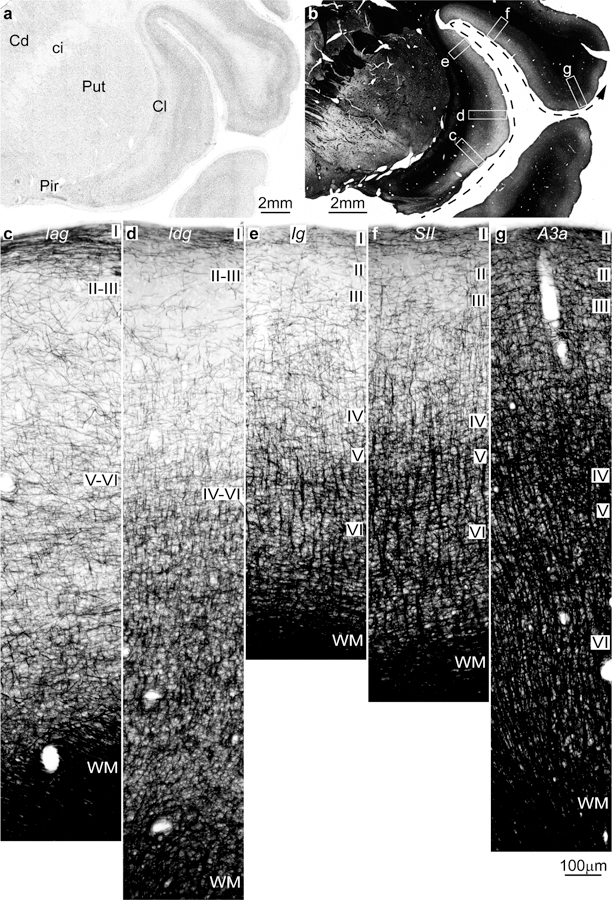
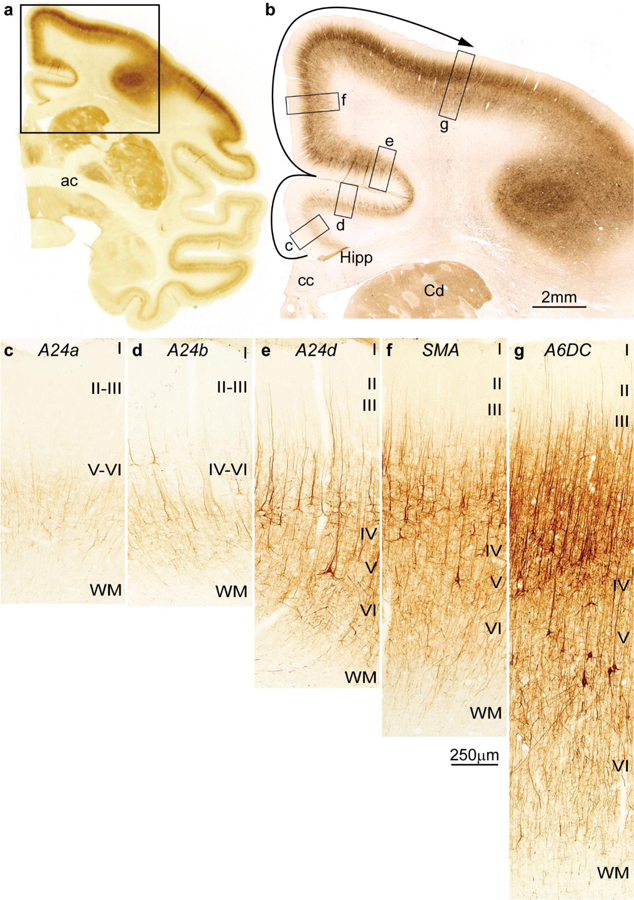
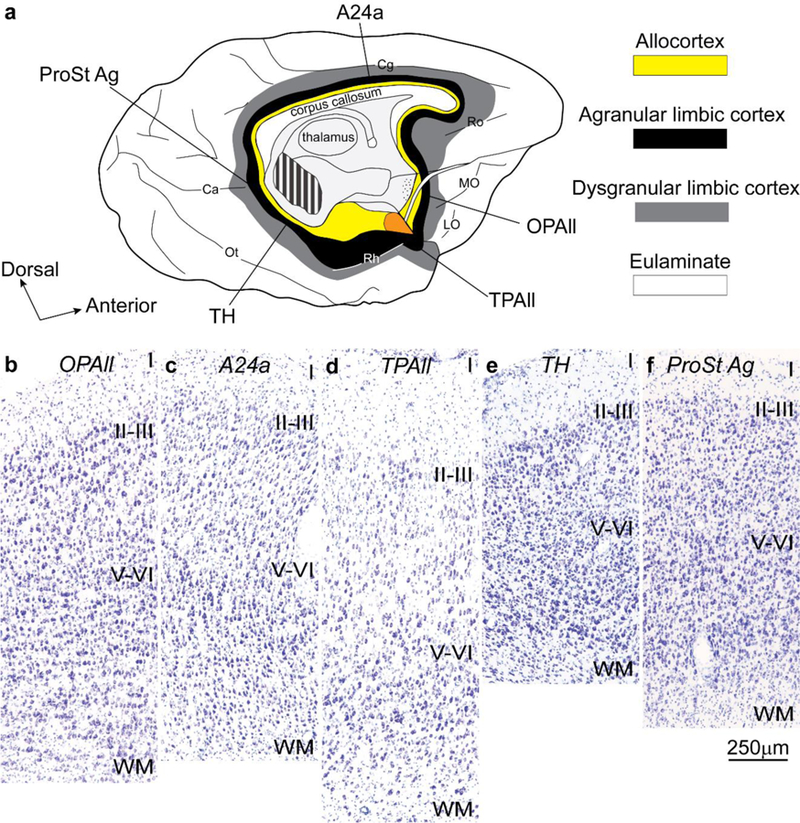
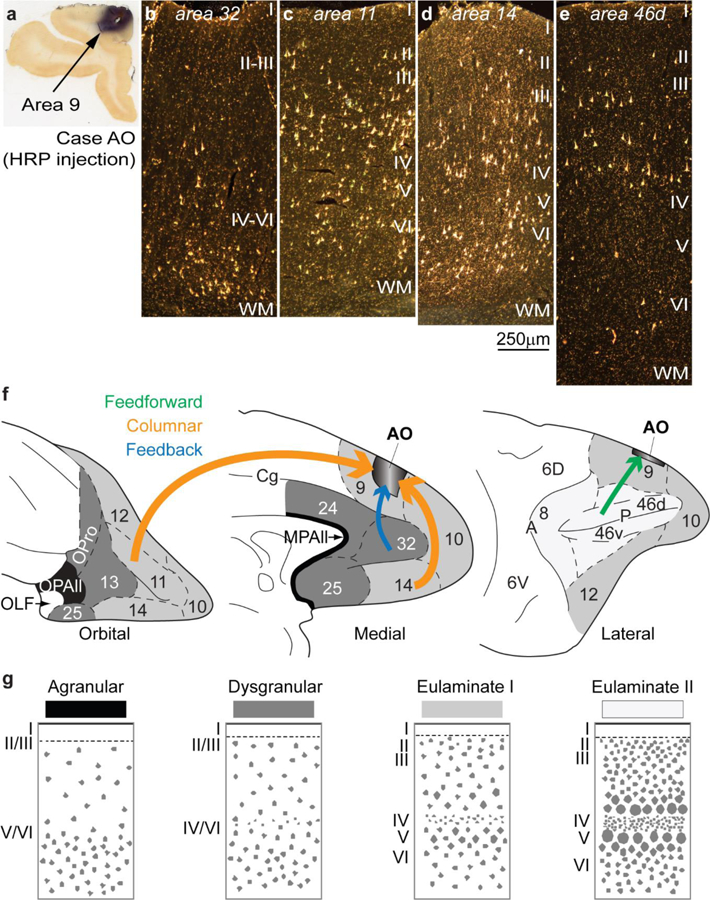
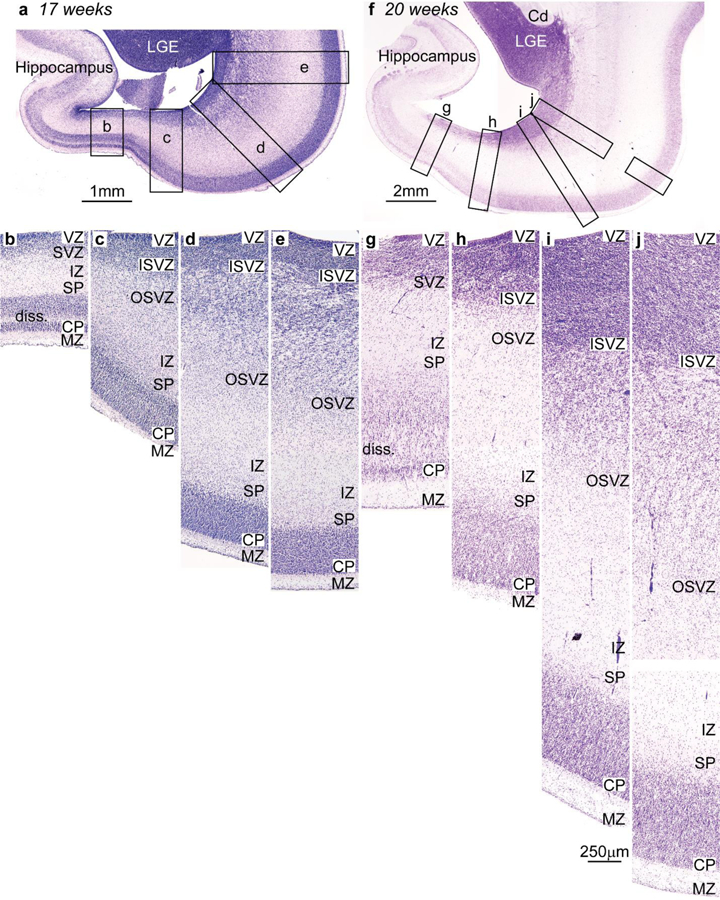
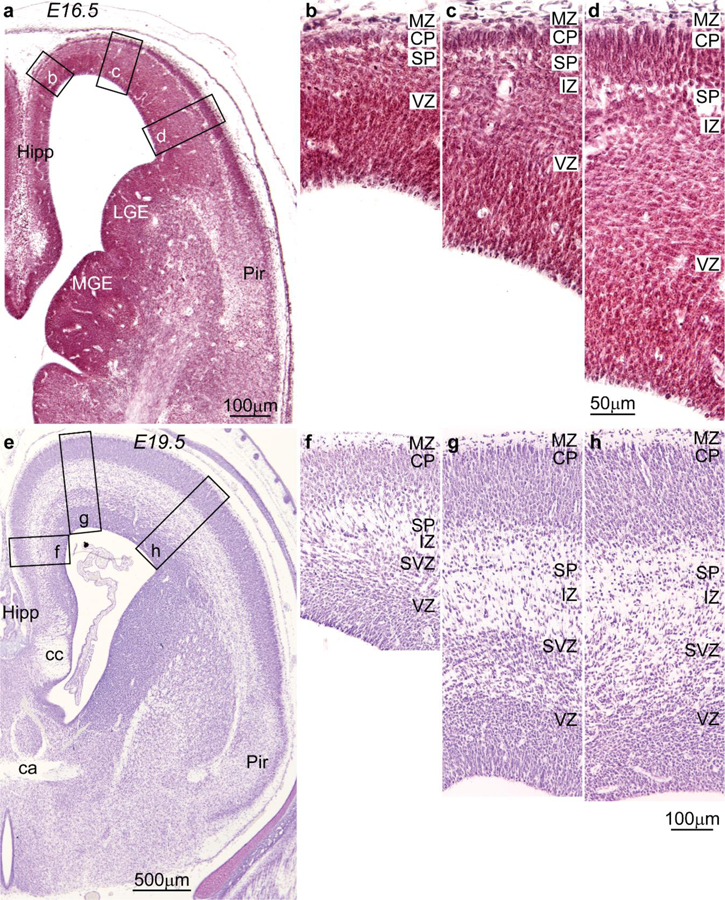
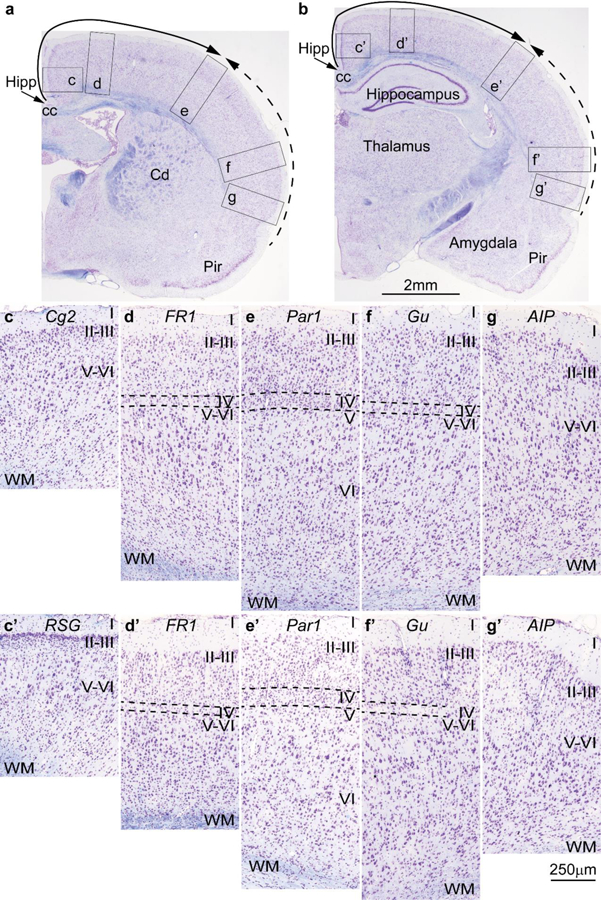
The classical theory of cortical systematic variation has been independently described in reptiles, monotremes, marsupials and placental mammals, including primates, suggesting a common bauplan in the evolution of the cortex. The Structural Model is based on the systematic variation of the cortex and is a platform for advancing testable hypotheses about cortical organization and function across species, including humans. The Structural Model captures the overall laminar structure of areas by dividing the cortical architectonic continuum into discrete categories (cortical types), which can be used to test hypotheses about cortical organization. By type, the phylogenetically ancient limbic cortices-which form a ring at the base of the cerebral hemisphere-are agranular if they lack layer IV, or dysgranular if they have an incipient granular layer IV. Beyond the dysgranular areas, eulaminate type cortices have six layers. The number and laminar elaboration of eulaminate areas differ depending on species or cortical system within a species. The construct of cortical type retains the topology of the systematic variation of the cortex and forms the basis for a predictive Structural Model, which has successfully linked cortical variation to the laminar pattern and strength of cortical connections, the continuum of plasticity and stability of areas, the regularities in the distribution of classical and novel markers, and the preferential vulnerability of limbic areas to neurodegenerative and psychiatric diseases. The origin of cortical types has been recently traced to cortical development, and helps explain the variability of diseases with an onset in ontogeny.
皮质系统变异的经典理论已在爬行动物、单孔目动物、有袋类和胎盘哺乳动物(包括灵长类动物)中独立描述,这表明皮质进化具有共同的蓝图。结构模型基于皮质的系统变异,是在物种间推进关于皮质组织和功能的可检验假设的平台,包括人类。结构模型通过将皮质建筑连续性划分为离散类别(皮质类型)来捕捉区域的整体分层结构,这可以用于检验关于皮质组织的假设。根据类型,在进化上古老的边缘皮质——如果它们缺乏第四层,就是无颗粒的;如果它们有一个初现的颗粒层 IV,则是颗粒减少的。在颗粒减少的区域之外,有六层的 eulaminate 型皮质。eulaminate 区域的数量和分层细化因物种或物种内的皮质系统而异。皮质类型的构建保留了皮质系统变异的拓扑结构,并构成了预测性结构模型的基础,该模型成功地将皮质变异与层模式和皮质连接的强度、区域可塑性和稳定性的连续性、经典和新型标记的分布规律以及边缘区域对神经退行性和精神疾病的优先易损性联系起来。皮质类型的起源最近已被追溯到皮质发育,并有助于解释在个体发生中发病的疾病的可变性。