Institute of Biomedicine, Department of Cellular Biology, Jinan University.
National engineering research center of genetic Medicine, Key laboratory of Bioengineering Medicine of Guangdong Province, Jinan University.
Int J Biol Sci. 2019 Jan 1;15(2):351-368. doi: 10.7150/ijbs.28522. eCollection 2019.
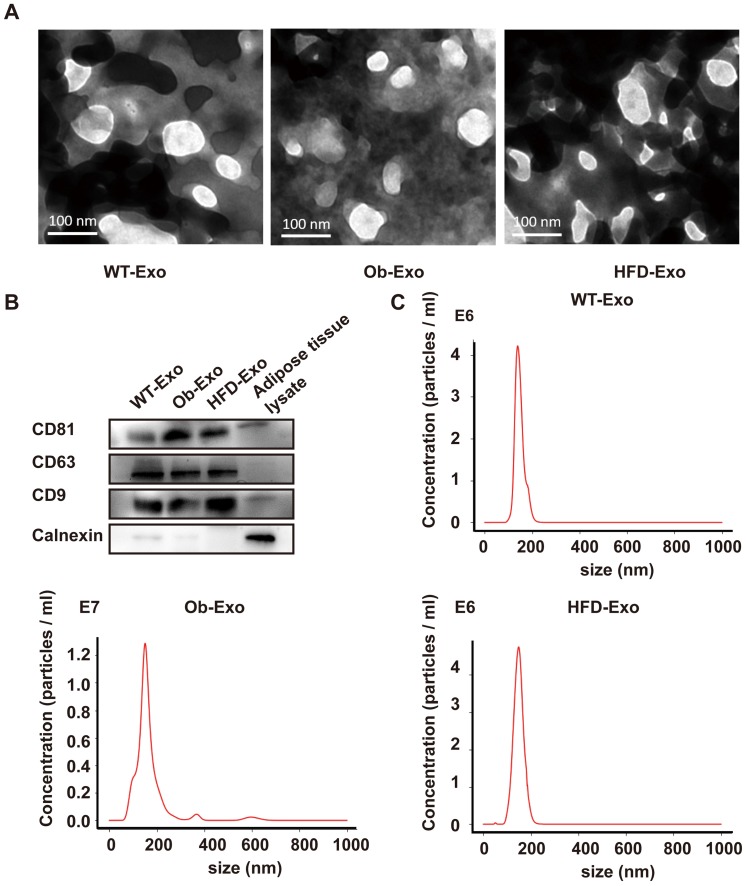
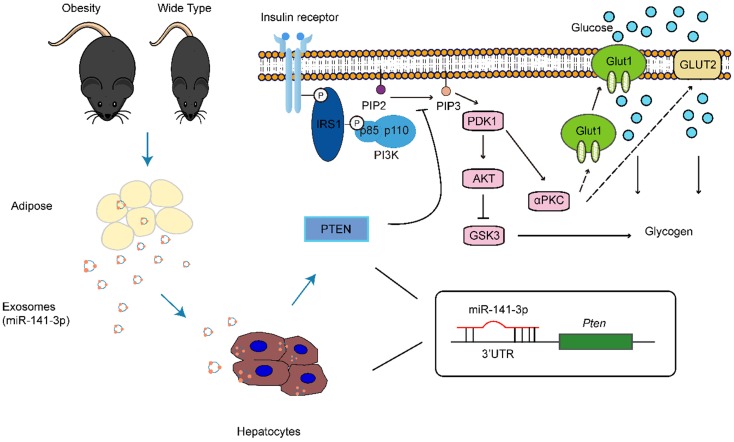
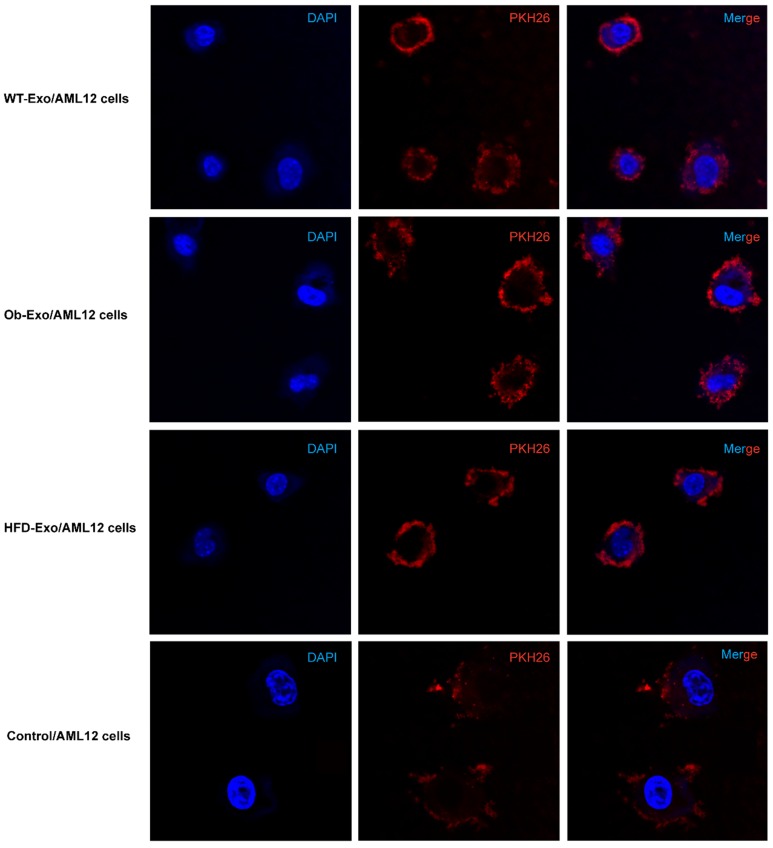
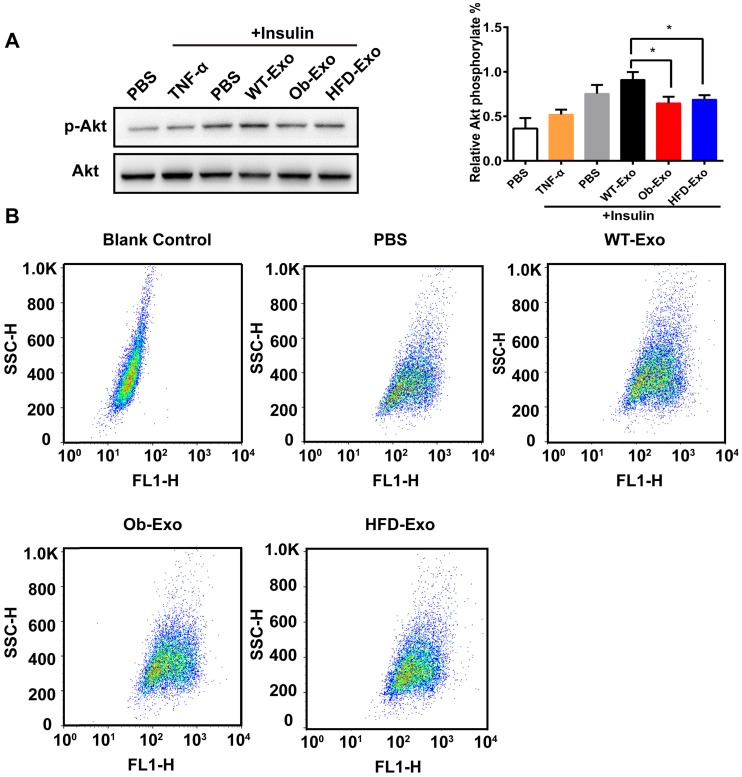
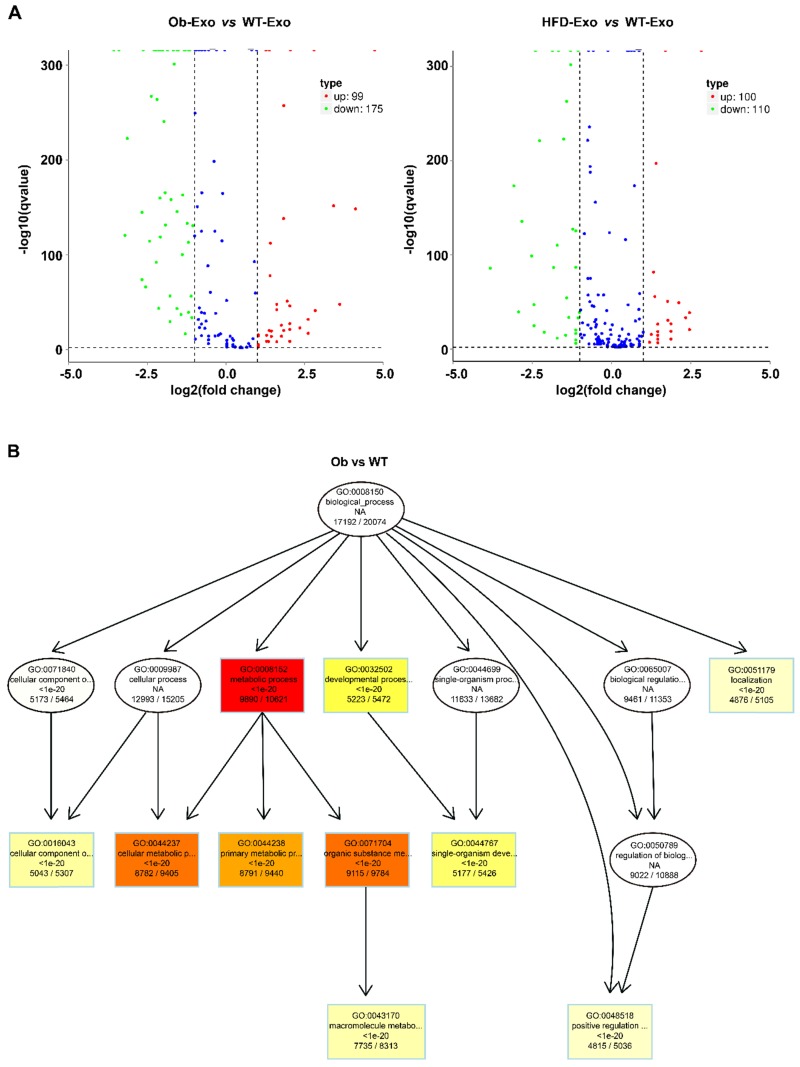
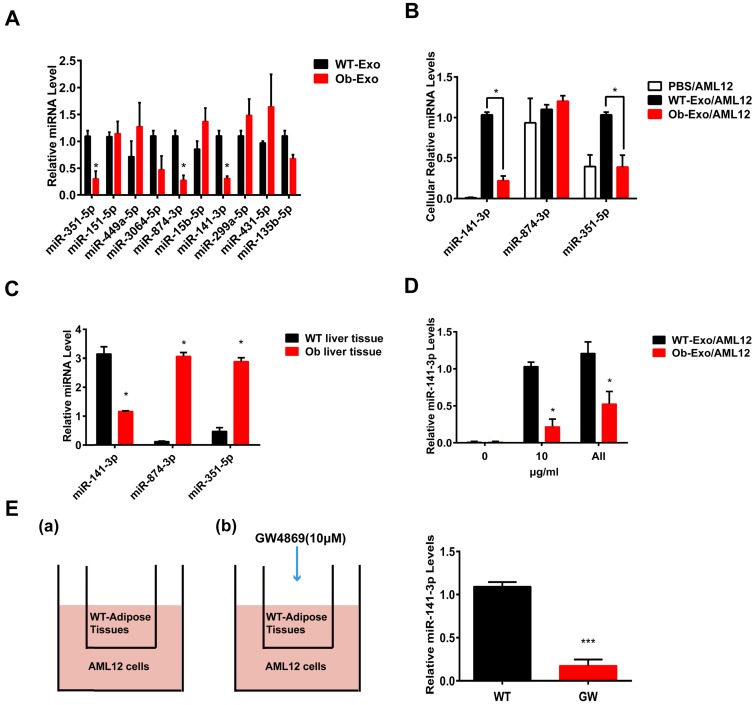
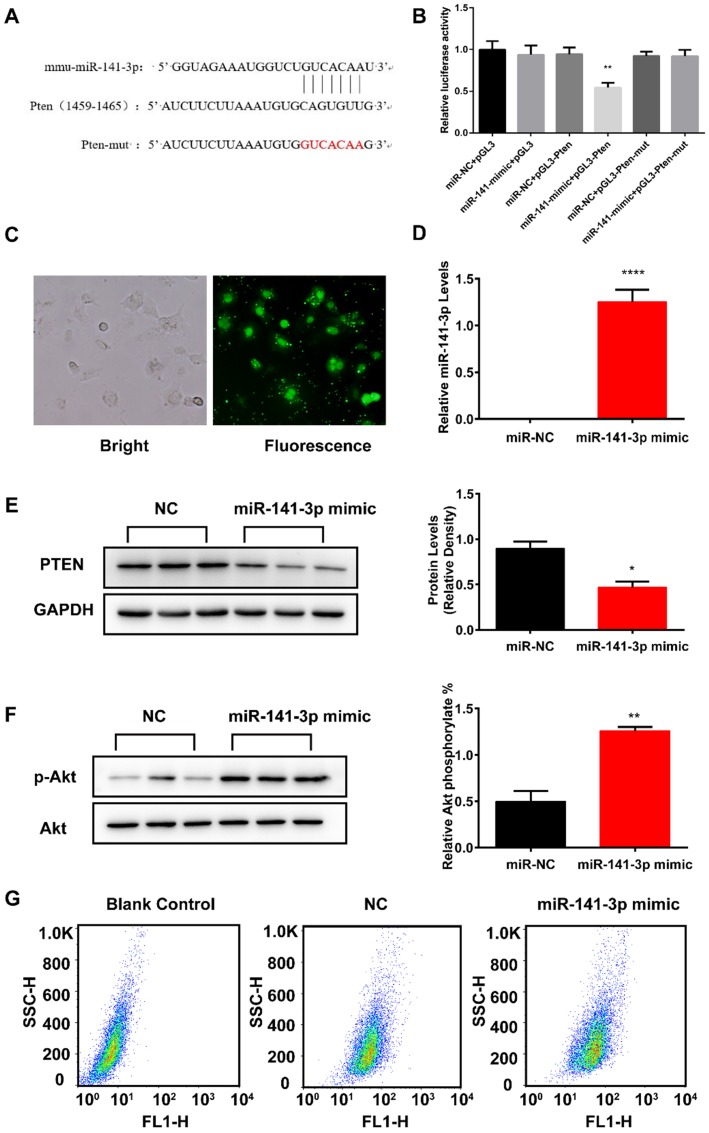
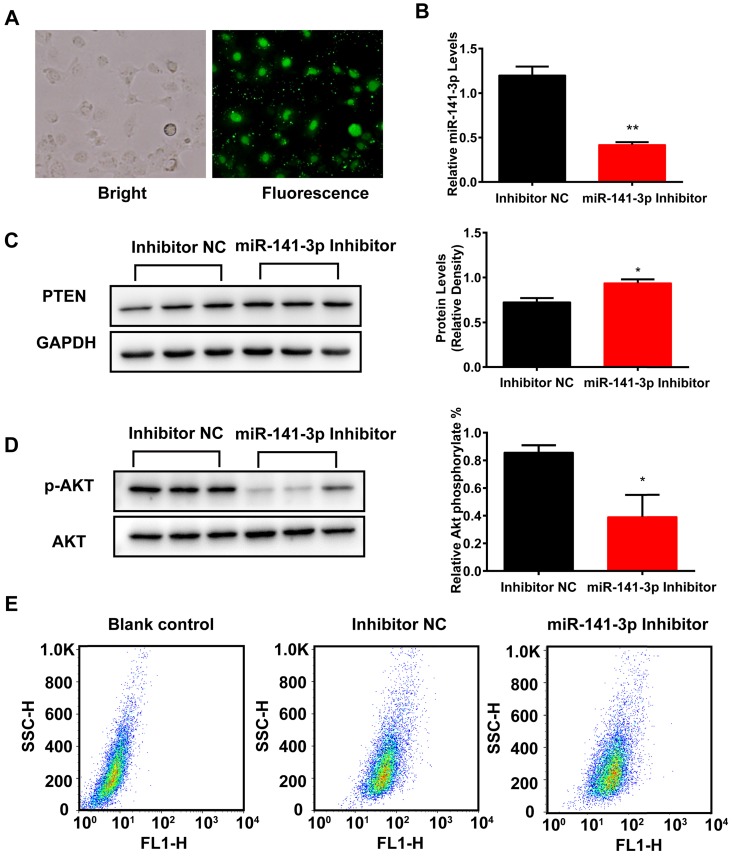
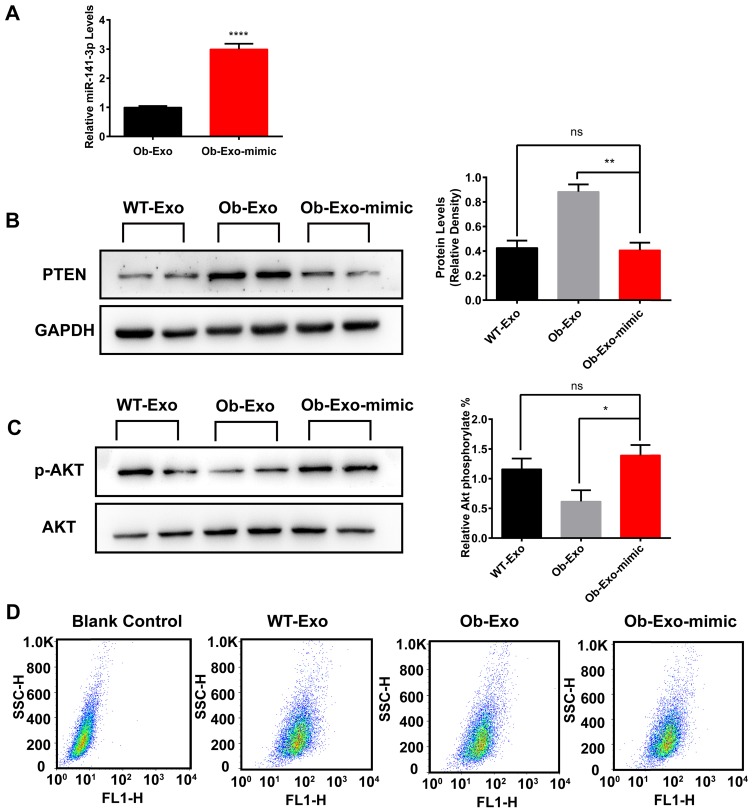
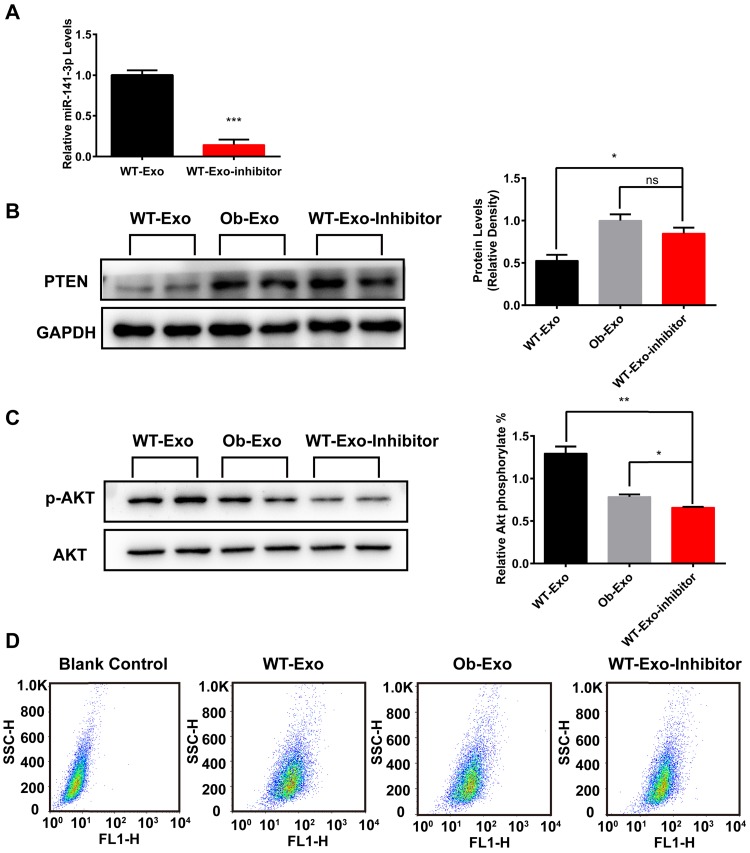
Exosomes, the nano-vesicles released from living cells, were the important mediator for cell-to-cell communication. In order to clarify whether the exosomes derived from obesity adipose tissue mediate insulin resistance of hepatocytes, we extract the exosomes from the adipose tissue of different mice models. Exosomes derived from mice (Ob-exosomes), B6 mice fed with a high-fat diet (HFD-exosomes) and normal B6 mice (WT-exosomes) displayed similar size and molecular makers, but their effect on the insulin sensitivity of hepatocytes were obviously different or opposite. Abundant exosomal miRNAs in Ob-, HFD- and WT-exosomes were detected by the Next Generation Sequencing. The levels of miR-141-3p in Ob- and HFD-exosomes were significantly lower than WT-exosomes. MiR-141-3p can be effectively delivered into AML12 cells accompanied by the absorption of exosomes, but the absorption of miR-141-3p into AML12 cells could be blocked by GW4869, an inhibitor of exosome biogenesis and release. Importantly, the Ob-exosomes or miR-141-3p knockdown in WT--exosomes obviously inhibited the insulin response and glucose uptake of AML12 cells, however, the inhibitory effects on insulin function disappeared after the overexpression of miR-141-3p in Ob-exosomes or AML12 cells. The effects of miR-141-3p on insulin function could be achieved by improving the level of phosphorylation of AKT and enhancing insulin signal transduction. Therefore, the absorption of hepatocytes for exosomes released from obesity adipose tissue containing less miR-141-3p than healthy adipose tissue can significantly inhibit the insulin sensitivity and glucose uptake. Our study may certify a novel mechanism that the secretion of "harmful" exosomes from obesity adipose tissues cause insulin resistance.
外泌体是由活细胞释放的纳米囊泡,是细胞间通讯的重要介质。为了阐明肥胖脂肪组织来源的外泌体是否介导肝细胞胰岛素抵抗,我们从不同的小鼠模型的脂肪组织中提取外泌体。来源于肥胖小鼠(Ob-exosomes)、高脂饮食喂养的 B6 小鼠(HFD-exosomes)和正常 B6 小鼠(WT-exosomes)的外泌体具有相似的大小和分子标志物,但它们对肝细胞胰岛素敏感性的影响明显不同或相反。通过下一代测序检测到 Ob-、HFD-和 WT-exosomes 中丰富的外泌体 miRNAs。Ob-和 HFD-exosomes 中的 miR-141-3p 水平明显低于 WT-exosomes。miR-141-3p 可以与外泌体的吸收一起有效地转染 AML12 细胞,但 miR-141-3p 被 GW4869 阻断进入 AML12 细胞,GW4869 是外泌体生物发生和释放的抑制剂。重要的是,WT--exosomes 中的 Ob-exosomes 或 miR-141-3p 敲低明显抑制了 AML12 细胞的胰岛素反应和葡萄糖摄取,但在 Ob-exosomes 或 AML12 细胞中过表达 miR-141-3p 后,对胰岛素功能的抑制作用消失。miR-141-3p 对胰岛素功能的影响可以通过提高 AKT 磷酸化水平和增强胰岛素信号转导来实现。因此,肝细胞对外泌体的吸收,这些外泌体来自肥胖脂肪组织,其 miR-141-3p 含量低于健康脂肪组织,可以显著抑制胰岛素敏感性和葡萄糖摄取。我们的研究可能证明了一种新的机制,即肥胖脂肪组织分泌的“有害”外泌体导致胰岛素抵抗。