Cirulis Meghan M, Ryan John J, Archer Stephen L
1 Division of Pulmonary Medicine, Department of Medicine, University of Utah, Salt Lake City, UT, USA.
2 Division of Cardiovascular Medicine, Department of Medicine, University of Utah, Salt Lake City, UT, USA.
Pulm Circ. 2019 Jan-Mar;9(1):2045894019834890. doi: 10.1177/2045894019834890.
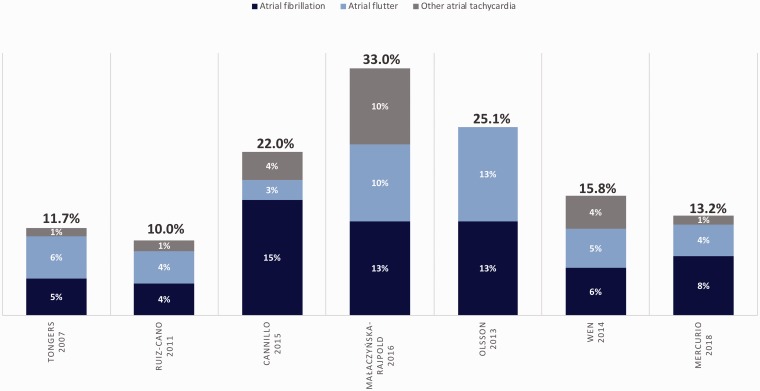
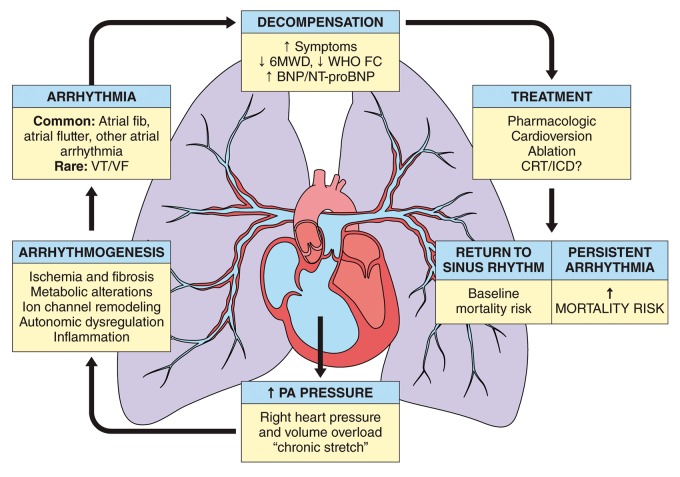
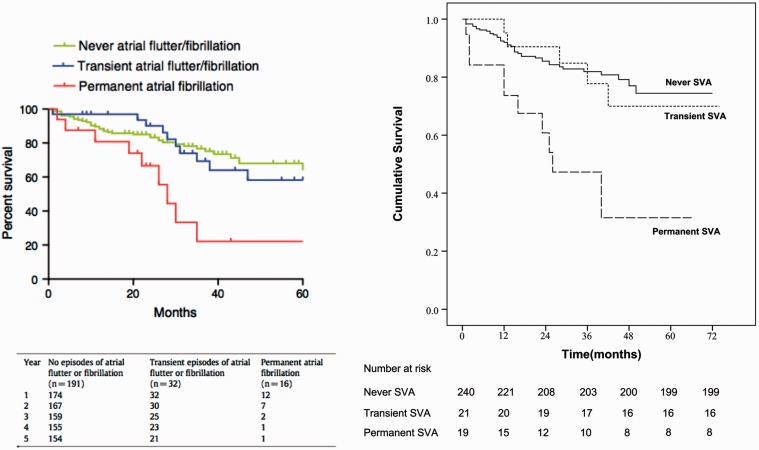
Arrhythmias are increasingly recognized as serious, end-stage complications of pre-capillary pulmonary hypertension, including pulmonary arterial hypertension (PAH) and chronic thromboembolic pulmonary hypertension (CTEPH). Although arrhythmias contribute to symptoms, morbidity, in-hospital mortality, and possibly sudden death in PAH/CTEPH, there remains a paucity of epidemiologic, pathophysiologic, and outcome data to guide management of these patients. This review summarizes the most current evidence on the topic: from the molecular mechanisms driving arrhythmia in the hypertrophied or failing right heart, to the clinical aspects of epidemiology, diagnosis, and management.
心律失常越来越被认为是毛细血管前性肺动脉高压(包括肺动脉高压(PAH)和慢性血栓栓塞性肺动脉高压(CTEPH))的严重终末期并发症。尽管心律失常会导致PAH/CTEPH患者出现症状、发病、住院死亡率,并可能导致猝死,但目前仍缺乏流行病学、病理生理学和预后数据来指导这些患者的管理。本综述总结了关于该主题的最新证据:从导致肥厚或衰竭右心心律失常的分子机制,到流行病学、诊断和管理的临床方面。