Department of Neuroscience and Center for Translational Research in Neurodegenerative Disease, University of Florida, 1275 Center Drive, BOX 100159, Gainesville, FL, 32610, USA.
Sanders Brown Center on Aging, Department of Physiology, Spinal Cord and Brain Injury Research Center, and Epilepsy Center, University of Kentucky, Lexington, KY, 40513, USA.
Acta Neuropathol. 2019 Apr;137(4):571-583. doi: 10.1007/s00401-019-01970-9. Epub 2019 Feb 13.
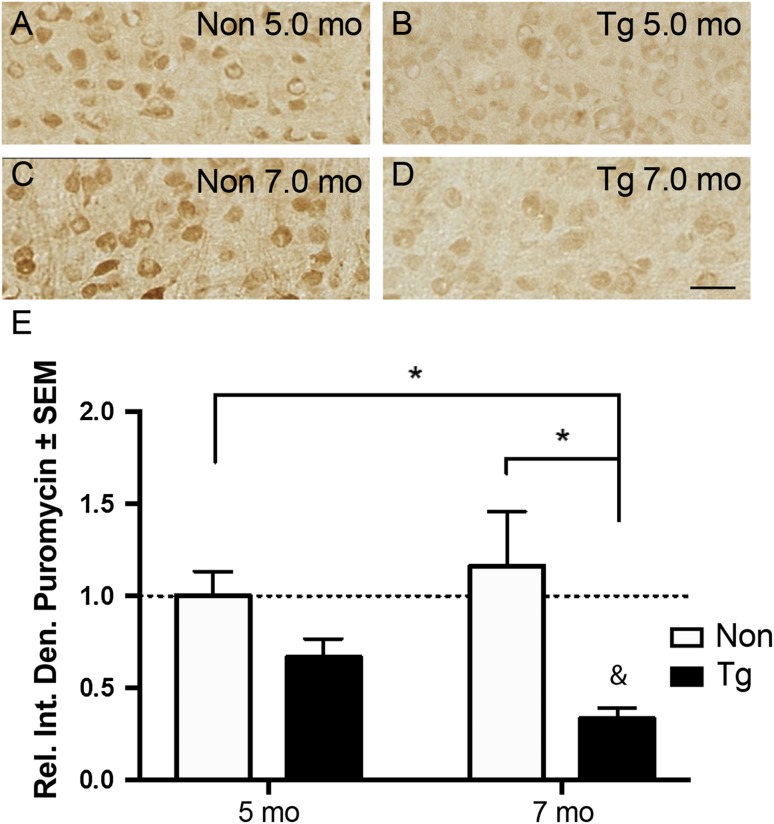
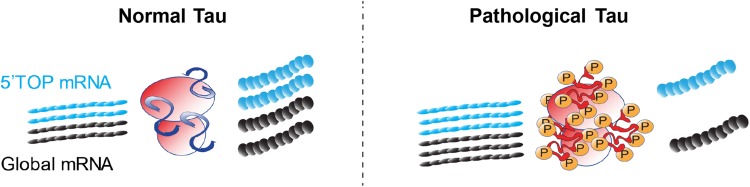
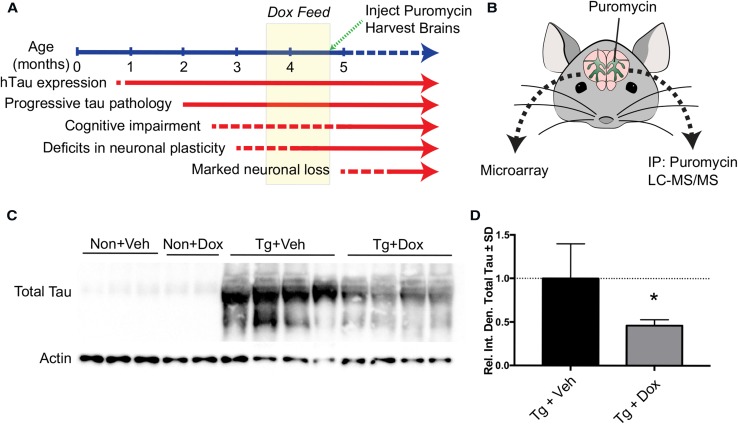
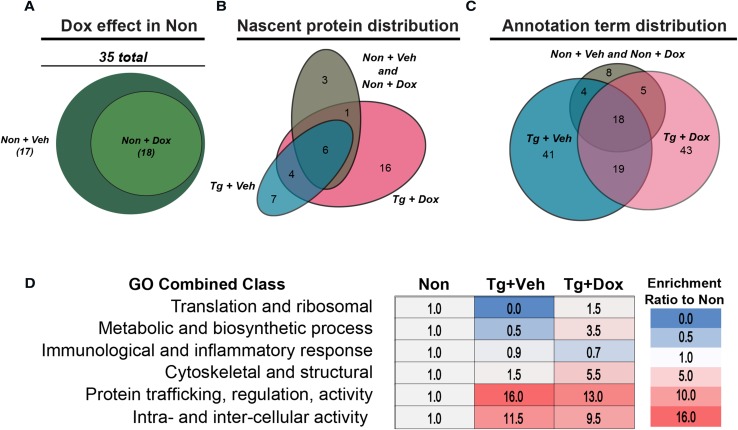
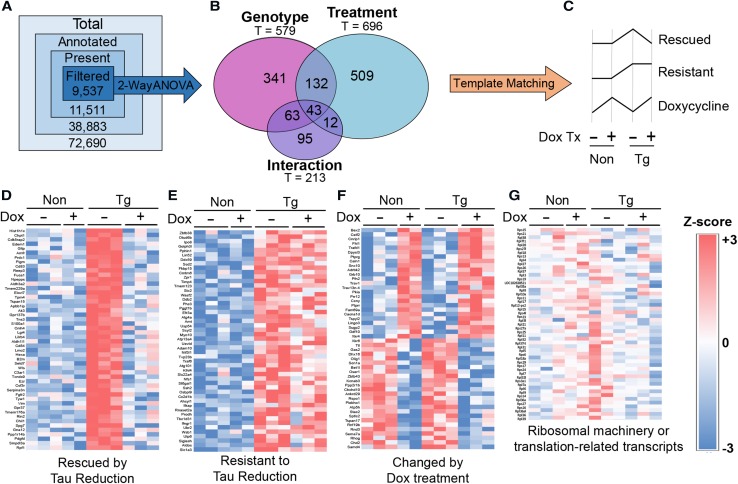
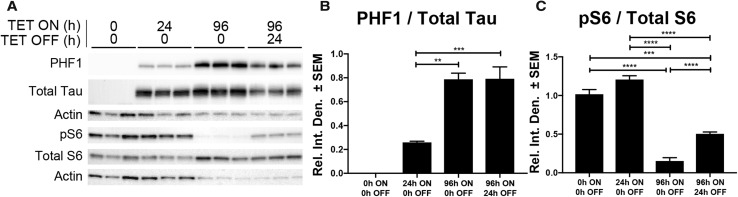
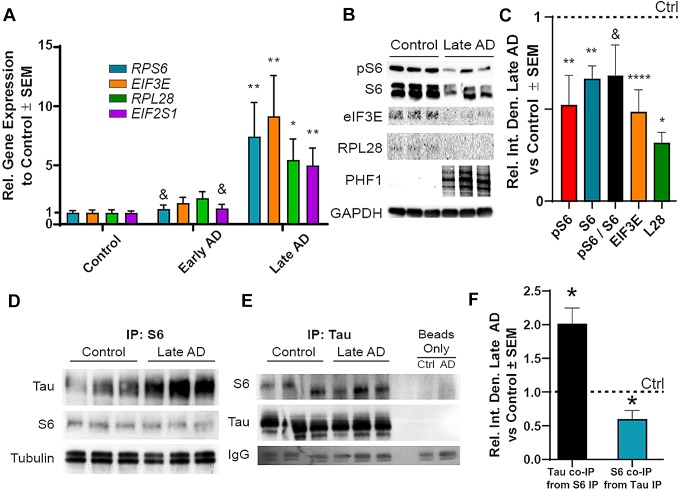
There is a fundamental gap in understanding the consequences of tau-ribosome interactions. Tau oligomers and filaments hinder protein synthesis in vitro, and they associate strongly with ribosomes in vivo. Here, we investigated the consequences of tau interactions with ribosomes in transgenic mice, in cells, and in human brain tissues to identify tau as a direct modulator of ribosomal selectivity. First, we performed microarrays and nascent proteomics to measure changes in protein synthesis. Using regulatable rTg4510 tau transgenic mice, we determined that tau expression differentially shifts both the transcriptome and the nascent proteome, and that the synthesis of ribosomal proteins is reversibly dependent on tau levels. We further extended these results to human brains and found that tau pathologically interacts with ribosomal protein S6 (rpS6 or S6), a crucial regulator of translation. Consequently, protein synthesis under translational control of rpS6 was reduced under tauopathic conditions in Alzheimer's disease brains. Our data establish tau as a driver of RNA translation selectivity. Moreover, since regulation of protein synthesis is critical for learning and memory, aberrant tau-ribosome interactions in disease could explain the linkage between tauopathies and cognitive impairment.
人们对 tau-核糖体相互作用的后果存在根本的认识差距。tau 寡聚物和纤维在体外阻碍蛋白质合成,并且它们在体内与核糖体强烈结合。在这里,我们研究了 tau 与核糖体相互作用在转基因小鼠、细胞和人类脑组织中的后果,以确定 tau 是核糖体选择性的直接调节剂。首先,我们进行了微阵列和新生蛋白质组学以测量蛋白质合成的变化。使用可调节的 rTg4510 tau 转基因小鼠,我们确定 tau 的表达差异地改变了转录组和新生蛋白质组,并且核糖体蛋白的合成可逆地依赖于 tau 水平。我们进一步将这些结果扩展到人类大脑,并发现 tau 病理性地与核糖体蛋白 S6(rpS6 或 S6)相互作用,这是翻译的关键调节剂。因此,在阿尔茨海默病大脑中tau 病的情况下,rpS6 翻译控制下的蛋白质合成减少。我们的数据确立了 tau 作为 RNA 翻译选择性的驱动因素。此外,由于蛋白质合成的调节对于学习和记忆至关重要,因此疾病中异常的 tau-核糖体相互作用可以解释 tau 病与认知障碍之间的联系。