Weerasekara Ishanka, Osmotherly Peter Grant, Snodgrass Suzanne Jordan, Tessier John, Rivett Darren Anthony
School of Health Sciences, Faculty of Health and Medicine, The University of Newcastle, Callaghan, Australia.
BMC Musculoskelet Disord. 2019 Feb 13;20(1):75. doi: 10.1186/s12891-019-2447-x.
Up to 40% of individuals who sprain their ankle develop chronic ankle instability (CAI). One treatment option for this debilitating condition is joint mobilisation. There is preliminary evidence that Mulligan's Mobilisation With Movement (MWM) is effective for treating patients with CAI, but the mechanisms by which it works are unclear, with Mulligan suggesting a repositioning of the fibula. This randomised controlled trial aims to determine the effects of MWM on anatomical and clinical characteristics of CAI.
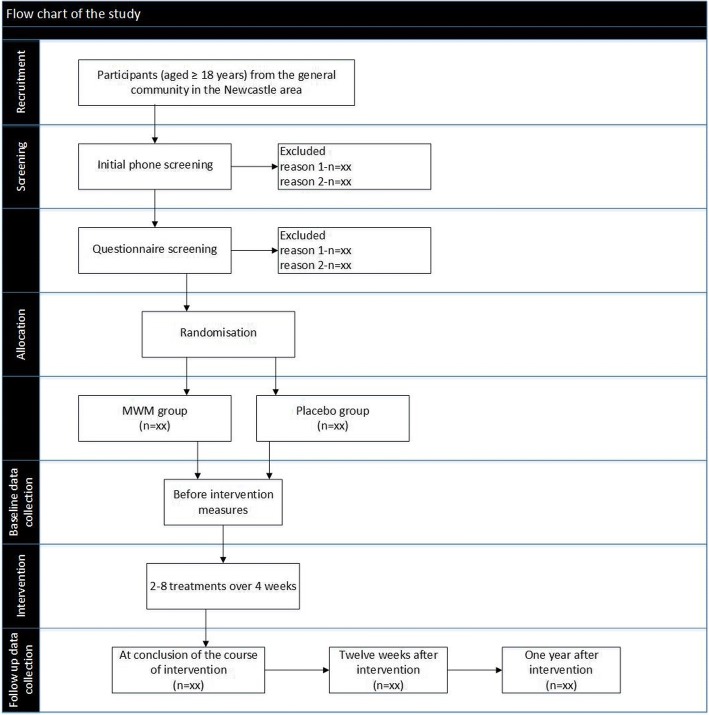
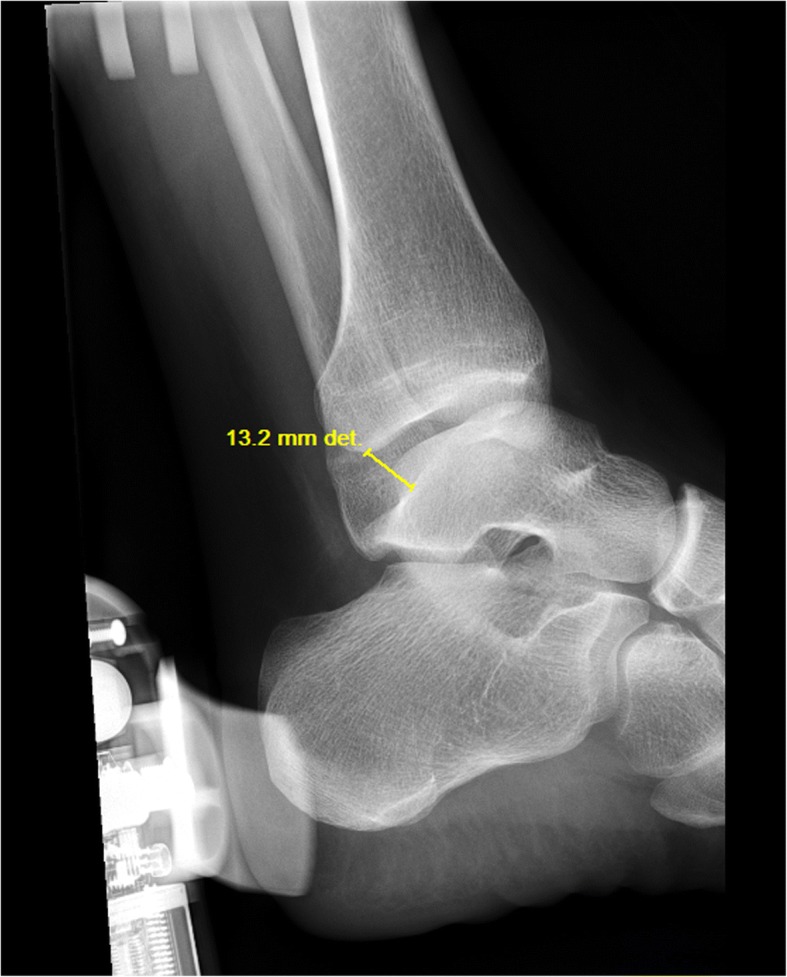
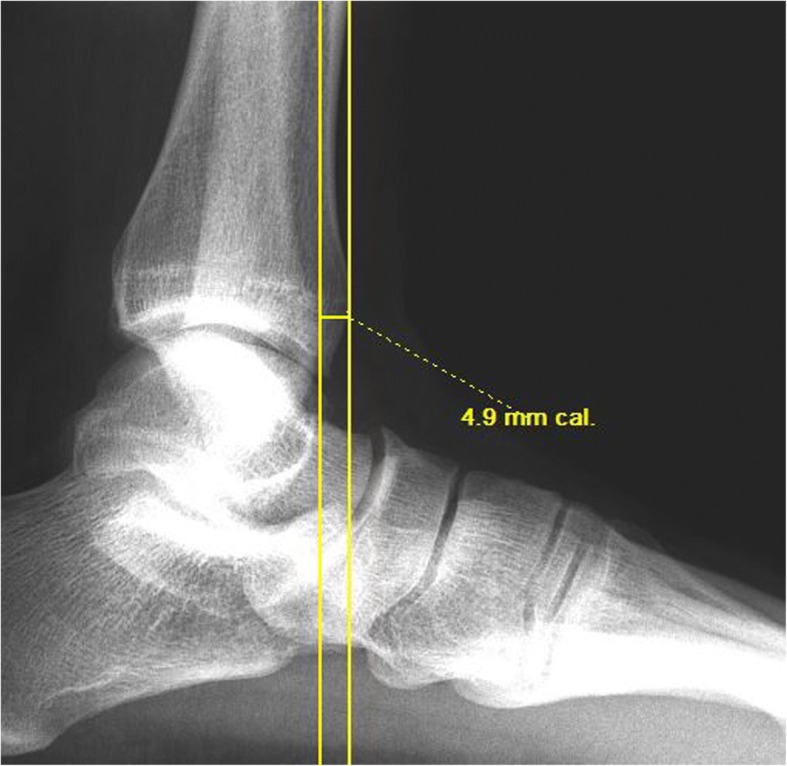
Participants 18 years or over with CAI will be accepted into the study if they satisfy the inclusion and exclusion criteria endorsed by the International Ankle Consortium. They will be randomised into the experimental group (MWM) or the placebo group (detuned laser) and will receive the assigned intervention over 4 weeks. General joint hypermobility and the presence of mechanical instability of the ankle will be recorded during the first visit. Further, position of the fibula, self-reported function, ankle dorsiflexion range, pressure pain threshold, pain intensity, and static and dynamic balance will be assessed at baseline, and at the conclusion of course of intervention. Follow-up data will be collected at the twelfth week and at the twelfth month following intervention.
Effectiveness of MWM on clinically relevant outcomes, including long term benefits will be evaluated. The capacity of MWM to reverse any positional fault of the fibula and the association of any positional fault with other clinically important outcomes for CAI will be explored. Proposed biomechanical mechanisms of fibular positional fault and other neurophysiological mechanisms that may explain the treatment effects of MWM will be further explored. The long term effectiveness of MWM in CAI will also be assessed.
Australian New Zealand Clinical Trials Registry; ACTRN12617001467325 (17/10/2017).
高达40%的踝关节扭伤患者会发展为慢性踝关节不稳(CAI)。针对这种使人衰弱的病症,一种治疗选择是关节松动术。有初步证据表明,穆利根动态关节松动术(MWM)对治疗CAI患者有效,但其作用机制尚不清楚,穆利根认为其作用机制是腓骨重新定位。这项随机对照试验旨在确定MWM对CAI的解剖学和临床特征的影响。
年龄在18岁及以上的CAI患者,若符合国际踝关节联盟认可的纳入和排除标准,将被纳入本研究。他们将被随机分为实验组(MWM)或安慰剂组(失谐激光),并在4周内接受指定的干预措施。在首次就诊时,将记录一般关节活动过度情况以及踝关节机械性不稳的情况。此外,在基线时以及干预疗程结束时,将评估腓骨位置、自我报告的功能、踝关节背屈范围、压力疼痛阈值、疼痛强度以及静态和动态平衡。在干预后的第12周和第12个月将收集随访数据。
将评估MWM对包括长期益处在内的临床相关结局的有效性。将探究MWM纠正腓骨任何位置异常的能力,以及任何位置异常与CAI其他临床重要结局之间的关联。将进一步探究腓骨位置异常的拟议生物力学机制以及可能解释MWM治疗效果的其他神经生理机制。还将评估MWM在CAI中的长期有效性。
澳大利亚新西兰临床试验注册中心;ACTRN12617001467325(2017年10月17日)。