Department of Genetic Medicine and Development, iGE3 and Centre Facultaire du Diabète, Faculty of Medicine, University of Geneva, Geneva, Switzerland.
Department of Clinical Science, University of Bergen, Bergen, Norway.
Nature. 2019 Mar;567(7746):43-48. doi: 10.1038/s41586-019-0942-8. Epub 2019 Feb 13.
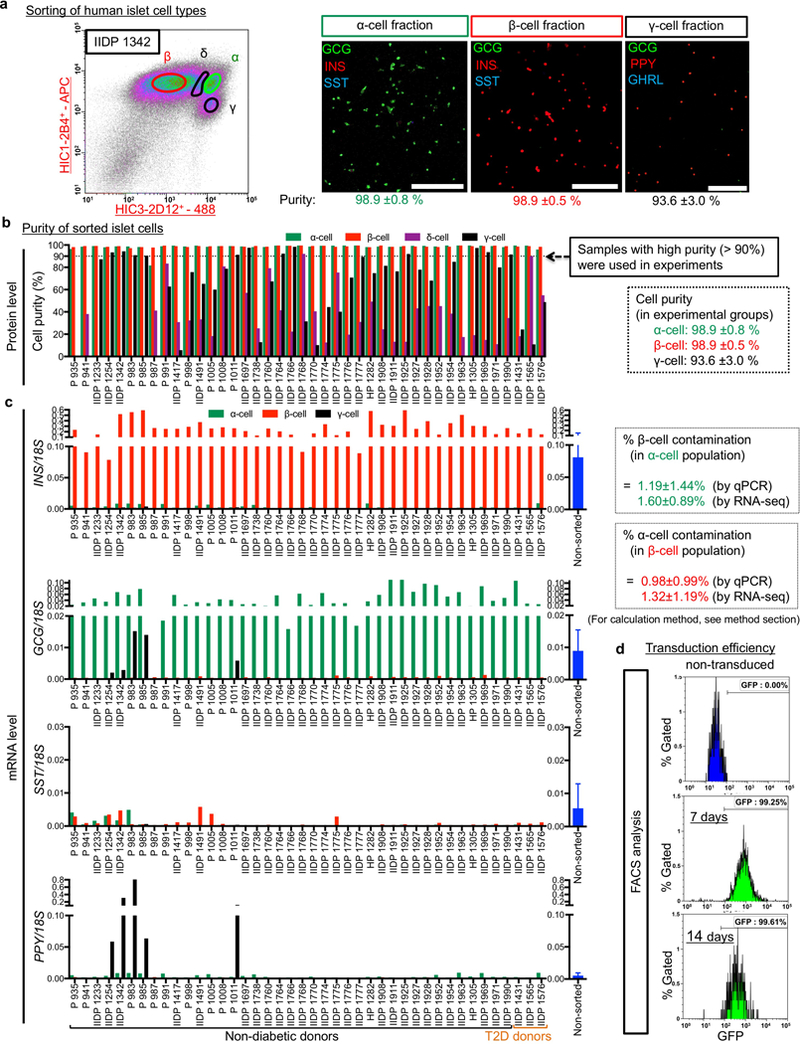
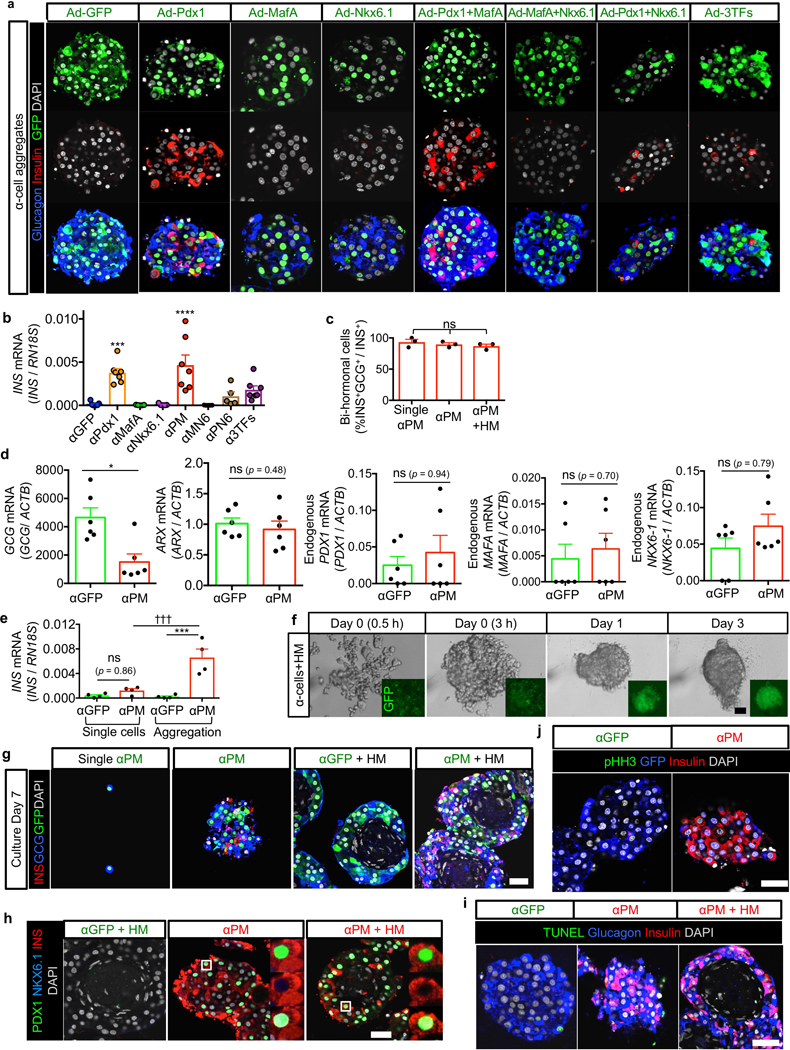
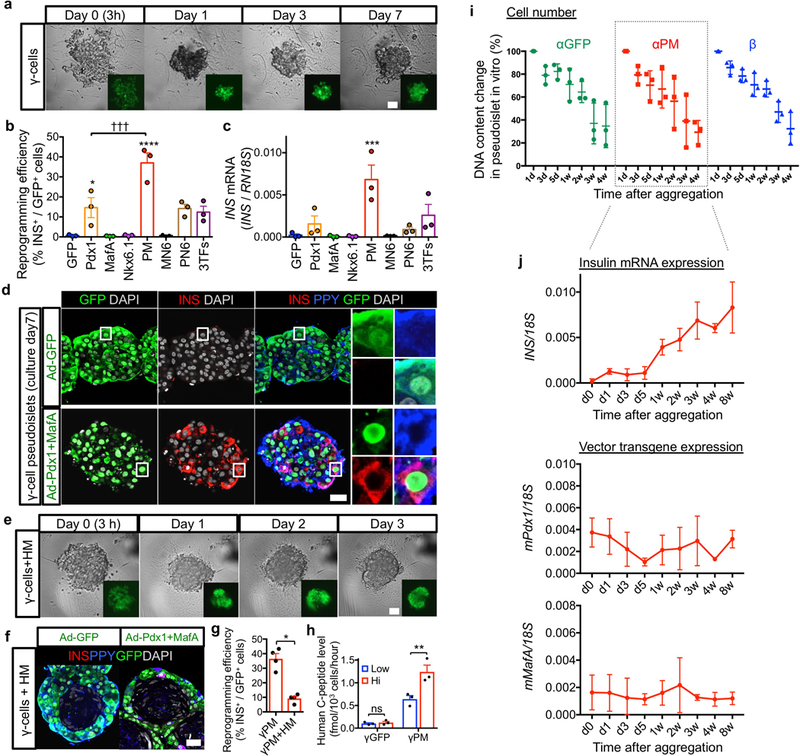
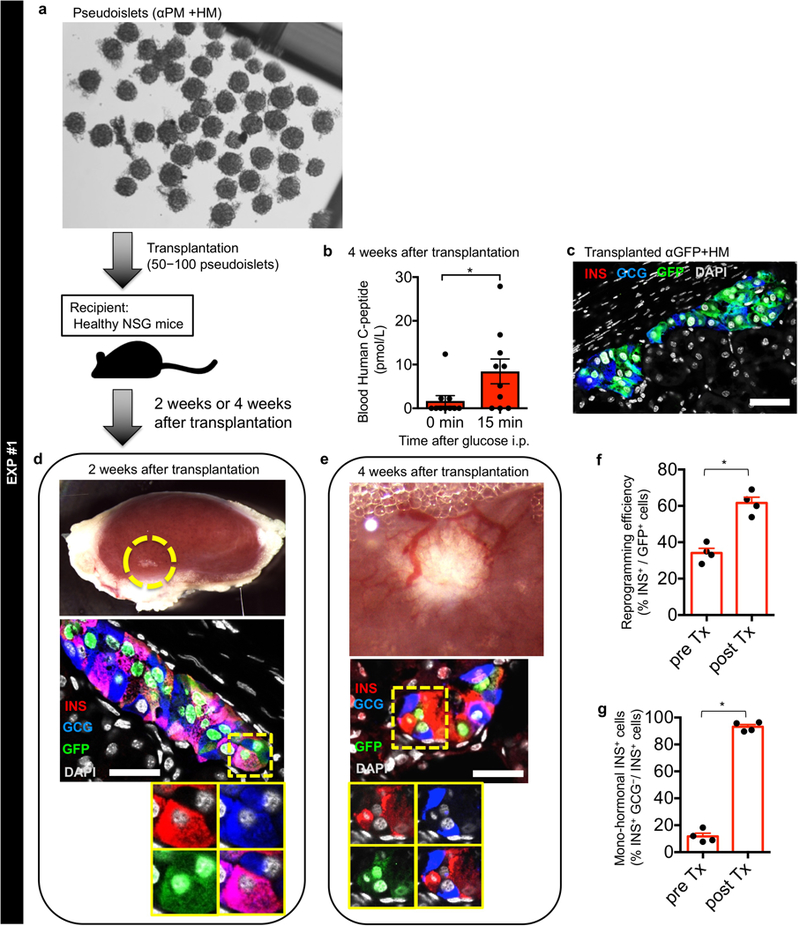
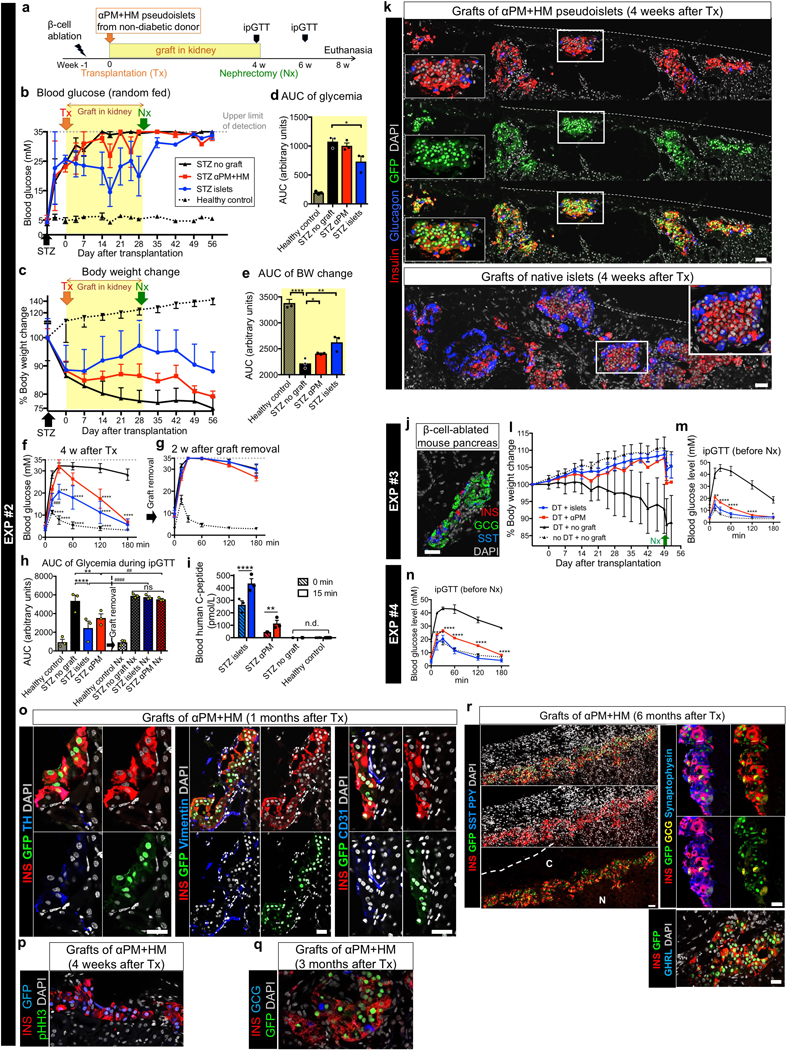
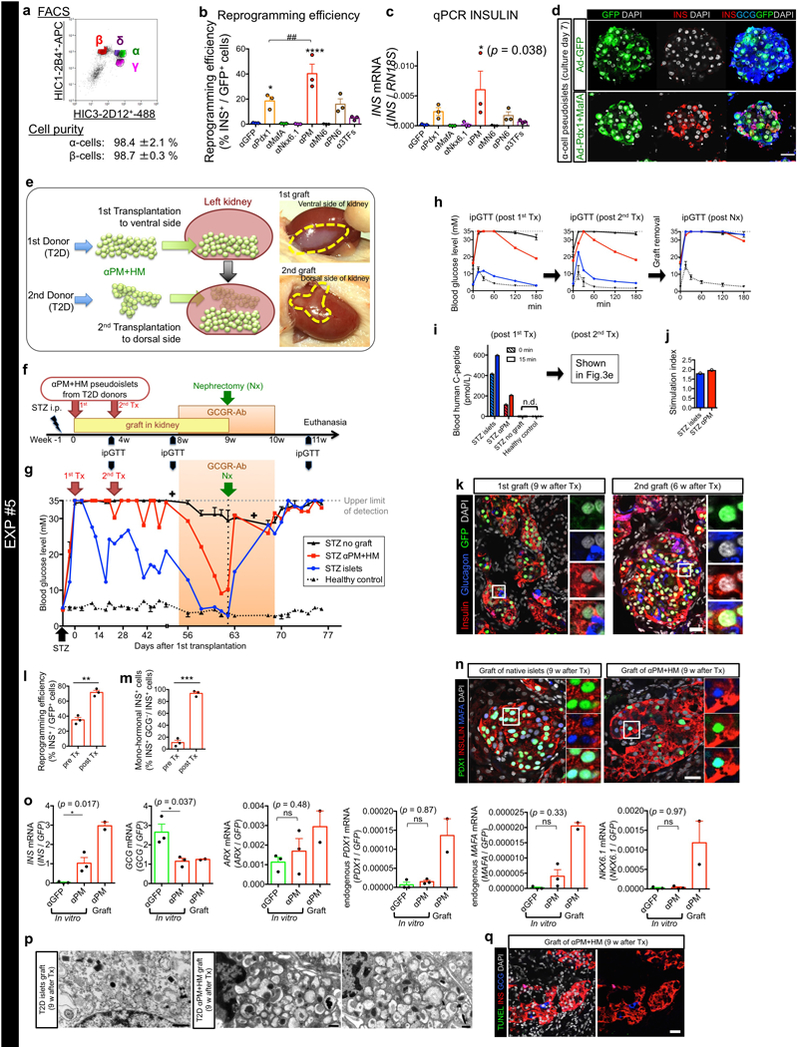
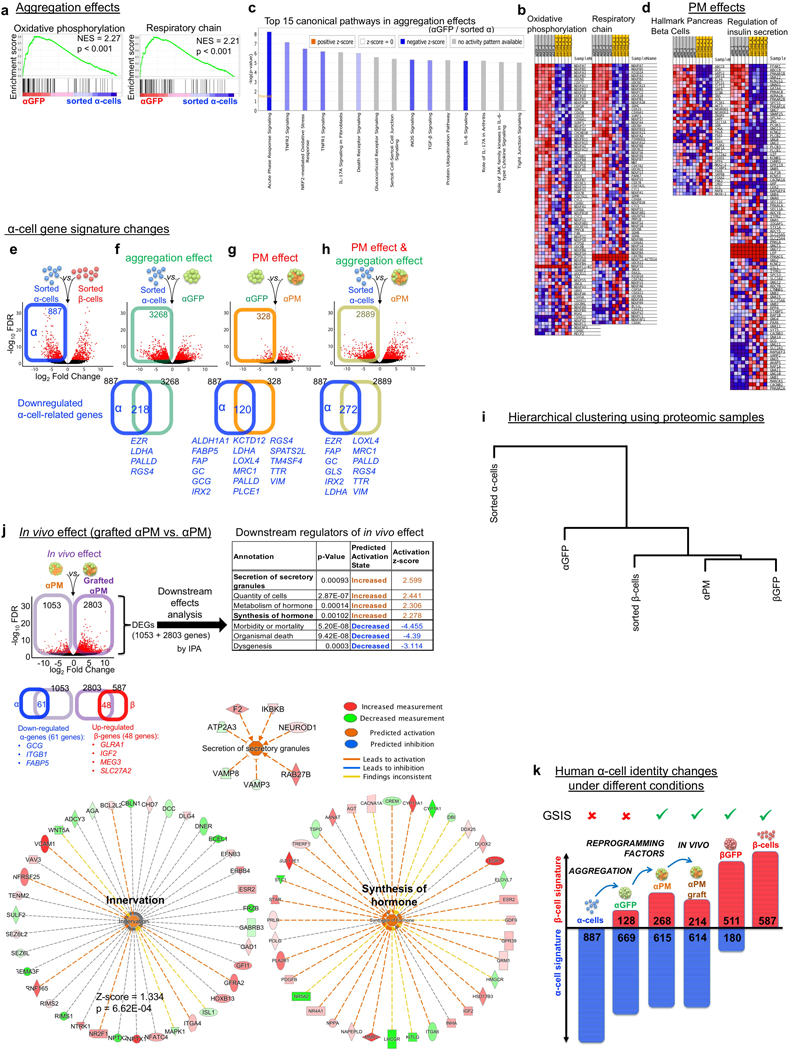
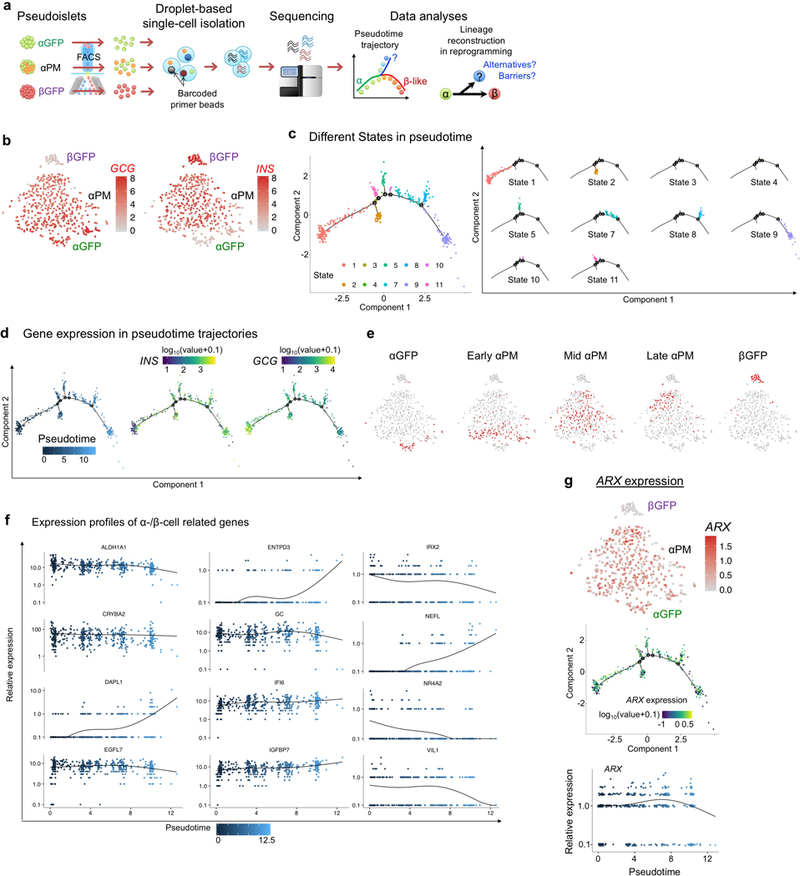
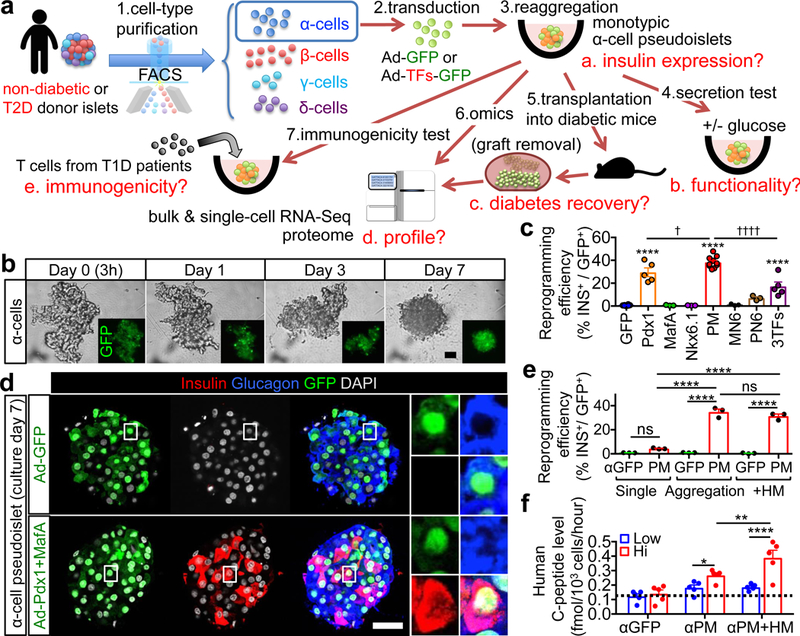
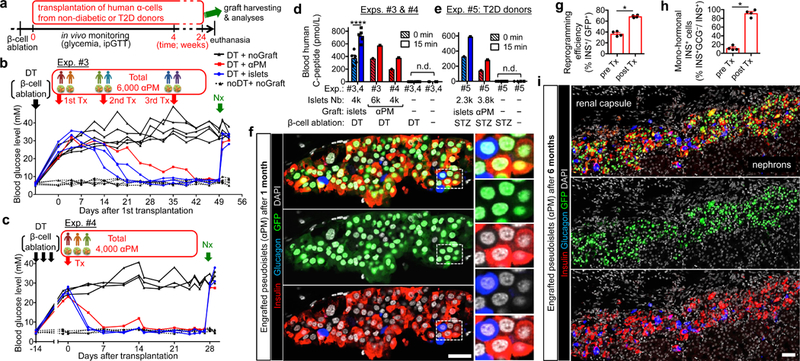
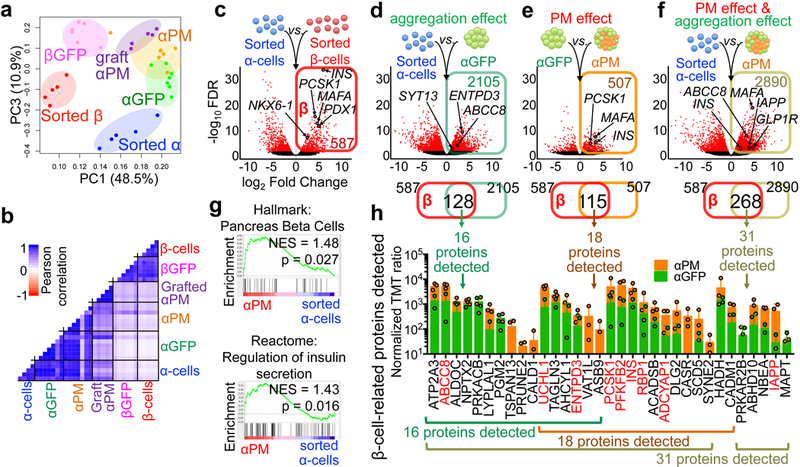
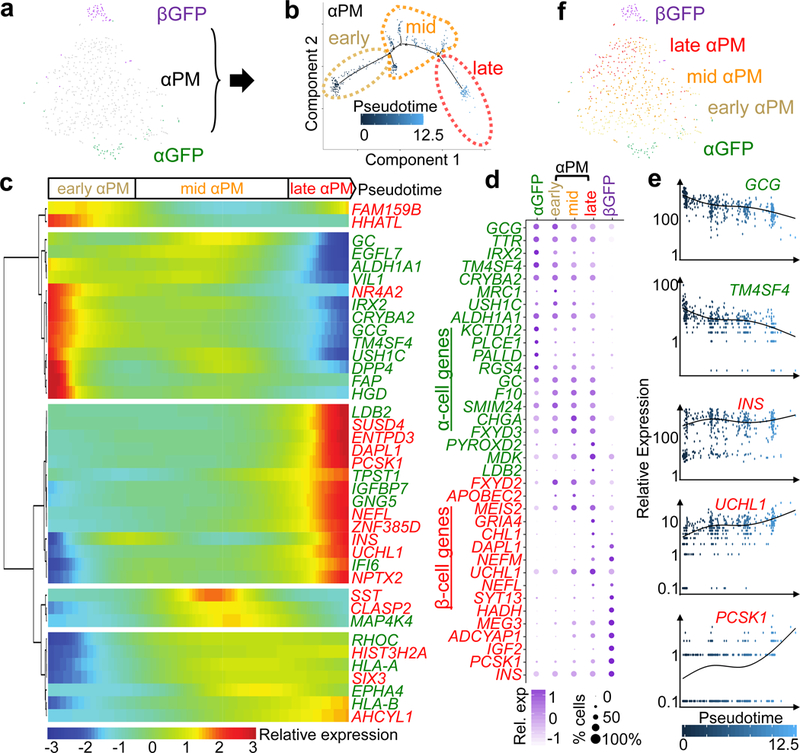
Cell-identity switches, in which terminally differentiated cells are converted into different cell types when stressed, represent a widespread regenerative strategy in animals, yet they are poorly documented in mammals. In mice, some glucagon-producing pancreatic α-cells and somatostatin-producing δ-cells become insulin-expressing cells after the ablation of insulin-secreting β-cells, thus promoting diabetes recovery. Whether human islets also display this plasticity, especially in diabetic conditions, remains unknown. Here we show that islet non-β-cells, namely α-cells and pancreatic polypeptide (PPY)-producing γ-cells, obtained from deceased non-diabetic or diabetic human donors, can be lineage-traced and reprogrammed by the transcription factors PDX1 and MAFA to produce and secrete insulin in response to glucose. When transplanted into diabetic mice, converted human α-cells reverse diabetes and continue to produce insulin even after six months. Notably, insulin-producing α-cells maintain expression of α-cell markers, as seen by deep transcriptomic and proteomic characterization. These observations provide conceptual evidence and a molecular framework for a mechanistic understanding of in situ cell plasticity as a treatment for diabetes and other degenerative diseases.
细胞身份转变是一种广泛存在于动物中的再生策略,即终末分化的细胞在受到压力时会转变为不同的细胞类型,但在哺乳动物中这种现象记录较少。在小鼠中,当胰岛素分泌β细胞被清除后,一些产生胰高血糖素的胰岛α细胞和产生生长抑素的δ细胞会变成胰岛素分泌细胞,从而促进糖尿病的恢复。然而,人类胰岛是否也具有这种可塑性,特别是在糖尿病的情况下,目前尚不清楚。本研究表明,从非糖尿病或糖尿病的已故人类供体中获得的胰岛非β细胞(即胰岛α细胞和胰多肽(PPY)产生的γ细胞),可以通过转录因子 PDX1 和 MAFA 进行谱系追踪和重编程,以响应葡萄糖产生和分泌胰岛素。当将这些转化的人类α细胞移植到糖尿病小鼠中时,它们可以逆转糖尿病,并且在六个月后仍继续产生胰岛素。值得注意的是,通过深度转录组学和蛋白质组学特征分析,我们发现产生胰岛素的α细胞仍保持α细胞标志物的表达。这些观察结果为理解原位细胞可塑性作为治疗糖尿病和其他退行性疾病的一种机制提供了概念性证据和分子框架。