Institute of Neuroimmunology, Slovak Academy of Sciences, Dubravska 9, 845 10, Bratislava, Slovakia.
AXON Neuroscience R&D Services SE, Dvorakovo nabrezie 10, 811 02, Bratislava, Slovakia.
Acta Neuropathol Commun. 2019 Feb 15;7(1):22. doi: 10.1186/s40478-019-0664-z.
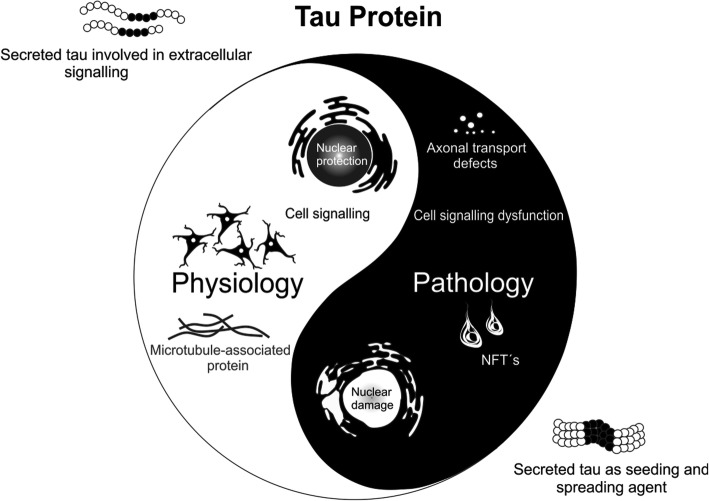
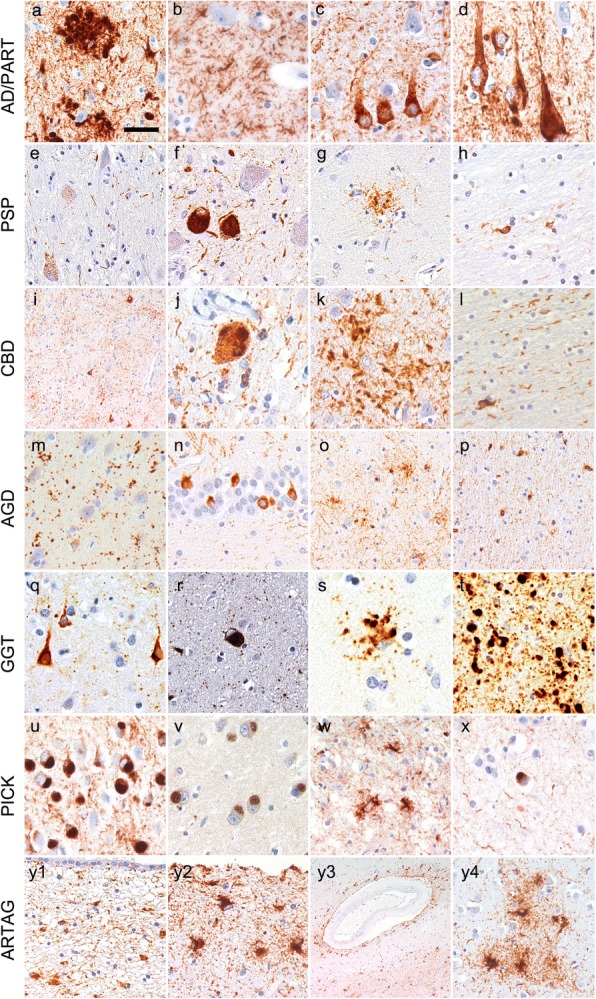
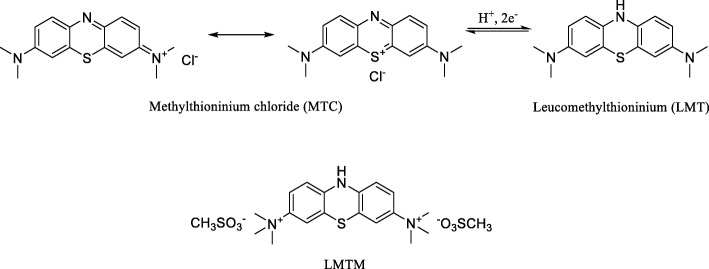
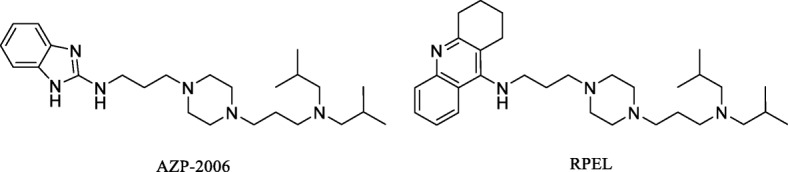
Tau neuronal and glial pathologies drive the clinical presentation of Alzheimer's disease and related human tauopathies. There is a growing body of evidence indicating that pathological tau species can travel from cell to cell and spread the pathology through the brain. Throughout the last decade, physiological and pathological tau have become attractive targets for AD therapies. Several therapeutic approaches have been proposed, including the inhibition of protein kinases or protein-3-O-(N-acetyl-beta-D-glucosaminyl)-L-serine/threonine Nacetylglucosaminyl hydrolase, the inhibition of tau aggregation, active and passive immunotherapies, and tau silencing by antisense oligonucleotides. New tau therapeutics, across the board, have demonstrated the ability to prevent or reduce tau lesions and improve either cognitive or motor impairment in a variety of animal models developing neurofibrillary pathology. The most advanced strategy for the treatment of human tauopathies remains immunotherapy, which has already reached the clinical stage of drug development. Tau vaccines or humanised antibodies target a variety of tau species either in the intracellular or extracellular spaces. Some of them recognise the amino-terminus or carboxy-terminus, while others display binding abilities to the proline-rich area or microtubule binding domains. The main therapeutic foci in existing clinical trials are on Alzheimer's disease, progressive supranuclear palsy and non-fluent primary progressive aphasia. Tau therapy offers a new hope for the treatment of many fatal brain disorders. First efficacy data from clinical trials will be available by the end of this decade.
tau 神经元和神经胶质病理学驱动阿尔茨海默病及相关人类 tau 病的临床表型。越来越多的证据表明,病理性 tau 可以在细胞间传播,并通过大脑传播病理学。在过去的十年中,生理和病理 tau 已成为 AD 治疗的有吸引力的靶点。已经提出了几种治疗方法,包括抑制蛋白激酶或蛋白-3-O-(N-乙酰-β-D-氨基葡萄糖基)-L-丝氨酸/苏氨酸 N-乙酰氨基葡萄糖苷水解酶、tau 聚集的抑制、主动和被动免疫疗法,以及通过反义寡核苷酸沉默 tau。新的 tau 治疗方法,全面展示了预防或减少 tau 病变并改善各种发展神经纤维病理的动物模型的认知或运动障碍的能力。人类 tau 病治疗的最先进策略仍然是免疫疗法,它已经进入了药物开发的临床阶段。tau 疫苗或人源化抗体针对细胞内或细胞外空间中的多种 tau 物种。其中一些识别氨基末端或羧基末端,而另一些则显示与脯氨酸丰富区或微管结合域的结合能力。现有临床试验的主要治疗重点是阿尔茨海默病、进行性核上性麻痹和非流利性原发性进行性失语症。tau 疗法为许多致命性脑疾病的治疗提供了新的希望。第一个来自临床试验的疗效数据将在本十年末公布。