Department of Microbiology, Tribhuvan University Teaching Hospital (TUTH), Institute of Medicine, Kathmandu, Nepal.
Department of Biochemistry, Tribhuvan University Teaching Hospital (TUTH), Institute of Medicine, Kathmandu, Nepal.
BMC Infect Dis. 2019 Feb 19;19(1):176. doi: 10.1186/s12879-019-3793-x.
Melioidosis is a life-threatening infectious disease that is caused by gram negative bacteria Burkholderia pseudomallei. This bacteria occurs as an environmental saprophyte typically in endemic regions of south-east Asia and northern Australia. Therefore, patients with melioidosis are at high risk of being misdiagnosed and/or under-diagnosed in South Asia.
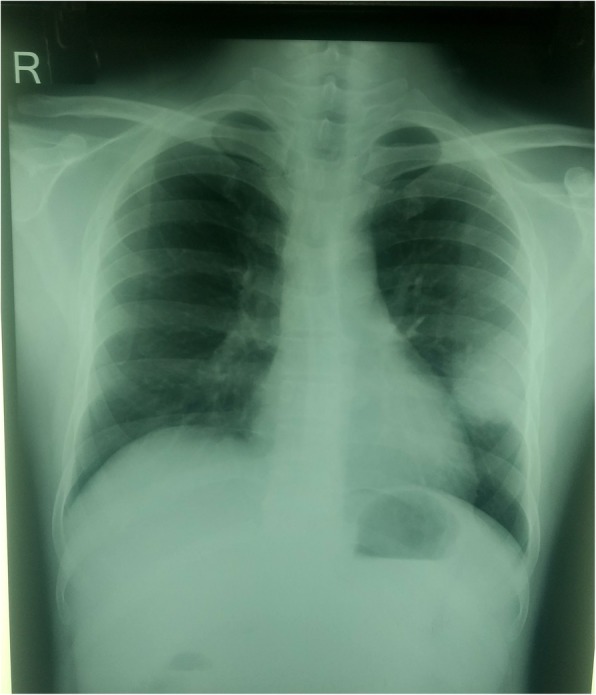
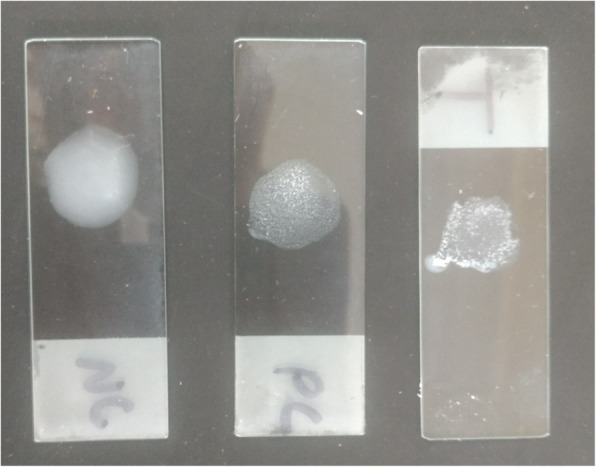
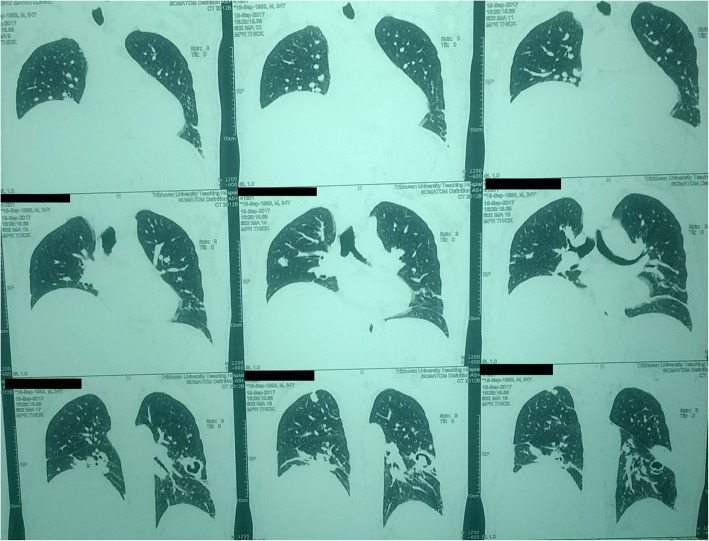
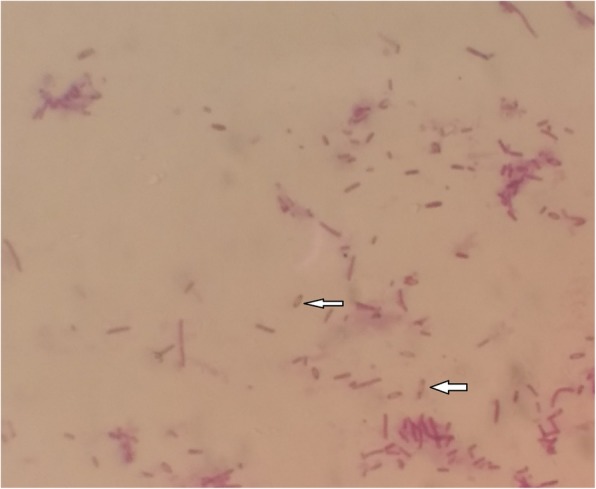
Here, we report two cases of melioidosis from Nepal. Both of them were diabetic male who presented themselves with fever, multiple abscesses and developed sepsis. They were treated with multiple antimicrobial agents including antitubercular drugs before being correctly diagnosed as melioidosis. Consistent with this, both patients were farmer by occupation and also reported travelling to Malaysia in the past. The diagnosis was made consequent to the isolation of B. pseudomallei from pus samples. Accordingly, they were managed with intravenous meropenem followed by oral doxycycline and cotrimoxazole.
The case reports raise serious concern over the existing unawareness of melioidosis in Nepal. Both of the cases were left undiagnosed for a long time. Therefore, clinicians need to keep a high index of suspicion while encountering similar cases. Especially diabetic-farmers who present with fever and sepsis and do not respond to antibiotics easily may turn out to be yet another case of melioidosis. Ascertaining the travel history and occupational history is of utmost significance. In addition, the microbiologist should be trained to correctly identify B. pseudomallei as it is often confused for other Burkholderia species. The organism responds only to specific antibiotics; therefore, correct and timely diagnosis becomes crucial for better outcomes.
类鼻疽是一种由革兰氏阴性细菌伯克霍尔德菌引起的危及生命的传染病。这种细菌通常作为环境腐生物存在于东南亚和澳大利亚北部的流行地区。因此,南亚的类鼻疽患者有很高的误诊和/或漏诊风险。
我们在此报告两例来自尼泊尔的类鼻疽病例。他们均为糖尿病男性,表现为发热、多处脓肿,并发生脓毒症。在被正确诊断为类鼻疽之前,他们曾接受过多种抗菌药物治疗,包括抗结核药物。这与他们的职业均为农民且曾前往马来西亚旅行的情况相符。从脓液样本中分离出伯克霍尔德菌后做出了诊断。因此,他们接受了静脉注射美罗培南治疗,随后口服多西环素和复方磺胺甲噁唑。
这些病例报告引起了人们对尼泊尔目前对类鼻疽认识不足的严重关注。这两例患者都被长期误诊。因此,临床医生在遇到类似病例时需要保持高度警惕。特别是出现发热和脓毒症且对抗生素治疗反应不佳的糖尿病农民,可能又是一例类鼻疽患者。确定旅行史和职业史至关重要。此外,应培训微生物学家正确识别伯克霍尔德菌,因为它常与其他伯克霍尔德菌属物种混淆。该病原体仅对特定抗生素有反应;因此,正确和及时的诊断对于获得更好的结果至关重要。