1 The Department of Biochemistry and Molecular Biology, Stark Neurosciences Research Institute, Indiana University School of Medicine, Indianapolis, IN, USA.
2 Lilly Research Laboratories, Eli Lilly & Company, Indianapolis, IN, USA.
Mol Pain. 2019 Jan-Dec;15:1744806919836570. doi: 10.1177/1744806919836570.
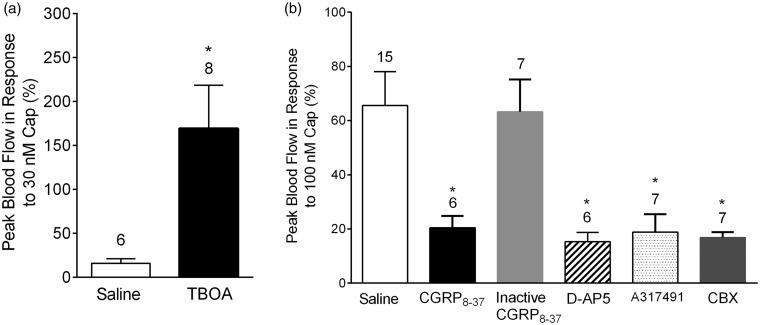
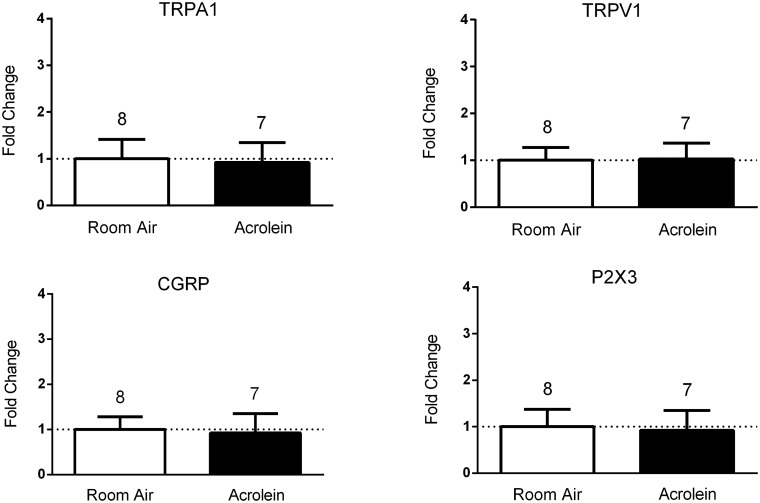
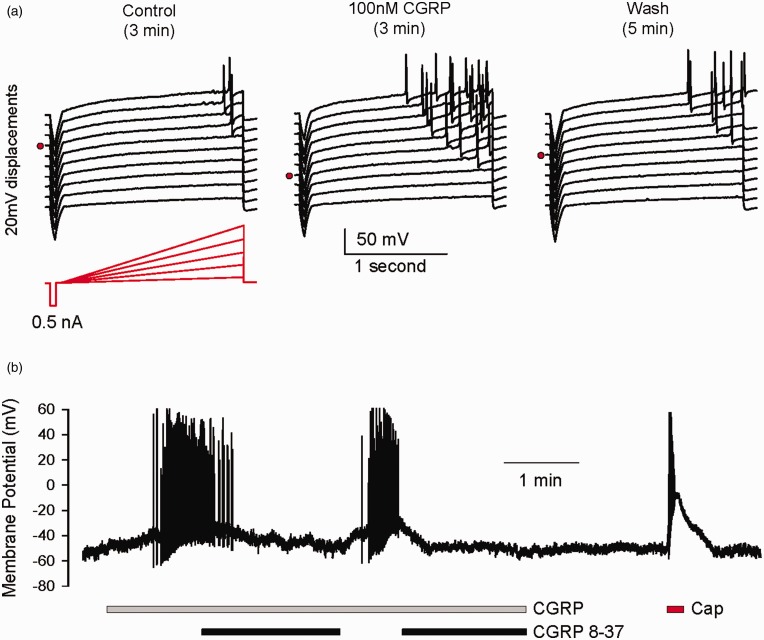
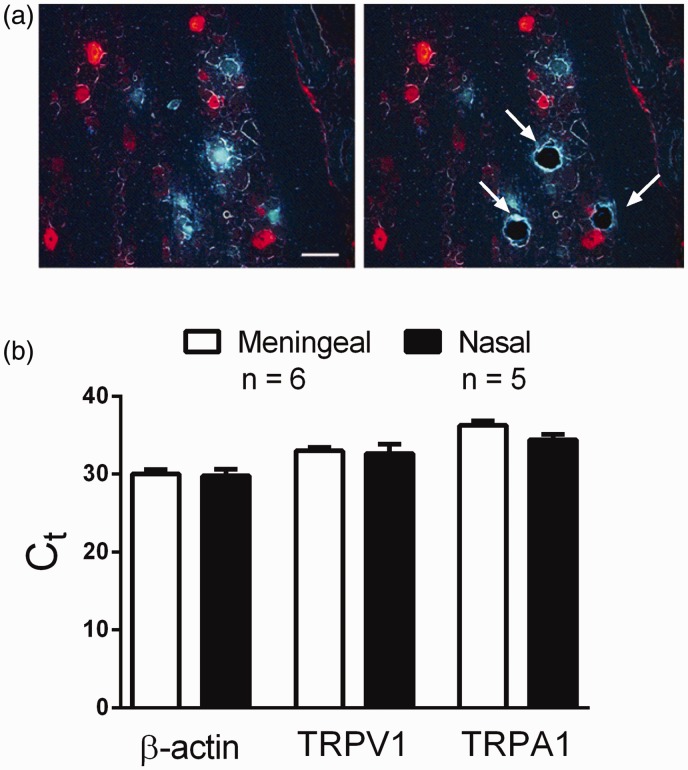
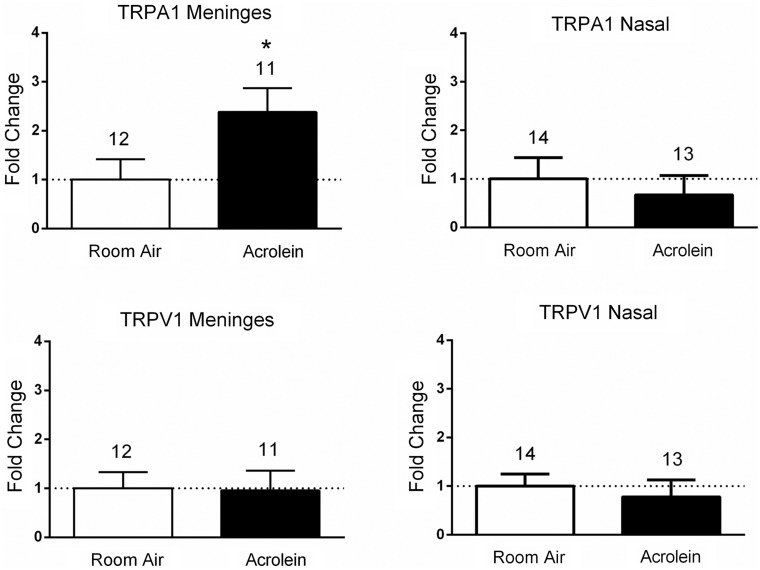
Migraine is triggered by poor air quality and odors through unknown mechanisms. Activation of the trigeminovascular pathway by environmental irritants may occur via activation of transient receptor potential ankyrin 1 (TRPA1) receptors on nasal trigeminal neurons, but how that results in peripheral and central sensitization is unclear. The anatomy of the trigeminal ganglion suggests that noxious nasal stimuli are not being transduced to the meninges by axon reflex but likely through intraganglionic transmission. Consistent with this concept, we injected calcitonin gene-related peptide, adenosine triphosphate, or glutamate receptor antagonists or a gap junction channel blocker directly and exclusively into the trigeminal ganglion and blocked meningeal blood flow changes in response to acute nasal TRP agonists. Previously, we observed chronic sensitization of the trigeminovascular pathway after acrolein exposure, a known TRPA1 receptor agonist. To explore the mechanism of this sensitization, we utilized laser dissection microscopy to separately harvest nasal and meningeal trigeminal neuron populations in the absence or presence of acrolein exposure. mRNA levels of neurotransmitters important in migraine were then determined by reverse transcription polymerase chain reaction. TRPA1 message levels were significantly increased in meningeal cell populations following acrolein exposure compared to room air exposure. This was specific to TRPA1 message in meningeal cell populations as changes were not observed in either nasal trigeminal cell populations or dorsal root ganglion populations. Taken together, these data suggest an important role for intraganglionic transmission in acute activation of the trigeminovascular pathway. It also supports a role for upregulation of TRPA1 receptors in peripheral sensitization and a possible mechanism for chronification of migraine after environmental irritant exposure.
偏头痛是由空气质量差和气味通过未知机制引发的。环境刺激物通过激活三叉神经血管通路可能通过激活鼻三叉神经神经元上的瞬时受体电位锚蛋白 1(TRPA1)受体来发生,但这如何导致外周和中枢敏化尚不清楚。三叉神经节的解剖结构表明,有害的鼻刺激物不会通过轴突反射传递到脑膜,而可能通过神经节内传递。与这一概念一致,我们直接且专门地将降钙素基因相关肽、三磷酸腺苷或谷氨酸受体拮抗剂或间隙连接通道阻滞剂注入三叉神经节,并阻断了急性鼻 TRP 激动剂引起的脑膜血流变化。以前,我们观察到丙烯醛暴露后三叉血管通路的慢性敏化,丙烯醛是已知的 TRPA1 受体激动剂。为了探索这种敏化的机制,我们利用激光切割显微镜分别在丙烯醛暴露或不存在丙烯醛暴露的情况下采集鼻和脑膜三叉神经神经元群体。然后通过逆转录聚合酶链反应确定在偏头痛中起重要作用的神经递质的 mRNA 水平。与在室温空气中暴露相比,丙烯醛暴露后脑膜细胞群体中的 TRPA1 信使水平显着增加。这是脑膜细胞群体中 TRPA1 信使的特异性变化,因为在鼻三叉神经细胞群体或背根神经节群体中未观察到变化。总之,这些数据表明神经节内传递在三叉神经血管通路的急性激活中起着重要作用。它还支持 TRPA1 受体在外周敏化中的上调作用以及环境刺激物暴露后偏头痛慢性化的可能机制。