Huisman Chantal, Kort Helianthe
Research Center Sustainable and Healthy Living Utrecht, Research Group Technology for Healthcare Innovations, Utrecht University of Applied Sciences, 3584 CJ Utrecht, The Netherlands.
Department of the Built Environment, Chair Building Healthy for Environments Future Users, Eindhoven University of Technology, 5612 AZ Eindhoven, The Netherlands.
Healthcare (Basel). 2019 Feb 19;7(1):31. doi: 10.3390/healthcare7010031.
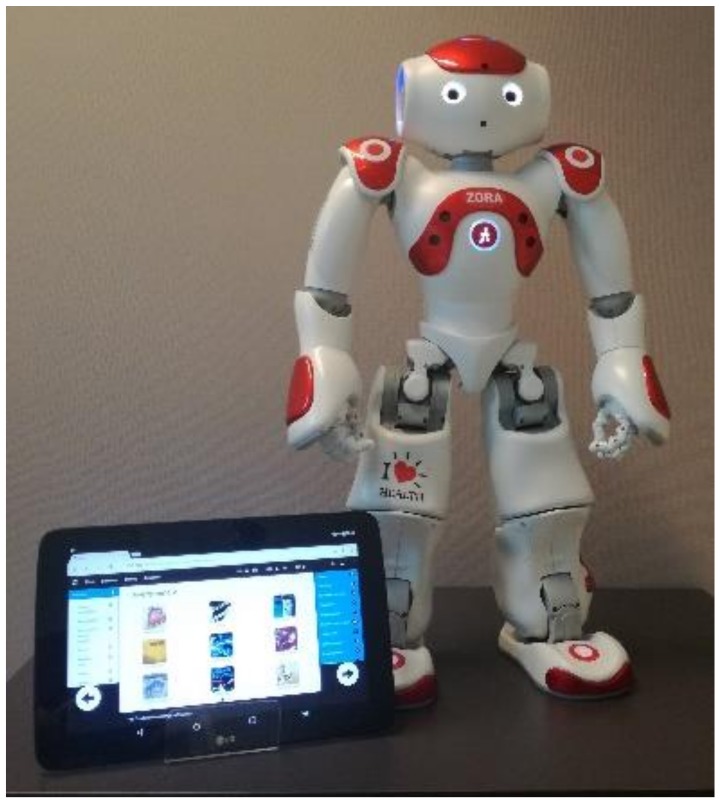
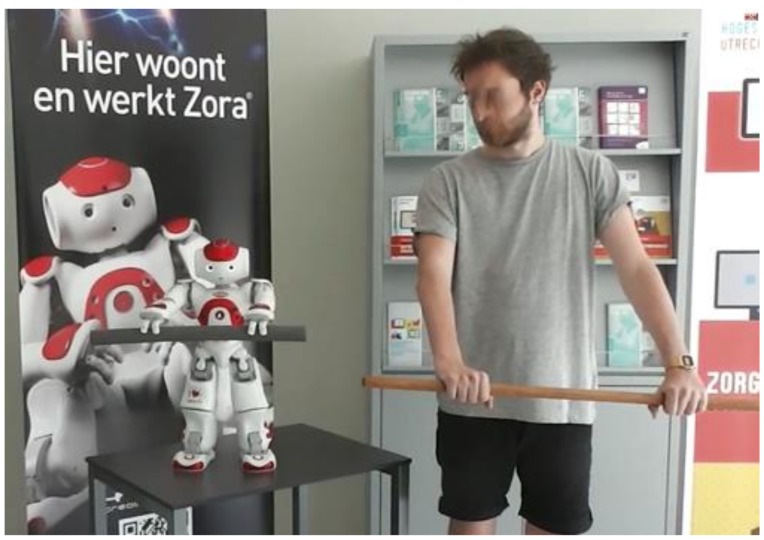
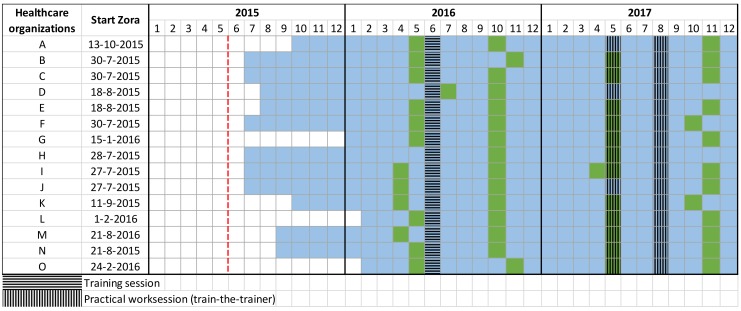
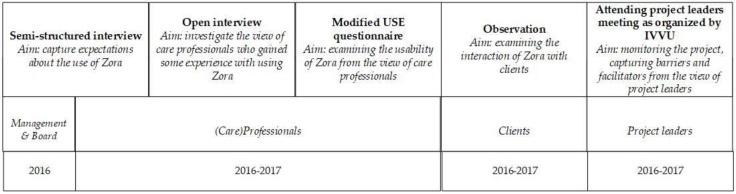
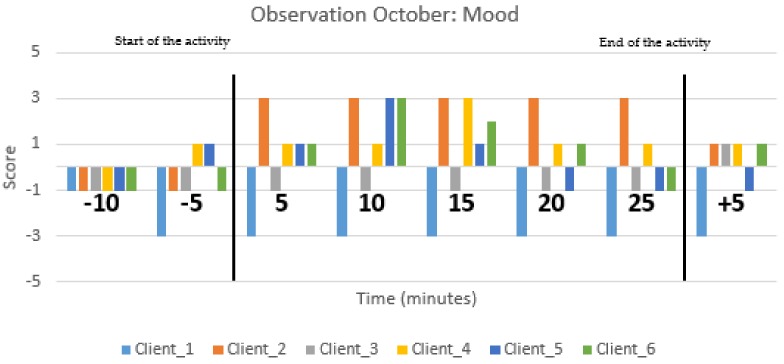
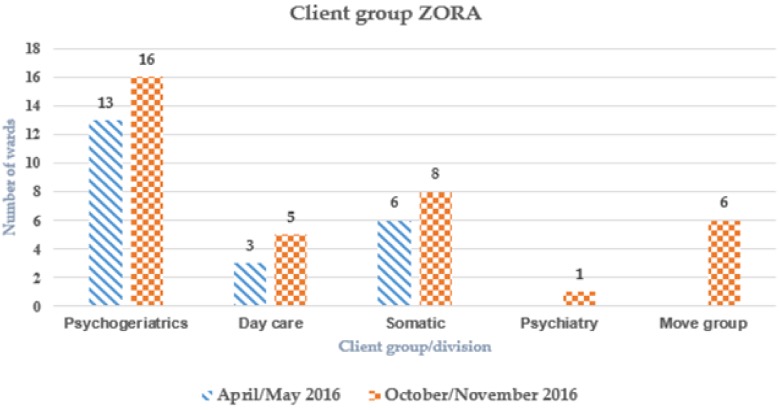
The use of the Zora robot was monitored and evaluated in 14 nursing care organizations (15 locations). The Zora robot, a Não robot with software, is designed as a social robot and used for pleasure and entertainment or to stimulate the physical activities of clients in residential care. In the first year, the aim was to monitor and evaluate how the care robot is used in daily practice. In the second year, the focus was on evaluating whether the use of Zora by care professionals can be extended to more groups and other type of clients. Interviews, questionnaires and observations were used as instruments to reveal the progress in the use of the robot and to reveal the facilitators and barriers. Care professionals experienced several barriers in the use of the robot (e.g., start-up time and software failures). The opportunity they had to discuss their experience during project team meetings was seen as a facilitator in the project. Furthermore, they mentioned that the Zora robot had a positive influence on clients as it created added value for the care professionals in having fun at work.
在14个护理机构(15个地点)对佐拉机器人的使用情况进行了监测和评估。佐拉机器人是一款配备软件的瑙机器人,被设计成社交机器人,用于娱乐消遣或激发寄宿护理机构中客户的身体活动。第一年,目标是监测和评估护理机器人在日常实践中的使用方式。第二年,重点是评估护理专业人员对佐拉机器人的使用能否扩展到更多群体和其他类型的客户。访谈、问卷调查和观察被用作工具,以揭示机器人使用方面的进展情况,并找出促进因素和障碍。护理专业人员在使用机器人时遇到了一些障碍(例如,启动时间和软件故障)。他们在项目团队会议上有机会讨论自己的经验,这被视为项目中的一个促进因素。此外,他们提到佐拉机器人对客户有积极影响,因为它为护理专业人员在工作中增添乐趣创造了附加价值。