Division of Rheumatology and Immunology, Department of Internal Medicine at Ohio State University of Medicine and Wexner Medical Center, Columbus, OH 43201, USA.
Division of Rheumatology, Department of Medicine at Penn State College of Medicine, Hershey, PA 17033, USA.
Cells. 2019 Feb 21;8(2):188. doi: 10.3390/cells8020188.
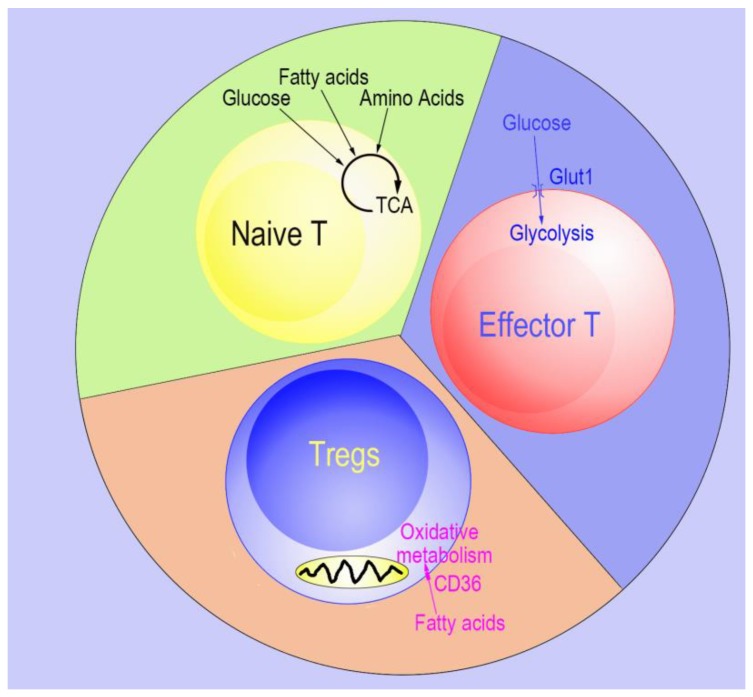
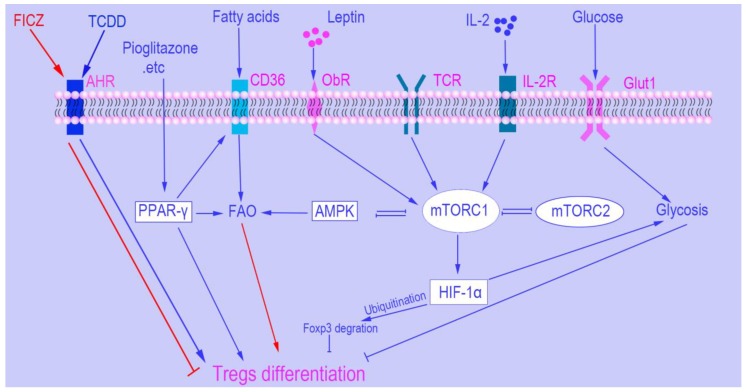
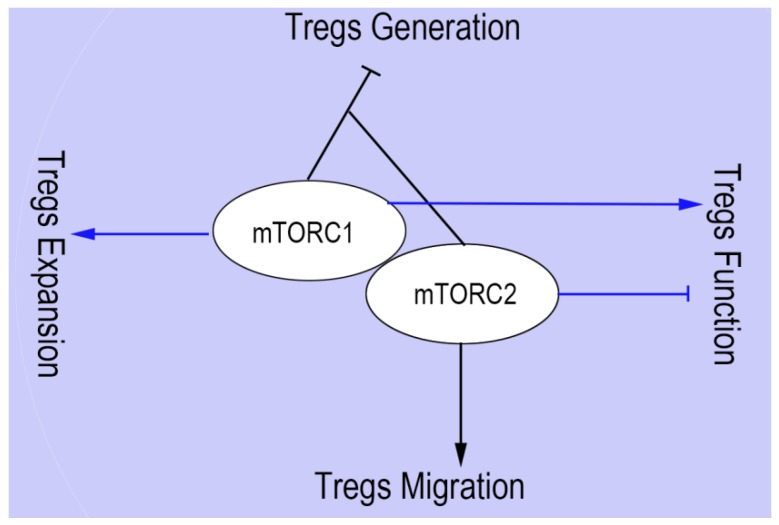
Regulatory T cells (Tregs) are essential for maintaining immune tolerance and preventing autoimmune and inflammatory diseases. The activity and function of Tregs are in large part determined by various intracellular metabolic processes. Recent findings have focused on how intracellular metabolism can shape the development, trafficking, and function of Tregs. In this review, we summarize and discuss current research that reveals how distinct metabolic pathways modulate Tregs differentiation, phenotype stabilization, and function. These advances highlight numerous opportunities to alter Tregs frequency and function in physiopathologic conditions via metabolic manipulation and have important translational implications.
调节性 T 细胞(Tregs)对于维持免疫耐受和预防自身免疫和炎症性疾病至关重要。Tregs 的活性和功能在很大程度上取决于各种细胞内代谢过程。最近的研究重点关注细胞内代谢如何影响 Tregs 的发育、运输和功能。在这篇综述中,我们总结和讨论了当前的研究,揭示了不同的代谢途径如何调节 Tregs 的分化、表型稳定和功能。这些进展突出了通过代谢操纵改变生理病理条件下 Tregs 的频率和功能的许多机会,并具有重要的转化意义。