Signature Research Program in Cardiovascular & Metabolic Disorders, Duke-NUS Medical School, Singapore 169857, Singapore.
Department of Basic Medical Sciences, University of Arizona, Phoenix, AZ 85004, USA.
Stem Cell Reports. 2019 Mar 5;12(3):597-610. doi: 10.1016/j.stemcr.2019.01.017. Epub 2019 Feb 21.
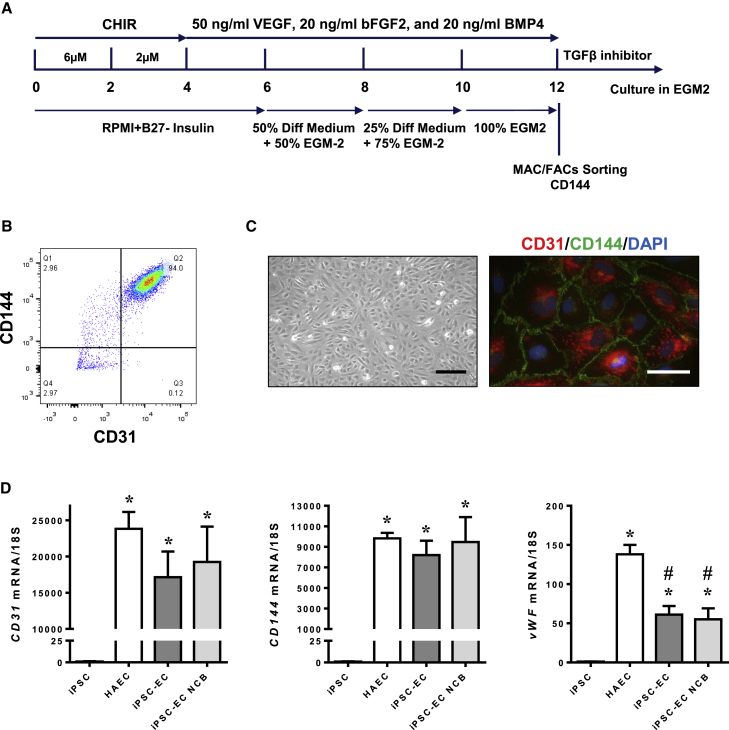
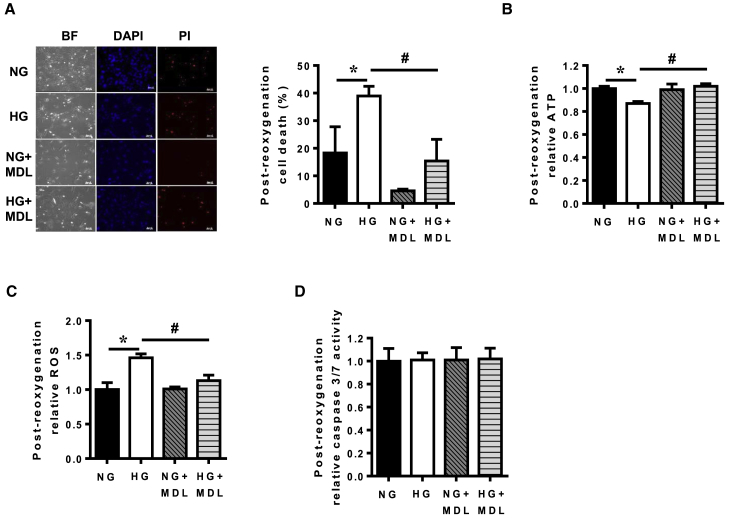
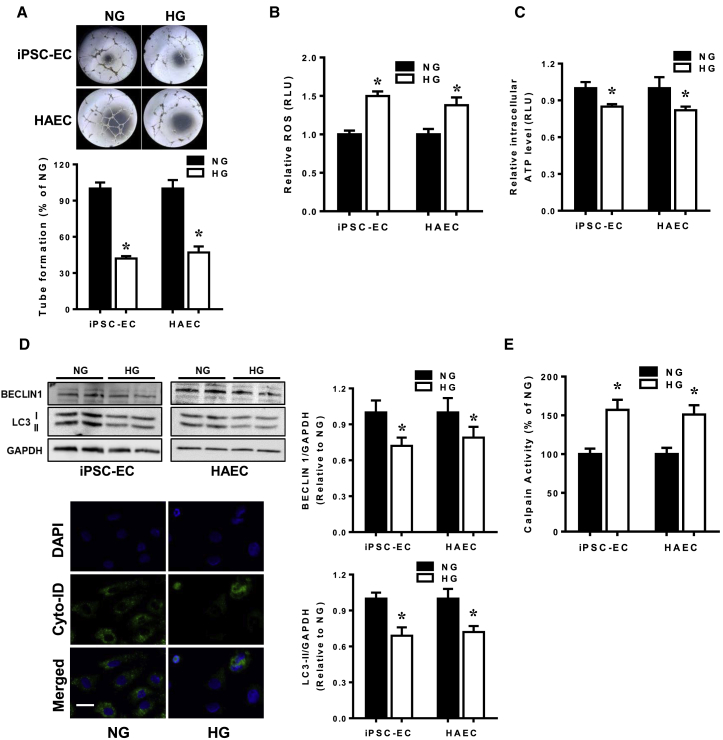
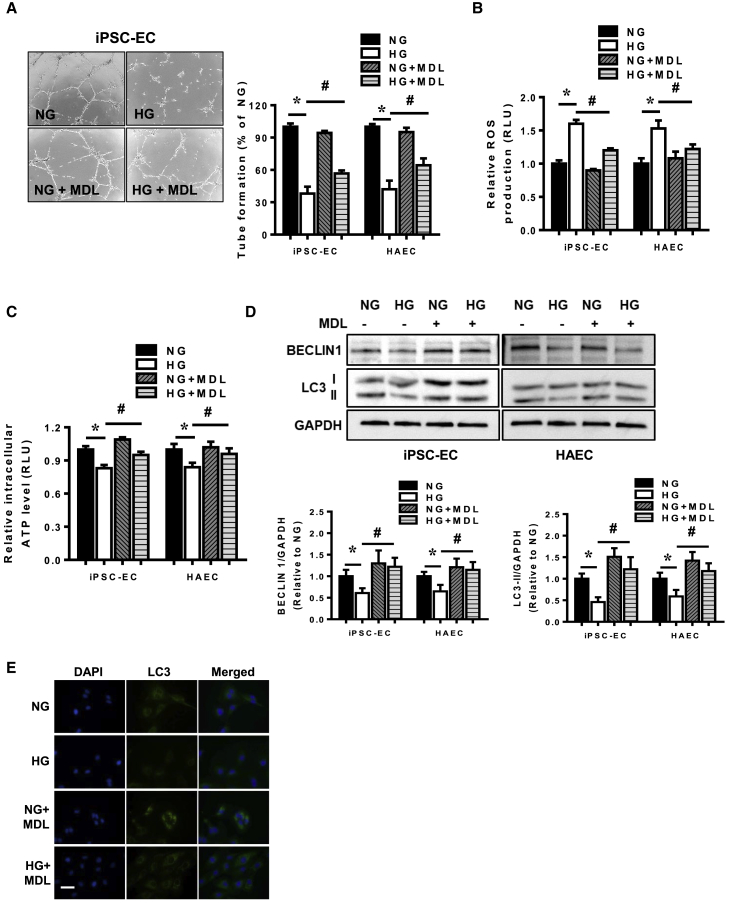
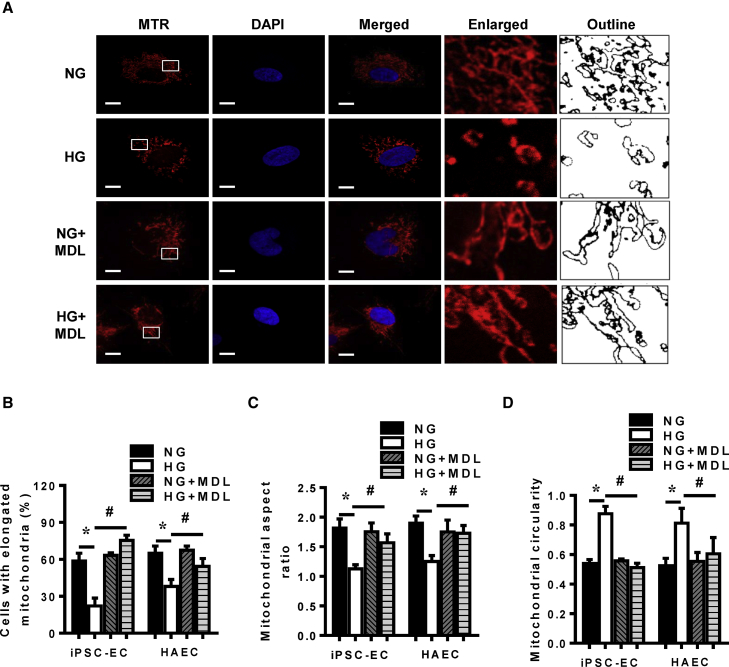
The relationship between diabetes and endothelial dysfunction remains unclear, particularly the association with pathological activation of calpain, an intracellular cysteine protease. Here, we used human induced pluripotent stem cells-derived endothelial cells (iPSC-ECs) to investigate the effects of diabetes on vascular health. Our results indicate that iPSC-ECs exposed to hyperglycemia had impaired autophagy, increased mitochondria fragmentation, and was associated with increased calpain activity. In addition, hyperglycemic iPSC-ECs had increased susceptibility to cell death when subjected to a secondary insult-simulated ischemia-reperfusion injury (sIRI). Importantly, calpain inhibition restored autophagy and reduced mitochondrial fragmentation, concurrent with maintenance of ATP production, normalized reactive oxygen species levels and reduced susceptibility to sIRI. Using a human iPSC model of diabetic endotheliopathy, we demonstrated that restoration of autophagy and prevention of mitochondrial fragmentation via calpain inhibition improves vascular integrity. Our human iPSC-EC model thus represents a valuable platform to explore biological mechanisms and new treatments for diabetes-induced endothelial dysfunction.
糖尿病与血管内皮功能障碍之间的关系尚不清楚,尤其是与钙蛋白酶(一种细胞内半胱氨酸蛋白酶)的病理性激活有关。在这里,我们使用人诱导多能干细胞衍生的内皮细胞(iPSC-ECs)来研究糖尿病对血管健康的影响。我们的结果表明,暴露于高血糖环境中的 iPSC-ECs 会出现自噬受损、线粒体碎片化增加,并且与钙蛋白酶活性增加有关。此外,当高血糖 iPSC-ECs 受到二次损伤(模拟缺血再灌注损伤,sIRI)时,其更容易发生细胞死亡。重要的是,钙蛋白酶抑制作用可恢复自噬并减少线粒体碎片化,同时维持 ATP 产生、正常化活性氧水平并降低对 sIRI 的易感性。使用糖尿病血管内皮病变的人类 iPSC 模型,我们证明了通过钙蛋白酶抑制作用恢复自噬和预防线粒体碎片化可改善血管完整性。因此,我们的人类 iPSC-EC 模型代表了探索生物学机制和糖尿病引起的内皮功能障碍新治疗方法的有价值平台。