Ludwig Institute for Cancer Research, Nuffield Department of Clinical Medicine, University of Oxford, Oxford, United Kingdom.
Institute of Biomedical Engineering, Department of Engineering, University of Oxford, Oxford, United Kingdom.
Elife. 2019 Feb 26;8:e40162. doi: 10.7554/eLife.40162.
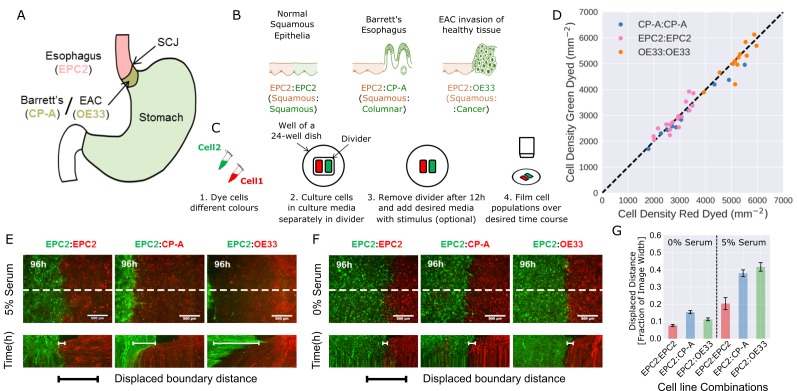
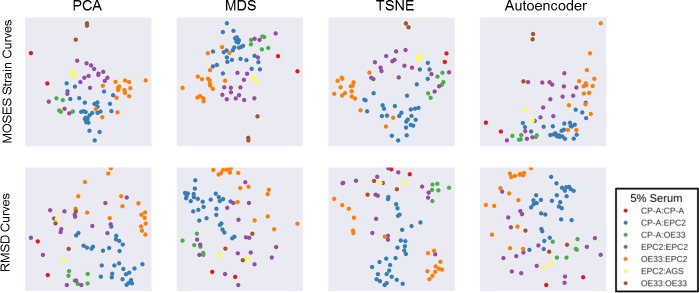
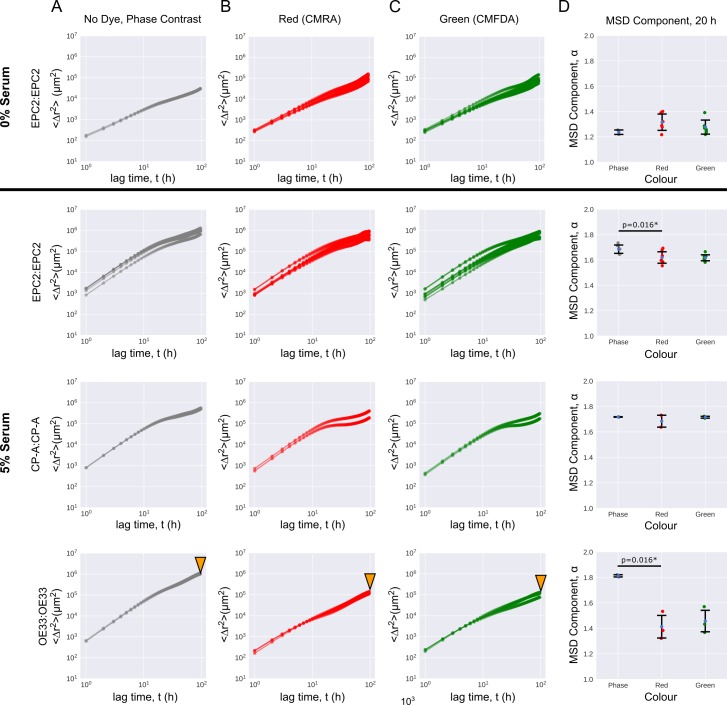
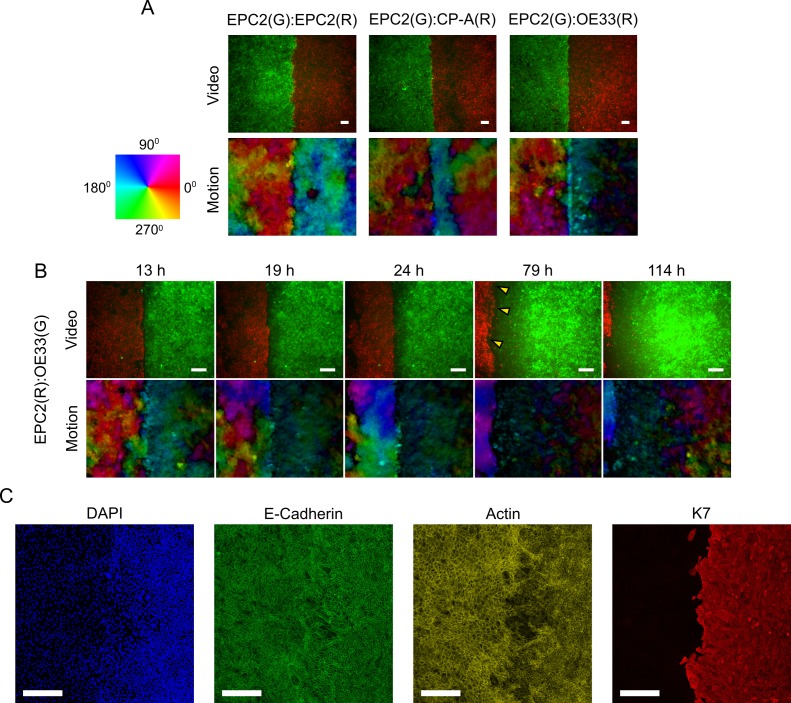
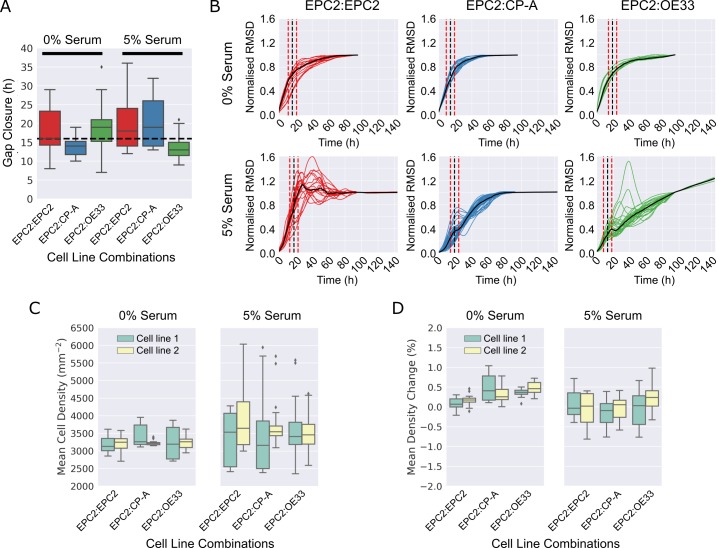
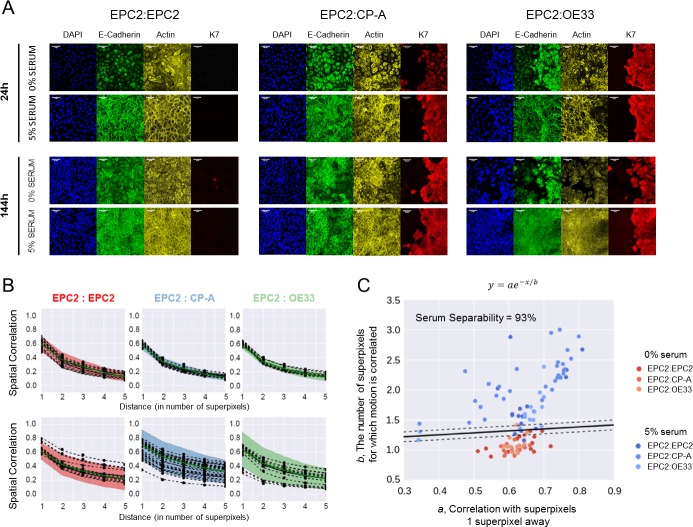
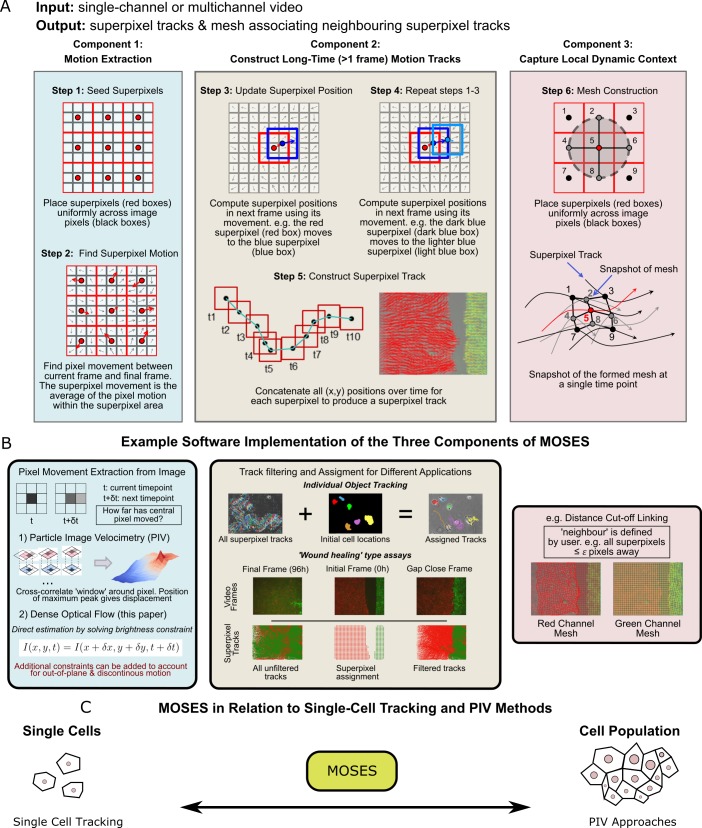
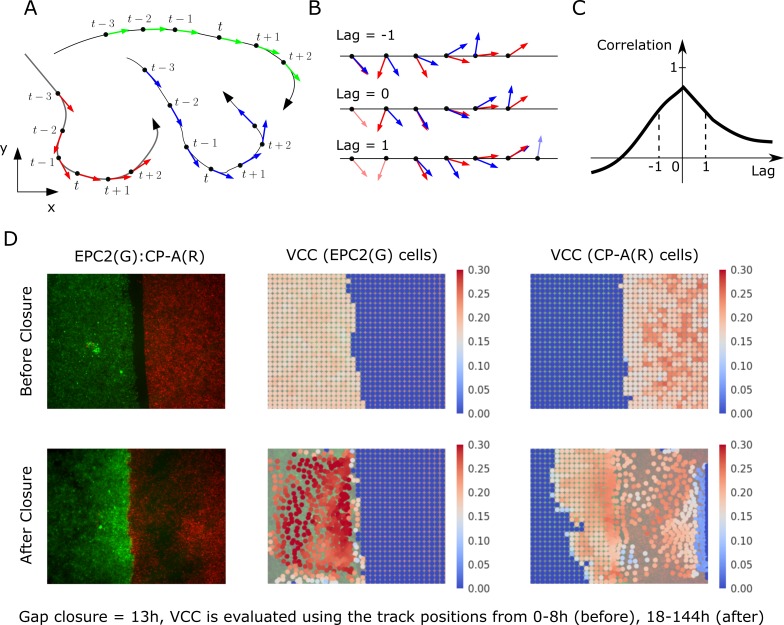
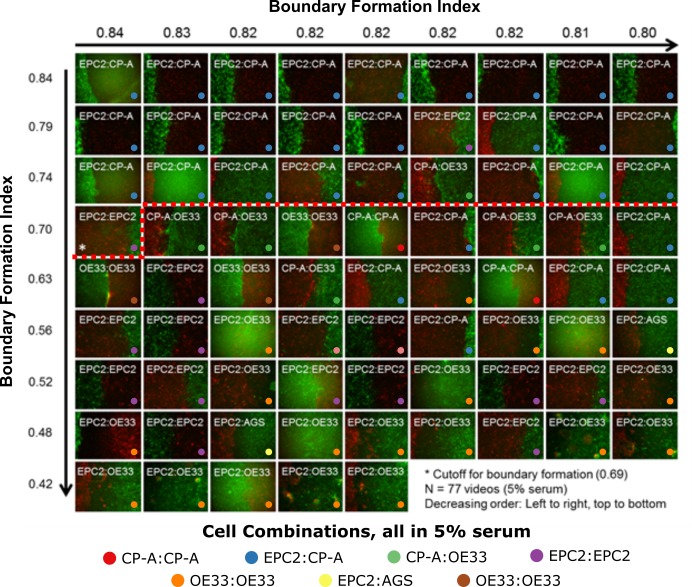
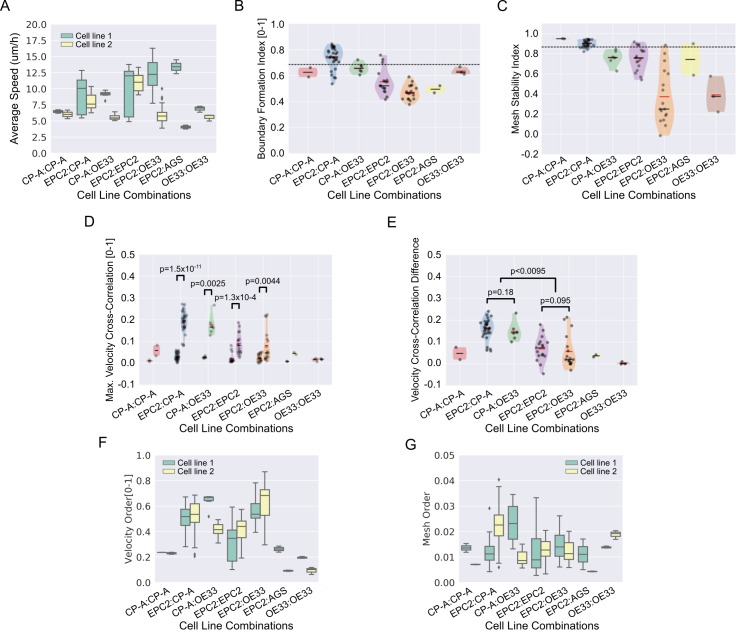
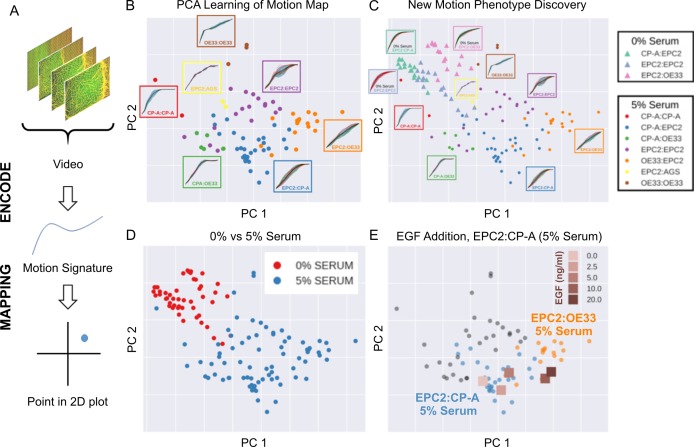
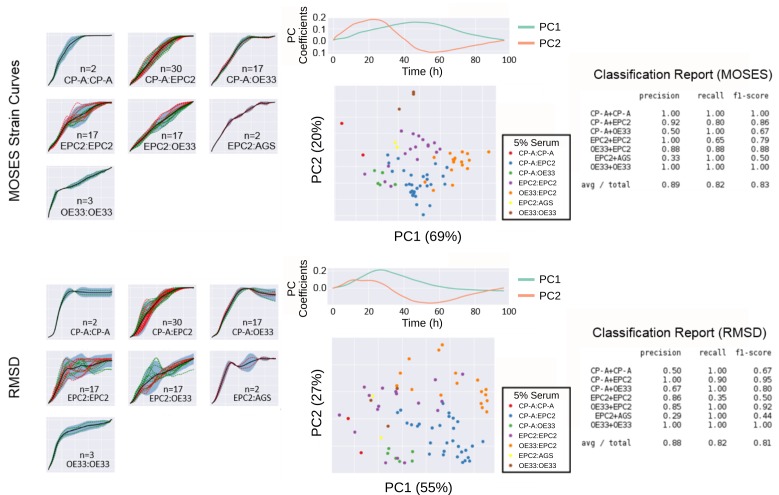
Correct cell/cell interactions and motion dynamics are fundamental in tissue homeostasis, and defects in these cellular processes cause diseases. Therefore, there is strong interest in identifying factors, including drug candidates that affect cell/cell interactions and motion dynamics. However, existing quantitative tools for systematically interrogating complex motion phenotypes in timelapse datasets are limited. We present Motion Sensing Superpixels (MOSES), a computational framework that measures and characterises biological motion with a unique superpixel 'mesh' formulation. Using published datasets, MOSES demonstrates single-cell tracking capability and more advanced population quantification than Particle Image Velocimetry approaches. From > 190 co-culture videos, MOSES motion-mapped the interactions between human esophageal squamous epithelial and columnar cells mimicking the esophageal squamous-columnar junction, a site where Barrett's esophagus and esophageal adenocarcinoma often arise clinically. MOSES is a powerful tool that will facilitate unbiased, systematic analysis of cellular dynamics from high-content time-lapse imaging screens with little prior knowledge and few assumptions.
正确的细胞/细胞相互作用和运动动力学是组织动态平衡的基础,这些细胞过程的缺陷会导致疾病。因此,人们强烈关注识别因素,包括影响细胞/细胞相互作用和运动动力学的药物候选物。然而,现有的用于系统研究时移数据集复杂运动表型的定量工具是有限的。我们提出了运动感应超像素(MOSES),这是一种计算框架,它使用独特的超像素“网格”公式来测量和描述生物运动。使用已发表的数据集,MOSES 展示了单细胞跟踪能力和比粒子图像测速方法更先进的群体量化能力。从 >190 个共培养视频中,MOSES 对人类食管鳞状上皮细胞和柱状细胞之间的相互作用进行了运动映射,模拟了食管鳞状柱状交界处,临床上 Barrett 食管和食管腺癌经常发生于此。MOSES 是一种强大的工具,它将促进从高内涵时移成像筛选中进行无偏、系统的细胞动力学分析,而无需先验知识和很少的假设。