Shanghai OB/GYN Hospital, Fudan University, Shanghai, 200011, China.
Shanghai Key Laboratory of Female Reproductive Endocrine-Related Diseases, Fudan University, Shanghai, China.
Sci Rep. 2019 Feb 25;9(1):2698. doi: 10.1038/s41598-019-39170-w.
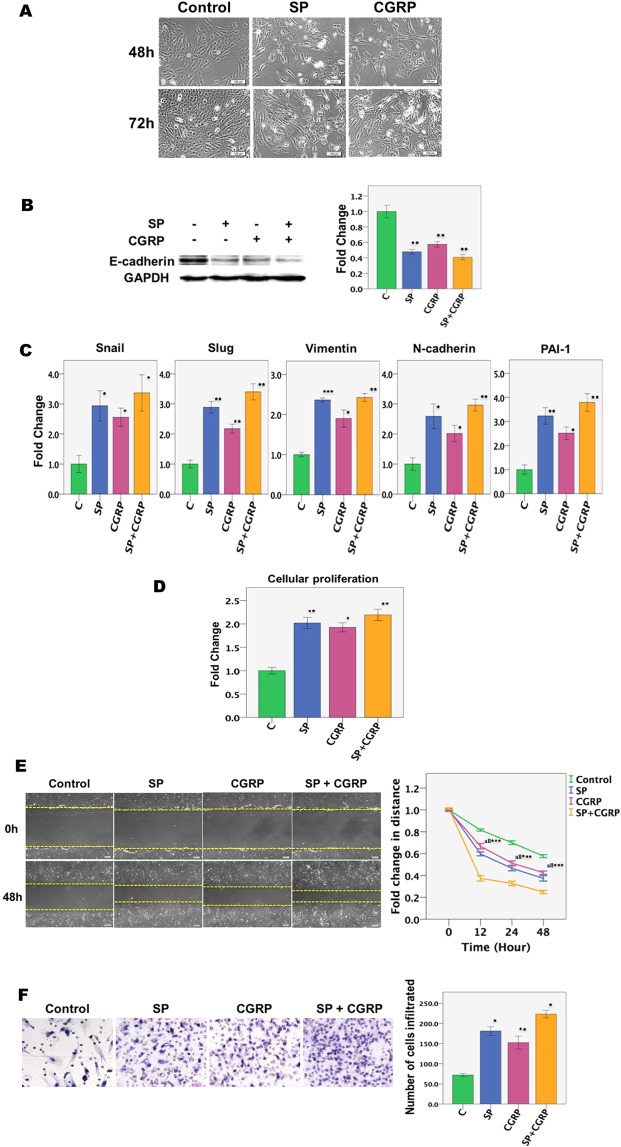
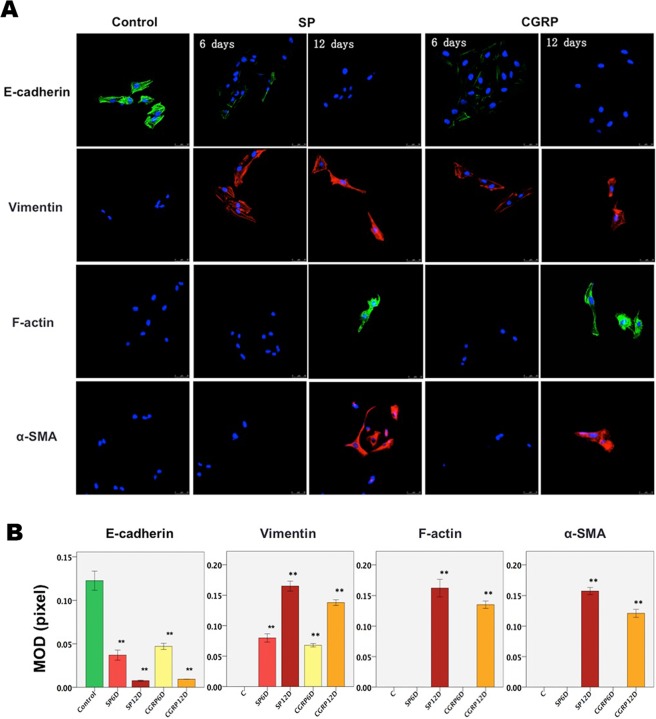
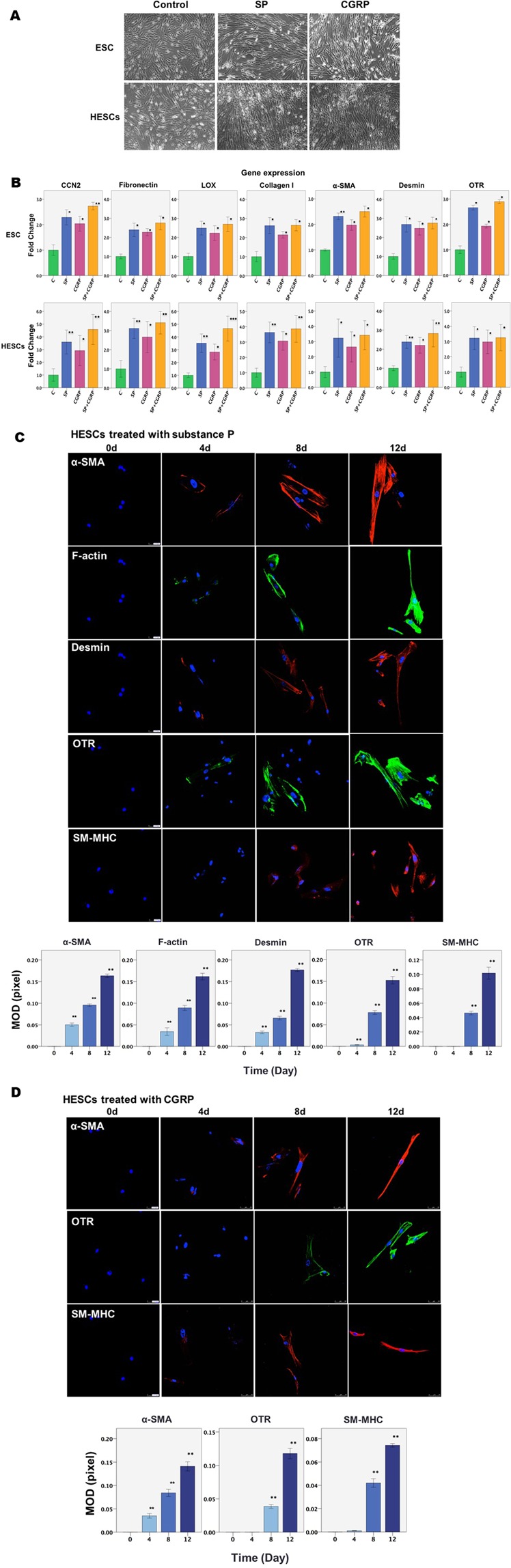
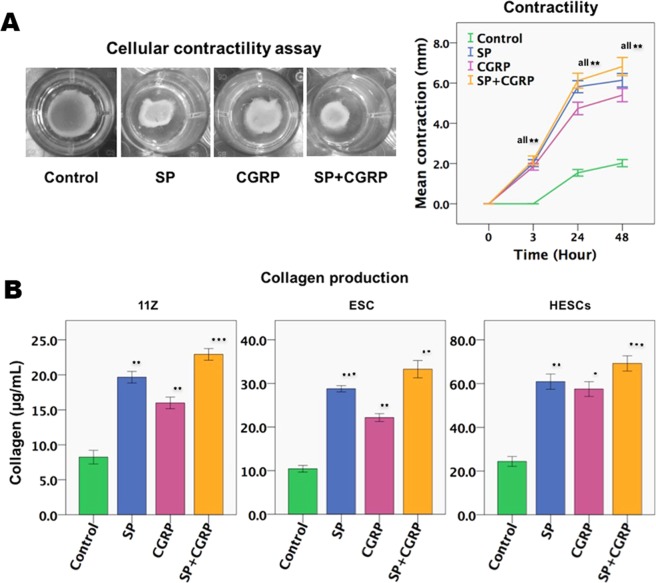
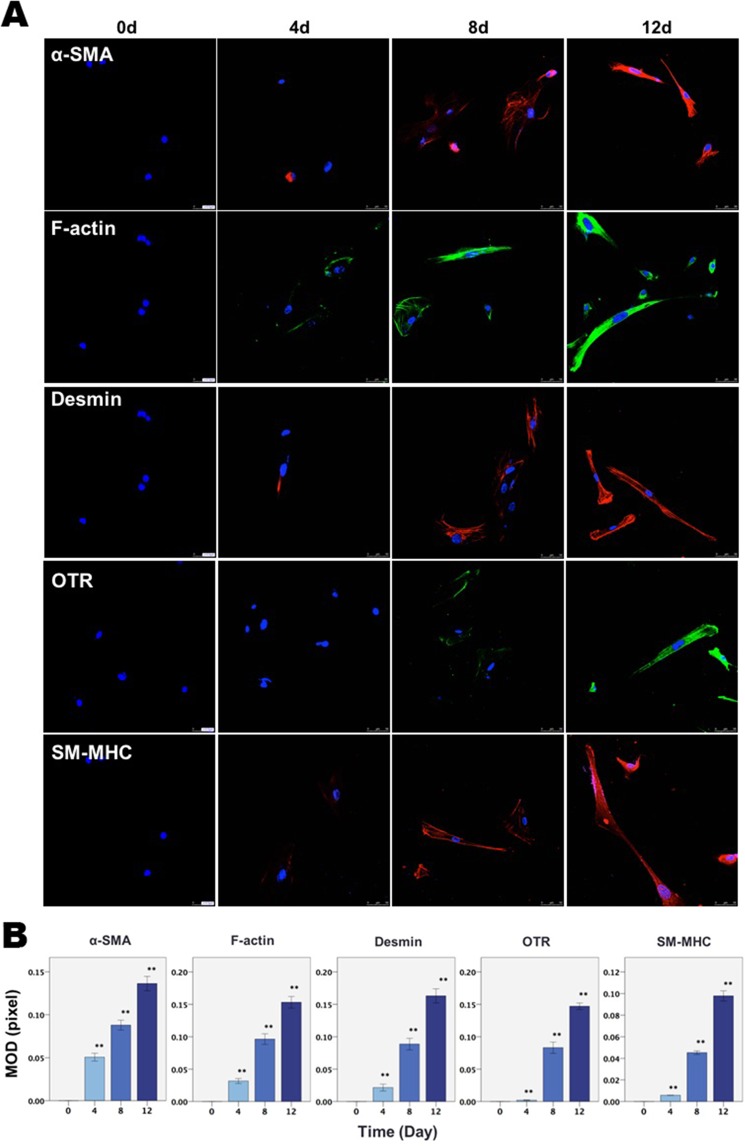
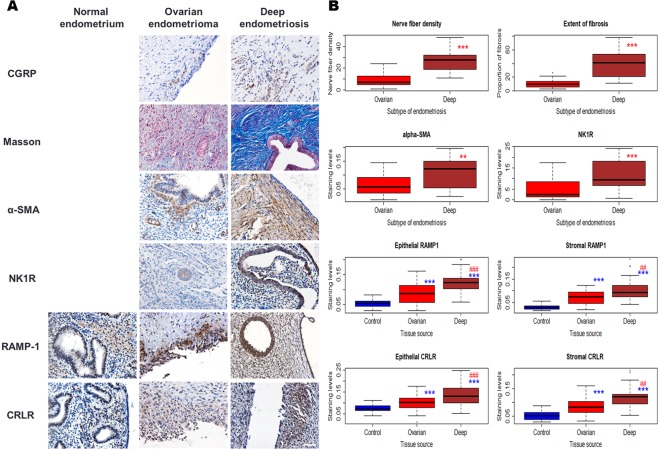
Endometriotic lesions are known to be hyperinnervated, especially in lesions of deep endometriosis (DE), which are frequently in close proximity to various nerve plexuses. DE lesions typically have higher fibromuscular content than that of ovarian endometriomas (OE) lesions, but the underlying reason remains elusive. Aside from their traditional role of pain transduction, however, whether or not sensory nerves play any role in the development of endometriosis is unclear. Here, we show that, thorough their respective receptors neurokinin receptor 1 (NK1R), calcitonin receptor like receptor (CRLR), and receptor activity modifying protein 1 (RAMP-1), neuropeptides substance P (SP) and calcitonin gene related peptide (CGRP) induce epithelial-mesenchymal transition (EMT), fibroblast-to-myofibroblast transdifferentiation (FMT) and further turn stromal cells into smooth muscle cells (SMCs) in endometriotic lesions, resulting ultimately in fibrosis. We show that SP and CGRP, or the rat dorsal root ganglia (DRG) supernatant, through the induction of NK1R and CGRP/CRLR/RAMP-1 signaling pathways, promoted EMT, FMT and SMM in endometriosis, resulting in increased migratory and invasive propensity, cell contractility, production of collagen, and eventually to fibrosis. Neutralization of NK1R and/or CGRP/CRLR/RAMP-1 abrogated these processes. Extended exposure of endometriotic stromal cells to SP and/or CGRP or the DRG supernatant induced increased expression of α-SMA, desmin, oxytocin receptor, and smooth muscle myosin heavy-chain. Finally, we show that DE lesions had significantly higher nerve fiber density, increased staining levels of α-SMA, NK1R, CRLR, and RAMP-1, concomitant with higher lesional fibrotic content than that of OE lesions. The extent of lesional fibrosis correlated positively with the staining levels of NK1R, CRLR, and RAMP-1, as well as the nerve fiber density in lesions. Thus, this study provides another piece of evidence that sensory nerves play an important role in promoting the development and fibrogenesis of endometriosis. It explains as why DE frequently have higher fibromuscular content than that of OE, highlights the importance of lesional microenvironment in shaping the lesional fate, gives more credence to the idea that ectopic endometrium is fundamentally wounds that go through repeated tissue injury and repair, and should shed much needed light into the pathophysiology of endometriosis.
子宫内膜异位症病变已知呈神经支配过度,尤其是在深部子宫内膜异位症(DE)病变中,这些病变通常与各种神经丛密切相关。DE 病变的纤维肌肉含量通常高于卵巢子宫内膜异位瘤(OE)病变,但潜在原因仍不清楚。然而,除了它们在疼痛转导中的传统作用之外,感觉神经是否在子宫内膜异位症的发展中发挥作用尚不清楚。在这里,我们表明,通过各自的受体神经激肽受体 1(NK1R)、降钙素受体样受体(CRLR)和受体活性修饰蛋白 1(RAMP-1),神经肽 P 物质(SP)和降钙素基因相关肽(CGRP)诱导子宫内膜异位症病变中的上皮-间充质转化(EMT)、成纤维细胞向肌成纤维细胞转化(FMT),并进一步将基质细胞转化为平滑肌细胞(SMCs),最终导致纤维化。我们表明,SP 和 CGRP 或大鼠背根神经节(DRG)上清液通过诱导 NK1R 和 CGRP/CRLR/RAMP-1 信号通路,促进了子宫内膜异位症中的 EMT、FMT 和 SMM,从而增加了迁移和侵袭倾向、细胞收缩性、胶原产生,最终导致纤维化。NK1R 和/或 CGRP/CRLR/RAMP-1 的中和消除了这些过程。延长子宫内膜异位症基质细胞暴露于 SP 和/或 CGRP 或 DRG 上清液会导致 α-SMA、结蛋白、催产素受体和平滑肌肌球蛋白重链的表达增加。最后,我们表明,DE 病变的神经纤维密度明显更高,α-SMA、NK1R、CRLR 和 RAMP-1 的染色水平升高,同时病变中的纤维化含量也高于 OE 病变。病变纤维化的程度与 NK1R、CRLR 和 RAMP-1 的染色水平以及病变中的神经纤维密度呈正相关。因此,这项研究提供了另一个证据,即感觉神经在促进子宫内膜异位症的发展和纤维化中起着重要作用。这解释了为什么 DE 病变的纤维肌肉含量通常高于 OE 病变,强调了病变微环境在塑造病变命运中的重要性,使人们更加相信异位子宫内膜是根本上的创伤,会经历反复的组织损伤和修复,并为子宫内膜异位症的病理生理学提供了急需的启示。