Varghese Divya S, Alawathugoda Thilina Thejinda, Ansari Suraiya A
Department of Biochemistry, College of Medicine and Health Sciences, UAE University, Al Ain, Abu Dhabi, UAE.
Stem Cells Int. 2019 Jan 22;2019:5968236. doi: 10.1155/2019/5968236. eCollection 2019.
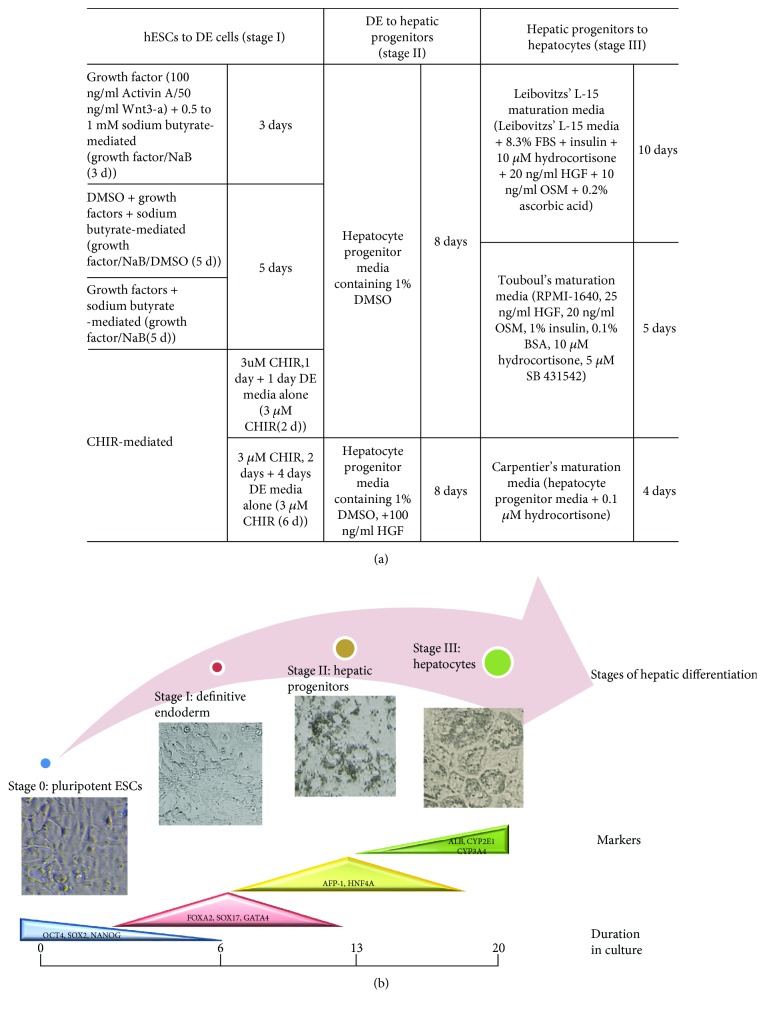
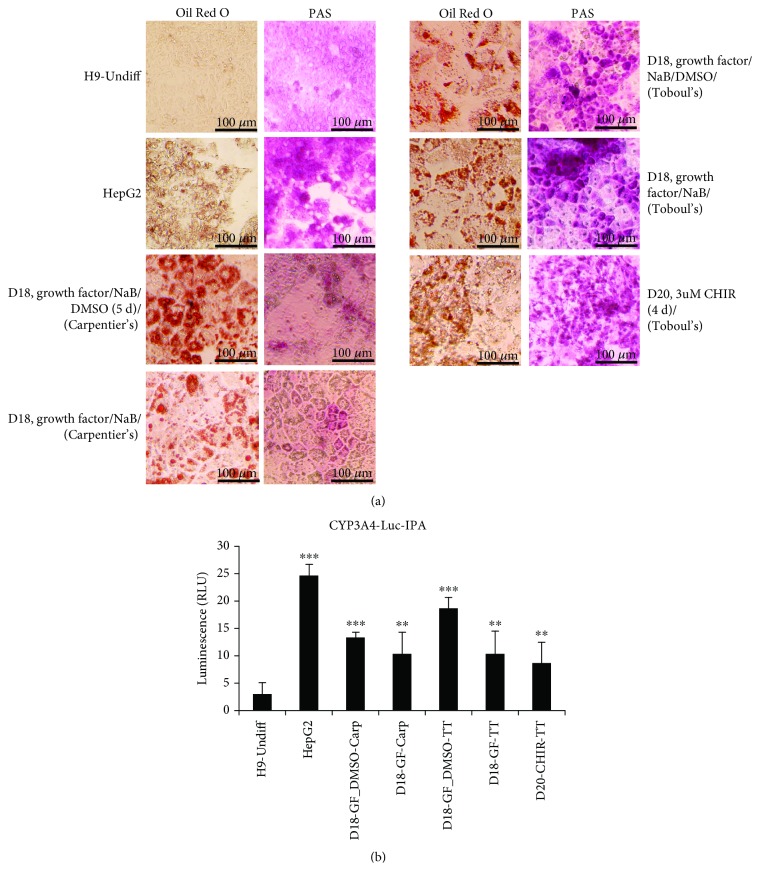
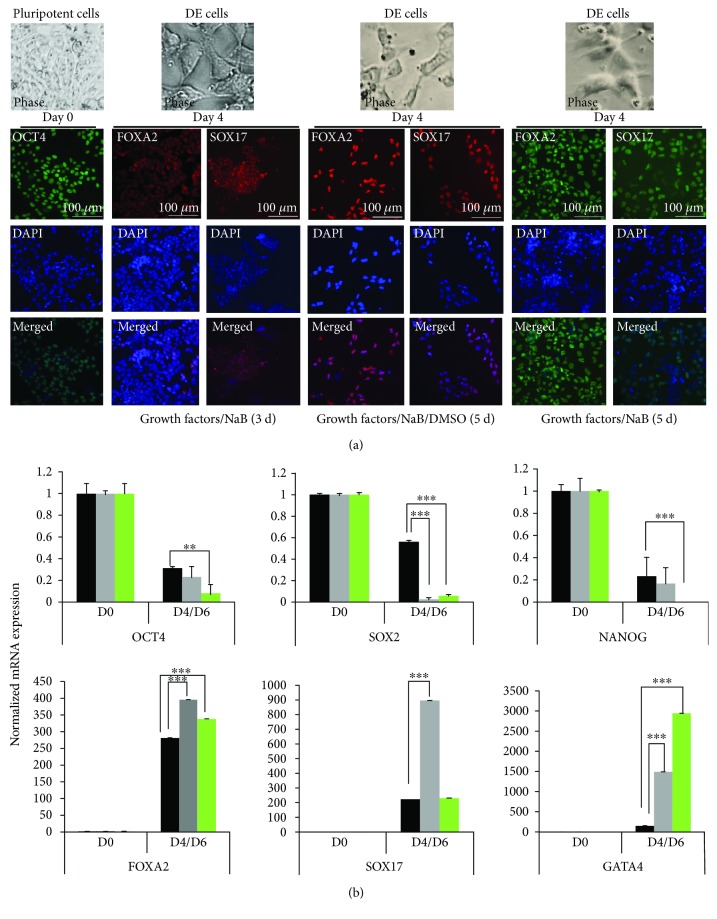
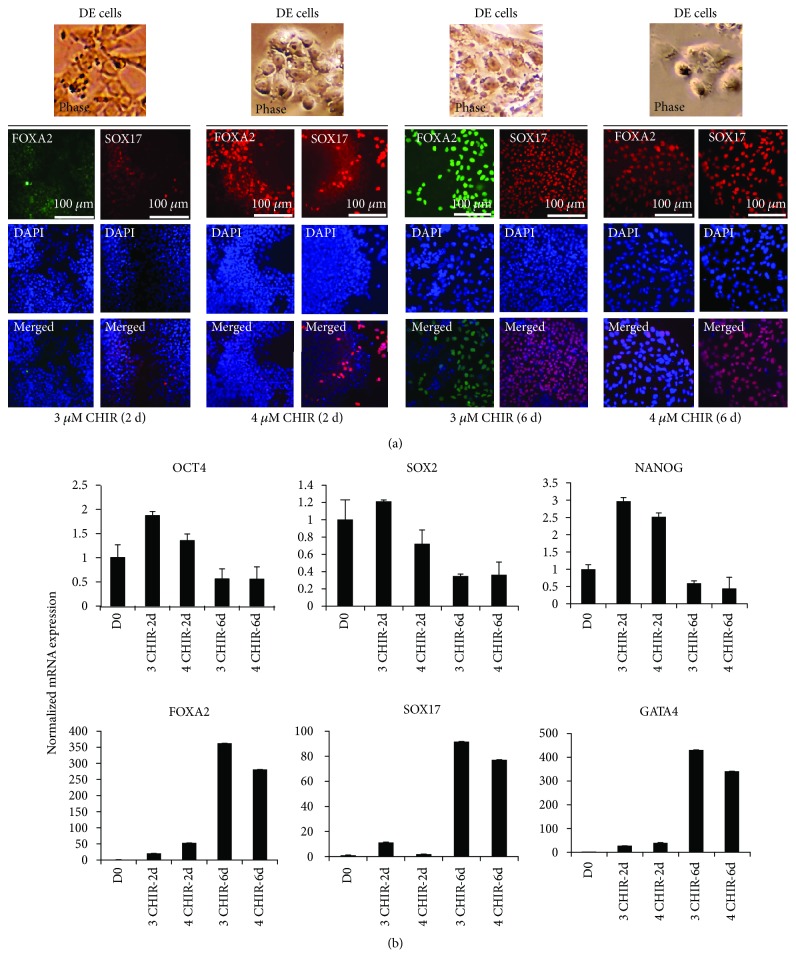
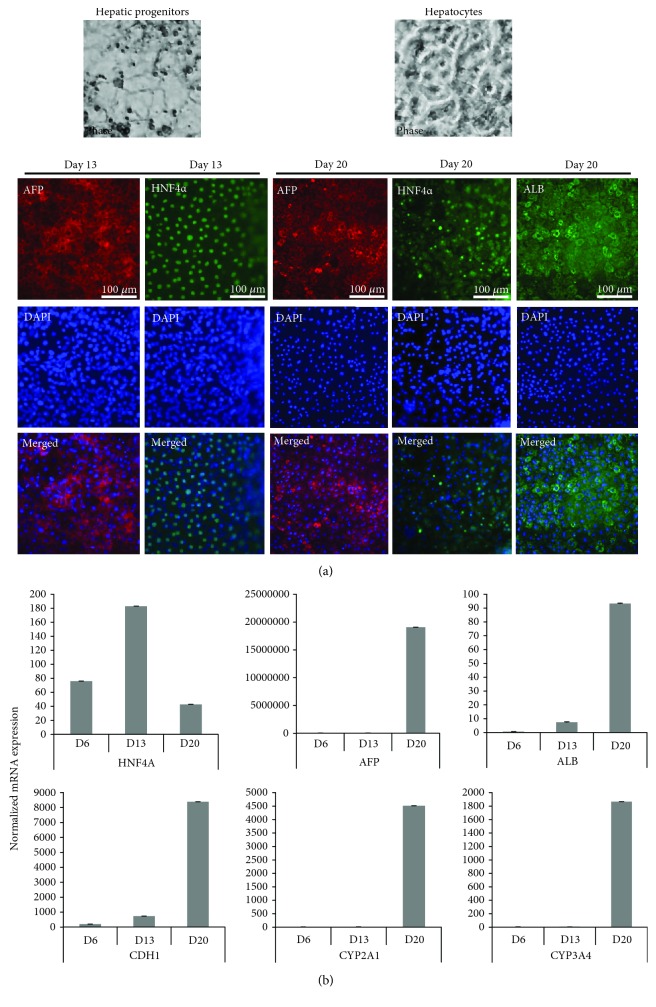
Human embryonic stem cells (hESCs) are being utilized in diverse areas of studies such as development and disease modeling, cell replacement therapy, or drug toxicity testing because of their potential to be differentiated into any cell type in the body. The directed differentiation of hESCs into hepatocytes could provide an invaluable source of liver cells for various liver-based applications. Therefore, several protocols have been established in the past for hESC-hepatocyte differentiation based on the knowledge of signaling pathways and growth factors involved in different stages of embryonic hepatogenesis. Although successful derivation of hepatocytes has been achieved through these protocols, the efficiency is not always ideal. Herein, we have tested several combinations of published protocols, for example, growth factor vs. small molecule and different time durations of treatment for definitive endoderm (DE) induction and further hepatocyte differentiation to develop an efficient DE induction and hepatocyte differentiation in a highly reproducible manner based on the stage-specific marker expression and functional analysis.
人类胚胎干细胞(hESCs)因其具有分化为体内任何细胞类型的潜力,正被应用于多个研究领域,如发育和疾病建模、细胞替代疗法或药物毒性测试。将hESCs定向分化为肝细胞可为各种肝脏相关应用提供宝贵的肝细胞来源。因此,过去基于对胚胎肝发生不同阶段所涉及的信号通路和生长因子的了解,已经建立了几种hESC向肝细胞分化的方案。尽管通过这些方案已成功获得肝细胞,但效率并不总是理想的。在此,我们测试了几种已发表方案的组合,例如生长因子与小分子的组合,以及用于确定内胚层(DE)诱导和进一步肝细胞分化的不同处理时间,以便根据阶段特异性标志物表达和功能分析,以高度可重复的方式开发高效的DE诱导和肝细胞分化方法。