Garden Oliver A, Kidd Linda, Mexas Angela M, Chang Yu-Mei, Jeffery Unity, Blois Shauna L, Fogle Jonathan E, MacNeill Amy L, Lubas George, Birkenheuer Adam, Buoncompagni Simona, Dandrieux Julien R S, Di Loria Antonio, Fellman Claire L, Glanemann Barbara, Goggs Robert, Granick Jennifer L, LeVine Dana N, Sharp Claire R, Smith-Carr Saralyn, Swann James W, Szladovits Balazs
School of Veterinary Medicine, University of Pennsylvania, Philadelphia, Pennsylvania.
College of Veterinary Medicine, Western University of Health Sciences, Pomona, California.
J Vet Intern Med. 2019 Mar;33(2):313-334. doi: 10.1111/jvim.15441. Epub 2019 Feb 26.
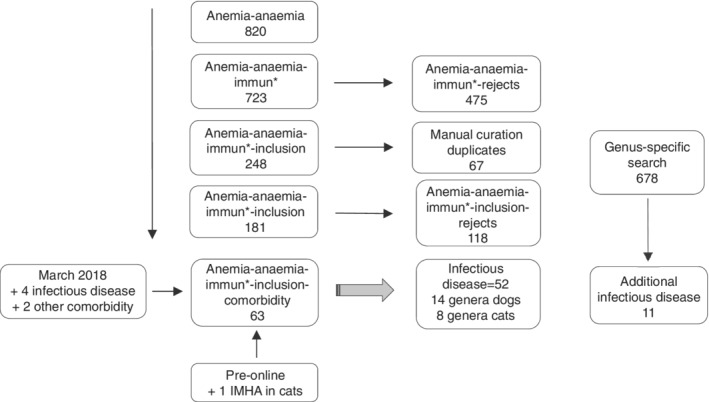
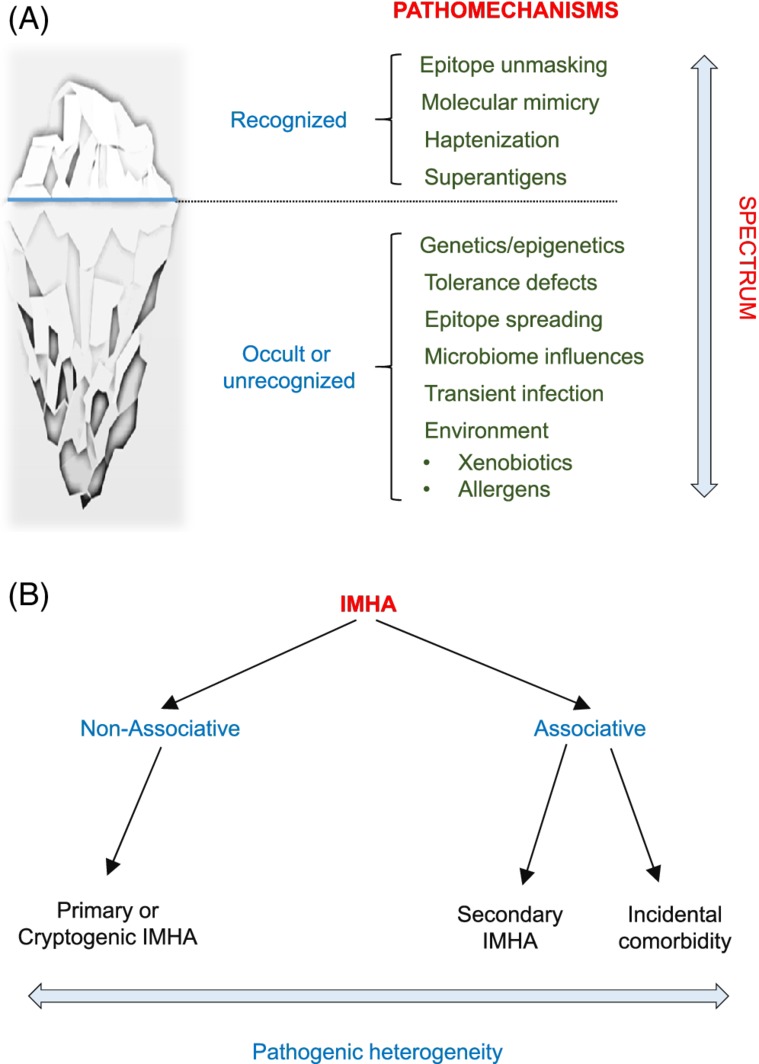
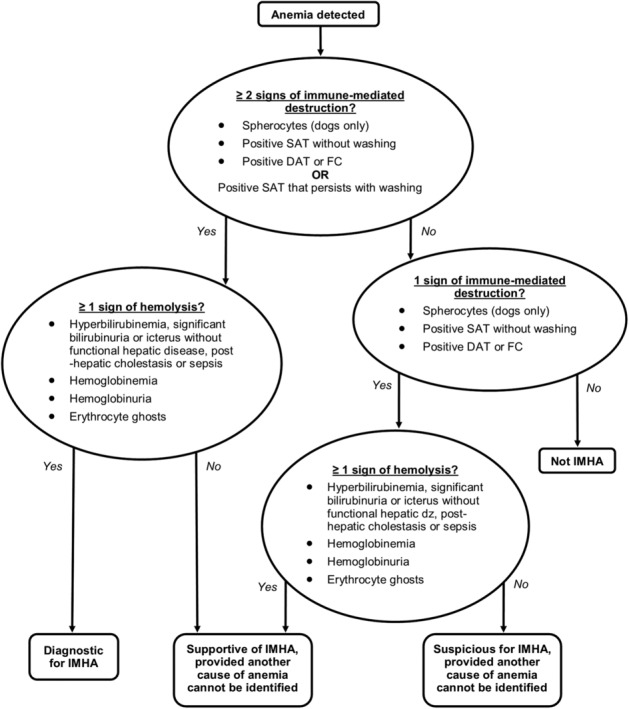
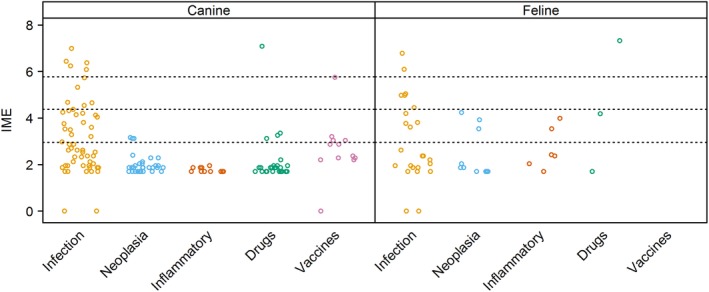
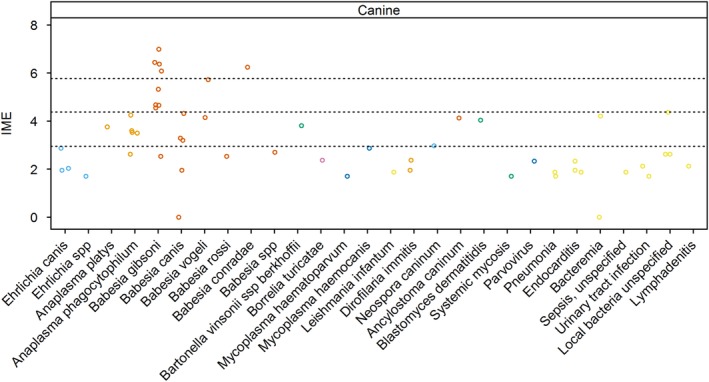
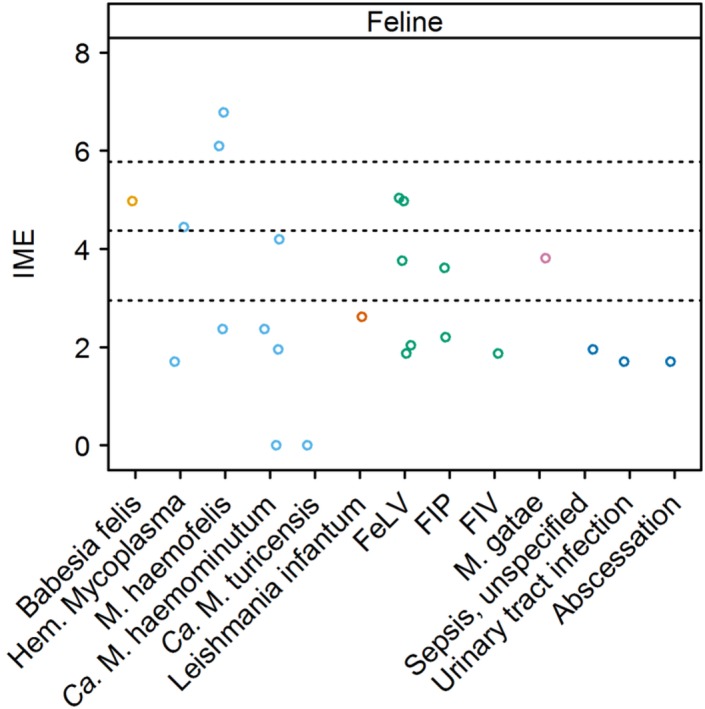
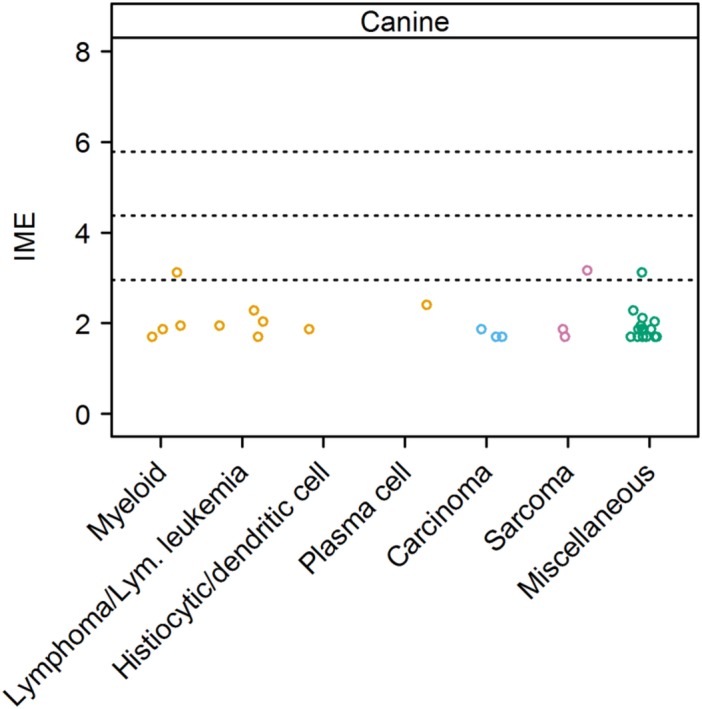
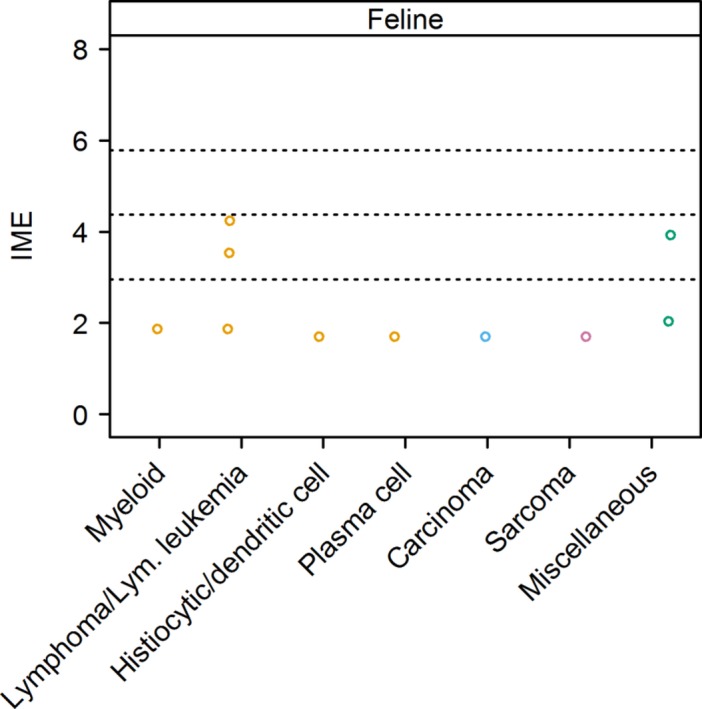
Immune-mediated hemolytic anemia (IMHA) is an important cause of morbidity and mortality in dogs. IMHA also occurs in cats, although less commonly. IMHA is considered secondary when it can be attributed to an underlying disease, and as primary (idiopathic) if no cause is found. Eliminating diseases that cause IMHA may attenuate or stop immune-mediated erythrocyte destruction, and adverse consequences of long-term immunosuppressive treatment can be avoided. Infections, cancer, drugs, vaccines, and inflammatory processes may be underlying causes of IMHA. Evidence for these comorbidities has not been systematically evaluated, rendering evidence-based decisions difficult. We identified and extracted data from studies published in the veterinary literature and developed a novel tool for evaluation of evidence quality, using it to assess study design, diagnostic criteria for IMHA, comorbidities, and causality. Succinct evidence summary statements were written, along with screening recommendations. Statements were refined by conducting 3 iterations of Delphi review with panel and task force members. Commentary was solicited from several professional bodies to maximize clinical applicability before the recommendations were submitted. The resulting document is intended to provide clinical guidelines for diagnosis of, and underlying disease screening for, IMHA in dogs and cats. These should be implemented with consideration of animal, owner, and geographical factors.
免疫介导性溶血性贫血(IMHA)是犬发病和死亡的重要原因。IMHA在猫中也有发生,不过相对较少见。若IMHA可归因于潜在疾病,则被视为继发性;若未发现病因,则为原发性(特发性)。消除导致IMHA的疾病可能会减轻或停止免疫介导的红细胞破坏,并且可以避免长期免疫抑制治疗的不良后果。感染、癌症、药物、疫苗和炎症过程可能是IMHA的潜在病因。尚未对这些合并症的证据进行系统评估,这使得基于证据的决策变得困难。我们从兽医文献中发表的研究中识别并提取数据,并开发了一种评估证据质量的新工具,用它来评估研究设计、IMHA的诊断标准、合并症和因果关系。撰写了简洁的证据总结声明以及筛查建议。通过与专家小组和特别工作组的成员进行三轮德尔菲审查来完善声明。在提交建议之前,征求了几个专业机构的意见,以最大限度地提高临床适用性。所得文件旨在为犬猫IMHA的诊断和潜在疾病筛查提供临床指南。这些指南的实施应考虑动物、主人和地理因素。