Forbes Lindsey H, Andrews Melissa R
School of Medicine, University of St Andrews, St Andrews, United Kingdom.
Biological Sciences, University of Southampton, Southampton, United Kingdom.
Front Cell Neurosci. 2019 Feb 12;13:26. doi: 10.3389/fncel.2019.00026. eCollection 2019.
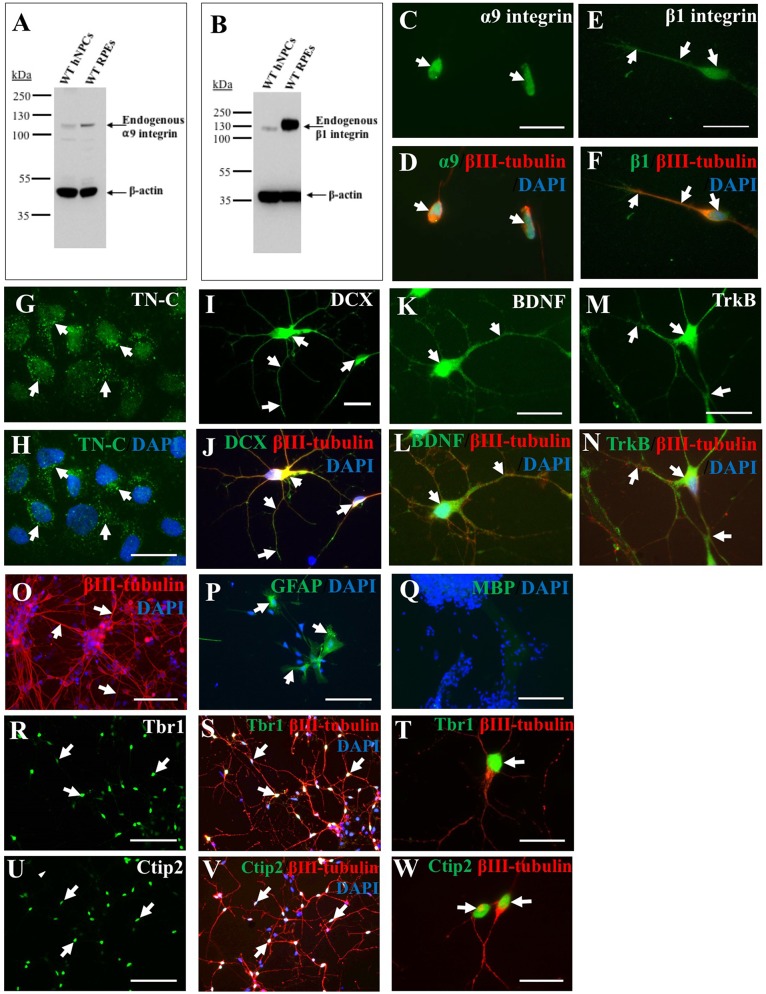
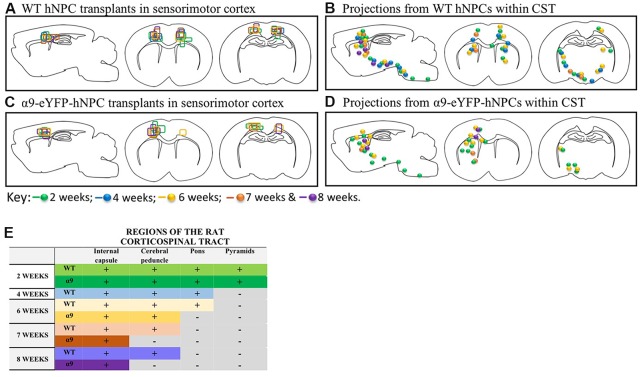
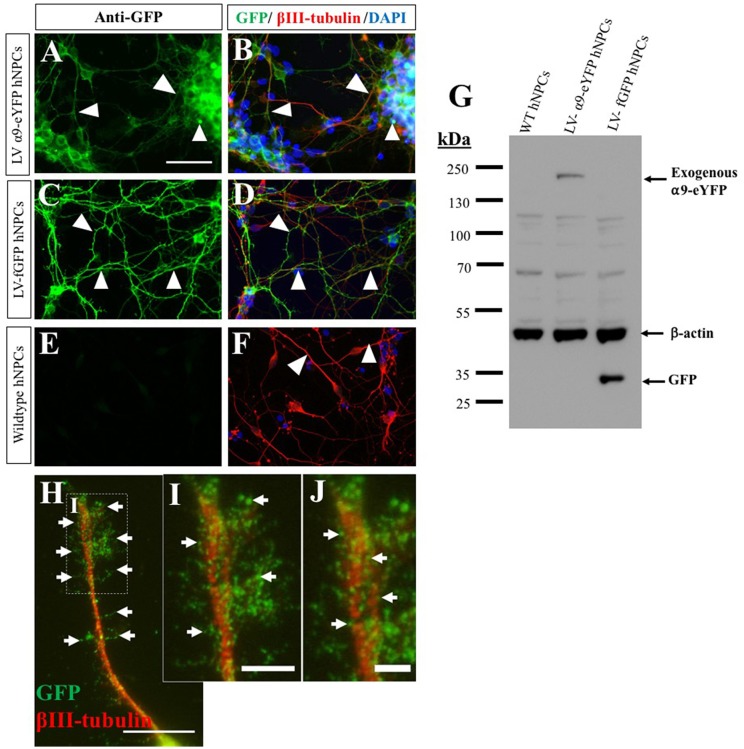
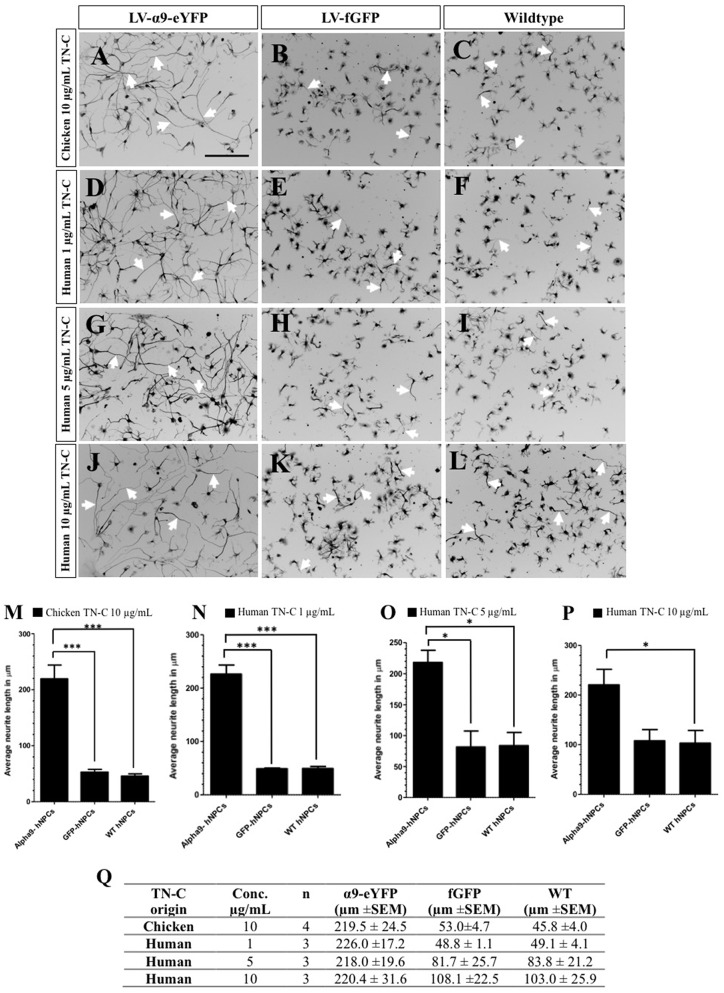
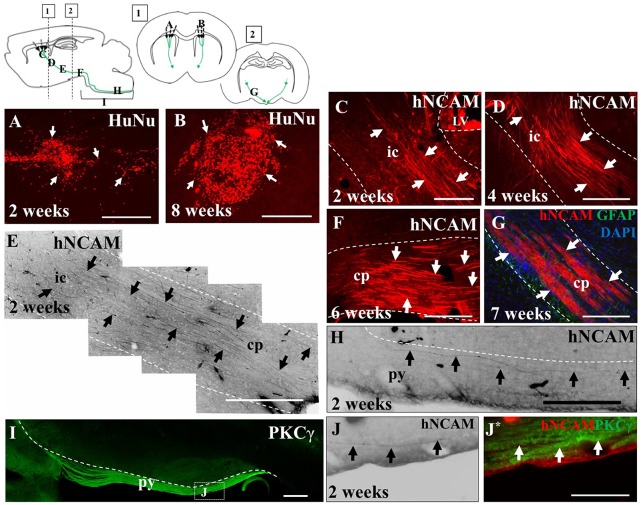
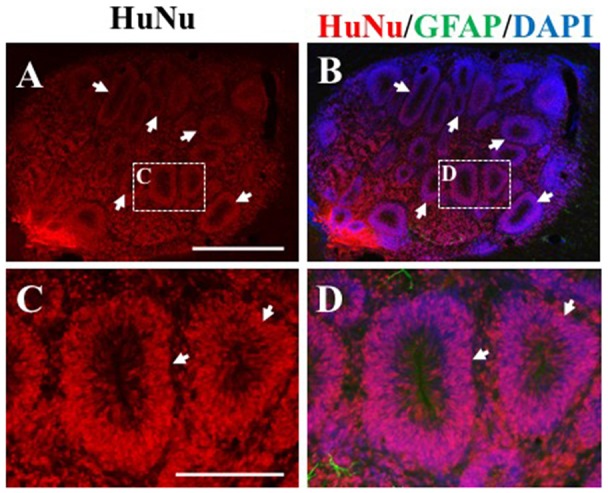
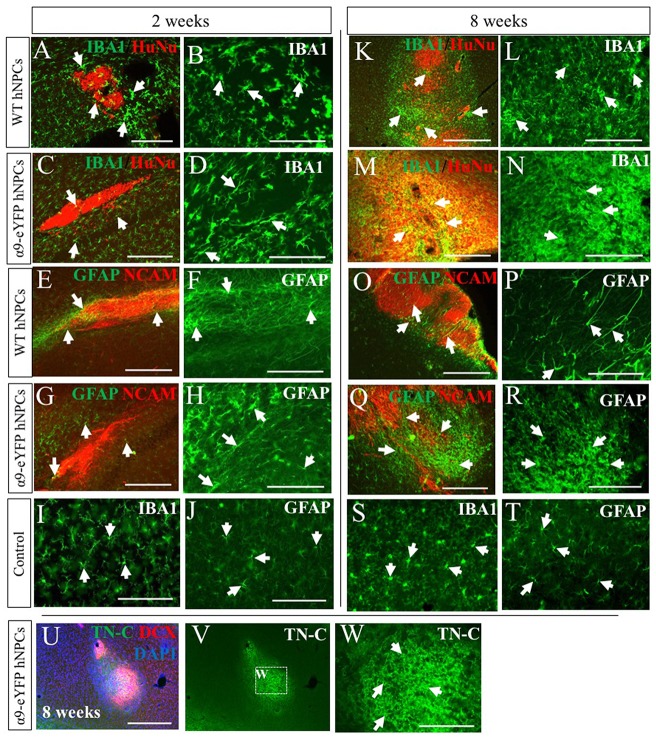
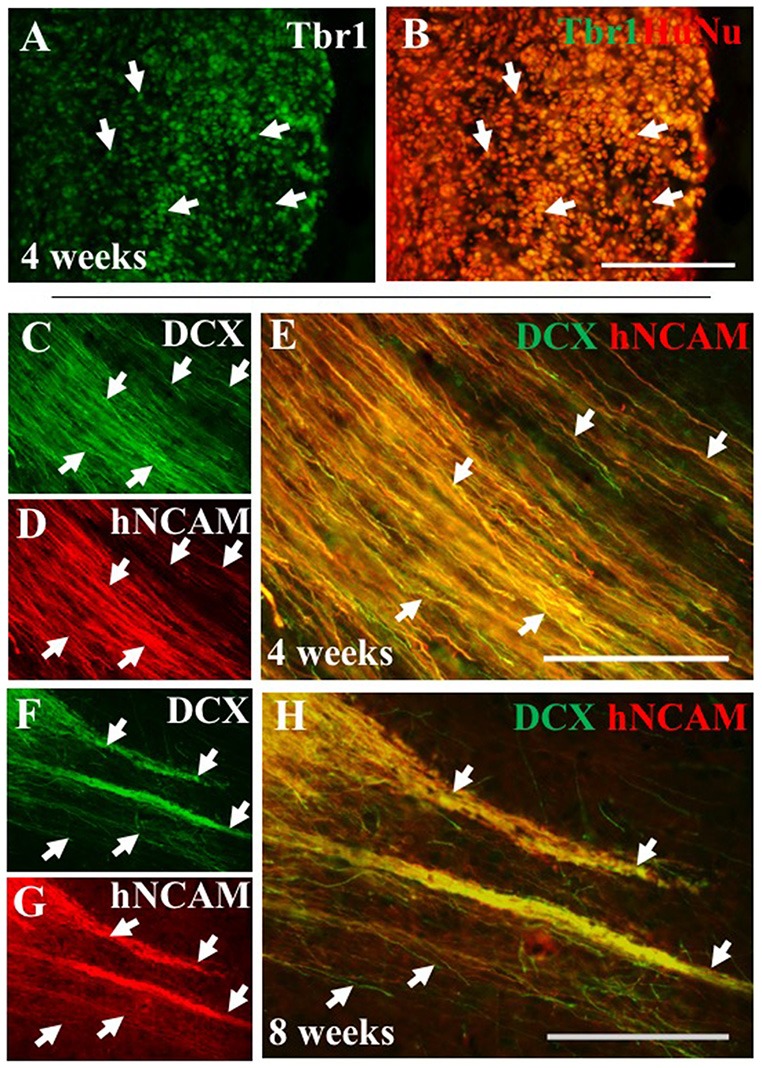
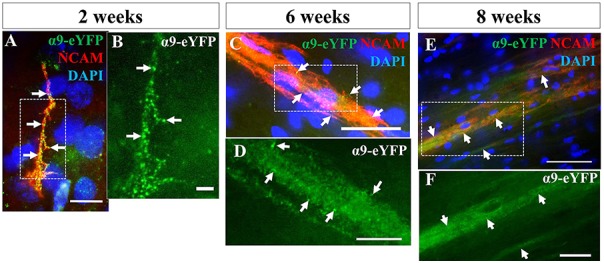
After spinal cord injury (SCI), regeneration of adult motor axons such as axons in the corticospinal tract (CST) is severely limited. Alongside the inhibitory lesion environment, most neuronal subtypes in the mature central nervous system (CNS) are intrinsically unrepairable. With age, expression of growth-promoting proteins in neurons, such as integrins, declines. Integrin receptors allow communication between the extracellular matrix (ECM) and cell cytoskeleton and their expression in axons facilitates growth and guidance throughout the ECM. The α9β1 integrin heterodimer binds to tenascin-C (TN-C), an ECM glycoprotein expressed during development and after injury. In the mature CST however, expression of the α9 integrin subunit is downregulated, adding to the intrinsic inability of axons to regenerate. Our previous work has shown the α9 integrin subunit is not trafficked within axons of mature CST or rubrospinal tracts (RSTs). Thus, here we have utilized human induced pluripotent stem cell (iPSC)-derived neural progenitor cells (NPCs) to increase expression of α9 integrinwithin the developing rat CST. We demonstrate that human NPCs (hNPCs) express endogenous levels of both α9 and β1 integrin subunits as well as cortical neuron markers such as chicken ovalbumin upstream promoter transcription factor (COUP-TF) interacting protein 2 (Ctip2) and T-box brain 1 (Tbr1). In addition, lentivirus-mediated α9 integrin overexpression in hNPCs resulted in increased neurite outgrowth in the presence of TN-C . Following transplantation into the sensorimotor cortex of newborn rats, both wild type (WT) and α9-expressing hNPCs extend along the endogenous CST and retain expression of α9 throughout the length of the axonal compartment for up to 8 weeks following transplantation. These data highlight the growth potential of transplanted human iPSCs which may be a future target for regenerative therapies after nervous system injury.
脊髓损伤(SCI)后,成年运动轴突如皮质脊髓束(CST)中的轴突再生受到严重限制。除了抑制性损伤环境外,成熟中枢神经系统(CNS)中的大多数神经元亚型本质上是不可修复的。随着年龄的增长,神经元中促进生长的蛋白质如整合素的表达会下降。整合素受体允许细胞外基质(ECM)与细胞骨架之间进行通讯,其在轴突中的表达有助于在整个ECM中生长和导向。α9β1整合素异二聚体与腱生蛋白-C(TN-C)结合,TN-C是一种在发育过程中和损伤后表达的ECM糖蛋白。然而,在成熟的CST中,α9整合素亚基的表达下调,这增加了轴突再生的内在无能。我们之前的工作表明,α9整合素亚基不在成熟CST或红核脊髓束(RST)的轴突内运输。因此,在这里我们利用人诱导多能干细胞(iPSC)衍生的神经祖细胞(NPC)来增加发育中的大鼠CST中α9整合素的表达。我们证明人NPC(hNPC)表达内源性水平的α9和β1整合素亚基以及皮质神经元标志物,如鸡卵清蛋白上游启动子转录因子(COUP-TF)相互作用蛋白2(Ctip2)和T-box脑1(Tbr1)。此外,慢病毒介导的hNPC中α9整合素过表达导致在存在TN-C的情况下神经突生长增加。将其移植到新生大鼠的感觉运动皮层后,野生型(WT)和表达α9的hNPC都沿着内源性CST延伸,并在移植后长达8周的时间内,在轴突区室的整个长度上保持α9的表达。这些数据突出了移植的人iPSC的生长潜力,这可能是神经系统损伤后再生治疗的未来靶点。