Institutes of Biomedical Sciences, Fudan University.
Department of Nephrology, Zhongshan Hospital, Fudan University.
Theranostics. 2019 Jan 1;9(2):405-423. doi: 10.7150/thno.29832. eCollection 2019.
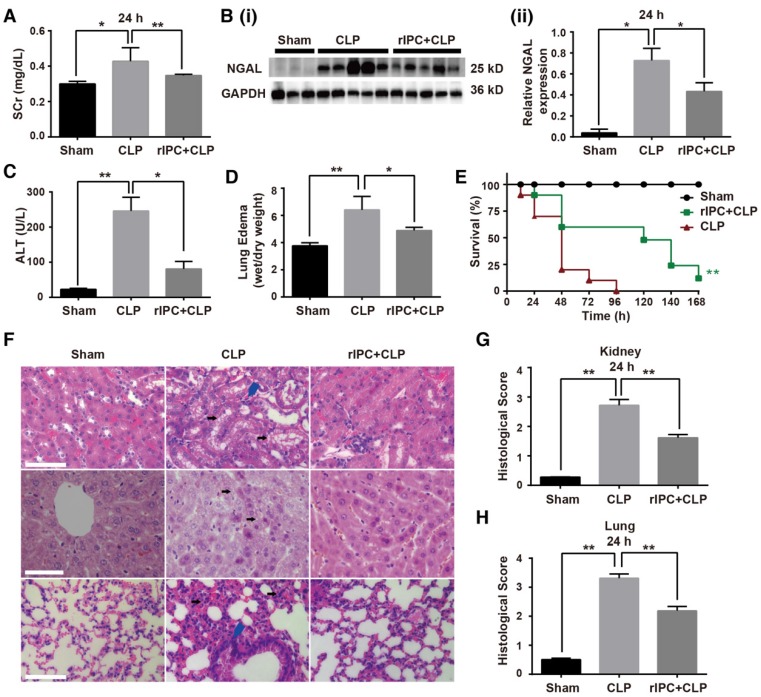
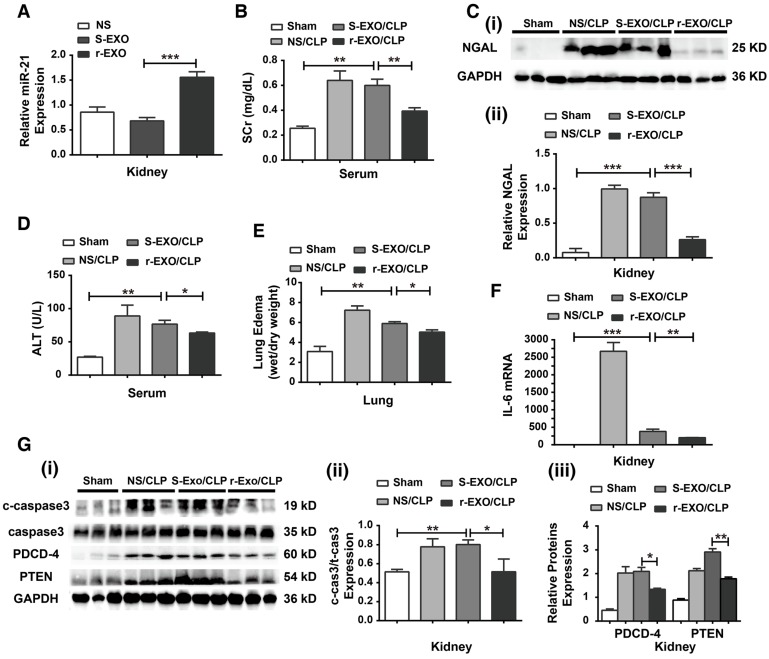
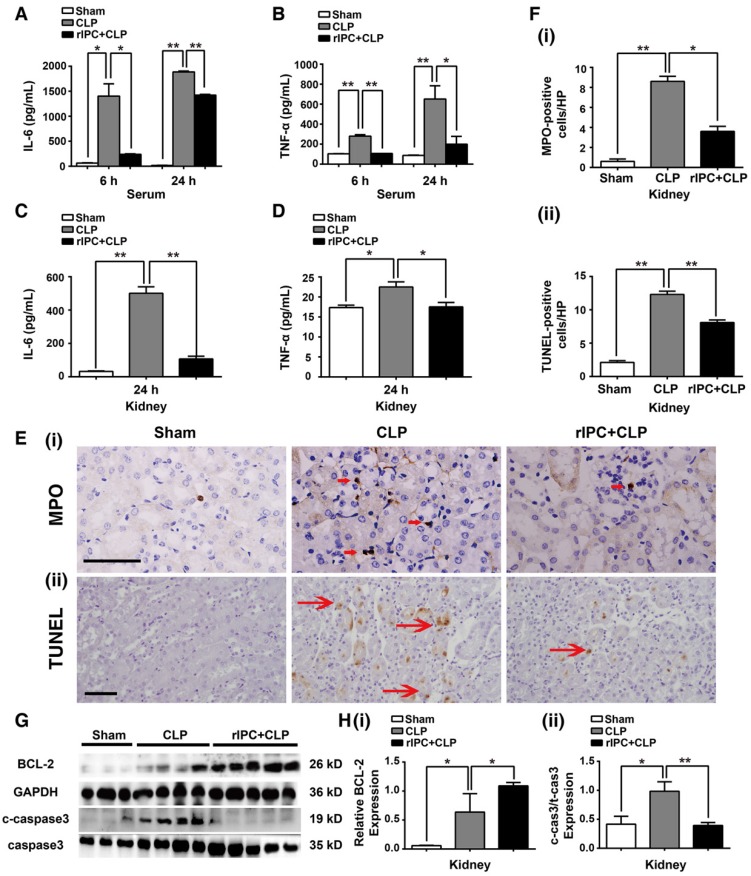
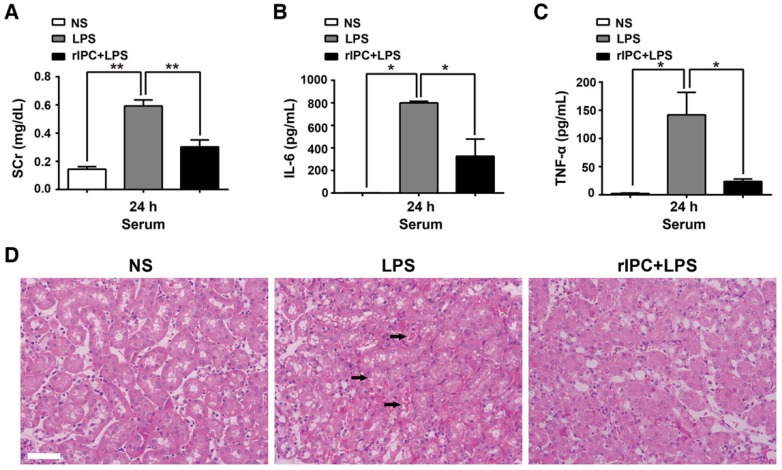
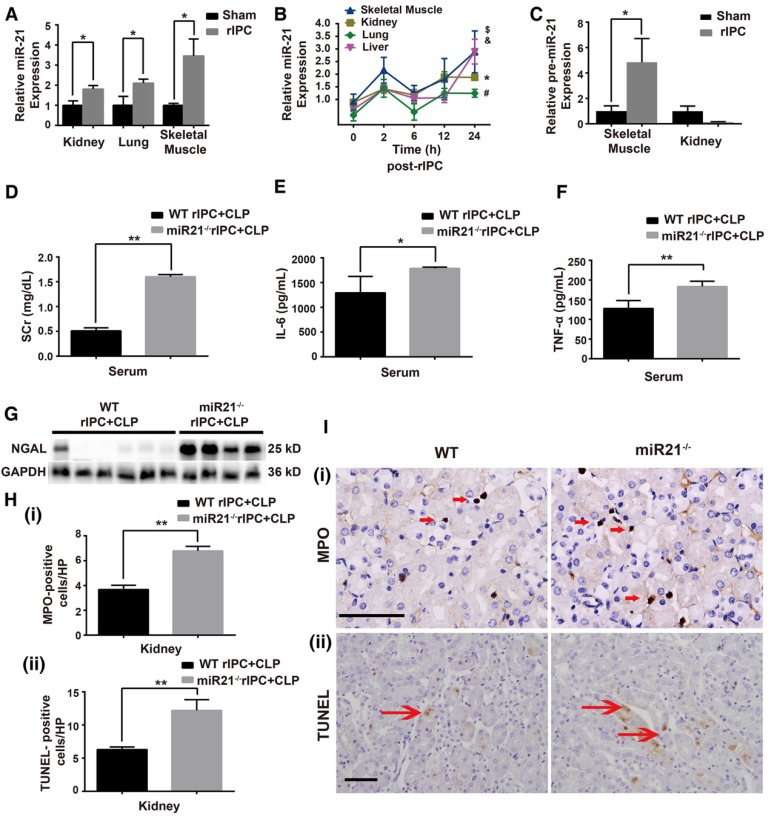
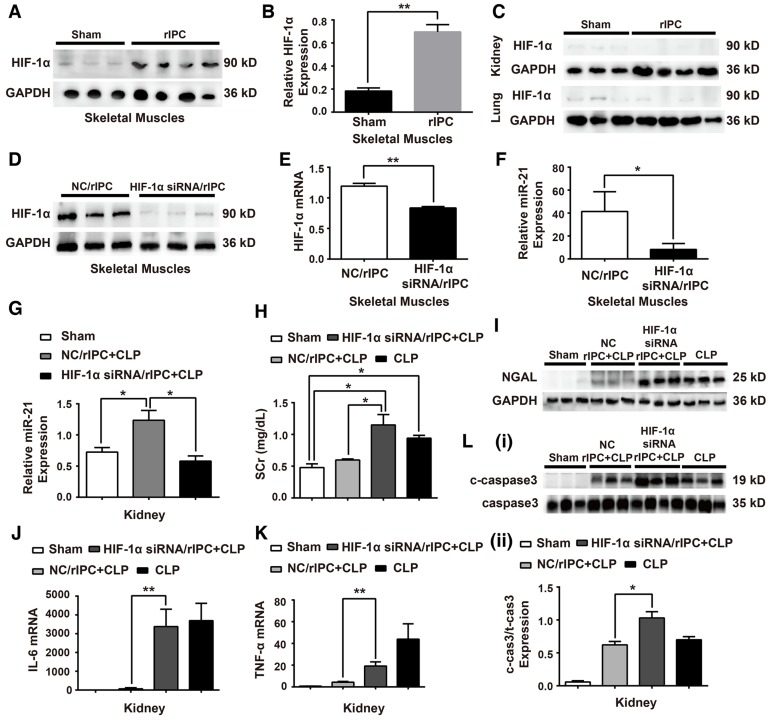
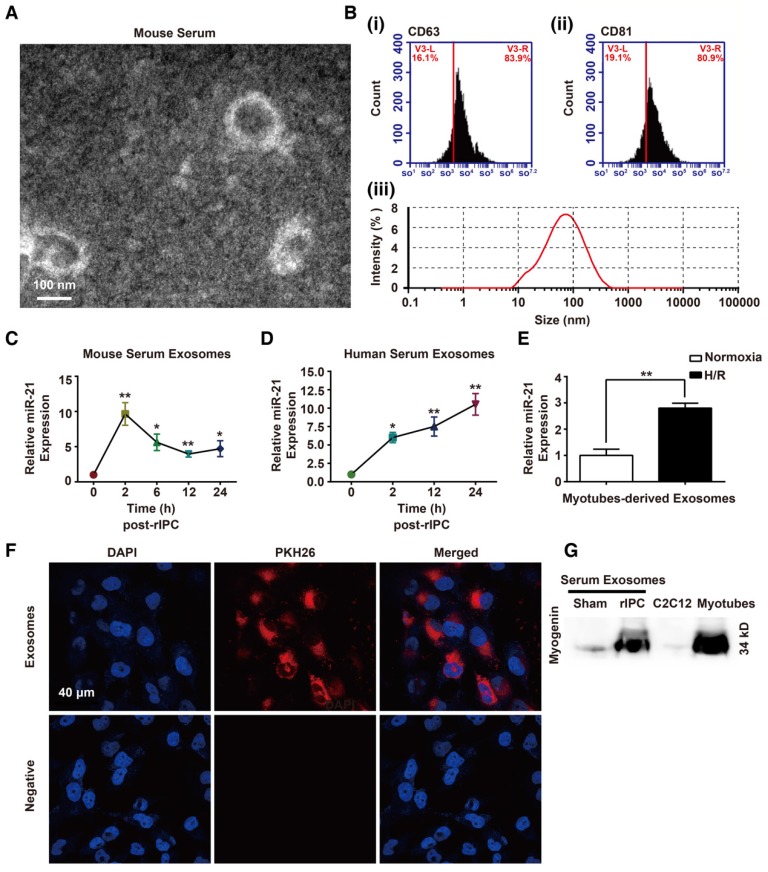
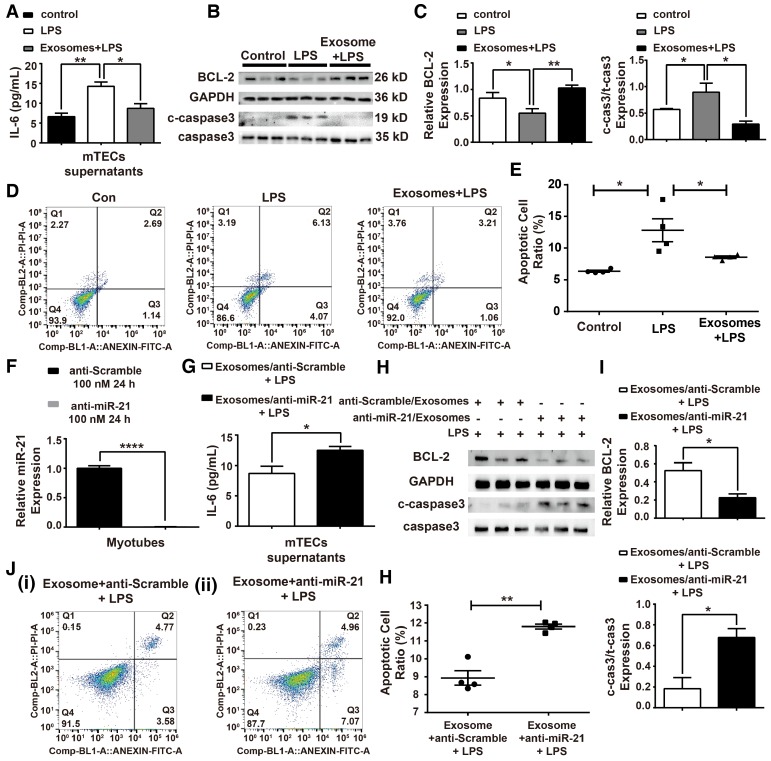
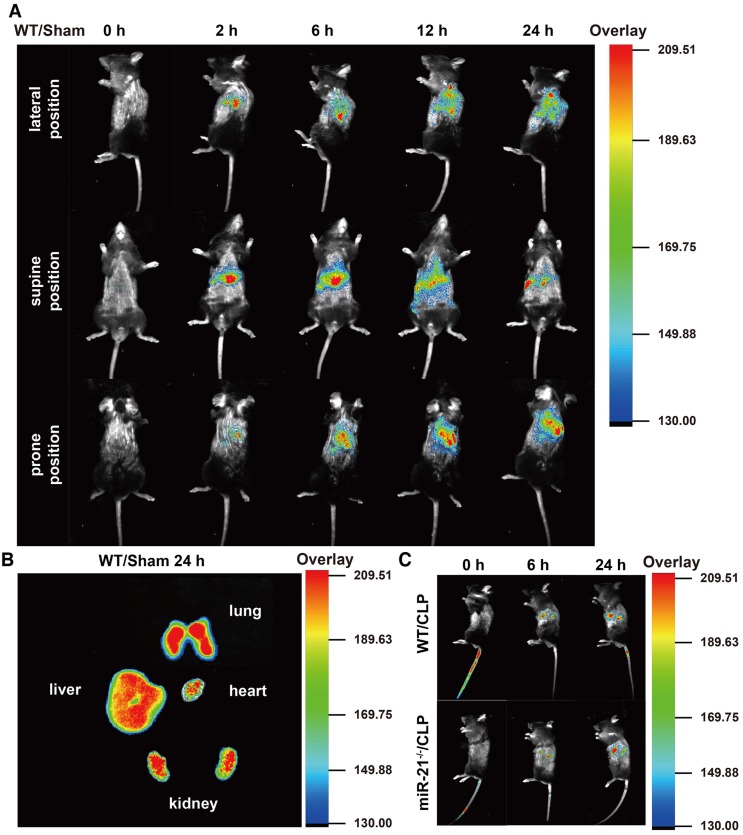
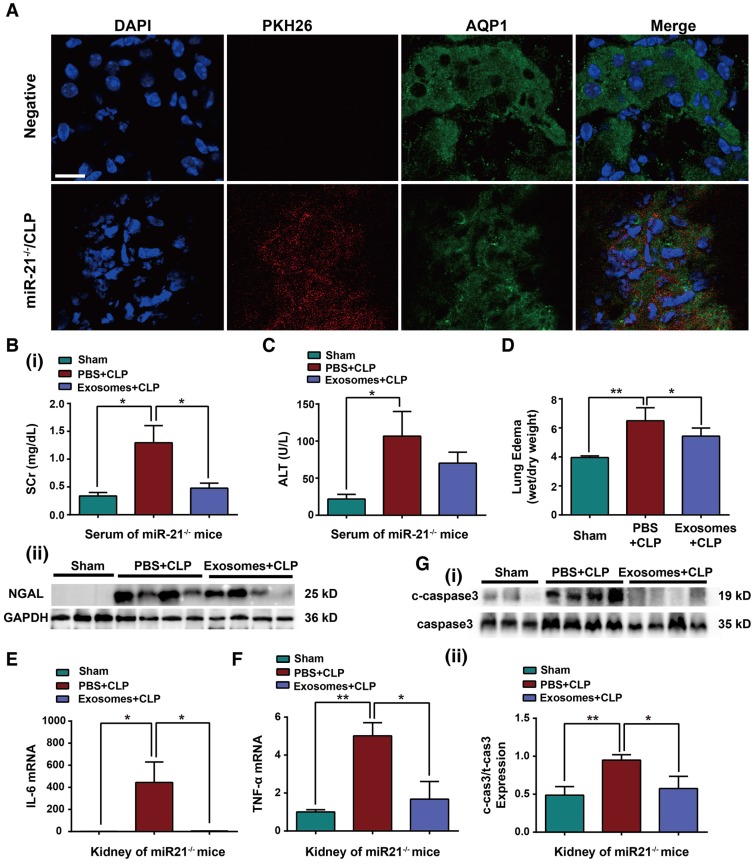
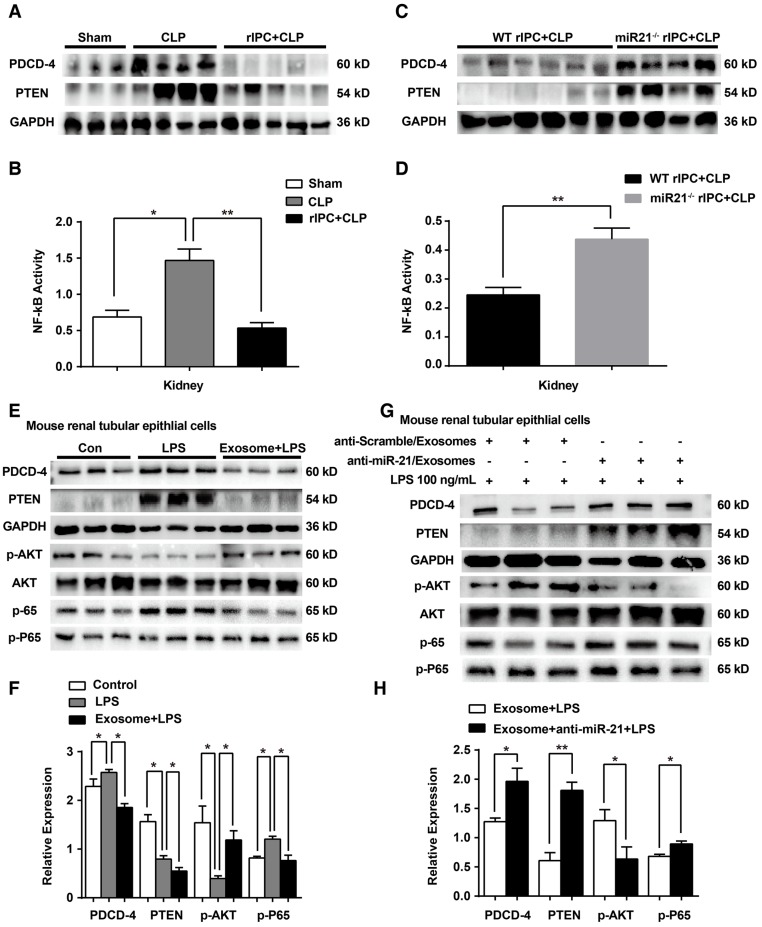
Sepsis is a common and life-threatening systemic disorder, often leading to acute injury of multiple organs. Here, we show that remote ischemic preconditioning (rIPC), elicited by brief episodes of ischemia and reperfusion in femoral arteries, provides protective effects against sepsis-induced acute kidney injury (AKI). Limb rIPC was conducted on mice 24 h before the onset of cecal ligation and puncture (CLP), and serum exosomes derived from rIPC mice were infused into CLP-challenged recipients. , we extracted and identified exosomes from differentiated C2C12 cells (myotubes) subjected to hypoxia and reoxygenation (H/R) preconditioning, and the exosomes were administered to lipopolysaccharide (LPS)-treated mouse tubular epithelial cells (mTECs) or intravenously injected into CLP-challenged miR-21 knockout mice for rescue experiments. Limb rIPC protected polymicrobial septic mice from multiple organ dysfunction, systemic accumulation of inflammatory cytokines and accelerated parenchymal cell apoptosis through upregulation of miR-21 in a hypoxia-inducible factor 1α (HIF-1α)-dependent manner in the ischemic limbs of mice. However, in miR-21 knockout mice or mice that received HIF-1α siRNA injection into hind limb muscles, the organ protection conferred by limb rIPC was abolished. Mechanistically, we discovered that miR-21 was transported from preischemic limbs to remote organs via serum exosomes. In kidneys, the enhanced exosomal miR-21 derived from cultured myotubes with H/R or the serum of mice treated with rIPC integrated into renal tubular epithelial cells and then targeted the downstream PDCD4/NF-κB and PTEN/AKT pathways, exerting anti-inflammatory and anti-apoptotic effects and consequently attenuating sepsis-induced renal injury both and . This study demonstrates a critical role for exosomal miR-21 in renoprotection conferred by limb rIPC against sepsis and suggests that rIPC and exosomes might serve as the possible therapeutic strategies for sepsis-induced kidney injury.
脓毒症是一种常见且危及生命的全身性疾病,常导致多器官急性损伤。在这里,我们发现,短暂的股动脉缺血再灌注(rIPC)预处理通过反复短暂的缺血再灌注对肢体进行预处理,可以提供针对脓毒症诱导的急性肾损伤(AKI)的保护作用。在盲肠结扎和穿孔(CLP)发作前 24 小时对小鼠进行肢体 rIPC,然后将源自 rIPC 小鼠的血清外泌体输注到 CLP 挑战的受者中。我们从经历缺氧和复氧(H/R)预处理的分化 C2C12 细胞(肌管)中提取并鉴定外泌体,然后将外泌体给予脂多糖(LPS)处理的小鼠肾小管上皮细胞(mTEC)或静脉内注射到 CLP 挑战的 miR-21 敲除小鼠中进行挽救实验。肢体 rIPC 通过在缺血肢体中以缺氧诱导因子 1α(HIF-1α)依赖性方式上调 miR-21,保护多微生物脓毒症小鼠免受多器官功能障碍、全身炎症细胞因子积累和实质细胞凋亡加速,在 miR-21 敲除小鼠或接受 HIF-1α siRNA 注射到后肢肌肉的小鼠中,肢体 rIPC 赋予的器官保护作用被消除。从机制上讲,我们发现 miR-21 从缺血肢体通过血清外泌体转运到远程器官。在肾脏中,源自经历 H/R 的培养肌管或接受 rIPC 治疗的小鼠的血清中增强的外泌体 miR-21 整合到肾小管上皮细胞中,然后靶向下游 PDCD4/NF-κB 和 PTEN/AKT 途径,发挥抗炎和抗凋亡作用,从而减轻脓毒症引起的肾损伤。这项研究表明,外泌体 miR-21 在肢体 rIPC 对脓毒症的肾脏保护中起关键作用,并表明 rIPC 和外泌体可能成为脓毒症诱导的肾脏损伤的潜在治疗策略。