Metabolic Systems Biology Laboratory, Charles Perkins Centre, School of Life and Environmental Sciences, University of Sydney, Sydney, New South Wales, Australia.
Lipid Metabolism & Cardiometabolic Disease Laboratory, Baker Heart & Diabetes Institute, Melbourne, Victoria, Australia.
Nature. 2019 Mar;567(7747):187-193. doi: 10.1038/s41586-019-0984-y. Epub 2019 Feb 27.
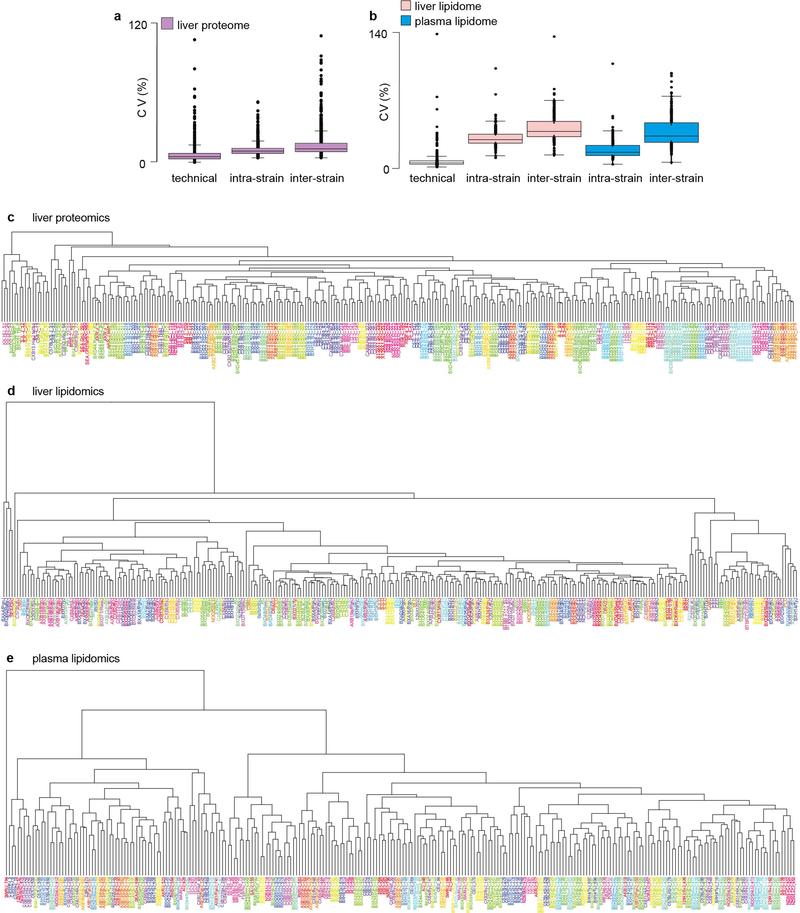
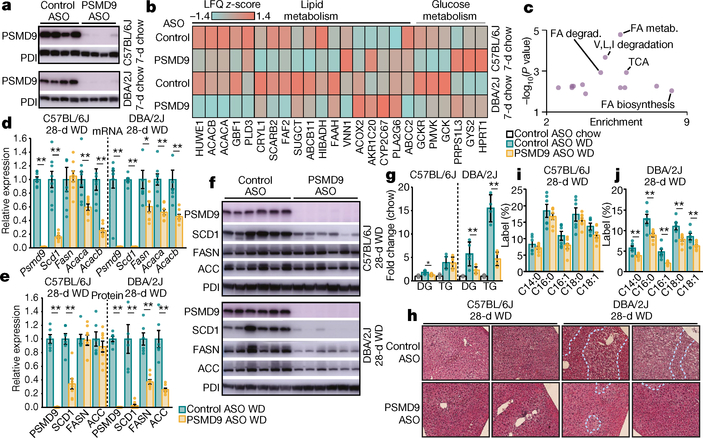
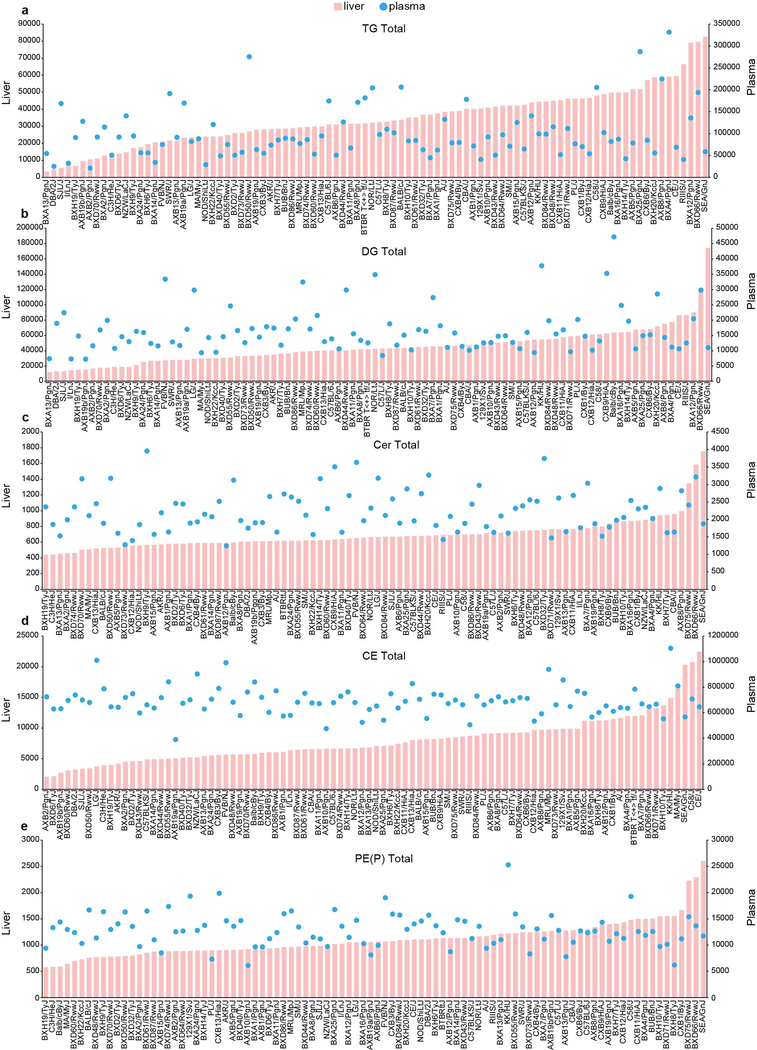
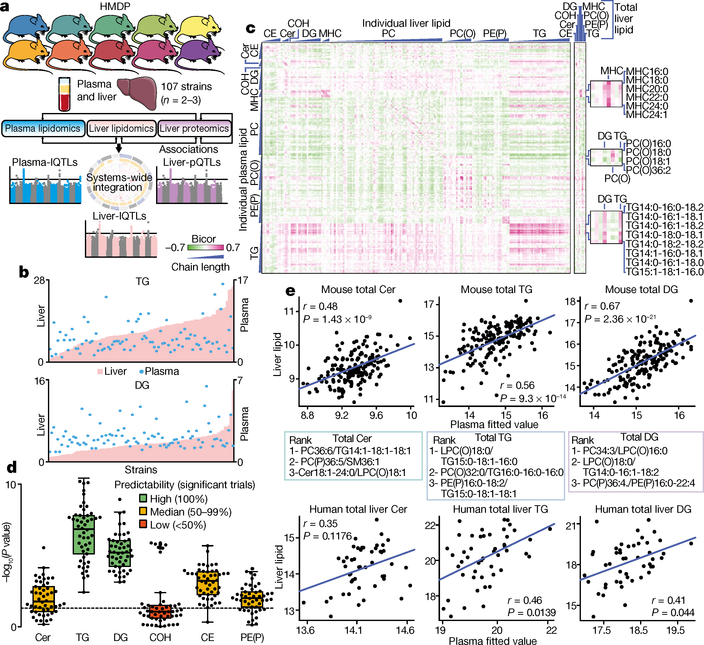
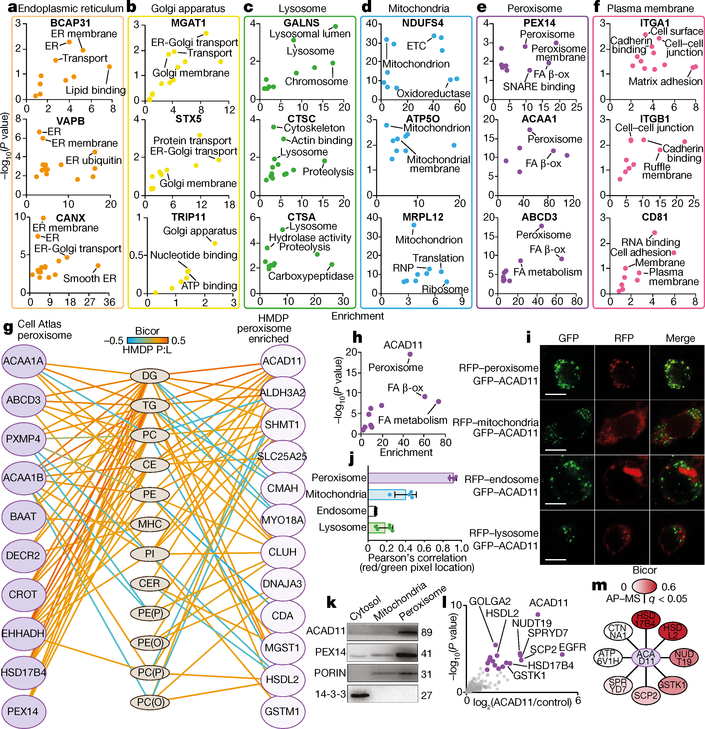
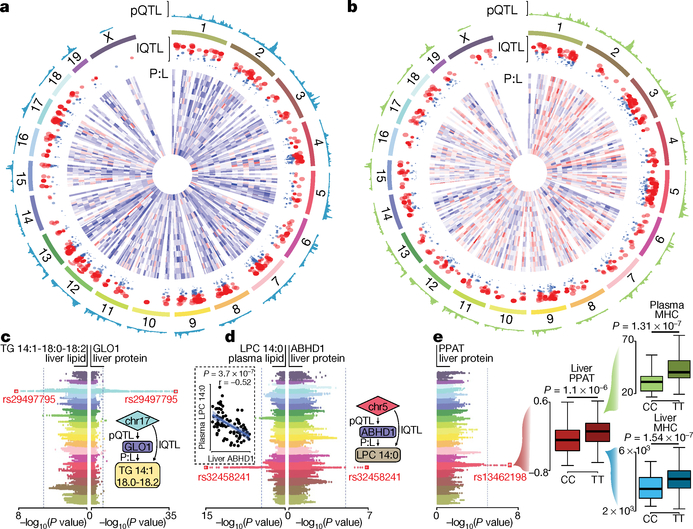
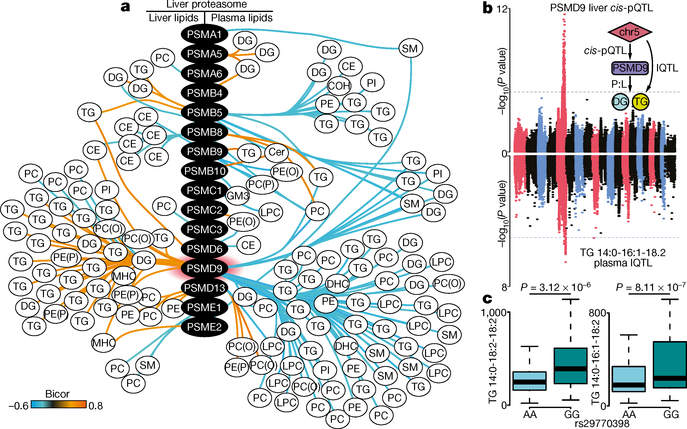
Dysregulation of lipid homeostasis is a precipitating event in the pathogenesis and progression of hepatosteatosis and metabolic syndrome. These conditions are highly prevalent in developed societies and currently have limited options for diagnostic and therapeutic intervention. Here, using a proteomic and lipidomic-wide systems genetic approach, we interrogated lipid regulatory networks in 107 genetically distinct mouse strains to reveal key insights into the control and network structure of mammalian lipid metabolism. These include the identification of plasma lipid signatures that predict pathological lipid abundance in the liver of mice and humans, defining subcellular localization and functionality of lipid-related proteins, and revealing functional protein and genetic variants that are predicted to modulate lipid abundance. Trans-omic analyses using these datasets facilitated the identification and validation of PSMD9 as a previously unknown lipid regulatory protein. Collectively, our study serves as a rich resource for probing mammalian lipid metabolism and provides opportunities for the discovery of therapeutic agents and biomarkers in the setting of hepatic lipotoxicity.
脂质稳态失调是脂肪性肝病和代谢综合征发病和进展的一个促成事件。这些疾病在发达社会中非常普遍,目前在诊断和治疗干预方面选择有限。在这里,我们使用蛋白质组学和脂质组学的全系统遗传方法,研究了 107 个具有不同遗传特征的小鼠品系中的脂质调节网络,以深入了解哺乳动物脂质代谢的控制和网络结构。这些发现包括鉴定出可预测小鼠和人类肝脏中病理性脂质丰度的血浆脂质特征,定义与脂质相关的蛋白质的亚细胞定位和功能,并揭示可预测调节脂质丰度的功能蛋白和遗传变异体。使用这些数据集进行的跨组学分析有助于鉴定和验证 PSMD9 作为一个以前未知的脂质调节蛋白。总的来说,我们的研究为研究哺乳动物脂质代谢提供了丰富的资源,并为肝毒性治疗药物和生物标志物的发现提供了机会。