Amsterdam UMC, Vrije Universiteit Amsterdam, Pathology, Cancer Center Amsterdam, De Boelelaan, 1117, Amsterdam, Netherlands.
BIOS Lab on a Chip group, MESA+ and MIRA institutes, University of Twente, Enschede, Netherlands.
Sci Rep. 2019 Feb 28;9(1):3088. doi: 10.1038/s41598-019-39275-2.
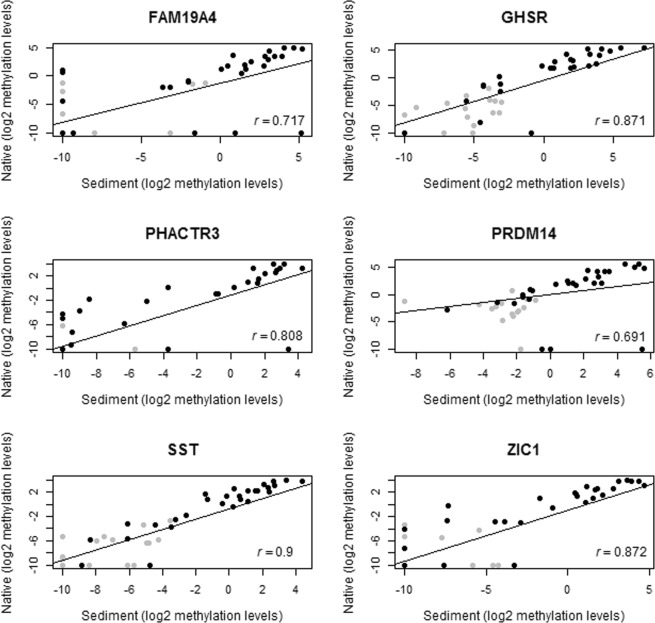
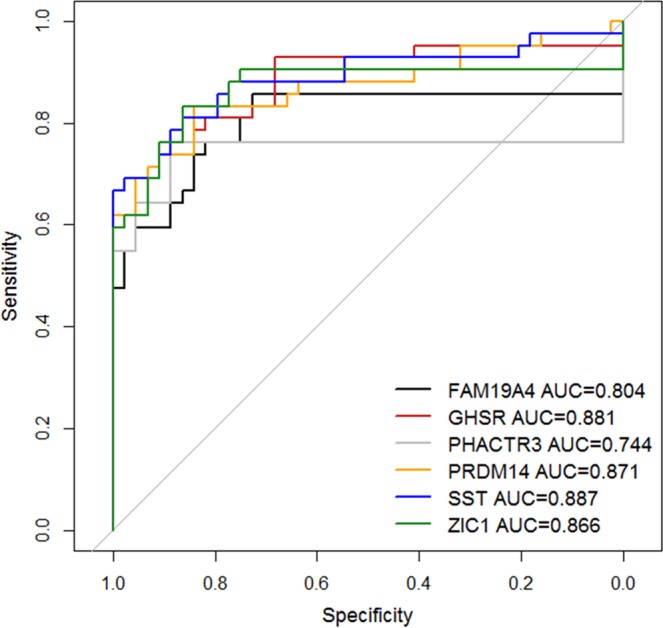
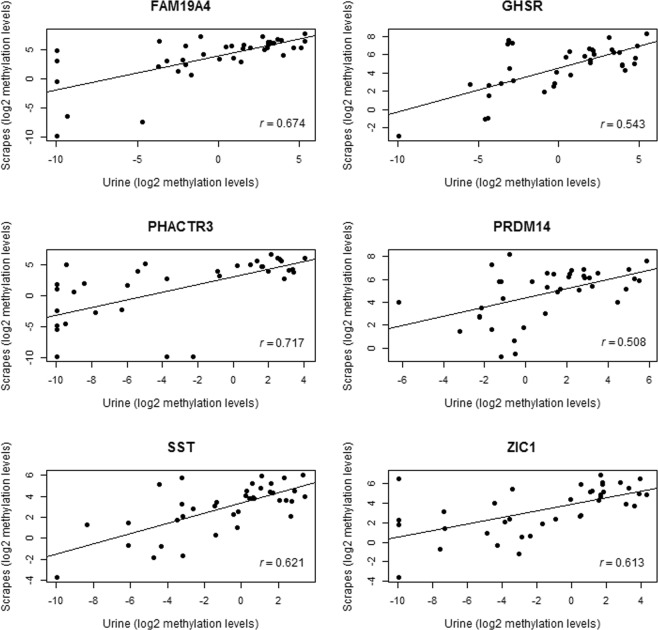
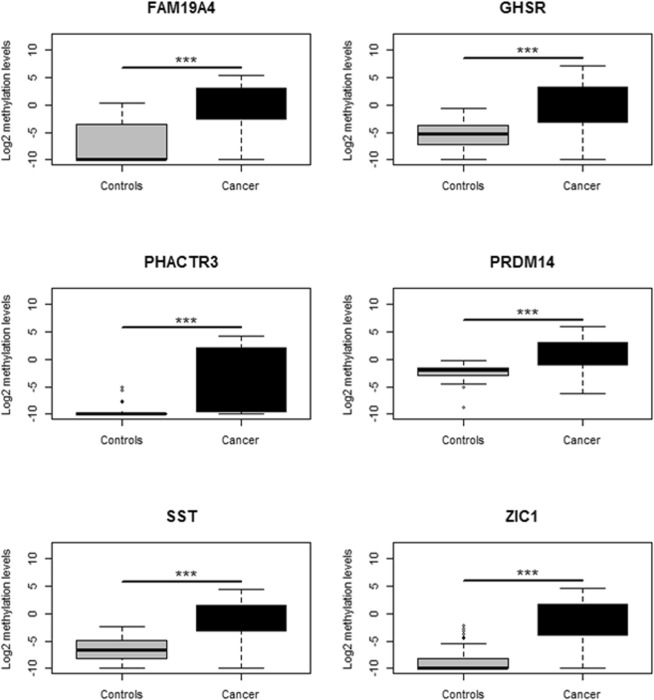
Urine samples provide a potential alternative to physician-taken or self-collected cervical samples for cervical screening. Screening by primary hrHPV testing requires additional risk assessment (so-called triage) of hrHPV-positive women. Molecular markers, such as DNA methylation, have proven most valuable for triage when applied to cervical specimens. This study was set out to compare hrHPV and DNA methylation results in paired urine and cervical scrapes, and to evaluate the feasibility of DNA methylation analysis in urine to detect cervical cancer. Urine samples (n = 41; native and sediment) and paired cervical scrapes (n = 38) from cervical cancer patients, and urine from 44 female controls, were tested for hrHPV and 6 methylation markers. Results on native urine and sediment were highly comparable. A strong agreement was found between hrHPV testing on urine and scrapes (kappa = 0.79). Also, methylation levels in urine were moderately to strongly correlated to those detected in scrapes (r = 0.508-0.717). All markers were significantly increased in urine from cervical cancer patients compared to controls and showed a good discriminatory power for cervical cancer (AUC = 0.744-0.887). Our results show a good agreement of urine-based molecular analysis with reference cervical samples, and suggest that urine-based DNA methylation testing may provide a promising strategy for cervical cancer detection.
尿液样本可为宫颈筛查提供一种替代医生采集或患者自采的宫颈样本的潜在选择。通过主 HPV 检测进行筛查需要对 HPV 阳性女性进行额外的风险评估(所谓的分流)。分子标志物,如 DNA 甲基化,在应用于宫颈标本时,已被证明对分流最有价值。本研究旨在比较配对尿液和宫颈刮片的 HPV 和 DNA 甲基化结果,并评估尿液中 DNA 甲基化分析检测宫颈癌的可行性。来自宫颈癌患者的尿液样本(n=41;原始尿液和沉淀物)和配对宫颈刮片(n=38),以及 44 名女性对照的尿液,均接受 HPV 和 6 个甲基化标志物的检测。原始尿液和沉淀物的结果高度可比。在尿液和刮片上进行 HPV 检测时发现了很强的一致性(kappa=0.79)。此外,尿液中的甲基化水平与刮片中检测到的甲基化水平中度至强相关(r=0.508-0.717)。与对照组相比,所有标志物在宫颈癌患者的尿液中均显著增加,并且对宫颈癌具有良好的区分能力(AUC=0.744-0.887)。我们的研究结果表明,基于尿液的分子分析与参考宫颈样本具有良好的一致性,并表明基于尿液的 DNA 甲基化检测可能为宫颈癌检测提供一种有前途的策略。