National Microbiology Laboratory, Public Health Agency of Canada, Winnipeg, MB, Canada.
Department of Medical Microbiology, University of Manitoba, Winnipeg, MB, Canada.
PLoS Pathog. 2019 Feb 28;15(2):e1007564. doi: 10.1371/journal.ppat.1007564. eCollection 2019 Feb.
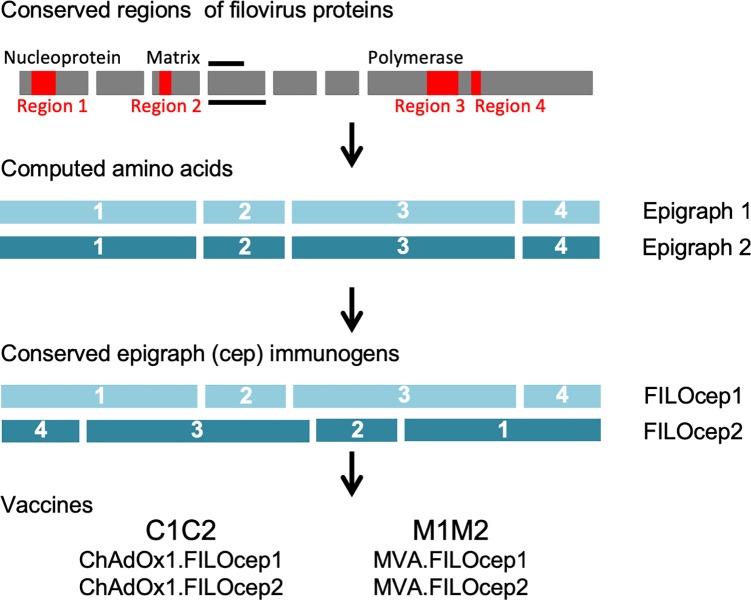
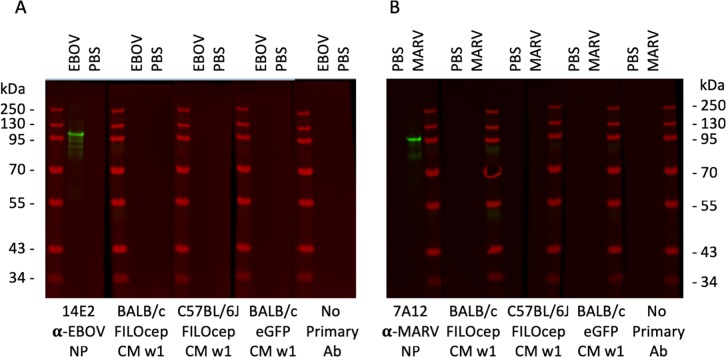
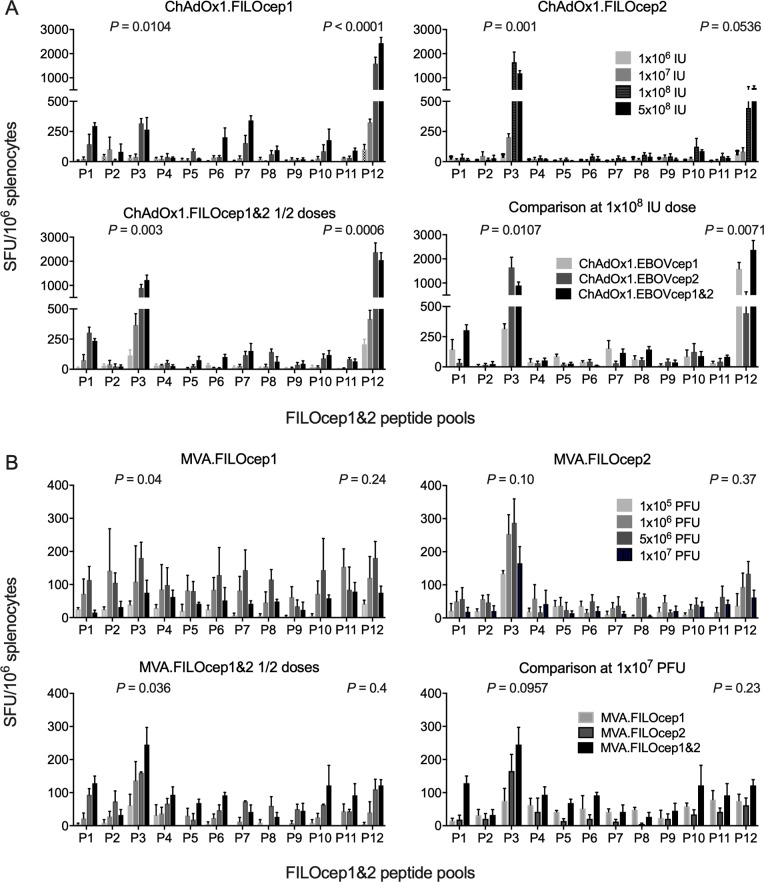
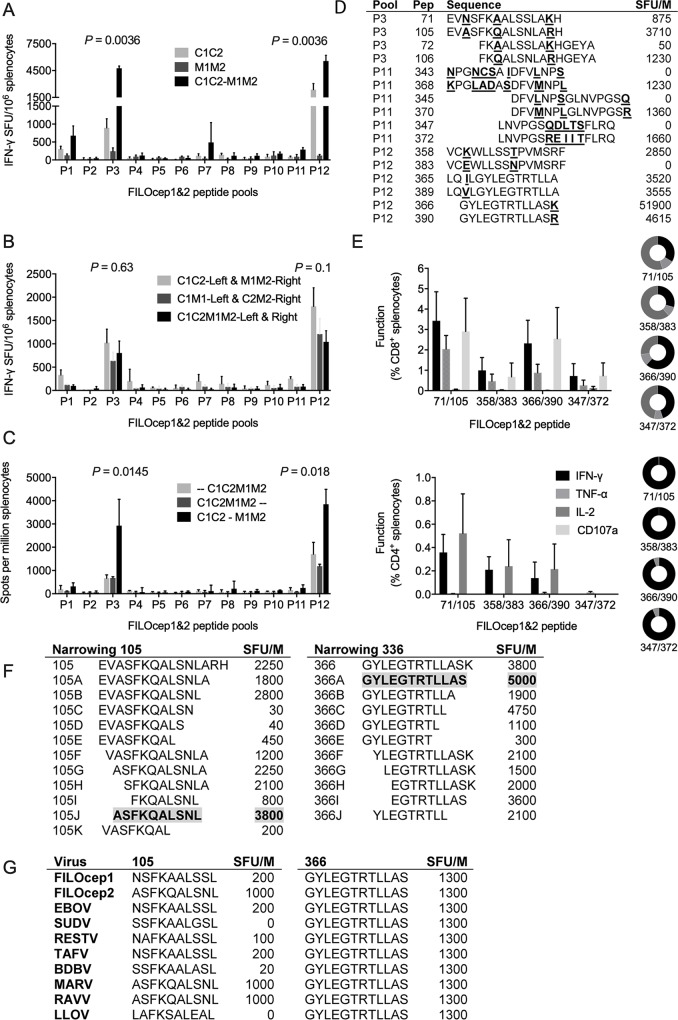
There are a number of vaccine candidates under development against a small number of the most common outbreak filoviruses all employing the virus glycoprotein (GP) as the vaccine immunogen. However, antibodies induced by such GP vaccines are typically autologous and limited to the other members of the same species. In contrast, T-cell vaccines offer a possibility to design a single pan-filovirus vaccine protecting against all known and even likely existing, but as yet unencountered members of the family. Here, we used a cross-filovirus immunogen based on conserved regions of the filovirus nucleoprotein, matrix and polymerase to construct simian adenovirus- and poxvirus MVA-vectored vaccines, and in a proof-of-concept study demonstrated a protection of the BALB/c and C57BL/6J mice against high, lethal challenges with Ebola and Marburg viruses, two distant members of the family, by vaccine-elicited T cells in the absence of GP antibodies.
有许多针对少数最常见暴发的丝状病毒的候选疫苗正在开发中,这些疫苗都使用病毒糖蛋白 (GP) 作为疫苗免疫原。然而,此类 GP 疫苗诱导的抗体通常是自身的,仅限于同一物种的其他成员。相比之下,T 细胞疫苗提供了设计一种针对所有已知甚至可能存在但尚未遇到的丝状病毒家族成员的通用丝状病毒疫苗的可能性。在这里,我们使用基于丝状病毒核蛋白、基质和聚合酶保守区域的跨丝状病毒免疫原,构建了猿猴腺病毒和痘苗病毒 MVA 载体疫苗,并在概念验证研究中证明,在没有 GP 抗体的情况下,疫苗诱导的 T 细胞可保护 BALB/c 和 C57BL/6J 小鼠免受两种遥远的丝状病毒家族成员埃博拉病毒和马尔堡病毒的高致死性挑战。